


When the Resolution Stops Being the Point
There was a time when the loudest argument in video production was about pixels. More resolution meant a more professional result, or so the logic went. As AI video generation matured, that argument quietly stopped mattering. The models can all produce sharp, detailed footage. What separates a compelling piece from a forgettable one is no longer resolution; it is direction. It is whether the scenes are composed with intent, whether the story stays coherent, and whether the emotional through-line lands.
That shift creates a new kind of pressure on creators. If the tooling is no longer the barrier, then the craft becomes the barrier. This guide explores how an AI director assistant helps you meet that bar. It does not erase your judgment. Instead, it handles the analytical and repetitive parts, choosing models, protecting consistency, and translating your intent into concrete cinematic choices, so you can spend your energy where it matters.
What an AI Director Assistant Actually Does
An AI director assistant is a step beyond a plain text-to-video tool. A generator turns a prompt into footage. A director assistant treats that same prompt as part of a larger plan. It reads a screenplay or a brief, breaks it into scenes, proposes how each should look, and coordinates the generation so the pieces fit together.
Think of it as a translation layer between creative intent and technical execution. You hold the vision. The assistant helps you express it in the language that generation models respond to, and it keeps track of the decisions you have already made. This division of labor is what makes complex, multi-shot projects manageable for a single creator. Nothing about the final quality is determined by the assistant alone; it is determined by how well you steer it.
A fair way to describe the relationship is that of a director and a first assistant who never forgets. The first assistant on a real set does the careful, procedural work: logging what has been shot, preserving the continuity notes, marshaling the resources, and flagging the details that would otherwise slip. In the same spirit, an AI director assistant turns the mundane logistics of a visual production into something you can rely on, so that your attention stays on the choices that actually shape the audience's experience. Neither you nor the assistant is more important; the pairing is what makes the work hold together at scale.
Thinking Like a Filmmaker, Frame by Frame
From Script to Framing
The most valuable thing an AI director assistant can do is help you think in frames. Where a writer thinks in scenes, a director thinks in shots. Each shot is a purposeful choice: where the camera sits, how close it gets, what it includes and excludes.
When you give the assistant a script, it can propose a shot breakdown. It might suggest an establishing wide shot to set the space, then a medium two-shot for the dialogue, then a close-up on the emotional beat. What matters is that these proposals are structured like a real filmmaker's coverage rather than a random sequence of images. You review the coverage, adjust what does not fit, and approve what does. The result is a deliberate plan you can execute rather than a pile of disconnected generations.
Choosing the Right Model for the Mood
No single generation model is best at everything. Some excel at photorealistic environments, others at stylized animation, and still others at smooth, natural motion. Choosing the wrong one for a scene is a common cause of disappointing results that has nothing to do with your prompt.
An AI director assistant helps you map a scene's needs to the right model. A moody, low-light interior calls for a model known for strong lighting and texture. A fast-moving action sequence calls for one known for stable motion. Instead of guessing, you get a recommendation grounded in what the scene requires. This guidance turns model selection from a source of frustration into a deliberate creative decision.
Protecting Consistency with Multi-Reference Control
The single hardest problem in AI-assisted video is consistency across shots. Dialogue scenes and multi-set pieces compound this, because every new shot asks the model to remember who the characters are and where they are. Without protection, small inconsistencies creep in: the hero's jacket color shifts, a supporting character's face changes, the lighting direction flips.
Multi-reference control solves this by anchoring every generation to fixed reference images. Keep a reference for the character's appearance, the key location, and the desired grade. Feed these references into each shot, and the assistant ensures the model honors them. When characters stay recognizable and locations stay believable across the whole piece, the footage stops feeling like separate clips and starts feeling like one film.
The Mechanics of Automated Cinematography
Emotion and Shot Selection
Shot selection is not decoration; it is narration. A wide shot tells the audience where they are. A close-up tells them what matters. A low angle grants power to a subject, while a high angle diminishes it. An AI director assistant can encode these conventions and apply them based on the emotional tone you specify for each beat.
When you mark a scene as tense, the assistant may favor tighter framing and more movement to raise energy. When you mark a scene as reflective, it may prefer wider, slower framing. You remain in control of the emotional label; the assistant translates that label into a visual language. The pairing of your judgment with its execution is what produces footage that feels directed rather than merely generated.
Camera Movement and Smooth Transitions
Movement shapes how the audience feels time passing. A push-in tightens focus and builds anticipation. A tracking shot that follows a subject creates energy. A static shot creates gravity. Getting these moves smooth and intentional is one of the most rewarding improvements you can make.
Describe each move as a small sequence of decisions: the starting frame, the ending frame, and the type of motion. A slow dolly toward a character's eyes reads differently from a rapid whip pan. Defining these moves explicitly, and letting the assistant execute them reliably across shots, lets you build a camera language that is consistent and polished instead of accidental.
One caution is worth repeating: camera movement should always serve the story rather than decoration. A shot that moves for the sake of energy can pull attention away from the moment it is meant to communicate. If a movement does not sharpen the emotion, question whether it belongs there at all. Restraint is not the enemy of style; it is what gives style room to land. When you move the camera, give it a reason, and the audience will feel the difference even if they cannot name it.
Lighting and Set Styling
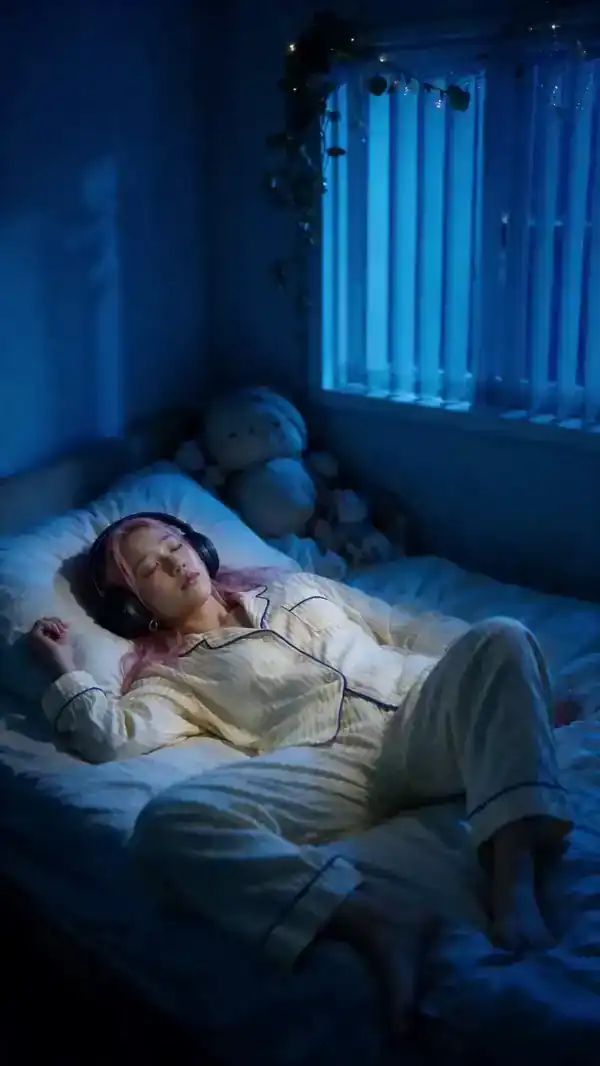
Light articulates mood, and set dressing carries subtext. A carefully lit scene tells the audience how to feel before a single line of dialogue. An AI director assistant can help you specify the key light, the fill, the color temperature, and the practical sources that shape each frame. Set dressing, the objects visible in the environment, reinforces the world and the character who lives in it.
For a scene meant to feel lived-in, mention small environment details: a stack of books beside a bed, scuffed paint on a door, steam rising from a cup. These details ground the image in a believable reality. The assistant can carry these scenic notes into the visual generation so the world feels complete rather than empty by default.
Building a Clean Production Pipeline
A reliable workflow with an AI director assistant follows a predictable shape. Start with a clear brief. Review the assistant's scene and shot breakdown, and adjust it until it matches your intent. Lock in reference images for your characters, locations, and grade. Let the assistant propose models and camera language for each shot. Generate the footage, and then check every shot against your references for continuity. Finally, edit and grade the assembled scenes as a unified whole.
The assistant removes friction from the middle of this pipeline. It holds your references, proposes the breakdowns, and coordinates the model calls. You direct the process by approving, rejecting, and refining. The result is a pipeline that is fast enough to explore multiple creative directions and disciplined enough to keep every exploration tied to your core intent.
Understanding What the Assistant Is and Is Not
It is worth being precise about what an AI director assistant does not do, because that is where disappointment usually comes from. It does not tell you which story to tell. It does not decide your taste. It does not guarantee that every generated frame will be perfect on the first try. It is a collaborator and an organizer, not an oracle. The projects that succeed on it are the ones whose creators understand the division of labor clearly.
The assistant is strongest at the tasks that reward patience and consistency: holding references, tracking what has been decided, proposing coverage, and keeping a large body of work coherent. These are exactly the tasks that human attention struggles with over a long project, because they are repetitive and easy to lose track of. By offloading them, the assistant frees your working memory for the decisions that actually need judgment.
At the same time, the assistant is only as good as the brief you give it. A vague description yields a vague plan, and vague plans produce generic footage. The more specific you are about the world, the characters, the mood, and the style of your project, the more value the assistant can add. Think of it as a brilliant collaborator who happens to need excellent instructions. The quality of your direction and the quality of your results rise and fall together.
Another thing worth understanding is that consistency is not the same as sameness. You want characters to stay recognizable and locations to stay believable, but you still want the lighting, framing, and energy to change with the story. Good reference control keeps the world stable while allowing the treatment to breathe. If everything looks frozen and uniform, the project feels static; if everything drifts, it feels broken. The skill is holding that balance, and it is more of an art than a checklist.
Practical Questions, Straight Answers
Is an AI director assistant just a gimmick?
It earns its place when a project has more than a few shots. For complex scenes with characters and continuity, the coordination it provides saves real time and prevents the fragmentation that plagues long AI-assisted pieces.
Do I still need to understand cinematography?
It helps enormously, but the structure of the workflow encourages you to learn as you go. Asking why a shot should be wide or why the light should be warm makes the craft stick far faster than memorizing theory.
How do I avoid the uncanny, uniform look?
Deliberately vary framing, movement, and lens behavior, and use strong light and texture direction. The sameness you sometimes see comes from letting the model choose everything. The more specific your direction, the less generic the result.
Can this work for social shorts?
Absolutely. The same discipline, references, and shot logic apply to a thirty-second video, and the payoff is usually even more visible there, since competition for attention is fierce.
Direction Is the New Craft
Tools will keep improving, and specific products will come and go, but the underlying principle will not change. The resource that limits great video is no longer access to hardware. It is the quality of direction. The creator who can read intent, translate it into visual language, and keep it coherent across many shots will consistently outpace the creator who relies on the tool to decide.
An AI director assistant is best used as a collaborator that amplifies that skill. Let it hold the details you have decided, propose the paths you might not have considered, and execute the repetitive steps flawlessly. Then bring the judgment, taste, and narrative sense only you can provide. That combination, a skilled human vision and reliable automated execution, is what turns generated footage into genuinely directed cinema.
