
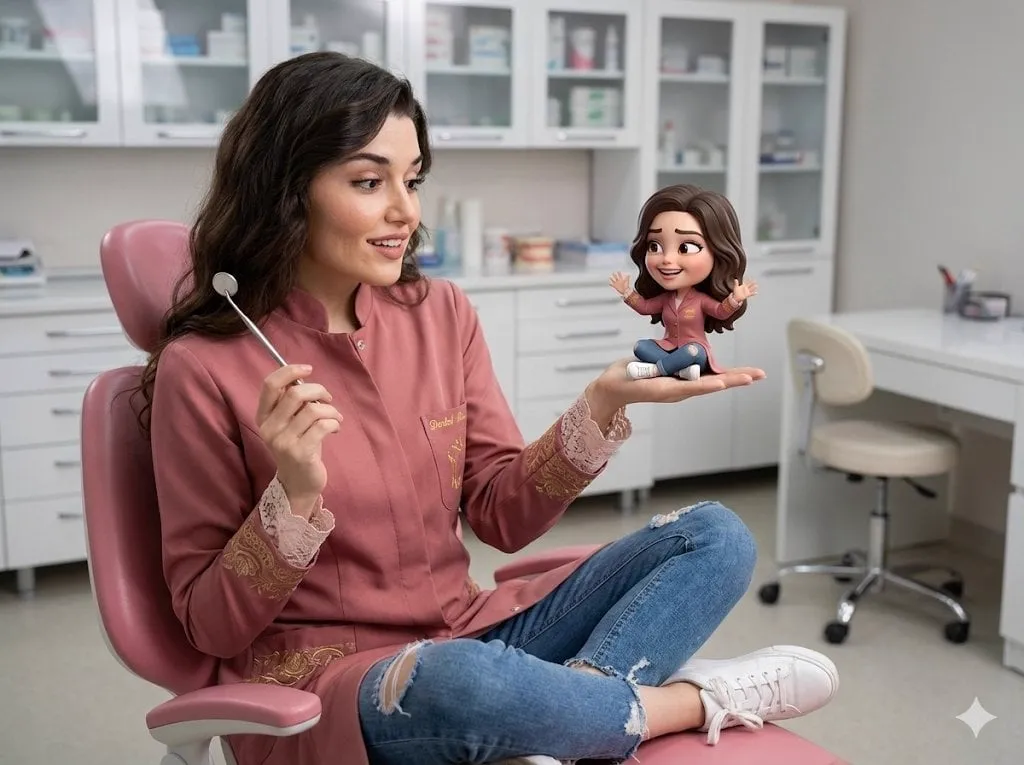


Most video creators do not struggle to operate software; they struggle to direct. Deciding what a scene should communicate, how it should be framed, how the story should pace, and which generation model fits the moment — these are creative decisions that no timeline panel can make for you. A new class of tool is emerging to fill exactly this gap: the AI director assistant. Instead of being a prompt box that waits for instructions, it behaves like a creative collaborator that analyzes your script, suggests compositions, structures the narrative, and picks the right generation model for each segment. This guide explains what these agents actually do, how to use them in a real production, and where their limits still are.
What an AI director agent actually is
An AI director agent is not a filter or a single model. It is a layer of software that sits between your creative intent and the generation engine. Think of it as a modular system that simulates the stages a professional director goes through: reading the script, breaking it into shots, planning composition, guiding the narrative arc, and choosing the technical approach for each scene. It automates the thinking that previously required years of experience.
This matters because the hard part of video production was never the clicking. It was the judgment: what to show, from which angle, for how long, in what order. By encoding that judgment into a guided workflow, director agents make professional-grade decision-making available to creators who have never run a set.
The practical result is a workflow where you describe the story at a high level and the agent translates it into concrete production steps. You stay in control of the creative vision; the agent handles the execution detail.
Script analysis: from paragraphs to shots
The first job of a director agent is to read your script and understand its structure. It identifies the key beats, the emotional arc, the locations, and the characters. Then it breaks the story into individual shots, each with a clear purpose. This shot list is the backbone of the entire production.
Translating intent into instructions
In a traditional workflow, you write a prompt for every shot, trying to describe both content and style in a single text block. With a director agent, you express intent at the scene level: "the protagonist hesitates before opening the door, tension building." The agent expands that intent into the detailed instructions the generation engine needs — camera position, framing, lighting mood, motion.
This is a genuine shift in how creators think. You stop prompting shot by shot and start directing scene by scene. The granularity moves up a level, which means less friction and fewer rewrites when the vision changes.
Shot composition and cinematography suggestions
Composition is where amateur video usually betrays itself. Amateur shots are often flat, centered, and static. Professional shots use depth, leading lines, and deliberate framing. In traditional production, this is the domain of a director of photography. A director agent brings that expertise into the tool.
When you describe a scene, the agent suggests composition options: a close-up for emotional beats, a wide establishing shot for context, a low angle for power, a tracking move for energy. It explains why each option serves the story, which also makes the tool educational — creators learn the language of cinematography by using it.
Practical composition decisions
For a dialogue scene, consider over-the-shoulder shots that ground the relationship between characters. For a product reveal, use a slow push-in that builds anticipation. For a montage, vary shot sizes to keep the rhythm alive. The agent can generate these variations quickly, letting you compare options before committing. The ability to see composition choices rendered in seconds is the real productivity gain.
Narrative structure and pacing
A collection of beautiful shots is not a story. Narrative structure — setup, conflict, resolution — is what gives footage meaning, and pacing is what keeps the audience engaged. Director agents participate at this level too: they help you map your script to a three-act structure, flag pacing problems, and suggest where a scene should be cut or extended.
This is especially valuable for short-form content, where every second counts. A 30-second video has room for exactly one hook, one build, and one payoff. The agent helps you see whether your structure fits the format before you invest in generation, saving hours of rework.
Rhythm and transitions
The transition between scenes is a storytelling opportunity, not a technical necessity. Hard cuts convey speed; dissolves convey time passing; match cuts create visual poetry. A director agent can suggest transitions that match the emotional beat, and the underlying technology can execute them consistently across scenes. The result is a video that feels directed rather than assembled.
Choosing the right model per scene
One of the quiet breakthroughs of modern AI video platforms is model variety. Different generation models specialize in different looks: photorealistic, anime, cinematic, stylized. Choosing the right one per scene used to be manual guesswork. Director agents automate the selection by analyzing what each scene needs.
A strategy for model allocation
Think of model selection in tiers. For dialogue-heavy scenes where character consistency matters most, choose a model with strong identity handling. For action sequences, choose one with good motion quality. For opening and closing shots, where first and last impressions live, spend on a premium model. For drafts and alternatives, use the fast, economical option. The agent can apply this strategy across the whole project automatically, which keeps quality high where it matters and costs low where it does not.
Switching models mid-project
Production realities change: a scene turns out to need a different style, a client changes direction, a test reveals a weakness. The ability to switch models dynamically for specific segments — without rebuilding the entire project — is a major practical advantage. You regenerate only the affected scenes, keeping the work already done.
Consistency across scenes
The technical foundation of any multi-scene production is visual consistency. If the protagonist's face changes between scenes, the story collapses. If the lighting mood shifts randomly, the video feels amateur. Image fusion technology — where reference images anchor the identity of characters, objects, and environments — is what makes consistency achievable at scale.
Building a reference set
Prepare a small reference set before generation: a clear image of each character, a photo of each location, and a style frame for the overall look. Feed these to the agent as anchors. Every generated scene then inherits the same visual DNA. The upfront investment in references pays off across every subsequent scene.
Working with an agent in practice
A realistic session looks like this: you upload your script, the agent returns a shot list with composition and pacing suggestions. You adjust the creative direction — mood, emphasis, style. The agent generates the scenes, maintaining consistency through your references and choosing models per segment. You review, request changes on specific shots, and assemble. The agent handles the recurring decisions; you handle the judgment calls.
Where the agent does not replace you
The agent is a collaborator, not a replacement. It cannot know your audience, your brand voice, or the nuance of your story better than you do. It will make suggestions that miss. The skill is in directing the agent: giving clear intent, rejecting weak suggestions, and steering the result. Creators who treat the agent as an extension of their own judgment get far better results than those who accept its first output.
Director agents for social-first content
Short-form social video has its own narrative rules, and director agents adapt well to them. The hook must land in the first second; the middle must hold attention against distractions; the payoff must feel earned. A director agent can evaluate your script against these constraints and suggest structural fixes before you generate anything.
Most viewers decide within a second whether to keep watching. The agent helps you identify what the first frame and first line must accomplish: curiosity, recognition, or contradiction. It may suggest starting in the middle of the action, opening with a question, or showing the payoff early and then explaining how you got there. These are classic short-form structures, now available as guided suggestions.
For creators producing series — episode one, two, three — consistency across episodes matters as much as quality within one. The same reference set and style anchors can be reused, and the agent can keep the narrative arc continuous across episodes. Viewers who followed episode one recognize the world instantly in episode three, which builds the habit of returning.
Each platform has a rhythm: faster cuts on TikTok, slightly longer storytelling on YouTube Shorts, polish and captions on Instagram Reels. The agent can adapt pacing guidance to the target platform, suggesting where to trim and where to breathe. The content stays yours; the format fit becomes automatic.
The agent learns your voice
Agents improve with context. The more you work with one, the more it learns your preferences: your pacing taste, your visual style, your storytelling shortcuts. Over time, the suggestions get closer to what you would have chosen yourself, and the parts you override become fewer. This is why teams that adopt director agents early build a compounding advantage — the tool becomes tuned to their creative voice.
Common pitfalls when using director agents
- Vague scene descriptions: an agent can only direct what it understands. Describe what the viewer should see and feel, not just the subject.
- Skipping references: without anchors, consistency falls apart across scenes. Prepare references before generating.
- Accepting the first output: the agent's first suggestion is a starting point, not a final answer. Iterate on the shots that matter.
- Ignoring pacing feedback: a structurally weak video fails even with perfect visuals. Respect the narrative guidance.
- Over-automating: use the agent for the repetitive decisions, but keep creative control of the story. The best results are a partnership.
FAQ
Do I still need editing skills with a director agent?
Yes, basic editing skills remain useful. The agent handles shot planning and generation; assembly, captions, audio, and final polish still happen in an editor. The good news is that a simpler editor suffices when the shots arrive already directed.
Can a director agent work for any type of video?
It works best for narrative-driven content: explainers, brand stories, social videos, music visualizers, short films. For live-event footage or real-world documentaries, traditional production remains necessary. Match the tool to the project type.
How much creative control do I keep?
As much as you want. The agent proposes; you dispose. Every suggestion can be overridden, and every scene can be regenerated with your direction. The tool magnifies your intent; it does not override it.
Is this only for professionals?
No — it is arguably more valuable for beginners, because it encodes professional judgment that beginners lack. Experienced directors may find some suggestions obvious, but they still benefit from the speed. The tool levels the field without lowering the ceiling.
How do I start if I have never used one?
Start small: take one finished script you already produced manually and run it through a director agent. Compare the shot list it suggests with what you actually did. The differences teach you the tool's logic and your own habits. Then produce one new piece end to end with the agent as a collaborator, and decide where it helps and where it does not.
Final thoughts
The rise of AI director assistants marks a shift from tool-operator to director. Creators no longer need to master every technical setting; they need to master intent — knowing what they want the audience to see and feel. The agent translates that intent into production, handles the repetition, and teaches cinematic thinking along the way. For anyone producing video regularly, this is not a luxury feature; it is the natural next step in a workflow built for speed and quality. Start with one script, direct it scene by scene, and let the agent show you what a difference real direction makes.
