


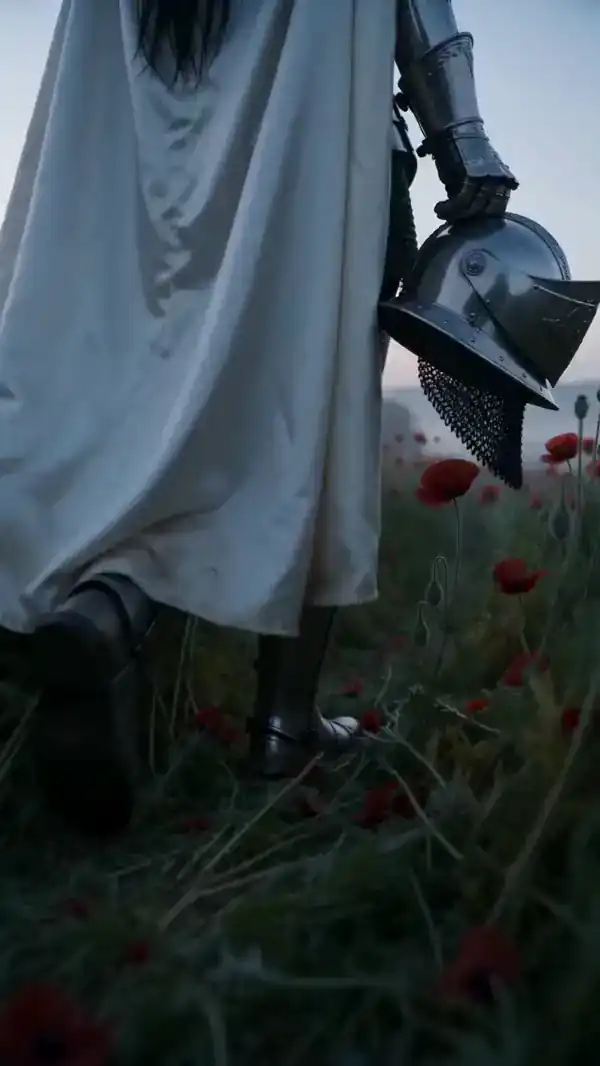
Cinematography used to be out of reach for most creators. A purpose-built camera package, a director of photography who knows how to shape light, and a colorist who can finish a film in a recognizable style once separated professional productions from everything else. That gap is narrowing fast. With modern AI direction tools, a single person working from a laptop can plan shots, frame compositions, manage continuity, and guide generative models to produce footage that feels deliberately, professionally cinematic. This guide walks through the ideas and practical workflows you can use to build that skill today, whatever your current level.
The Cinematographer Mindset Ai Direction Encourages
Learning cinematography through an AI director is not about turning over creative decisions to software. It is about learning to think the way a cinematographer thinks, and then using the machine to handle the mechanical layer beneath that thinking. When you give an AI director a clear brief, you are forced to become explicit about things you may have taken for granted: where the light is coming from, how the camera is moving, what the frame is emphasizing, and what mood the color should carry.
This act of articulation is itself the lesson. Most beginners struggle with cinematography not because cameras are hard, but because they have never had to verbalize what makes a shot feel right. An AI director asks you to name your intent before it executes. That constraint turns intuition into craft. Over time, the vocabulary you use in those prompts becomes the vocabulary you use while framing real cameras, and the reverse is true as well.
What an AI Director Actually Does
Before you use one, it helps to understand the anatomy of a modern AI direction system. At the core is a planning engine that takes a written or spoken brief and breaks it into executable camera and lighting instructions. It considers the emotional intent of a scene, the geography of the space, and the characters involved, then proposes shot types, angles, lens choices, lighting setups, and pacing. Some systems go further and translate those plans into prompts that run inside generative video models, so the plan and the final imagery stay consistent.
The practical appeal is speed. What used to require a shot list, a storyboard, a location scout, and several rehearsals can now be iterated in minutes. That speed changes the economics of filmmaking. You can test five lighting ideas before lunch instead of spending a day moving fixtures. You can explore a scene from a dozen angles without reshooting. In short, an AI director lets you do more deliberate exploration in less time, which is exactly what developing an eye for cinematography requires.
Building a Cinematographic Foundation
Light as the Mother of the Frame
Every cinematographer starts with light. Hard directional light carves faces and creates sculptural depth; soft diffused light flattens a scene into tenderness or calm; motivated practicals sell the world of the story. When you direct an AI, you should specify the quality, direction, color, and motivation of every light source.
A useful habit is to name the key light, the fill, and the rim separately. The key light sets the primary exposure and shadow shape. The fill softens contrast and keeps shadow detail controllable. The rim separates the subject from the background. Adding a rim light to a portrait is a small instruction that produces an outsized sense of depth, so it is a reliable early win for beginners.
Composition, Not Style, Does the Heavy Lifting
Style is the first thing people notice, but composition is what makes an image feel intentional. The rule of thirds is only the beginning. Leading lines draw the eye toward the subject. Negative space creates tension and breathing room. Frame-within-a-frame composition layers depth. Symmetry signals order and stability, while asymmetry signals unease or motion.
Do not describe how you want the image to feel. Describe the relationship between the elements in the frame, and the feeling will follow. Instead of saying a villain looks menacing, say the camera is low, the subject occupies center frame, and a hard shadow cuts across the face. The AI will translate that geometry into menace far more reliably than a mood label.
Lens Language and Depth of Field
Lens choice is a language of its own. Wide lenses exaggerate perspective and wrap the environment around the subject, useful for establishing settings and conveying scale. Telephoto lenses compress distance and isolate subjects, useful for intimacy and for flattening background chaos. Depth of field, the range that appears sharp, controls where the eye lands. A shallow depth of field with a soft bokeh isolates a face and communicates emotional focus.
In AI prompting these choices become explicit parameters. You can request an 85mm look with a wide-open aperture for portraits, or a 24mm look with deep focus for a cityscape. Being specific about focal length and aperture gives the generator far better guidance than a vague request for cinematic depth.
Building a Cinematic Look with Light and Color
The Chiaroscuro Tradition
Classic Hollywood drew directly from chiaroscuro, the dramatic use of strong contrasts between light and dark. The result is volumetric, sculptural, and almost painterly. A single hard key light from the side throws the face in and out of shadow, and deep blacks frame the subject. This works powerfully in moody drama, noir, and tension-filled sequences.
You can reproduce it in an AI direction session by specifying a single dominant light source, high contrast, deep shadows, and minimal fill. The model will gravitate toward the stark, elegant look you are describing. Film noir is the clearest example, but a version of the technique appears in everything from period dramas to contemporary thrillers.
Color as an Emotional Instrument
Color grading is where digital workflows changed everything. Instead of shooting with color in mind and correcting later, modern colorists treat the grade as a creative decision that shapes the narrative. Warm tones suggest nostalgia and comfort; cool tones suggest distance and clinical clarity; desaturated images feel documentary and sober, while saturated images feel heightened and stylized.
When directing AI, embed color intent in the brief. Choose a dominant hue for the scene, decide whether your shadows lean warm or cool, and state whether the overall palette should be muted or vivid. Pairing the grade with lighting decisions multiplies the effect. A cool blue-shadowed frame with a warm practical light in the background reads instantly as cinematic night.
Grain Does Not Mean Vintage
A common beginner mistake is equating film grain with old-movie feel. Grain actually serves continuity and texture. It can soften the digital sheen of generated imagery and give clips a cohesive, analog texture, but it cannot on its own create a period look. Period feel comes primarily from lighting, costume, design, and color science. Grain is the finishing texture that holds it together.
If you want to evoke celluloid, describe the look in terms of lighting behavior and color response, then add grain as a subtle layer. This produces a far more convincing result than a straight film-grain filter slapped over a modern-looking image.
Maintaining Continuity Across a Scene
The Character Consistency Problem
The hardest problem in AI-driven filmmaking is continuity. Each generated clip may look perfect on its own but differ from the previous clip in subtle ways: skin tone, eye color, costume wrinkles, or the angle of a scar. When clips cut together, those differences break the illusion. Character reference images help anchor identity, but they only work if every prompt in the scene references the same details.
The workflow that solves this is multi-image fusion, where several reference frames are fused together before generation. The system uses all of them to lock the character's identity, lighting, and wardrobe, then reuses that locked identity across the sequence. This keeps a consistent face, palette, and costume over many shots, which is the minimum bar for professional-looking editing.
Scene-Level Consistency
Characters are only part of the problem. The room the characters stand in must not change between reverse angles, the time of day must stay coherent, and the camera language should feel like it belongs to one director. Define the scene's visual rules once, in writing, then append those rules to every shot in the scene. A simple scene bible with lighting direction, color palette, dominant lens, and prop details will keep an entire sequence cohesive.
The Regie of Movement
Movement is where AI direction truly earns its keep. Camera motion tells the audience how to feel. A slow dolly-in builds intimacy and pressure. A handheld tremor signals realism and anxiety. A crane shot lifts the eye and grants perspective. A static tripod shot grants stillness and gravity.
You can choreograph these moves deliberately. State the shot type, the direction of movement, the speed, and the emotional rationale. Planning camera movement shot by shot gives the whole sequence a rhythm, an essential quality of even the simplest professional scene.
A Practical Workflow for Learning
A reliable way to build the skill is to work in structured passes rather than firing off isolated experiments. The following routine builds cinematographic understanding and produces portfolio-grade results.
Pass One: Study a Scene from a Favorite Film
Pick a two-minute scene you admire and write down its cinematographic decisions informally: where the light is, how the camera moves, what lenses seem to be at work, how the grade shifts. Then recreate the scene with an AI director using your notes as the brief. Comparison between your attempt and the original teaches more than either activity alone.
Pass Two: Master One Element per Session
Resist trying everything at once. Dedicate one session to lighting, another to composition, another to camera movement. Focused practice develops transferable skill faster than scattered experimentation. Keep a small log of what you tried and what worked, phrased in the cinematographic vocabulary you are building.
Pass Three: Rebuild a Complete Scene
Once the fundamentals feel stable, assemble a whole short scene, five to eight shots, with continuous characters and consistent lighting. This forces you to confront continuity, planning, and pacing, the skills that separate clips from films. Put the finished cut side by side with professional references and note exactly where the gap is.
Troubleshooting Common AI Cinematography Problems
The image looks like a glamour shot, not a scene. Your lighting instructions are probably too generic. Add directional motivation, a clear key-fill-rim structure, and a defined time of day.
Every frame looks the same. You are likely reusing one composition template. Vary the focal length, camera height, and framing between shots. Intentionally plan one wide, one medium, one close-up, and one over-the-shoulder per scene.
The character changes between shots. This is continuity failure. Build a character reference and use a fusion workflow that locks identity across clips. Repeat the same physical descriptors in every prompt.
Colors shift from clip to clip. Lock the grade at the scene level. Decide shadow and highlight temperatures once, keep the palette in your scene bible, and regenerate with the same color language rather than correcting each clip in isolation.
The video is sharp but flat. Flatness usually signals missing depth, not missing sharpness. Add a rim light, a foreground element for layered depth, and ensure the background has its own exposure separation from the subject.
When Cinematography Is Winning, and When It Is Too Much
Mastering cinematography is about serving the story, not decorating it. A slow push-in is only meaningful if the scene earns it. Heavy style on a light comedic beat can feel self-important, while a techni-cal set of decisions on a dramatic beat can feel invisible. As your technical control grows, your restraint should grow with it. The most confident work often looks the most effortless, and that effortlessness is a direct product of being deliberate about every one of the choices described above.
Frequently Asked Questions
Do I need to own professional equipment to learn these techniques?
No. Because an AI director works through language, you can learn the concepts, vocabulary, and decision-making of a cinematographer without a camera. The skills transfer directly to real production whenever you do pick up a camera.
How long does it take to develop an eye for cinematography?
Most people feel a meaningful shift within a few weeks of deliberate practice, and a genuine comfort within a few months. Progress depends far more on studying and recreating good work than on raw hours.
Is continuity always achievable with generated video?
Continuity is dramatically better than it was a couple of years ago, especially when you use character references and fusion techniques. It is not perfect, and you may still need to regenerate a clip or two per scene, so budget a small iteration buffer into every project.
Should I focus on lighting or composition first?
Lighting first. Composition rules help you frame what you are looking at, but light determines what is even visible and how a viewer feels about it. Once you can control light predictably, composition choices become far more intuitive.
Can these methods help with documentary or reality-based work?
Absolutely. Every principle here maps onto motivated, natural light and observational composition. The discipline of articulating intent is useful precisely because it forces you to see the ordinary world with a cinematographer's eye.
Learning cinematography through AI direction is fastest way for many people to go from admiring shots to deliberately creating them. Treat the tool as a demanding mentor that asks you to say exactly what you mean, then steadily raises the quality of what it will accept. Build the vocabulary, study the masters, practice one element at a time, and plan every scene as a leader would: shot by shot, light by light, with intent in front of every decision.
