


Every strong piece of video shares a hidden common ancestor: a series of decisions made before any footage exists. Which part of the scene fills the frame, how high the camera sits, whether the lens pushes toward the subject or pulls away, where the light falls, and what mood the color carries. Taken together, these are the grammar of cinematography, and for decades they were the domain of people who spent years training their eyes. Generative AI is quietly handing that grammar to everyone, not by removing the decisions, but by removing the expensive machinery that used to be required to act on them.
This article is about the idea that an AI layer can act as a personal director for your video projects: a virtual first assistant that helps you translate story intent into shot design, framing, camera motion, lighting, and sequence, so that every frame starts with a deliberate directorial choice rather than a lucky generation. The focus is practical. How to think about shot composition, how to control lighting and mood, how to design the camera moves that give your work its energy, and how to keep a long project visually consistent from the first frame to the last.
I have organized the guide to move from understanding to application. First a look at the technical architecture that makes a generation platform behave like a controllable camera. Then a deep dive into the cinematographic decisions you will actually be making: composition, lighting and atmosphere, camera dynamics, and transitions. Then how to keep your vision consistent and manage cost and quality across a real project. Finally a set of habits that turn these techniques into a repeatable craft.
Acting as a Director, Not Just an Operator
The most important conceptual shift is recognizing your role. When you type a prompt and accept whatever comes out, you are operating a tool. When you decide the shot, the motion, the light, and the mood, and then instruct the machine to honor those decisions, you are directing. Operators produce images; directors produce meaning. Everything in this article depends on making that shift before you open the render queue.
A directorial mindset shows up in small habits. You ask what the shot is for before you ask what it should look like. You evaluate output against your intent instead of against prettiness. You plan the sequence before you generate it, so each clip has a job to do. You stop generating when you have a version that serves the beat, rather than generating forever looking for something better. These habits are cheap to adopt and they transform the quality of everything that follows.
The value of an AI direction layer is that it lowers the cost of acting on directorial intent. Instead of manually computing every framing choice and hand-authoring long expert prompts from scratch, you can express the intent in plain language, get a structured plan of shots and camera direction in return, and then review and shape that plan to match your own taste. The machine drafts; you decide.
The Architecture That Makes a Controllable Camera
Beneath the interface, a modern generative platform is a carefully layered system, and understanding a little of that layering explains why some things feel controllable and others feel like luck. At the base sit the foundation models, each with its own strengths in realism, style, speed, and consistency. Above those, the platform provides a control surface that lets you steer framing, motion, lighting, and subject identity rather than relying on the model's default imagination. The better that control surface, the closer the tool behaves to a virtual camera.
Two controls matter most in practice. The first is the ability to define and hold composition, keeping depth of field, negative space, subject placement, and framing stable across generations. The second is the ability to manage visual consistency through reference stills and multi-image fusion, which anchor the look so the same character and location persist through an entire sequence. Tools that expose these levers turn unpredictability into a usable instrument.
Knowing this architecture also tells you where to push and where to let go. Physics-heavy, fast, chaotic motion is hard for any control surface to pin down, so you design around it. Deliberate, single-axis camera moves, stable subject placement, and fixed lighting moods are exactly where a controllable surface shines, so you lean into those.
Composition: Moving Beyond the Rule of Thirds
The rule of thirds is an excellent entry point, but cinematic composition rewards a richer vocabulary. Think of composition as an act of balance and of guiding the eye. Place points of interest where the viewer should land, but also deliberately orchestrate the empty space around them, because negative space carries as much emotional information as the subject does. A character pressed low in an empty frame says isolation; a subject surrounded by close elements says pressure.
Headroom, eye line, and headroom are quiet but powerful. Leave the subject room to "look into," keep the eyes on a comfortable line, and let face angle and framing do the emotional work that words would otherwise have to. Beyond that, depth is your friend: foreground, midground, and background planes make a flat image feel like a lived-in space, and leading lines or frames within frames give the eye a deliberate route to follow.
Composition should also change with the story. A claustrophobic scene may use tight framing and small negative space; a lonely scene may let the subject shrink into a vast setting. Let the placement of elements serve the emotional beat, and you will find the audience reads your intent before they can name it.
Lighting and Atmosphere as the Mood's Voice
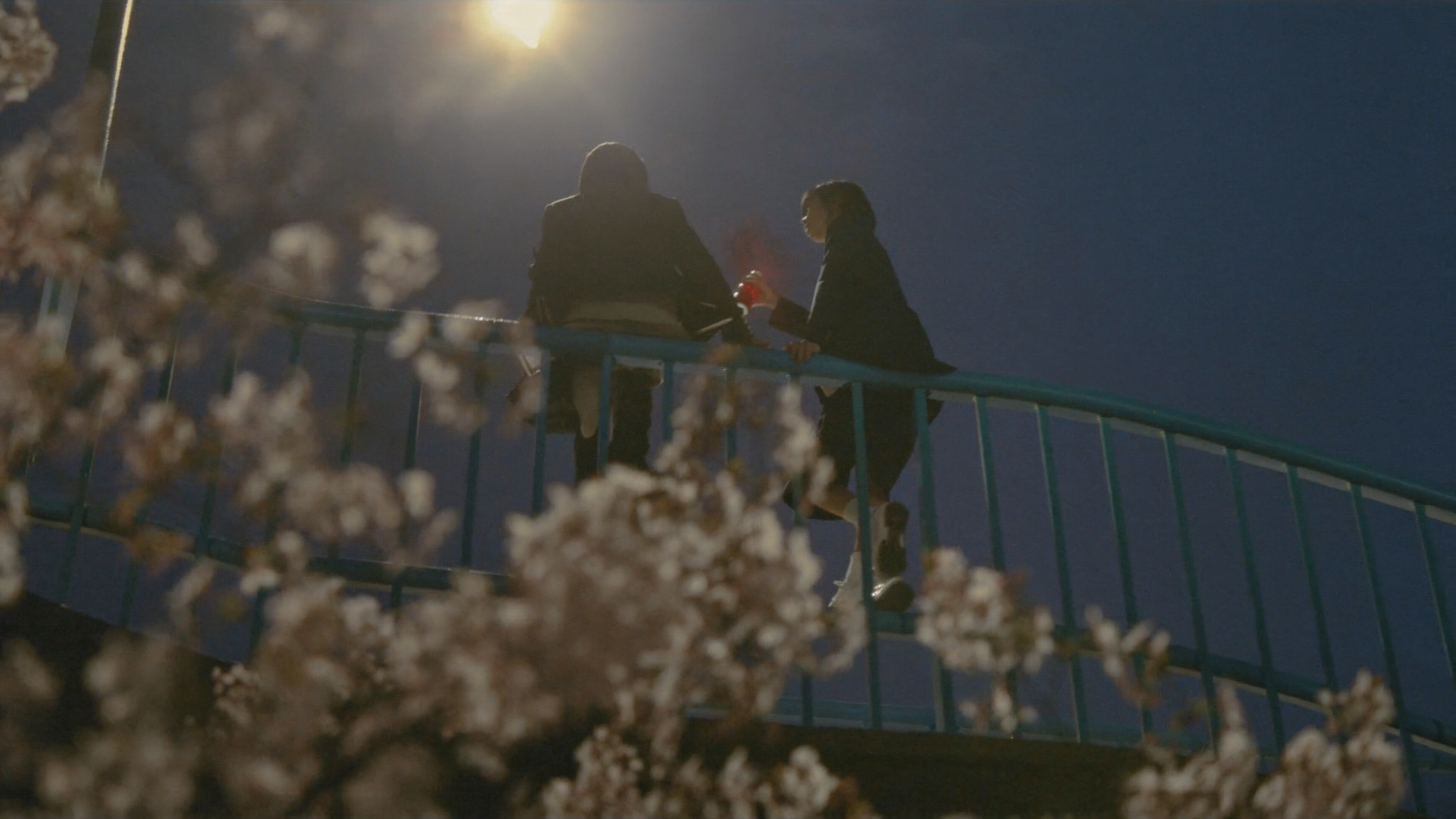
Light is the cheapest, most convincing way to set a scene's emotional temperature. The direction, quality, and color of light tell the audience how to feel before the story even starts talking. Hard light from a low angle can push menace or drama. Soft, diffused light flatters and calms. A single practical lamp in darkness creates intimacy and mystery. Backlight separates subject from background and adds depth and silhouette.
Say the mood in the measurable terms the tool can act on: the position of the key source, whether it is hard or soft, the dominant color temperature, and whether you want strong contrasting shadows. "Warm golden-hour side light, soft, gentle shadows" gives a machine far more to work with than "cozy vibes." For a scene that shifts emotionally, plan how lighting and palette change with the arc, brightening overwise the piece stays emotionally flat because the light never moves.
Atmosphere is more than light: fog, haze, rain, dust, and reflections all shape mood and depth. Deploy them deliberately, not for decoration, but as carriers of feeling. A little atmospheric diffusion softens a harsh scene; heavy haze signals distance and mystery. Deciding the atmosphere per scene, and holding it consistent, is a directorial act with immediate visual payoff.
Camera Dynamics: Lens, Movement, and Shot Transitions
Camera behavior is where a video either feels directed or feels arbitrary. The lens choice shapes perspective: a wide lens breathes and exaggerates; a long lens compresses depth and isolates a subject from its background. Frame your decision around the emotional relationship you want between subject and environment, then match the lens to that relationship.
Movement carries intent. A slow push-in tightens tension and focus. A pull-back reveals context and releases scope. A lateral track follows action, and a pan surveys a scene. Speed is tone: controlled, slow movement reads as confident and calm; fast, handheld-feeling movement reads as urgent and energetic. Choose one dominant movement per shot, because stacking requests usually produces wobble, and the single, deliberate axis is almost always more elegant in the edit.
Transitions should act as punctuation, not decoration. A hard cut stays honest and keeps momentum; a short dissolve signals passing time or a softening of mood; a match cut on shared motion is a small delight for attentive viewers. Reserve flashy wipes and effects for pieces that are explicitly stylized. When the camera and the cuts both respect the same emotional logic, the sequence feels authored rather than assembled.
Keeping a Long Project Visually Consistent
The gravest risk across a multi-shot project is that the world falls apart between shots. A character whose face changes, a location whose architecture moves, a palette that drifts, all quietly destroy the audience's trust. Consistency is achieved by decision discipline plus the right technical anchors, and a generation platform supports it through stable identity descriptors and multi-image fusion.
Set the identity once at the top of the project. Pin the character's appearance in a descriptor you reuse verbatim in every prompt. Generate a reference still for the character and one for each important location, and carry those reference images into every generation that involves them. Set the palette, lighting mood, and lens feel in a style sheet before any work begins, and enforce them mechanically rather than trusting memory.
Multi-image fusion takes this further, combining separate reference frames into one unified visual identity the model maintains across all output. Use it for the protagonist and for any hero environment. Hand-in-hand with anchors, apply the same discipline to scene punctuation, the moments of light change, cuts away, and wide shots, that let a subtle shift between engines or renders pass as an intentional beat rather than an error.
Managing Cost and Quality Across the Project
Quality and cost are managed together, not against each other. Route work by intended use. Cheap engines handle drafts, B-roll, and exploratory versions. Mid-tier engines cover most content that will be seen. Reserve the premium, highest-fidelity engine for the few hero shots that carry the product's credibility or the scene's emotional load. This tiering gives you the perceived quality of an expensive production at a manageable cost.
Set an explicit budget per project and track it. Generate once to intent, review, and re-render only to fix a specific named problem rather than out of vague dissatisfaction. Reuse proven prompts and references across projects so each new project starts from a smaller, cheaper base. The economics of generative video reward the disciplined over the abundant, and a tight budget nearly always concentrates creative attention productively.
Quality control follows the same philosophy. Evaluate every clip against the shot list and the creative brief, never against a solo beautiful frame that strays from the plan. When a rendered shot misses its beat, reroute to a better-fit engine or revise the anchor, do not accept drift. The plan is the quality bar, and every render is measured against it.
Directing Your Own Cinematographic Taste
As you practice, develop a taste that is deliberately your own. Study reference material, films, photographs, and even other AI video, with a director's eye, and ask what choices produced the feeling you are after. Keep a personal library of prompts, palettes, and shot patterns that reliably produce looks you love. That library is the raw material of a recognizable signature.
Do not let the tool default to everyone's generic cinematic look. Actively make choices you would defend: a specific color relationship, an unusual framing, a restrained camera that lets a performance breathe. The reason two creators get different results from the same machine is taste, and taste is built by making deliberate decisions over and over until they become instinct.
Habits That Turn Technique Into Craft
Craft is technique that has become consistent. Build the habits now. Always start with a one-sentence concept and a beat sheet before any generation. Write a style sheet covering palette, lighting, and lens before you render a single shot. Anchor every protagonist and hero location with reference stills and stable descriptors. Generate to intent, review against the plan, and re-render deliberately. Keep a prompt library and a project folder structure so you never rebuild context from scratch. And rehearse your fallback so a tool outage is a reroute, not a stop.
These habits cost almost nothing and compound dramatically. A creator with reliable fundamentals outproduces a cleverer creator who starts every project from zero, and does so with less waste and more control.
Directing Video Befitting Today's Tools
The modern generation platform is effectively a junior cinematographer and editor in one package: someone who can frame, light, and move a camera, but who needs a director. That director is you, and the director's tools are the decisions you make before pressing render. Learn to read composition, use lighting and atmosphere as emotional language, design single-intent camera movement, keep the world consistent with anchors and fusion, and manage cost with honest tiering.
None of this requires a film degree or a camera budget. It requires the willingness to plan before you generate. The grammar of cinema is stable, and the tools will keep honoring it better, so the creators who internalize the grammar will keep producing work that stands out no matter how the models change. Begin with a single scene, apply the framework in this article, and iterate. Every scene you direct teaches you to direct the next one with more confidence, and that confidence is the difference between content that was generated and content that was actually made.
