
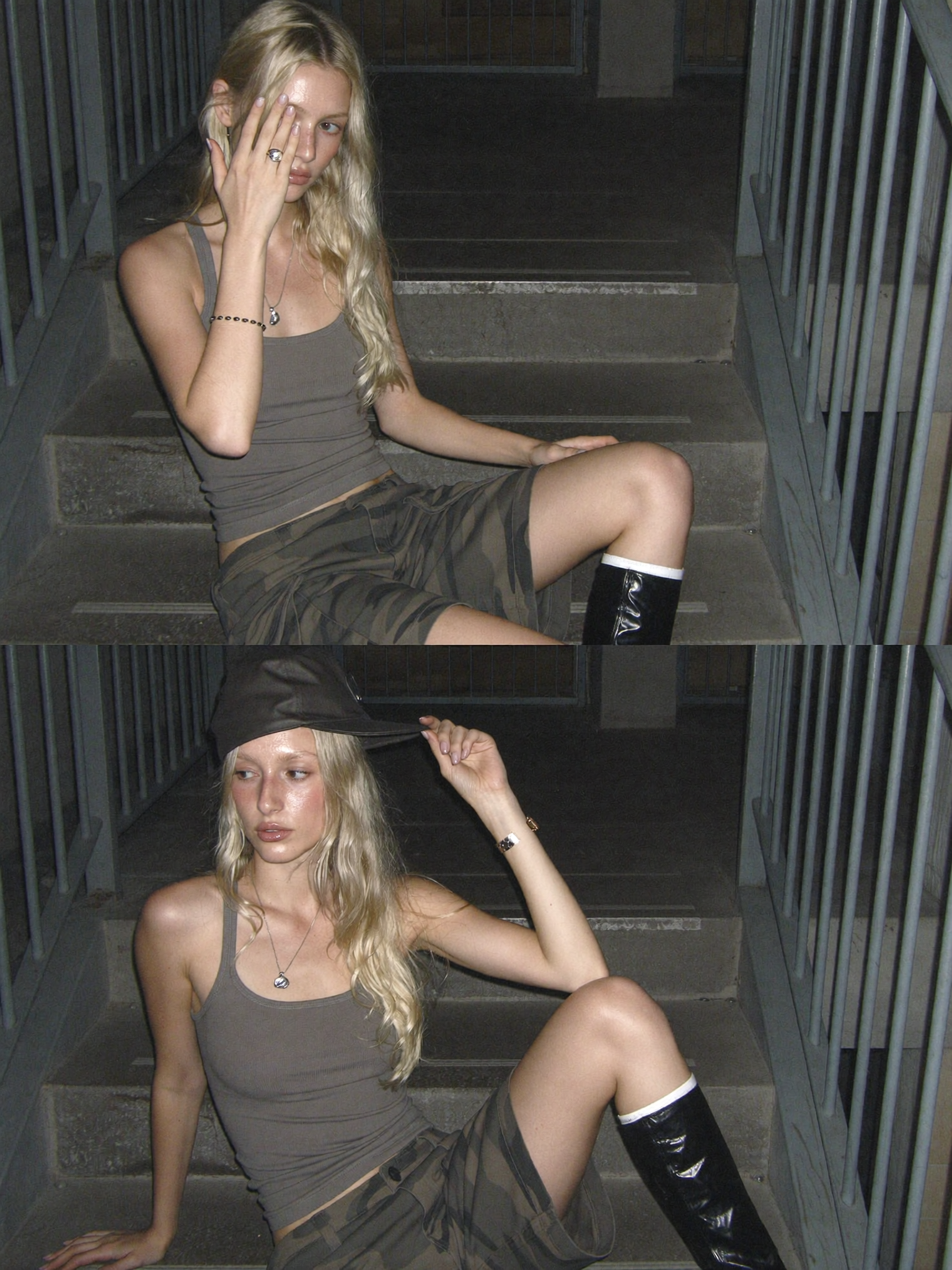
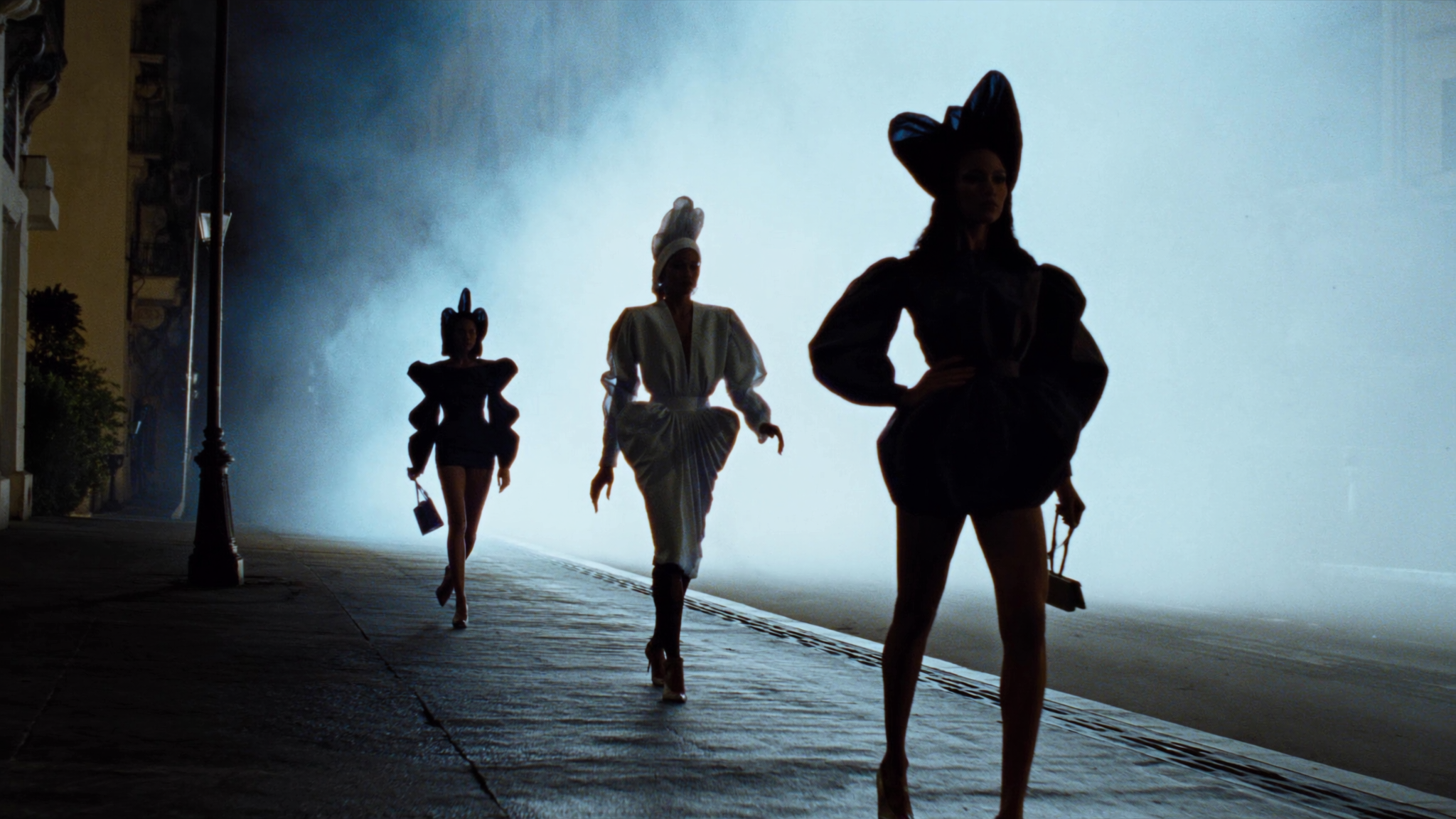
AI director agents are quietly changing how video gets made. Instead of typing a one-line prompt and hoping for the best, you hand a creative brief to a system that understands shot lists, camera movement, scene structure, and continuity. The result is not just a clip that looks good; it is a sequence that reads like a story. This guide explains what an AI director agent actually does, why cinematic shot design and script structure matter more than ever for generated video, and how to build a practical production workflow around them.
What an AI Director Agent Actually Does
Think of an AI director agent as the bridge between a raw text prompt and a finished filmic sequence. A standard image or video generator takes a description and produces a plausible frame. A director agent goes further: it decomposes your goal into shots, assigns each shot a purpose, chooses the camera language, and checks that the pieces hang together narratively.
In practice this means several distinct jobs:
- Interpreting intent. You describe a scene, a mood, or a plot beat, and the agent translates that into concrete visual parameters.
- Building a shot list. Instead of one giant prompt, it plans a series of shots: wide establishing, medium action, close-up reaction, insert detail.
- Choosing camera movement. It decides when a dolly-in, a pan, a handheld shake, or a locked-off static frame serves the story.
- Managing continuity. It keeps character appearance, wardrobe, lighting direction, and color grading consistent across shots.
- Allocating the right model. Different effects are handled by different engines, and the agent picks the engine that fits each shot.
The important shift is from prompt engineering to directing. You are no longer fighting a model for one good frame; you are supervising a pipeline that treats your idea like a film treatment.
Why Shot Design and Script Structure Matter in AI Video
There is a reason people can tell a generic AI video from a professional one within seconds. It is rarely about resolution or model quality. It is about intent: every shot has a reason to exist, and the sequence builds tension, information, or emotion.
Content saturation is the real threat to any creator. Producing a video that is merely good is easy now; producing one that holds attention is hard. Cinematic knowledge is the differentiator. Shot design tells the viewer where to look, while script structure tells them why they should keep watching. An AI director agent effectively encodes both, so beginners can produce work that follows basic film grammar without studying cinematography for years.
There is also a practical efficiency angle. When every shot is planned before generation, you waste far fewer generations, tokens, and hours on rejected outputs. Planning is cheaper than re-rolling.
How the Agent Translates a Prompt into a Shot List
A typical workflow starts with a high-level goal: a 15-second product teaser, a 30-second character scene, a documentary-style explainer. The agent then expands that goal into a structured breakdown.
First it asks about the core action. What happens, to whom, and where? From that it derives a three-beat structure: setup, escalation, payoff. For a product teaser, that might be a clean hero shot, a dynamic feature close-up, and a final branding frame. For a character scene, it might be an establishing shot of the environment, a medium shot of the character entering, and a close-up that reveals emotional state.
Each beat gets assigned camera grammar. Wide shots establish geography. Close-ups deliver emotion or detail. Tracking shots communicate movement and energy. Static frames convey stability or tension. The agent also flags transitions: hard cuts for pace, match cuts for association, fades for time passing.
The output is a shot list you can review before any generation happens. This is the crucial advantage. You can approve, reorder, or delete shots while the cost is still near zero.
Choosing the Right Video Model for Each Effect
No single model is best at everything. Photorealism, stylization, motion physics, and character consistency are different strengths, and the director agent's real value is knowing which engine to invoke for which shot.
For photorealistic product and cinematic footage, the Flux family and Runway Gen-4 are strong choices. They handle fine texture, lighting, and camera movement well, which matters for commercial and advertising work. For highly dynamic action, Sora-class models excel at complex physical motion and long coherent sequences. For stylized or animated looks, models like Kling and Luma Ray 2 offer distinctive aesthetics and strong prompt adherence.
A practical selection strategy looks like this:
- Hero product shot: prioritize texture and lighting fidelity; pick a photorealistic model.
- Action sequence: prioritize motion physics; pick a model known for dynamic movement.
- Character dialogue: prioritize consistency; use a model with strong multi-reference support.
- Stylized brand look: prioritize aesthetic adherence; pick a model that matches the art direction.
The agent should also handle the seams: when one shot uses a different engine than the next, it must reconcile color grading and style so the sequence still feels like one piece of work.
Pre-Production Automation: Storyboards and Pre-Viz
Storyboards have always been the cheapest way to test a film idea, and AI has made them nearly free. A director agent can generate a storyboard directly from the script: one frame per shot, annotated with camera movement and timing.
Pre-visualization, or pre-viz, goes one step further. Instead of static frames, you get rough animated versions of key shots, which lets you check pacing and blocking before committing to expensive full-quality renders. This is where most production problems surface, and it is far better to find them here than after hours of generation.
For an independent creator this changes the economics of video. A treatment that once required a crew, locations, and a shooting schedule can be pre-visualized in an afternoon. The creative decisions remain yours; the mechanical labor is automated.
First-to-Last Frame Control and Resource Planning
One of the least discussed but most valuable capabilities of modern pipelines is first-to-last frame control: locking the first frame and the last frame of a shot so the model fills in the middle consistently. This is how you guarantee a shot starts where the previous one ended and ends where the next one begins.
You can think of it as keyframing for generative video. Define the start, define the end, and let the model interpolate. For character scenes this is the foundation of continuity: the actor looks the same, wears the same clothes, and stands in the same room from shot to shot.
There is a resource-planning dimension too. High-fidelity models cost more per generation, so a smart workflow spends the expensive renders only where they matter: hero shots, final passes, and shots with visible detail. The rest can use lighter models. A director agent that understands this can cut your generation budget substantially while keeping the perceived quality high.
A Practical Workflow for Your Next Project
Here is a workflow you can adapt to almost any AI video project:
- Write a one-paragraph brief. State the audience, the goal, and the feeling the video should create.
- Ask the agent for a shot list. Review it shot by shot. Delete anything that does not serve the goal.
- Approve a storyboard. Check pacing, framing variety, and transitions before generating anything expensive.
- Select models per shot. Match the engine to the job: photorealism for hero shots, motion-focused models for action, consistency-focused models for characters.
- Lock keyframes. Define first and last frames for every shot that must match its neighbors.
- Generate, then review as a sequence, not as single clips. Continuity problems only show up when shots sit next to each other.
- Fix problem shots selectively. Re-generate only the failing shot, not the whole sequence.
- Do a final pass on sound. Music, voice, and effects do more for perceived quality than almost any visual tweak.
Common Mistakes and How to Avoid Them
The most common mistake is treating the agent like a search engine: describe something, take the first result, move on. The value is in the back-and-forth of planning, reviewing, and refining the shot list.
The second mistake is ignoring continuity across models. Mixing engines without reconciling style produces a sequence that feels like a collage. Lock keyframes and grade consistently.
The third is overusing expensive models. If every shot is a premium render, your budget disappears and your iteration rate collapses. Reserve premium passes for hero shots and final output.
The fourth is forgetting sound. A visually stunning reel with silent or mismatched audio reads as unfinished. Plan music and voice from the start, not after export.
Case Study: Planning a 15-Second Product Teaser
Let us walk through a concrete example. Suppose the goal is a 15-second teaser for a new wireless earbud, aimed at social platforms, with a premium feel. Without a director agent, you would write a prompt like "sleek earbuds product video, premium, dark background, glowing accents" and iterate dozens of times, hoping the model stumbles onto something usable.
With a director agent, the brief expands into a plan:
- Shot one, zero to three seconds: a wide, dark studio shot with the charging case centered and a slow push-in. Purpose: establish the product and the mood. Model choice: photorealistic, texture-heavy engine.
- Shot two, three to eight seconds: a macro close-up of the earbud being placed in the case, with a soft rim light. Purpose: show the detail and the satisfying fit. This is the hero shot, so it gets the highest-fidelity model and the most iteration budget.
- Shot three, eight to twelve seconds: a low-angle tracking shot of the product against a gradient background with subtle motion blur. Purpose: communicate premium motion.
- Shot four, twelve to fifteen seconds: a locked-off final frame with the product name overlaid. Purpose: brand retention.
Each shot has a defined camera move, a defined purpose, and a defined model priority. Before generating anything, you review the shot list, cut shot three if the budget is tight, and approve. Then the agent generates storyboard frames for each shot, and you approve those too. By the time you spend any serious compute, the creative decisions are already made.
The difference in outcome is not subtle. The manual path produces a random selection of product shots that may not cut together. The directed path produces a sequence with a beginning, a middle, and an end, built to hold attention for exactly fifteen seconds.
Comparing the AI Director Approach with Manual Prompting
It helps to be explicit about what changes when you adopt a director-style workflow.
- Planning: manual prompting starts with the prompt; the directed workflow starts with the shot list. The prompt becomes the last thing you write, not the first.
- Iteration: manual iteration re-rolls the whole image; directed iteration re-generates only the failing shot, against the same reference frame.
- Consistency: manual prompting relies on the model remembering the description; the directed workflow locks references, keyframes, and grading.
- Budget: manual workflows spread expensive generations evenly, wasting premium renders on throwaway shots; directed workflows concentrate spend on hero shots.
- Review: manual review looks at single images; directed review looks at sequences, which is where continuity problems actually appear.
- Learning: manual prompting teaches you to fight a model; directed workflows teach you film grammar, a transferable skill.
None of this means the human disappears. Every decision above comes from you: which shots matter, which model is worth the premium, when the sequence works. The agent removes the mechanical labor, not the judgment.
FAQ
Does an AI director agent replace a human director?
No. It automates mechanical planning and removes grunt work, but taste, judgment, and story decisions still come from you. It is a copilot, not a replacement.
Do I need to learn cinematography to use one?
Basic shot grammar helps, but the agent handles most of it. You can learn by reviewing the shot lists it proposes and noticing what works.
Which models should I start with?
Start with one strong photorealistic model and one stylized model. Learn their strengths, then expand. Trying to master ten models at once slows you down.
How do I keep characters consistent across shots?
Lock reference images, use multi-image fusion where available, define first and last frames, and generate shots in sequence rather than in isolation.
Is AI video production cost-effective for small creators?
Yes, especially when you plan before generating. Storyboards and pre-viz cost almost nothing, and they prevent wasted premium renders.
How does the cost compare with manual prompting?
It usually comes out lower, because planning happens before any expensive generation. The savings come from fewer rejected renders and from concentrating premium passes on the shots that matter. A directed pipeline spends most of its budget on hero shots; a manual pipeline spends it evenly, which means wasting it.
What if I only need a single clip, not a sequence?
The workflow still helps. Define the one shot's purpose and camera move, generate a storyboard frame to check the composition, then render the final. Even a single clip benefits from deciding what the camera should do before the model does it for you.
Conclusion
The shift from prompting to directing is the real story of AI video in 2025. Tools that plan shot lists, enforce continuity, and allocate models intelligently do not just save time; they raise the ceiling of what an individual creator can produce. The discipline still matters: a clear brief, a reviewed shot list, and consistent keyframes will always beat raw generation volume. Start small, plan every shot, and let the agent handle the mechanics while you focus on the story.
