

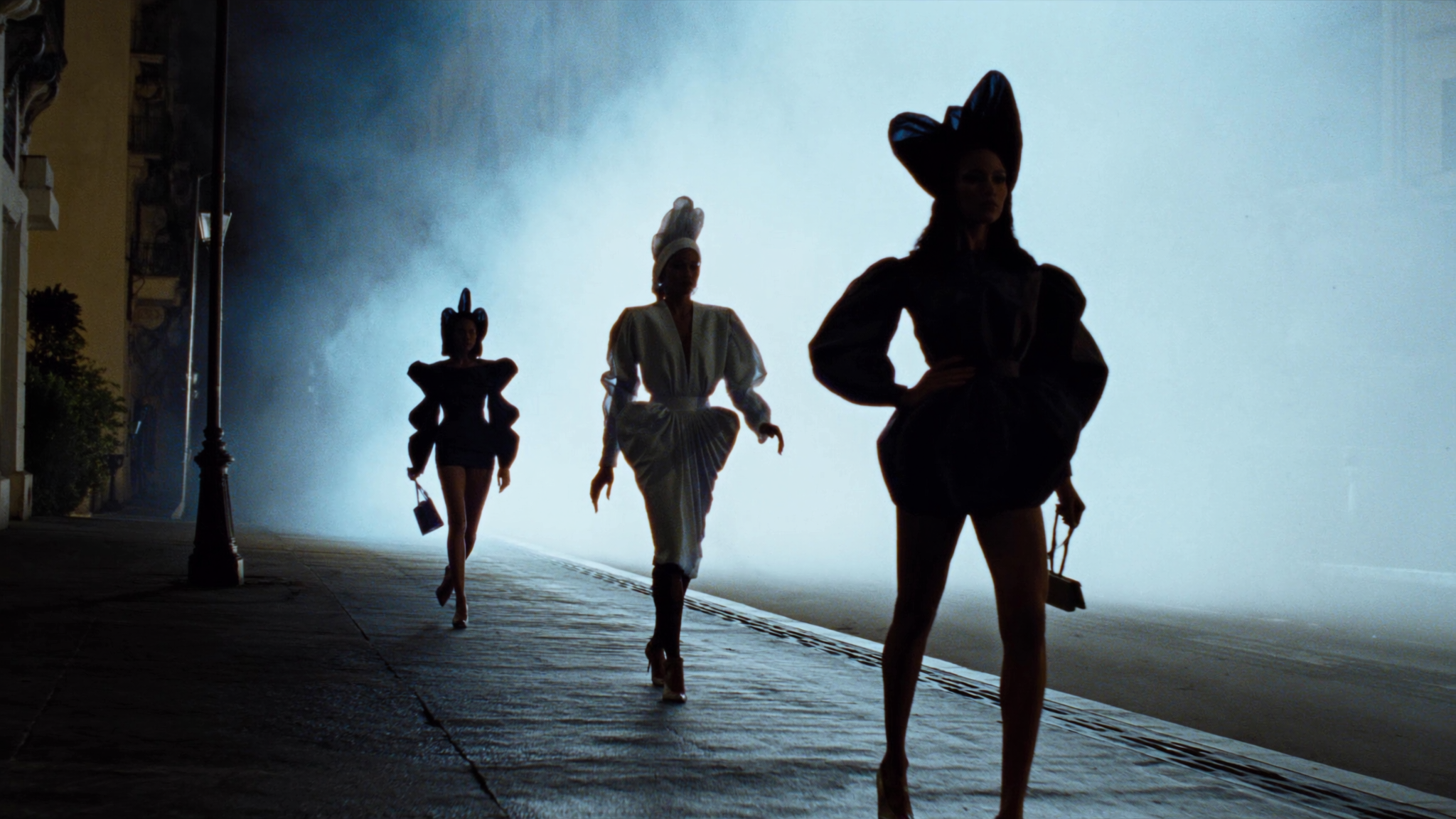
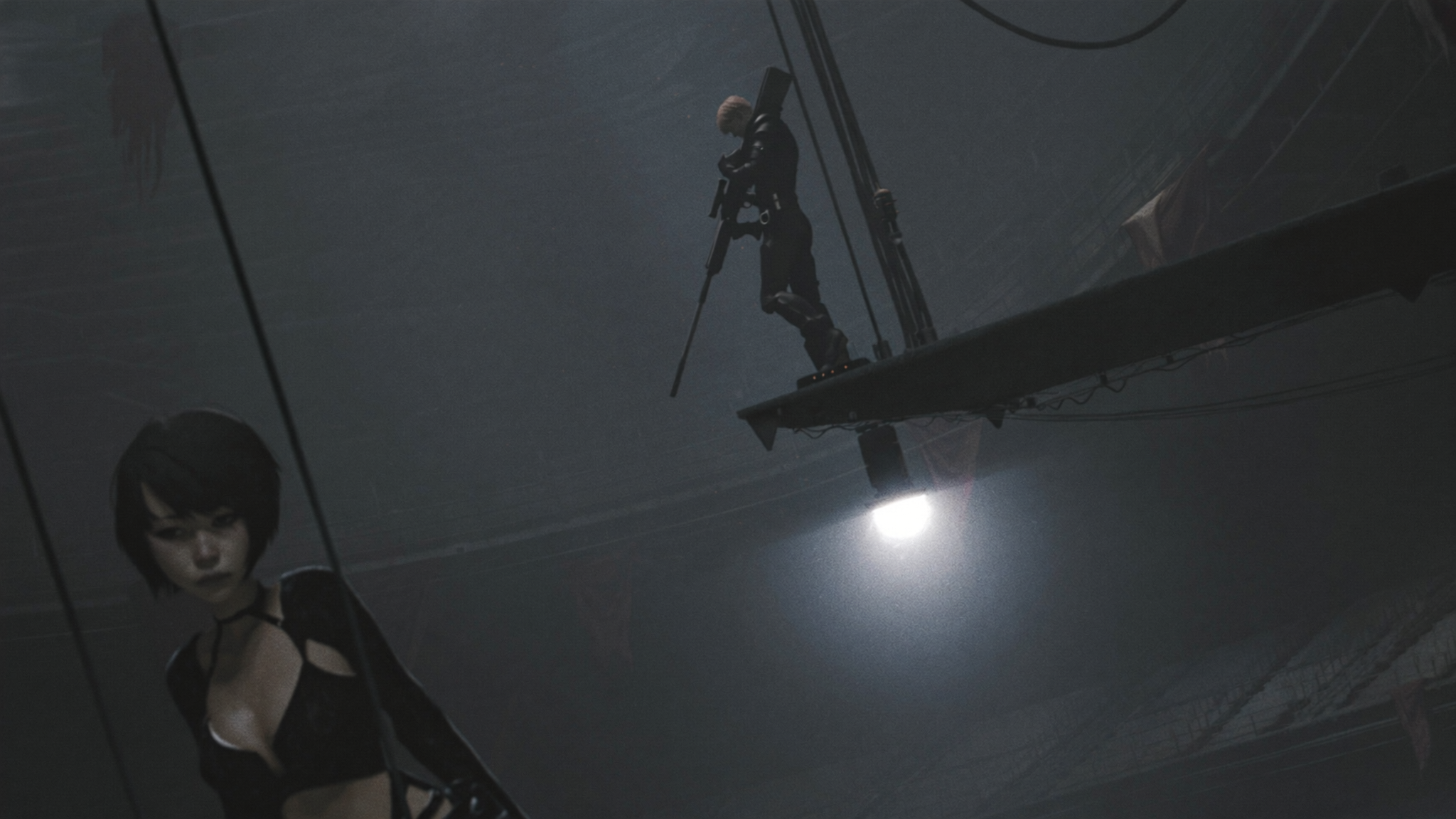
One of the most useful shifts in AI video production is the rise of the director assistant — a tool that understands cinematic language and turns your creative intent into precise shots, sequences, and story structures. Instead of writing long, technical prompts full of camera jargon, you describe what you want conceptually, and the assistant translates it into the shot list, framing, and narrative flow that a generation model can execute. This guide explains how these assistants work, where they save real time, and how to build a complete creative workflow around them.
What an AI Director Assistant Actually Does
A director assistant sits between your idea and the video model. It is trained on film grammar: shot sizes, camera movement, lighting conventions, pacing, and narrative structure. When you describe a scene in plain language, it breaks the scene into concrete visual directions — a wide establishing shot, a medium two-shot, a close-up on a reaction — and prepares the prompts that a generative video model needs to produce those shots.
The practical benefit is consistency and speed. Humans who know cinematography get better results from generative tools, but that knowledge is scarce. A director assistant encodes enough of that knowledge to bring the average creator much closer to professional framing decisions. It also removes the trial-and-error of prompt writing, because the assistant has already learned which phrasings reliably produce which kinds of shots.
Think of the assistant as a first draft of direction. You bring the story and the taste; the assistant brings the grammar. The collaboration is iterative: you react to its suggestions, it refines its output, and the two of you converge on a plan that is more detailed than you would have written alone and more intentional than the tool would have produced on its own.
From Concept to Scene: Building a Visual Narrative
The first job of a director assistant is helping you structure a story. Most short-form videos fail because they are a collection of attractive images rather than a sequence with a point. A good assistant will ask for, or derive, a story arc: an opening that establishes context, a complication or turn, and a resolution.
For longer projects, classic structures still apply. A three-act shape — setup, confrontation, resolution — works for everything from a 60-second brand spot to a five-minute short film. The assistant's role is to map your beats onto scenes and make sure each scene has a clear function in the overall arc. If a scene does not advance the story or reveal character, it should be cut or compressed, and the assistant can flag those weak spots during planning rather than after you have generated hours of footage.
Shot Composition and Camera Language Without Film School
You do not need a film degree to direct AI video, but you do need a working vocabulary of shots and their emotional effects. A director assistant supplies this vocabulary when you need it.
Wide shots establish location and scale. Medium shots carry dialogue and action naturally. Close-ups deliver emotion and detail. POV shots put the viewer inside a character's perspective. Low angles make subjects feel powerful; high angles make them feel vulnerable. Camera movement adds its own meaning — a slow push-in builds tension, a handheld feel adds urgency, and a dolly zoom communicates disorientation.
The useful trick is to think about what each beat of your story needs emotionally, and let that dictate the shot. An assistant can suggest the shot language for a beat if you describe the feeling you want the audience to have. Over time, you internalize the pattern and start making these calls yourself.
In practice, write the shot list out longhand before generating. For each beat, write the shot size, the angle, the movement, and the duration. A written shot list forces decisions and makes the project reviewable — you can check whether the sequence has variety and whether each shot earns its place. It also becomes the document you hand to the assistant, which keeps the planning conversation honest and the generation targeted.
Keeping Characters and Worlds Consistent
The single biggest technical challenge in AI video is consistency. A character should look identical in shot three and shot twelve; a location should not morph between scenes. Director assistants handle this by working with reference images and locked style parameters.
The standard approach is to build a visual reference set before generating: a character sheet showing the same character from several angles and in several outfits, plus a location sheet for key environments. The assistant then references these images in every prompt, so each shot inherits the same identity. The same logic applies to products, brand mascots, and recurring props.
Consistency also extends to style. Color palette, lighting direction, lens feel, and film grain should be locked across the project. Decide these once, encode them as a style block, and reuse that block in every generation. This is what separates a project that looks like a film from a project that looks like a slideshow of unrelated clips.
Consistency also protects your time. When a project uses a locked reference set, a failed generation is cheap to recover from — change one parameter and rerun. Without it, every failure forces you to rebuild the scene from scratch, and failures compound as the project grows. The reference set is insurance against the most expensive failure mode in generative video, and it costs ten minutes at the start of a project.
Writing Prompts That a Director Assistant Can Turn Into Shots
Even with an assistant, the quality of your input determines the quality of the output. A strong creative brief contains six elements: the subject, the action, the camera, the lighting, the mood, and the duration.
Weak prompt: "A woman walking in a city at night."
Strong prompt: "A woman in a dark trench coat walks through a rain-soaked neon street, medium tracking shot from behind, shallow depth of field, cool blue and magenta lighting, moody and cinematic, six seconds."
The assistant's value is that it can generate this level of specificity from a simple description, but you still need to make the creative decisions — what the subject does, how the scene should feel, and what the audience should take away. The prompt is the script for the camera; the assistant is the camera operator.
A Step-by-Step Creative Workflow
A repeatable workflow for a short AI-directed video looks like this:
- Write a one-sentence logline. If you cannot summarize the video in one sentence, the idea is not clear enough to produce.
- Break the logline into three to five story beats. Each beat is one scene or one visual idea.
- Assign a shot to each beat. Wide, medium, close, POV, or movement — choose based on the emotion the beat needs.
- Build the reference set. Character sheets and location sheets before any generation begins.
- Generate scene by scene, not all at once. Review each scene for consistency and quality before moving on.
- Assemble and iterate. Cut the weak scenes, tighten pacing, and regenerate only the shots that fail.
Budget your iteration time deliberately. A common mistake is polishing one scene to perfection while the rest of the video is rough. Work through all scenes at a consistent quality level first, then spend the remaining iteration budget on the scenes that matter most — usually the opening and the payoff. A video where every scene is good and two scenes are excellent outperforms a video with one perfect scene and several weak ones.
When an AI Director Helps Most
Director assistants earn their keep in projects with many shots and strict consistency requirements: brand commercials, product launches, faceless content channels, explainer series, and anything with a recurring character. They also shine in pre-production, where a director can test visual approaches without spending money on a shoot.
For hyper-stylized work where you want total control — experimental pieces, tightly art-directed campaigns — the assistant may feel restrictive. In those cases, treat it as a reference tool rather than an autopilot, and override its suggestions freely.
Limits and How to Work Around Them
Director assistants are not infallible. They can suggest shots that a given model cannot execute well, and generative models still struggle with fast complex motion, fine hand detail, and long sequences. The workaround is a review pass after every generation: check the character's face, the object physics, and the continuity with the previous shot. Regenerate failures immediately while the scene is fresh, and keep a checklist of the failure modes that your chosen tools exhibit so you catch them faster next time.
Adapting the Workflow to Different Video Types
The director workflow is not one-size-fits-all; it adapts to the kind of video you are making. For a brand commercial, the emphasis is on the reference set and locked style, because the client needs the product to look identical across every shot. For an explainer, the emphasis is on the story arc and pacing, because the value is in the clarity of the sequence. For a character-driven short film, the emphasis is on the character sheet and the emotional beats, because the audience needs to care about the person on screen.
The planning conversation changes accordingly. A commercial starts with the product's key features and the feeling the brand wants to project. An explainer starts with the question the viewer needs answered and works backward to the visuals. A short film starts with the character's want and the obstacle. When the starting point is clear, the assistant's shot suggestions fall into place; when it is vague, every suggestion feels arbitrary.
Reviewing Generated Work Like a Director
The review pass is where craft shows up. Watch each generated scene at least twice: once for the overall impression and once for technical consistency. On the first pass, ask whether the scene does its job in the story — does it advance the narrative or reveal character? On the second pass, check the details: the character's face, the continuity with the previous shot, the lighting, and the motion.
Keep a review log. Note what failed and what fixed it: "hand collapsed in shot four — added explicit hand description and reduced speed," or "lighting shifted between scenes — locked the light direction in the style block." After a few projects, the log becomes a personal manual for your tools, and review time drops because you recognize failure modes immediately.
FAQ
Do I need to know cinematography to use a director assistant?
No. The assistant supplies the cinematography. You supply the story and the decisions about how it should feel. That said, learning basic shot vocabulary makes your direction sharper and your reviews faster.
Can an AI director assistant write the script for me?
It can structure beats and suggest transitions, but the story idea, the characters, and the emotional intent are yours. Assistants work best when you bring the creative spark and they bring the production logic.
How long does a directed AI video project take?
A polished 30-second brand spot, using reference sets and scene-by-scene generation, typically takes a few focused hours of work. Iteration time depends on how quickly you review and how consistent your reference set is.
What is the difference between a director assistant and a video generation model?
The model produces pixels. The director assistant decides what to produce — the shots, the sequence, the framing, and the visual language. You need both, but they solve different problems.
How many scenes should a short project have?
Three to five scenes is a comfortable range for a 30- to 60-second video. More scenes multiply the consistency work, so scale up only after the reference system is reliable.
What if the assistant suggests a shot the model cannot execute?
Ask for an alternative with the same intent. A wide shot and a crane shot may both establish a location; the one the model executes well is the one that wins.
Is this workflow only for professionals?
It is for anyone who wants intentional videos rather than random generations. Hobbyists, small business owners, and solo creators benefit the most because it compresses years of filmmaking learning into one tool.
