
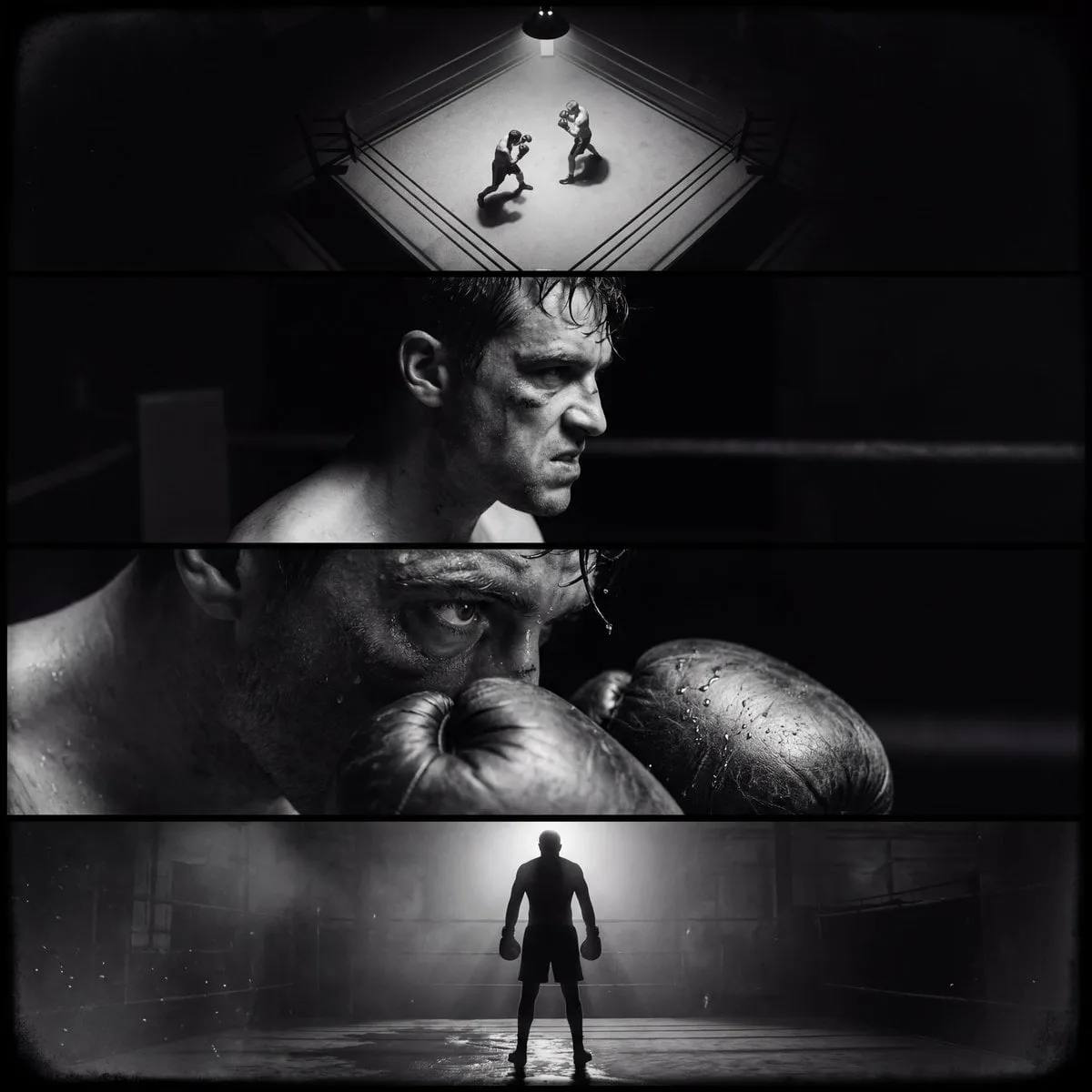
The tools of filmmaking have changed faster in the last few years than in the previous fifty. Anyone can now generate a video clip from a sentence, and the results keep getting more impressive. Yet there is a strange gap between raw AI output and actual film. A generated clip can look cinematic and still feel aimless, because it has no directorial intent behind it: no reason for the close-up, no logic to the camera move, no arc to the scene. This is the gap that AI director agents are designed to close.
This article explains what an AI director agent does, how it changes the way shots are designed and stories are structured, and how you can integrate it into your own production workflow. The goal is practical: by the end, you should be able to sketch a scene, hand it to a director agent, and get back a shot plan that a human editor can execute with video models.
What an AI director agent actually does
A director agent sits between your creative intent and the generative models that produce the images. It does not replace the models; it tells them what to do and why. Instead of writing raw prompts and hoping for the best, you describe the story, and the agent translates that story into concrete production decisions: which shots to create, in what order, with what framing, and with what emotional continuity.
Think of it as a layer of craft. The underlying video models are excellent at rendering individual moments, but they know nothing about storytelling. A director agent brings structure: it knows that a scene needs an establishing shot before a close-up, that a character's entrance should be earned, that the pacing of cuts affects tension. These are directorial instincts encoded into software.
This separation matters because it makes the creative process repeatable. When your intent is captured as a structured plan rather than scattered prompts, you can regenerate shots, change models, or extend a scene without losing the through-line. The agent becomes the memory of your production.
Scene composition and cinematographic advice
One of the first things a director agent does is break a scene description into a shot list. Given "a detective enters the room and finds a message," it can propose an establishing shot of the room, a medium shot of the detective at the door, a close-up of the message, and a reaction shot. Each shot comes with a recommended camera angle, lens feel, and duration.
This is genuinely useful for people who have visual instincts but lack formal training. The agent encodes common cinematographic patterns: shot-reverse-shot for dialogue, insert shots for important objects, wide shots to establish geography, close-ups to build intimacy. You do not need to know the rulebook by heart; you need to recognize when a suggested pattern serves your story.
The output is not a verdict, it is a vocabulary. You can accept the plan, adjust individual shots, or override the agent entirely. The value is that every decision becomes visible and editable, instead of being buried in prompt experiments.
Keeping narrative structure coherent
Beyond individual shots, a director agent tracks the story across scenes. It can hold a summary of the plot, the character arcs, and the emotional trajectory, and use that context to keep the visual output consistent with the narrative. This is where most raw workflows collapse: scene ten has no memory of scene one.
Consistency here means two things. Visual consistency: the same character looks the same, the same location feels the same, the color palette stays coherent. And narrative consistency: the events shown match the script, the emotional beat of each scene fits the arc, and nothing contradicts what came before.
A director agent helps with both because it maintains a structured state between generations. It remembers the character sheets, the scene summaries, and the style decisions. When you move to the next scene, it applies the accumulated context automatically, which is exactly what a human assistant would do on a real set.
From creative intent to model parameters
The hardest part of working with generative models is translating what you imagine into what the model understands. A director agent bridges this translation layer. From your description, it derives the technical parameters that video models need: the shot size, the camera movement, the lighting direction, the style, the duration, the aspect ratio.
This removes a huge amount of trial and error. Instead of iterating on cryptic prompt phrasing, you adjust your creative description, and the agent updates the parameters. You say "make the scene more tense," and the agent responds by suggesting tighter framing, faster cuts, and a darker palette. The negotiation happens in creative language, not in technical syntax.
None of this works perfectly out of the box. The agent's suggestions are based on learned patterns, and unusual stories still require human intervention. But the division of labor is right: you bring the vision, the agent brings the craft knowledge, and the models bring the rendering.
How AI directors fit into pre-production
Pre-production is where directorial tools deliver the most value. Storyboarding, shot listing, and visual planning are traditionally slow and expensive; AI director agents compress them into minutes.
A typical pre-production session looks like this: you write a one-paragraph concept, the agent expands it into a scene breakdown, then into a shot list, then into a visual storyboard with reference frames. Each level is editable, so you can review the structure before spending any generation budget on final footage. Most of the expensive mistakes happen upstream; catching them in the storyboard saves real money.
The storyboard also becomes a communication tool. Producers, clients, and collaborators can react to concrete frames instead of abstract descriptions. Changes are cheap at this stage, and the agent keeps every version, so nothing is lost when the plan evolves.
Working with multiple video models
No single model is best for every shot, and a director agent helps you use the right engine for the right moment. Realistic scenes, animated sequences, stylized transitions, and close-up detail work all benefit from different strengths.
The agent can suggest a model per shot based on the requirements it has derived: a model known for physical motion for the chase scene, a stylized model for the dream sequence, a detail-focused model for the close-up. You can override the suggestions, but the starting point is much better than a one-size-fits-all choice.
This multiplies your production options without multiplying your workload. The same shot list can be executed on different models for comparison, and the agent keeps the creative parameters consistent across all of them. That consistency is what makes multi-model pipelines manageable.
A practical workflow for your next short film
Here is how to run a short film project with a director agent, from concept to footage.
- Write the concept. One paragraph: what happens, who is involved, how it should feel.
- Generate the breakdown. Let the agent expand it into scenes, then edit until it matches your intent.
- Build the shot list. Review the suggested shots, adjust the ones that feel wrong, delete what you do not need.
- Approve the storyboard. Generate reference frames and use them to align the team and the client.
- Execute per shot. For each shot, let the agent derive the parameters, then generate with the suggested model.
- Check continuity. Use the agent's context state to verify that characters and locations remain consistent.
- Assemble and refine. Edit the shots together, adjust pacing, and regenerate only the shots that fail.
The pattern is always the same: describe, structure, visualize, generate, verify. The more you repeat it, the faster it gets, because the agent's context state carries forward and your own taste sharpens.
What AI direction still cannot do
It is worth being clear about the limits. An AI director agent has patterns, not intuition. It cannot feel the difference between a scene that is dramatically right and one that is merely correct. It does not understand subtext the way a human director does, and it cannot improvise when a performance surprises you.
It also depends entirely on the quality of your input. A vague concept produces a vague plan. The craft of directing still begins with you: the decision to tell this story, in this way, with these characters. The agent amplifies your intent; it does not create it.
Finally, the technology is young. Suggestions are sometimes conventional, sometimes wrong, and always worth questioning. Treat the agent as a brilliant assistant with no ego, not as an authority. The best productions will be the ones where humans and agents argue productively.
A worked example: one scene, end to end
To make this concrete, here is a small project: a single dramatic scene in which a messenger arrives at a camp at dusk. The concept is one sentence: a tired rider brings news that changes everything.
The agent expands this into a breakdown: an establishing shot of the camp at dusk, a wide shot of the rider approaching, a medium shot as he dismounts, a close-up of his face, and a final shot of the group reacting. Each shot gets a suggested camera move and duration. You approve the list, then generate a storyboard with reference frames.
During execution, the agent keeps the character sheets consistent: the rider's cloak, the horse, the camp's color palette all match across shots. When you decide the scene feels too slow, you ask for tighter pacing, and the agent responds with shorter durations and faster cuts. The whole scene, from concept to a first assembled cut, takes an afternoon instead of a week.
The example is small, but it shows the pattern: the agent handles the craft layer, and you direct the choices that matter.
How to evaluate a director agent
Before you commit to a tool, run a short evaluation. Give it the same scene in two very different versions, for instance a quiet dialogue and an action sequence, and compare how it plans the shots. Does it adapt its approach, or does it use the same pattern for everything?
Test the consistency layer with a two-character scene: does the plan keep both characters distinct and stable? Test the translation layer with a vague description: does the agent ask clarifying questions or silently guess? And test the override layer: can you reject a suggestion without the tool fighting you?
No agent will pass every test perfectly, but the evaluation reveals what kind of collaborator it is. Choose the one that amplifies your way of working, not the one with the most impressive demo reel.
FAQ
Do I need to know cinematography to use an AI director agent?
No, but it helps. The agent encodes common patterns, so you can produce competent shot lists without formal training. Knowing the basics of framing and editing still helps you judge and override its suggestions.
Does this replace a human director?
Not for meaningful work. The agent handles structure, consistency, and technical translation, but the creative vision, taste, and judgment remain human. Think of it as a tool that multiplies a director's reach, not a substitute for one.
Can I use it with my existing video model subscriptions?
In most cases, yes. Director agents work as a planning and parameter layer above the models. You export the shot plan and execute it with the tools you already use, or use a platform that integrates both.
How much time does it actually save?
The biggest savings are in pre-production and in regeneration. A shot list that takes days by hand takes minutes with an agent, and catching continuity problems before generation saves hours of rework. The exact amount depends on the project size.
What should I prepare before starting?
A clear concept, reference images for your main characters, and an honest answer about the emotion you want the audience to feel. The better this input, the more useful the agent's output.
Is the shot plan copyrightable as my own work?
The plan is a tool output; the creative choices you make remain yours. If the arrangement of shots is original and reflects your direction, you can treat it as your production document. Check the terms of the specific tool for details.
How much does an AI director agent cost to run?
It depends on the tool and the volume. Some are bundled into platform subscriptions, others charge per plan or per generation. Compare the total cost of a full short project, including iteration, before choosing.
Do director agents work with still-image models too?
Some do. If the agent can produce a shot list and storyboard frames, you can execute the same plan with image models for look development before moving to video. This is a useful hybrid workflow for pitches and concept work.
The most exciting development in AI filmmaking is not a better renderer; it is the layer of craft that turns renders into films. Director agents bring structure, consistency, and cinematographic knowledge to a medium that was until recently a playground of isolated clips. Use them to plan more, waste less, and keep your story intact from the first sketch to the final cut. The tools know the rules; you are the one who decides what the story is about.
