
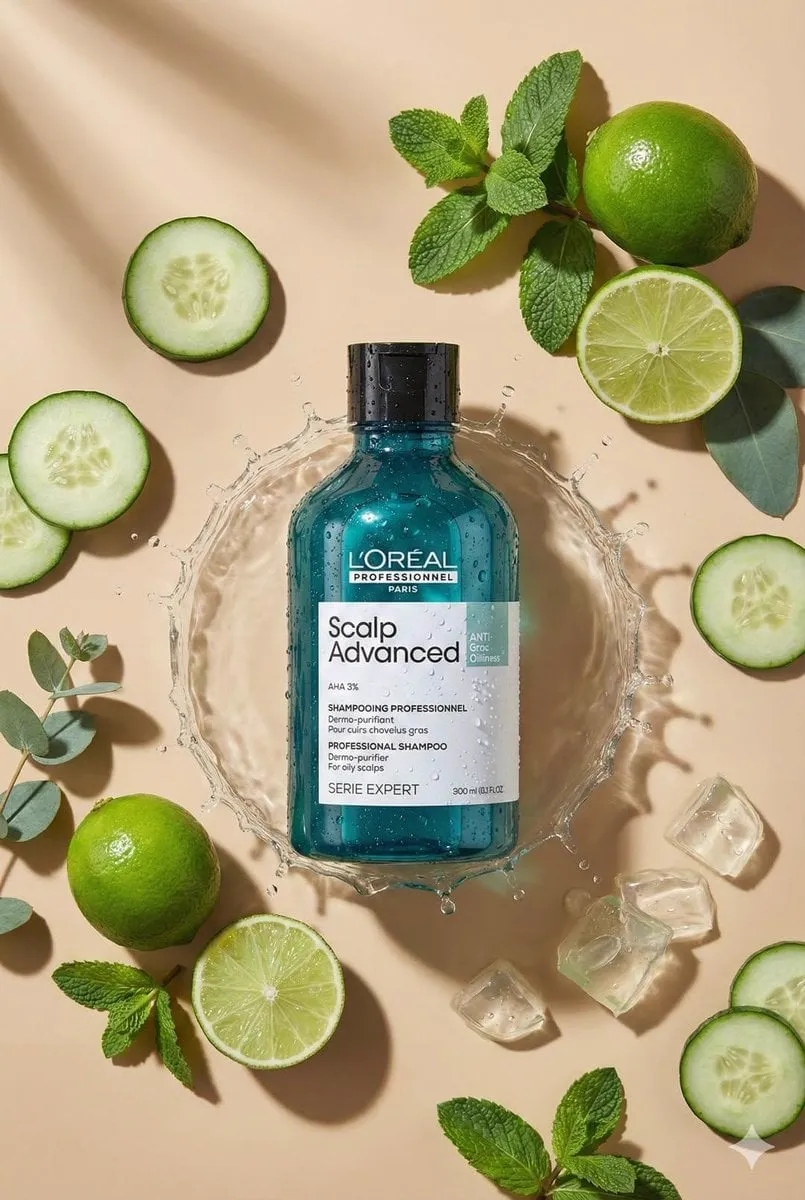


Online shoppers decide in seconds. Before reading a description, before checking reviews, they look at the product image and make a snap judgment about quality, trust, and desire. That makes visual content one of the highest-leverage investments an e-commerce brand can make. Artificial intelligence has changed what is possible here: brands can now produce photorealistic product imagery, lifestyle scenes, and even video demos at a fraction of the traditional cost. This guide explains how to turn AI visuals into measurable sales growth.
Why visuals decide e-commerce success
In physical stores, customers can touch, try, and compare products. Online, the image is the product. A listing with weak visuals loses to a competitor with strong ones regardless of cost or features. Studies consistently show that high-quality imagery improves click-through rates, time on page, and conversion rates, while poor images are one of the most common reasons shoppers abandon a purchase.
The challenge is scale. A catalog with hundreds of SKUs needs dozens of assets per product: hero shots, angles, lifestyle scenes, size references, seasonal variations, and advertising creatives. Traditional photoshoots cost thousands of dollars per session and take weeks to schedule. AI production compresses that timeline to days or even hours.
What AI brings to product visualization
Modern generative models turn text prompts and reference images into realistic product visuals. For e-commerce, the practical applications fall into a few clear categories.
Hero images and studio shots
Instead of renting a studio, brands generate clean product shots on neutral or branded backgrounds. Models trained on commercial photography understand lighting, reflections, and materials well enough to produce images that look like catalog photography.
Lifestyle and context scenes
The biggest conversion driver is showing the product in use. AI can place a backpack on a mountain trail, a lamp in a cozy living room, or a skincare bottle on a bathroom counter, all with consistent lighting and color. These scenes are nearly impossible to produce at scale with traditional photography.
Video product demos
Generative video models add motion: a chair rotating to show all angles, a jacket rippling in the wind, a cosmetic product being applied. Short video clips in listings and ads dramatically increase engagement because they simulate the in-store experience of picking up and examining the product.
Model and mannequin photography
For apparel, AI can dress a model in your product or fit garments on a consistent model across the entire collection. This keeps the lookbook coherent while eliminating photoshoot logistics. Responsible use includes clear labeling when the imagery is AI-generated.
Keeping brand consistency at scale
Producing hundreds of assets is easy; producing hundreds of assets that look like one brand is the real skill. Consistency is what builds recognition and trust. Without it, a catalog looks like a collection of random stock photos.
Define a visual identity first
Before generating anything, document your brand's visual rules: color palette, lighting mood, background style, camera angle, and typography if text appears in the image. This becomes the reference that every generation follows.
Use reference images, not just text
Most professional workflows start from reference images. A single strong hero image can be used as a style anchor: the model transfers its lighting and composition to every new product. For repeated characters or models, keep a dedicated reference set.
Standardize prompts across the catalog
Create a prompt template with fixed style tokens and a variable slot for the product description. Every asset is generated from the same template, which dramatically reduces visual drift between products and between campaign batches.
Build a review workflow
AI output needs curation. Set up a simple pipeline where generated assets pass through a quick review checklist: product accuracy, brand colors, no distorted logos, correct proportions. The human review step is what keeps quality high even when volume is large.
A practical workflow for AI product content
The fastest way to start is with a repeatable process rather than ad hoc experimentation.
Building the visual production team
Even a small brand benefits from defining roles in the AI visual pipeline, so quality does not depend on one person's memory.
Art director: owns the style system, the reference pack, and the prompt templates. Every generation flows from their decisions. Producer: manages the shot lists, batches, iteration budgets, and deadlines. They keep the pipeline moving and stop scope creep. Reviewer: checks outputs against the brand rules and the product reality. Their job is to catch distorted logos, wrong colors, and broken proportions before anything is published. Analyst: tracks the metrics, click-through, conversion, and return rate, and feeds results back into the art direction.
In a one-person brand, you play all four roles, but keep them separate in your process: decide the style in one session, produce in another, review with fresh eyes, and measure after publishing. Separating the roles, even mentally, is what keeps quality consistent as volume grows.
Step 1: Prepare product references
Shoot or source one good image of each product on a clean background. If a product is new and has no photo, generate an initial image from the product description and verify its accuracy.
Step 2: Create the shot list
List every asset you need: hero, angle two, angle three, lifestyle scene one, lifestyle scene two, video clip, ad variant. For a new product launch, a shot list of six to ten assets is a solid starting point.
Step 3: Generate in batches
For each asset, run the generation using the brand template and the product reference. Batch work is more efficient than one-off generation because the style stays consistent within a session and you can compare variants side by side.
Step 4: Select and refine
Pick the best variant, refine weak spots (a distorted label, a wrong color), and regenerate only where needed. Do not accept obviously flawed output; a single bad image can damage trust in the whole listing.
Step 5: Test at scale
The real advantage of AI is the ability to A/B test visual variants cheaply. Generate two or three different hero images and rotate them in the listing to see which converts better. Let data decide the final creative direction.
Cost management without sacrificing quality
AI production has two costs: generation spend and human review time. Both can be controlled with discipline.
Match model power to the job
Premium video models are expensive; lightweight image models are cheap. Use the most powerful tools only for hero assets and ads, and use efficient models for high-volume catalog shots where the quality bar is lower. Many brands generate the bulk of their catalog with cost-efficient models and reserve premium models for key campaigns.
Set iteration budgets
Before a batch, decide how many attempts each asset gets. Two or three attempts per asset is usually enough when the prompt template is solid. Unlimited iteration wastes budget and time.
Automate the boring parts
Name files consistently, organize by product and asset type, and keep a log of prompts that worked. This seems trivial, but it saves hours on every future batch and makes the workflow reproducible by any team member.
Measuring the impact on sales
AI visuals only matter if they move the metrics that matter. Track these:
- Click-through rate on search and ad impressions: better thumbnails and images should lift CTR.
- Conversion rate on product pages: compare listings with new AI visuals against the previous versions.
- Return rate and customer complaints: consistent, honest imagery reduces mismatched-expectation returns.
- Ad cost per acquisition: stronger creatives often lower cost per result because they earn more engagement.
Set up a simple before-and-after comparison for one product category first. A small controlled test tells you whether to scale the approach across the catalog.
For a mature catalog, track asset performance per product: which hero image, which angle, and which lifestyle scene correlates with the highest conversion. Over time, this data tells you exactly which visual types to produce more of and which to retire.
Common pitfalls to avoid
Overpromising with the image
AI can make a product look better than reality. If the delivered item does not match the image, returns and negative reviews follow. Keep visuals honest: accurate colors, real features, no impossible claims.
Inconsistent model appearance
If your lifestyle scenes show a different model or style in every image, the brand feels disjointed. Use consistent reference characters across the whole campaign.
Ignoring platform requirements
Each marketplace has image size and format rules, and some require AI-generated content to be labeled. Check the requirements of every channel you publish on before generating, so assets are created at the right dimensions from the start.
Treating AI as a one-time experiment
The compounding benefit comes from building a repeatable system: templates, references, review checklists, and measurement. One-off experiments rarely justify themselves; a production system does.
FAQ
Do AI-generated product images convert as well as real photos?
In many categories, yes, especially for products that are easy to render accurately. For products where material quality is the selling point (fabric, jewelry, food), careful prompt work and human review are essential to reach photographic quality.
Is it legal to use AI product images in ads?
Generally yes, but disclosure rules vary by country and platform. Many marketplaces require labeling AI-generated content. Check the policies of each channel and your local advertising regulations.
Can AI replace my photographer?
For high-volume catalog work, often yes. For flagship brand campaigns that depend on art direction, a photographer or art director still adds significant value. The practical answer for most brands is hybrid: AI for scale, human craft for signature work.
How do I keep the product accurate in generated images?
Use a real reference image of the product as the anchor, and review outputs for label, logo, and proportion errors. For complex products, generate in small steps rather than expecting one perfect image.
What about video ads for e-commerce?
Short AI-generated video clips are among the highest-impact formats for paid social. Generate clips from the product reference and test them against static images; in many categories, motion wins on engagement and click-through.
How do I convince my team to move away from photoshoots?
Run a controlled test: take one product, produce an AI hero image and a video clip, and compare metrics against the existing photos for two weeks. Data is more persuasive than arguments about cost savings.
How do I handle seasonal campaigns with AI visuals?
Build a seasonal template library: store the prompt blocks and references for each major campaign, then regenerate the catalog quickly when the season changes. The heavy lifting happens once per template, not once per product.
Using AI visuals across the marketing funnel
AI product visuals are not just for the product page. The same asset system serves every stage of the funnel.
Search and marketplaces
Listings live on thumbnail quality. Generate consistent, high-contrast hero images that stand out in search results and marketplace grids. Test two or three thumbnails and let click-through data pick the winner.
Social and paid ads
Ads need variety to avoid creative fatigue. Generate multiple variants from the same product reference: different scenes, different copy overlays, different aspect ratios. A/B test the variants, and the winning combination becomes the template for the next campaign.
Email and lifecycle messaging
Welcome emails, abandoned-cart reminders, and post-purchase follow-ups all convert better with product imagery. Reuse the generated lifestyle scenes across these touches instead of shooting new ones for every campaign.
Reviews and social proof style content
Brands increasingly publish customer-style content: unboxing scenes, usage moments, comparison shots. AI-generated versions of these formats fill the gaps between real user-generated posts while keeping the catalog visually fresh.
The principle is the same everywhere: one product reference, one style system, many placements. Assets generated once serve the whole funnel, which is what makes the economics attractive.
Conclusion
AI has turned product imagery from a cost center into a growth lever. Brands that build a consistent, measurable visual production system can launch products faster, test creatives cheaper, and present their catalog more persuasively than competitors stuck with static photoshoots. Start with one product category, one prompt template, and one metric, then scale what works.
