
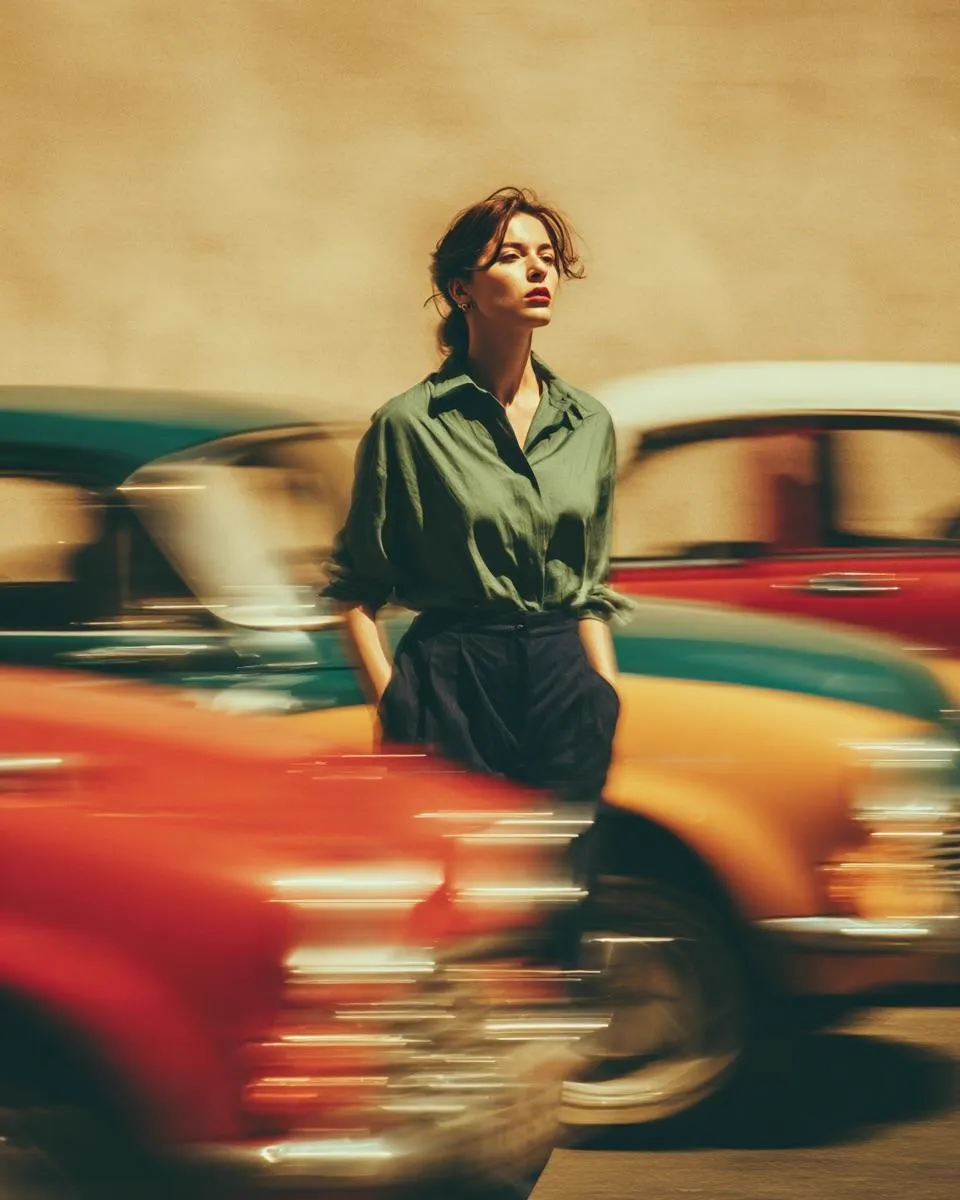
Cinematography has traditionally been the craft of expensive cameras, lighting rigs, and years spent on set absorbing the instincts of experienced directors of photography. For film students, that path is long and costly. Artificial intelligence now offers a remarkable shortcut: a way to learn and practice professional cinematography through simulation and guided experiment without renting a studio. This article shows how aspiring filmmakers can use AI to master the language of the camera, from composition and lighting to movement and visual style.
Learning cinematography in the digital age
The digital era has transformed storytelling, and cinematography is no longer restricted to those with access to costly equipment and decades of experience. Students can now realize cinematic visions with the assistance of intelligent tools that simulate the principles their instructors teach. The point is not that this replaces the classroom or the set; it is that it gives students a playground to experiment more quickly and more freely.
The AI-driven approach to video production is growing rapidly, and skills built on understanding these techniques translate directly into careers in the evolving industry.
The fundamentals every cinematographer masters
Composition and lighting
At the core of cinematography is the arrangement of elements within the frame and the way light sculpts them. Students learn composition rules such as the rule of thirds, leading lines, and framing that directs the eye, along with lighting techniques that create mood, depth, and dimension. AI simulation lets students test how changing light direction, intensity, or color affects a scene instantly, building intuition that would otherwise take months of practice.
Camera movement
Movement is a narrative tool. A camera can convey emotion through pans, tilts, dollies, and handheld motion. Traditional training teaches the grammar of movement, but practicing it requires a camera. With AI, students can direct virtual camera moves and observe their effect on storytelling, learning the transition from static framing to fluid, purposeful motion.
Visual style and tone
Every film has a look: a palette of colors, a grain, a mood that runs throughout. Developing a cohesive visual style is a mark of a mature cinematographer. AI lets students experiment with different tones and treatments, training them to recognize how style supports story and how to preserve it across scenes.
How AI recreates the film school experience
An AI director assistant can reconstruct much of what a film school offers: guidance on story structure, suggestions for shot composition, and feedback on technique. Where a professor might explain why a shot works, the assistant can demonstrate it immediately with a generated example.
Story structure and visual guidance
Understanding the story is the first step of cinematography, because the camera serves the narrative. AI direction can map the emotional arc of a scene and suggest visual treatment for each beat, teaching students to think cinematically rather than just technically.
Automation and human intervention
Part of the craft is deciding what to automate and what to control personally. Students learn when to let the assistant propose options and when to take manual command, developing the judgment that distinguishes competent operators from genuine artists.
Cinematic technique and psychological impact
The best cinematography is invisible in service of emotion. AI-suggested techniques, such as specific lens choices or slow zooms, can demonstrate their psychological effect, helping students understand why directors make the choices they do.
Building a practice workflow for students
Set a clear learning goal for each session, such as mastering a single movement or lighting setup. Choose a scene from a favorite film and use AI to recreate a similar mood, then compare your result with the original. Practice consistency by repeating a style across multiple shots. And document your experiments, noting what works, to build a personal reference you can return to.
This deliberate practice turns passive viewing into active learning and dramatically compresses the time it takes to internalize cinematic principles.
Applying these skills to a career
The confidence gained from experimenting with AI cinematography transfers directly to professional work. When a student understands how to direct a camera move or shape a light to serve a scene, they can articulate that vision to a real crew or set it up with real equipment more effectively. In a field increasingly shaped by AI-assisted production, these skills are also directly marketable.
Questions frequently asked
Do I need a real camera to learn cinematography? No. AI simulation is an excellent starting ground for building instinct, and time on real gear remains valuable for physical craft.
Is AI helping students skip important fundamentals? It complements the fundamentals. Understanding composition, lighting, and movement is still essential; AI just makes practicing them faster.
Can I build a portfolio with AI-created shots? Yes, especially when you document the creative decisions you made, which shows understanding rather than just output.
How long does it take to learn? With focused, deliberate practice, students can build a solid grasp of principles far faster than through traditional trial and error alone.
Conclusion
AI gives film students an unprecedented opportunity to learn professional cinematography through fast, affordable practice. By mastering composition, lighting, camera movement, and visual style in a simulated environment, aspiring cinematographers build the instincts and vocabulary of the craft without waiting years for time on an expensive set. The human eye, taste, and intention remain at the heart of the work, and AI becomes the playground where those skills sharpen. Start with one technique, practice it deliberately, compare against great work, and let each experiment deepen your understanding of the camera's power to tell stories.
