
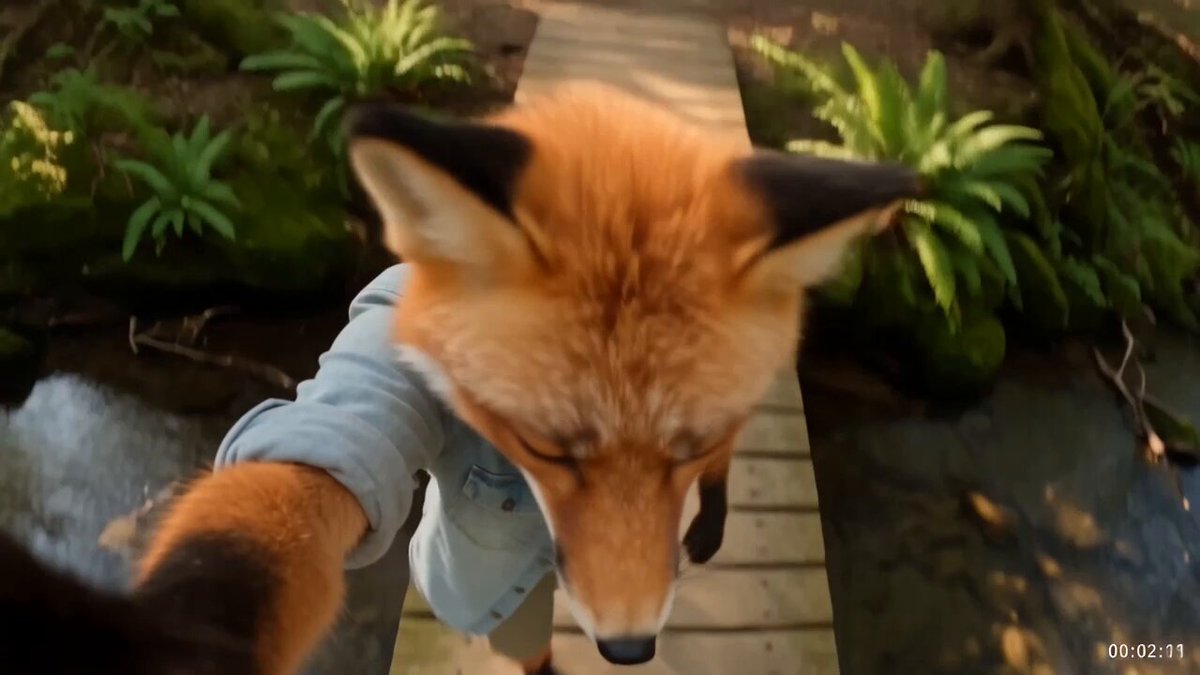

The Shift From Tool to Partner
For a long time, AI in content creation was a tool: you typed a prompt, it made an image, you looked at the result. The relationship was one-directional and shallow. That is changing. The new generation of AI video systems is being designed as a partner: software that understands scripts, suggests shots, plans camera movement, keeps characters consistent, and guides you through the production process the way a director or a first assistant would.
The practical difference is huge. With a tool, you are responsible for every decision and every translation: script to image, image to motion, motion to edit. With a partner, you describe the story and the system proposes a production plan: which scenes need which shots, what camera language fits the mood, which model fits which shot, and how to keep the visual language consistent from the first frame to the last. You still make the final calls, but the system handles the thousands of small decisions that used to consume your time.
This matters because video content is the dominant format on every major platform, and the demand for it keeps rising. Brands need consistent series, creators need daily output, educators need explainers, and everyone needs to do it faster and cheaper than the competition. The shift from tool to partner is what makes that possible for small teams and solo creators.
What an AI Director Assistant Can Do for You
An AI director assistant, as a category, combines several capabilities that used to belong to different specialists.
Script analysis. Feed it a script or a concept, and it breaks the material into scenes, identifies characters, tracks the emotional arc, and suggests where the pacing should accelerate or slow down. This is the work of a script supervisor compressed into seconds.
Shot planning. From the scene breakdown, it proposes a shot list: which moments deserve a close-up, which need an establishing wide, how to vary the camera angle so the sequence does not feel flat. This is the work of a director and cinematographer translated into concrete instructions.
Camera direction. It translates narrative intent into camera language: dolly, pan, tracking, handheld, low angle, shallow depth of field. You say "build tension," and it proposes the camera moves that build tension. This is where film school vocabulary meets generative models.
Consistency management. It tracks the identity of characters and locations across every shot, so the face in shot one is the face in shot twelve. This is the technical foundation that makes series content possible.
Quality gates. It checks generated output against the plan, flags shots that drift, and recommends regeneration. This is the review pass that used to take hours, automated.
None of this removes the human from the process. The system proposes; you decide. But the volume of decisions you have to make personally drops, and the ones left are the ones that actually matter: story, taste, and intent.
Choosing Models for Quality, Speed, and Budget
An AI director assistant is only as good as the models behind it, so the model strategy still matters. The principle is to match model tiers to shot tiers.
Hero shots, the ones audiences remember, deserve the best models available. Long, physically coherent sequences, emotionally charged close-ups, and any footage that will be scrutinized deserve premium rendering. Supporting shots, transitions, establishing frames, and background material can be produced with faster, cheaper models. Experimental shots, the ones you are not sure will survive the edit, should be drafted as cheaply as possible and only upgraded if they make the final cut.
The practical benefit of tiering is that it changes the economics of a project. Instead of paying premium rates for every clip, you concentrate spending where it is visible. The savings fund more iterations on the shots that matter, which improves the final result more than uniform premium rendering of everything.
Speed also factors in. Fast models are not just cheaper; they enable the iteration loop that makes the whole pipeline work. The ability to draft an entire video, watch it, rewrite it, and draft it again in an afternoon is what turns a one-off experiment into a repeatable production system.
Building a Repeatable Video Content Pipeline
Consistent output comes from a repeatable pipeline. The pipeline that works for most teams has six stages.
Stage one: ideation and scripting. Define the goal, the audience, and the core message. Write the script with the target duration in mind: about 75 to 80 words for thirty seconds, about 150 words for sixty seconds.
Stage two: planning. Break the script into shots. For each shot, decide the subject, the action, the camera language, and the duration. This shot list is the production contract; everything downstream follows it.
Stage three: asset creation. Build the style kit: the style block, character references, location references, and the color palette. Do this once per series, not once per video, so episodes stay consistent with each other.
Stage four: generation. Produce the clips, tier by tier, from drafts to premium renders. Use reference sets and the style block for every shot, and regenerate failures instead of accepting near-misses.
Stage five: post-production. Assemble, add transitions, sound, music, and captions, and grade the footage for a unified look. Export in platform-native formats.
Stage six: review and publish. Watch the final cut at full resolution, fix the worst issues, publish, and record what worked. Feed the learnings back into the style kit and the next script.
The pipeline is not exciting, and that is the point. Excitement lives in the ideas; the pipeline is what lets you ship those ideas week after week.
Maintaining Style and Character Across Episodes
Series content is the highest-leverage format for most creators, because it builds audience habit and brand recognition. But a series only works if episode three looks like it belongs to the same world as episode one.
The method is to treat the series as one project with multiple installments. The style kit, the character references, the location references, and the color palette are created once and reused for every episode. New episodes extend the kit only when they introduce new characters or locations. Every episode is graded to the same palette, scored with a consistent audio language, and reviewed against the series bible before publishing.
This is where an AI director assistant earns its keep. It remembers the identity layer across sessions, so you do not have to rebuild character references from scratch every week. It also catches drift: when a character in episode four no longer matches the references from episode one, the system flags it before you publish rather than after your audience notices.
Editing, Sound, and Post-Production With AI
Generation is only the beginning. The final quality of a video depends heavily on what happens after the clips exist.
Editing with AI assistance means using tools that suggest cut points, generate transitions, and match clips by visual similarity. The rough cut is assembled by structure first: does the sequence tell the story? Then the polish pass handles pacing, rhythm, and the invisible cuts that make a video feel professional.
Sound design is the most underrated part of AI video production. A silent clip feels unfinished no matter how good the visuals are. Music sets the emotional baseline, sound effects sell the physical world, and narration carries the message. Plan audio in the same session as the visuals, not as an afterthought. Consistent audio language across episodes is as important as consistent visuals.
Color grading unifies the footage, especially when clips come from different models or different generations. A subtle, consistent grade hides small differences and gives the whole video a deliberate, professional feel. It is the cheapest way to make a collection of clips look like a film.
Community, Feedback Loops, and Monetization
Content creation is not only production; it is also distribution, learning, and income. The best creators treat publishing as the start of a feedback loop rather than the end of a project.
Share your work where your audience lives, and watch the engagement data with intent. Which videos hold attention? Which styles generate comments and shares? Which formats do people request? Every answer is a direction for the next production cycle. An AI-assisted pipeline makes you faster at responding to this feedback, which is a structural advantage in a market that rewards frequency.
Monetization follows the same logic. Faster production means more content to distribute, which means more inventory for advertising, sponsorships, products, and licensing. Some creators sell their style kits and model presets; others sell finished videos to brands; others build audiences and monetize through memberships. The common thread is that the production pipeline is the engine, and the style kit is the product's DNA.
Measuring What Works
A fast pipeline produces a lot of content, which creates a new problem: deciding what to make next. The solution is to treat publishing data as the second half of the creative process.
Pick a small set of metrics and review them after every release. Retention tells you whether the video holds attention; completion rate tells you whether the ending lands; shares and comments tell you whether the content triggers a reaction. Do not chase vanity numbers. One honest signal, like the percentage of viewers who watch past the midpoint, is worth more than a pile of impressions.
Keep a simple production log: for each video, note the concept, the style kit version, the models used, the time spent, and the results. After a few releases, patterns emerge. You will see which formats your audience rewards, which style variations perform, and which production stages take longer than they should. Feed those patterns back into the next script and the style kit.
The feedback loop closes the system: publish, measure, learn, and produce the next iteration. This is how a solo creator with an AI pipeline builds an audience and an income stream that compound, because every cycle makes the next video slightly better and slightly cheaper to produce.
Getting Started: A 30-Minute First Project
Theory is useful, but the fastest way to learn is to ship. Here is a first project you can complete in about thirty minutes.
Pick a simple, single-concept idea: a product reveal, a mood loop, or a thirty-second explainer of one idea. Write ten lines of script. Break it into three shots: an establishing shot, a detail shot, and a close-up. Write one style block: lighting, palette, and mood. Generate a reference for the main subject. Draft the three shots with a fast model. Assemble them, add music and one sound effect, and export. Watch it, note what went wrong, and regenerate the weakest shot.
That is the entire workflow in miniature. The first project will have rough edges, and that is fine. The second will be better, and by the tenth you will have a style, a pipeline, and a library of reusable assets. The tools are changing fast, but the discipline of scripting, planning, generating, editing, and publishing is what compounds.
Frequently Asked Questions
Will an AI director assistant replace human directors? No. It replaces planning grunt work and rendering labor. Story, taste, and final decisions remain human. The directors who adapt will produce more and better work, not less.
Do I need to learn filmmaking before using these tools? You need the fundamentals: what a shot is, what camera language means, and how cuts create meaning. These can be learned quickly, and they are exactly the skills the tools cannot think for you.
How much does an AI-assisted video pipeline cost? It scales with ambition. Prototyping can be nearly free with fast models. Professional output requires a budget for premium renders, but a tiered strategy keeps it far below traditional production costs.
How do I keep episodes consistent? Build the style kit once, reuse it for every episode, and review each episode against the series bible before publishing. Consistency is a system, not an accident.
Can I monetize AI-generated content? Yes, through advertising, sponsorships, product sales, memberships, or selling finished work. Check the license terms of each tool and model you use, especially for commercial use.
What is the fastest way to get good? Ship projects, not tutorials. Finish a small video, learn from it, and make the next one slightly bigger. The pipeline in this guide gives you the structure; only repetition builds the taste.
