
From Text Prompt to Finished Artwork
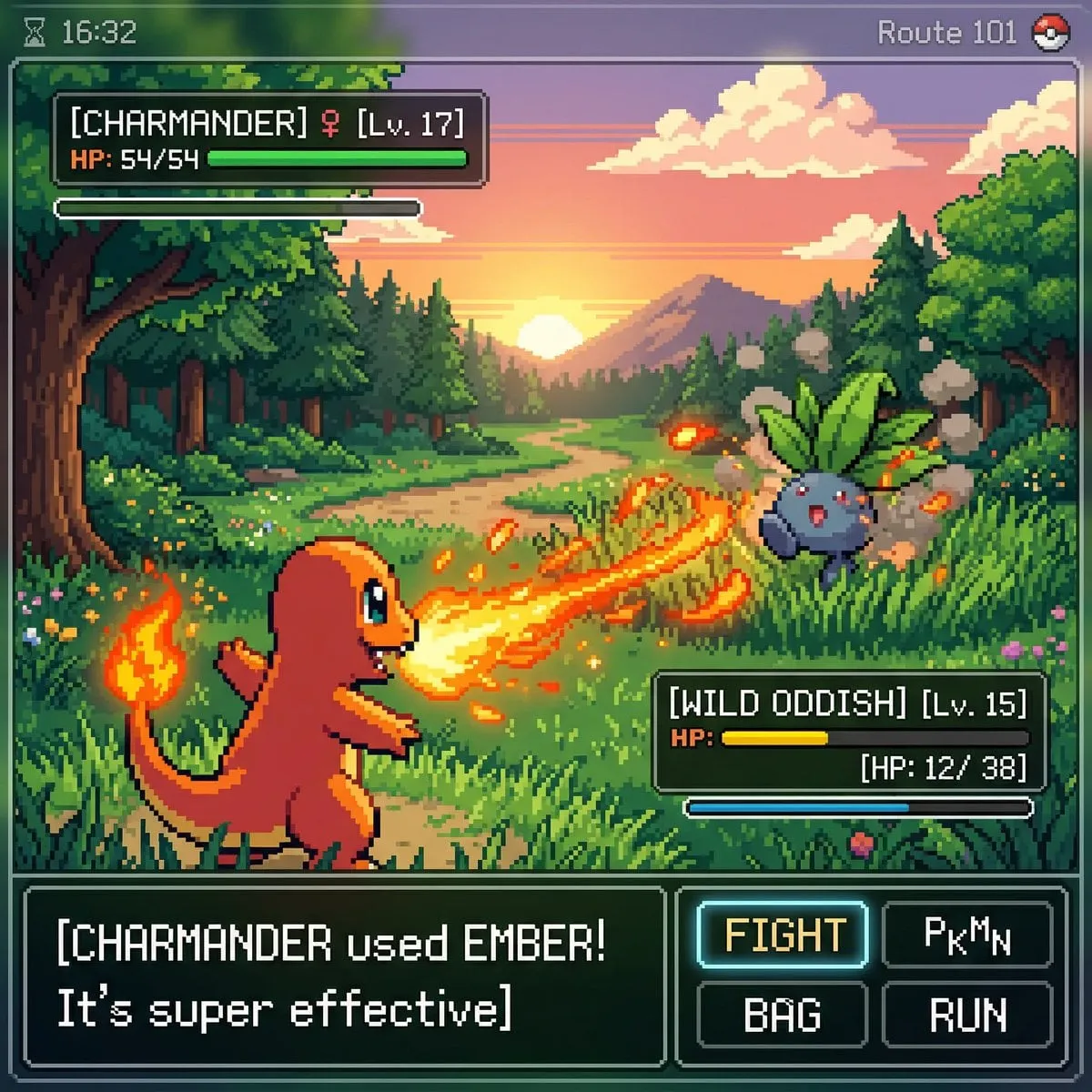
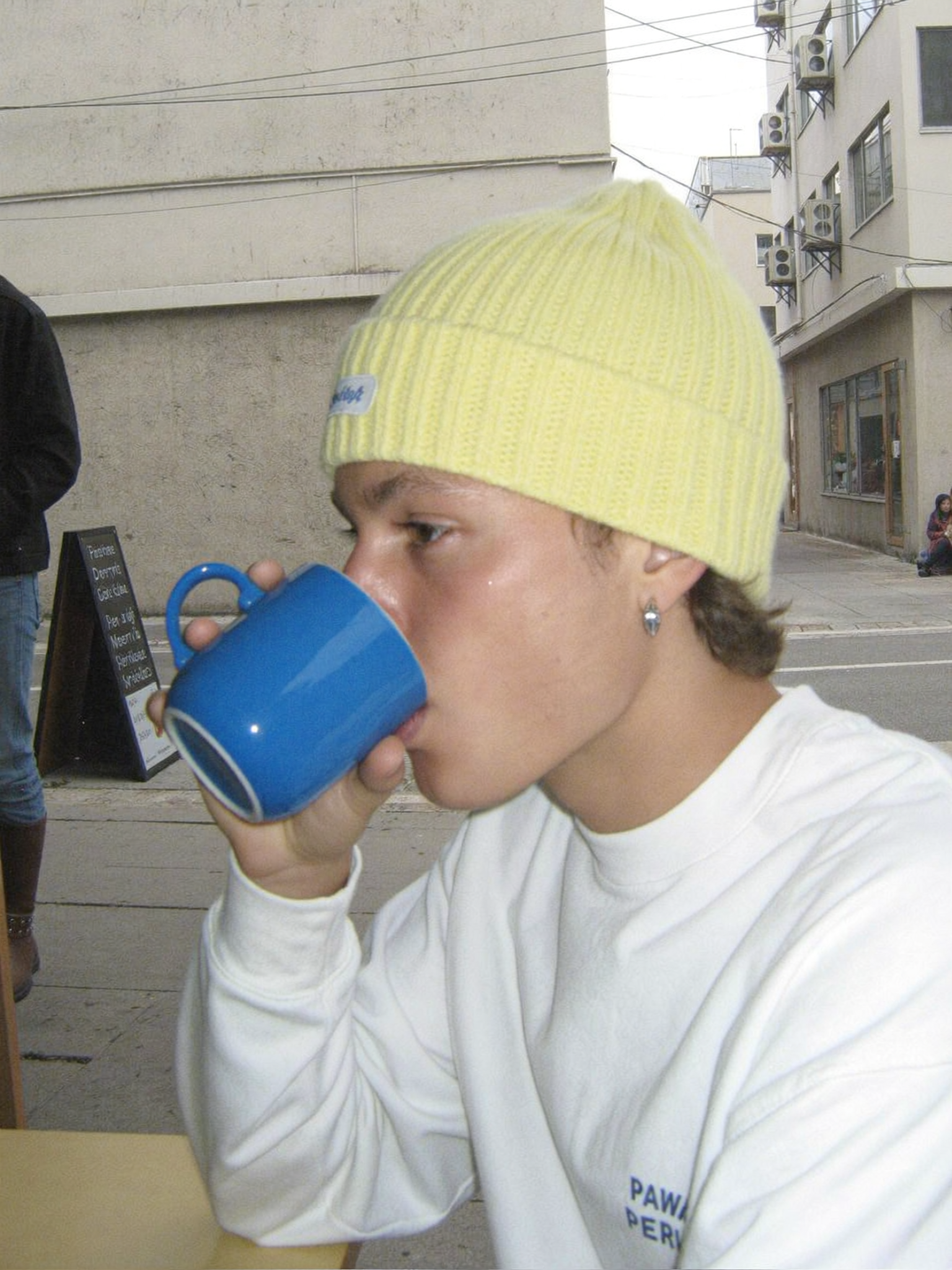
The phrase "a picture is worth a thousand words" used to describe interpretation. With modern AI image generators, it describes the process itself: you type a thousand words' worth of intent into a prompt box, and the model paints the picture. This capability has moved from a research curiosity to a core production tool for artists, marketers, educators, and video creators. The ability to generate original visuals on demand, in minutes, has changed how creative work gets planned, prototyped, and produced.
The journey from text to art is powered by natural language processing and diffusion models. The model reads your prompt, breaks it into concepts, and then reconstructs an image through a process of guided noise reduction. The result can range from a loose sketch to a pixel-perfect scene that would have taken a human illustrator days to produce. Understanding this pipeline helps you write better prompts, choose better tools, and integrate generated images into bigger projects like video production.
The State of Text-to-Image and Why Prototyping Matters
The market for AI-generated content has grown into a multi-billion-dollar industry, and image generation is one of its most mature segments. What changed in the last few years is not just quality but reliability. Early tools produced dreamlike images with six fingers and melted faces. Current models handle anatomy, perspective, and lighting with a consistency that makes them usable in professional workflows.
Two shifts matter most for creators. First, image generators are no longer standalone toys; they are building blocks inside larger production pipelines. You can generate a character, animate it into a video, add a voiceover, and publish, all within a connected ecosystem. Second, the cost of experimentation has collapsed. Generating ten concept variations costs a fraction of what it used to, which means teams can explore more ideas before committing to a direction.
One of the most underrated benefits of text-to-image generation is speed of thinking. Before, testing a visual concept meant commissioning a storyboard, hiring an illustrator, or spending days in a design tool. Now you can generate a visual prototype in minutes. Marketing teams test campaign concepts before shooting. Game studios sketch environments before building them. Educators create illustrations for lessons without a graphic design budget.
This collapses the content development cycle. Instead of weeks between idea and image, the gap shrinks to minutes, and the risk of investing in the wrong direction drops with it. The creative process becomes iterative: generate, evaluate, refine, repeat. That loop is the real product of AI image tools, not any single picture.
How Text-to-Image Models Work
The technical foundation is worth understanding at a practical level. Most current models are diffusion models. They begin with noise and gradually remove it while following the semantic direction of your prompt. The architecture is trained on enormous datasets of images and text pairs, learning the statistical relationships between words and pixels.
The most important practical implication is that prompt quality directly controls output quality. Specificity beats vagueness. "A red ceramic teapot on a wooden kitchen table, morning light from the left" produces a more useful result than "a teapot." Modern models also understand style modifiers: "oil painting," "photorealistic," "isometric 3D render," "studio portrait," and artist-adjacent descriptors all steer the result in meaningful directions.
Negative prompts give you additional control. By stating what you do not want, blurry, distorted, watermark, you filter out common failure modes before they appear. This is one of the fastest ways to clean up generations.
From Still Images to Motion: The Video Bridge
A generated image is only half of the revolution. The more interesting workflow starts when those stills become video. Image-to-video models take a generated or uploaded image and animate it: the character turns, the camera pushes in, the clouds drift. This is how many creators now build scenes: generate the perfect keyframe, then let the video model add motion.
The quality of the source image determines the quality of the motion. A clean, high-resolution, well-composed still gives the video model a solid foundation. This is why text-to-image and image-to-video tools are increasingly used together. You do not describe an entire scene to a video model; you generate the still, refine it, and animate it.
For character-driven projects, consistency across shots matters more than any single frame. Multi-image fusion techniques, where several reference images of the same subject are supplied, keep identity stable from scene to scene. Combined with keyframe control, they turn a collection of stills into a coherent visual story.
Choosing Models for Your Creative Goals
The current model landscape offers three tiers. Premium photorealistic models deliver the highest fidelity for portraits, products, and cinematic scenes. Balanced models offer strong quality at lower cost, suitable for social media content and internal projects. Speed-focused models trade some quality for rapid iteration, ideal for exploring ideas and generating drafts.
Your choice depends on the job. A brand campaign needs premium fidelity. A daily content calendar needs speed and volume. A personal project needs whatever fits your budget. The professional approach is a two-tier strategy: explore on fast models, then commit to premium models for the final assets.
Building a Creative Workflow with Image and Video Tools
A practical workflow that works across most toolchains looks like this:
- Define the concept: what are you creating, for whom, and in what style?
- Write the prompt: subject, setting, style, lighting, and negative prompts.
- Generate variations: produce several options and evaluate them against your goal.
- Refine the winner: upscale, clean up, and lock the composition.
- Animate: feed the still into an image-to-video model with a motion prompt.
- Post-process: edit the clips, add audio, subtitles, and color grading.
- Export for the target platform.
The key habit is documenting your prompts. A well-organized prompt library becomes a reusable asset. When a style works, save the formula. Over time you build a personal toolkit that makes future projects dramatically faster.
Practical Prompt Patterns for Image Generation
Formulas help more than abstract advice. Here are three prompt structures that work across most models.
The descriptive pattern: "subject, setting, action, style, lighting, camera". Example: "a red fox standing on a mossy rock in a misty forest at dawn, photorealistic, soft volumetric light, eye-level view". Each element steers a different part of the result, and keeping the order consistent makes results comparable across attempts.
The style-lock pattern: "subject + fixed style suffix". Example: "a vintage motorcycle parked outside a diner, 1950s American illustration, bold colors, clean lines". Reusing the same style suffix across a series keeps the collection visually unified, which is the cheapest way to achieve brand consistency.
The character-sheet pattern: "full body, front view, neutral expression, plain background" repeated for each angle. Generate a front, side, and three-quarter view of the same character in one session, then use those three images as references for every later generation. This is the foundation of character consistency in video projects.
Save every prompt that works. A prompt library is a competitive asset: it encodes your taste, your style, and your process, and it makes future projects dramatically faster.
Seed Control and Deterministic Iteration
Many generators let you set a seed, the random starting point for generation. The same prompt with the same seed produces the same image, which turns generation into a controllable search instead of a lottery.
Use seeds to iterate deliberately. Generate a batch with one seed, inspect the results, and then change one variable, the lighting, the composition, the style word, while keeping the seed. This isolates the effect of each change and teaches you how the model responds. When you find a combination you love, save the seed with the prompt.
For series work, seeds are a consistency tool. If the platform supports it, generating related assets with related seeds can nudge them toward a shared look. It is not a guarantee, but it reduces the randomness that makes separate generations feel disconnected.
Licensing and Rights: The Part Everyone Skips
Generated images raise real rights questions, and the answers are not identical across tools. Before you use generated content commercially, check three things.
First, what does the tool's license allow? Some free tiers permit personal use only, some watermark commercial output, and some grant full commercial rights. Read the terms for the tier you actually pay for.
Second, what were the training data and the model's outputs? Policies differ on whether outputs can be claimed as original work, whether you may use them in trademarks, and whether the platform can use your generations to improve its models.
Third, what inputs did you use? If you generated from your own photos or licensed assets, your position is stronger. If you used a prompt that closely imitates a living artist's style, or a recognizable brand, you may create legal exposure even if the tool permits it.
The professional habit is simple: document your inputs, keep the license terms on file, and avoid using recognizable real people, brands, or proprietary characters in commercial work without clearance.
Business Applications: From Campaigns to Personalized Content
The business case for text-to-image and image-to-video goes beyond saving time. It unlocks new formats. Marketing teams can produce hyper-personalized campaign visuals at scale, adapting a single concept to different audiences, regions, or products without a photoshoot. E-commerce brands animate product images for ads, creating motion assets that stop the scroll. Entertainment studios generate concept art and pre-visualization before committing to expensive production.
The common thread is leverage. One designer with AI tools can output what once required a team. That does not eliminate the designer; it changes what they spend their time on. Instead of executing repetitive variations, they focus on concept, direction, and quality control, while the models handle the heavy lifting of rendering.
Common Pitfalls and How to Avoid Them
Several mistakes repeat across teams adopting these tools. The first is vague prompting, which produces generic output. Fix it by writing prompts with concrete nouns, specific settings, and explicit style cues. The second is ignoring negative prompts, which leaves common artifacts in the output. The third is treating the first generation as final; the real value comes from iterating.
Another pitfall is inconsistency across a series. If you generate ten images for one project on separate runs, they may not share a style. Use consistent style descriptors, reference images, and seed controls where available to keep the series coherent.
Finally, watch for copyright and licensing. Use your own inputs, licensed assets, or generated content you have the rights to use commercially. Check the terms of the tools you use, especially for client work.
Frequently Asked Questions
How long does it take to generate an image? Most models produce an image in seconds to a minute, depending on resolution and queue load.
Do I need artistic skills to use these tools? Basic visual literacy helps, but you do not need to draw. The skill that matters is describing intent clearly.
Can I use generated images in commercial projects? Usually yes, but check the specific license of the tool. Some free tiers restrict commercial use or add watermarks.
How do I keep a consistent style across many images? Reuse the same style descriptors, supply reference images, and save seed values. Multi-image fusion helps for characters.
What resolution should I generate at? Generate at the highest resolution you need, then downscale if required. Upscaling small images later loses quality.
Are AI-generated images replacing designers? The tools are changing the designer's workflow, not eliminating the role. Concept, direction, and quality control remain human skills.
Can I sell products using generated art? Many creators do, subject to the tool's license. Check commercial-use rights and avoid infringing on recognizable brands or real people.
Final Thoughts
Text-to-image generation has matured from a novelty into a production tool, and its real power appears when it is combined with video. The workflow of prompt, generate, refine, animate lets a single creator move from idea to finished motion asset in hours instead of weeks. The tools will keep improving, but the skills that matter now, writing clear prompts, iterating deliberately, and building reusable workflows, will serve you regardless of which model is best next year.
