
Marketing has always been a visual discipline, but the pressure on visual content has never been higher. Every brand needs images for ads, social posts, landing pages, product listings, and campaigns — and audiences now expect those images to be fresh, relevant, and polished. The traditional answer was simple: hire photographers, designers, and studios, and wait. The modern answer is different: generate.
High-quality AI image generators have become a core part of campaign production. They do not replace creative thinking — they remove the production bottleneck between an idea and a finished visual. This guide covers what these tools can do, how to keep a brand consistent while using them, and how to build a workflow that actually pays for itself.
Why Visual Quality Now Decides Campaign Performance
The internet runs on visuals, and attention is the scarcest resource in marketing. A campaign lives or dies on whether its creative stops the scroll. In performance marketing especially, visual quality is a measurable competitive factor: better creative earns better click-through rates, lower cost per acquisition, and stronger brand recall.
At the same time, ad fatigue is real. Audiences stop noticing creative that repeats. Brands must refresh their visuals constantly — new angles, new contexts, new moods — just to hold the same position. That need for continuous freshness is the fundamental driver behind the adoption of AI image generation. It is the only production method that can deliver hundreds of distinct visuals in the time a traditional shoot produces a handful.
What to Look for in a High-Quality AI Image Generator
Not all generators are created equal. When evaluating tools for campaign work, focus on these capabilities:
- Photorealism. Can it render skin, fabric, metal, glass, and light convincingly? Realism is table stakes for product and lifestyle imagery.
- Prompt control. Does the output follow detailed instructions, or does it drift into generic interpretations?
- Resolution and detail. Can it produce images large and sharp enough for print, web, and social crops?
- Style control. Can you reproduce a consistent brand style across different prompts and sessions?
- Editing and variation. Can you iterate on a result — change the background, adjust the lighting, tweak the composition — without starting over?
- Batch workflow. Does it support generating and reviewing multiple options efficiently?
- Integration. Can it connect with your design, content, and publishing tools?
A tool that scores well on these axes becomes a production asset rather than a toy.
Using Premium Models for Photorealistic Results
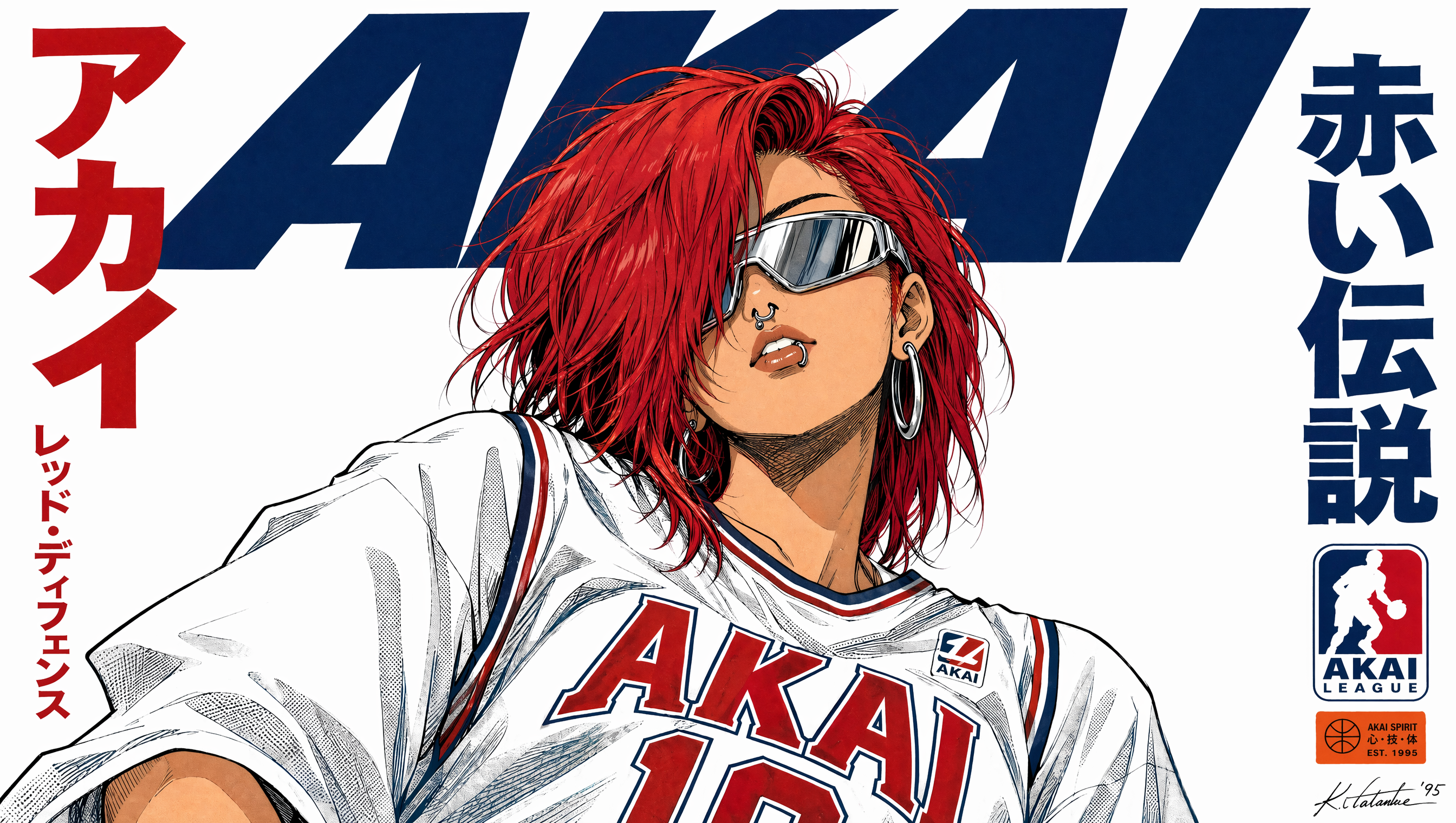
For campaign work, the gap between "good enough" and "photorealistic" is worth paying for. Premium image models are trained to handle the details that sell products: accurate materials, natural lighting, believable depth of field, and faces that do not fall into the uncanny valley.
The practical difference shows up in specific scenarios:
- Product shots. A premium model renders the product's texture and color accurately, which reduces returns and increases trust.
- Lifestyle imagery. People, environments, and products interact convincingly instead of looking composited.
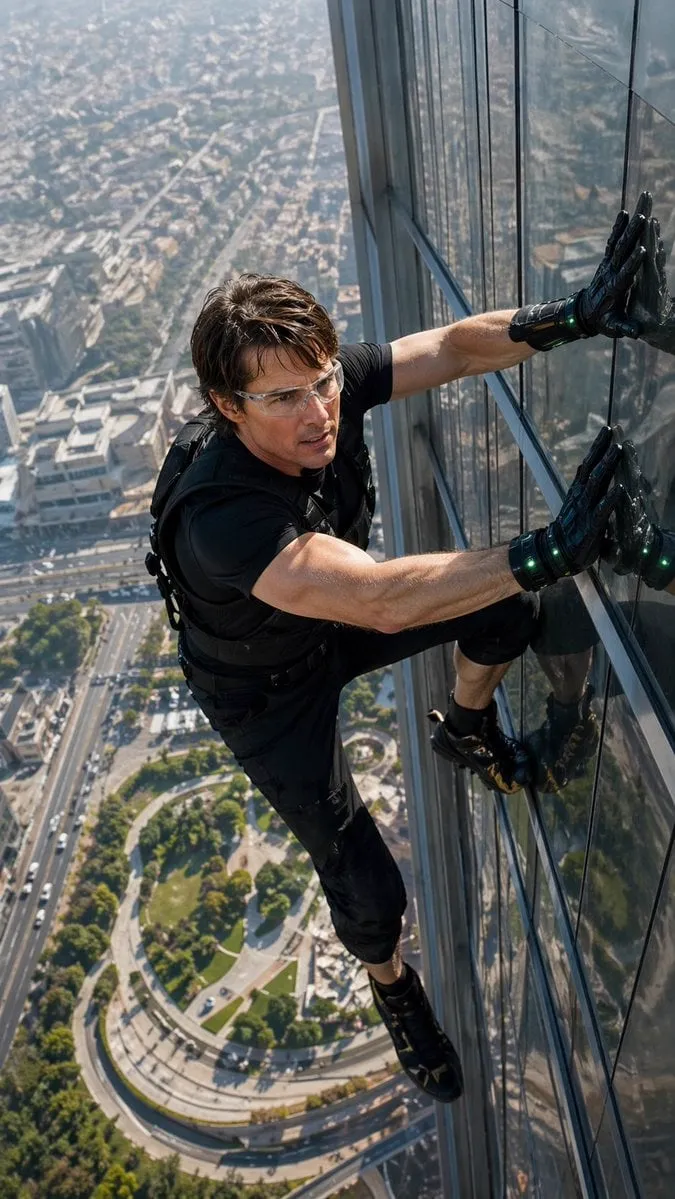
- Hero creatives. Big-budget-looking visuals for launch campaigns without the big-budget shoot.
The key to getting photorealistic results is the prompt discipline that comes with premium models: explicit lighting direction, material description, camera and lens language, and compositional intent. Vague prompts produce generic images regardless of model quality.
Adding Motion: Video Models in Campaigns
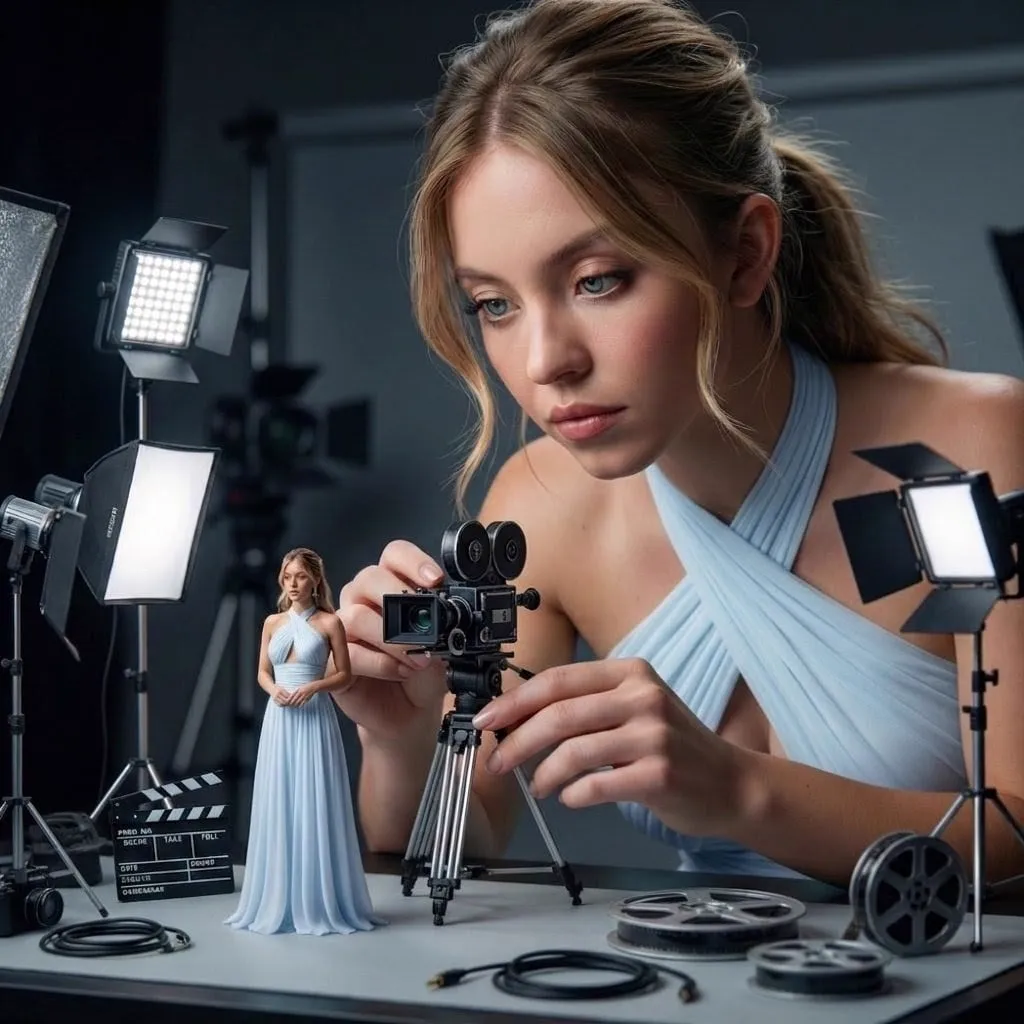
Image generation and video generation are converging. The same campaign that needs a stunning still also needs a short clip for social, a looping ad, or a product demo. Modern workflows treat them as one pipeline: generate the image, then animate it, or generate the video directly.
For marketing teams, this changes the production calendar. A campaign that used to require a separate video shoot can now be produced from the same creative direction and reference assets as the stills. The result is a consistent look across every format — the poster, the story, and the reels all share the same visual identity.
Short-form video is where most brands feel the pressure. Social platforms reward video, and audiences expect it. AI video generation makes it feasible to produce daily content without a daily production team.
Consistency: The Brand Problem AI Must Solve
Here is the paradox of generative marketing: the easier it becomes to make images, the harder it becomes to keep them consistent. When any team member can generate any visual, the brand can quickly fragment — different colors, different character designs, different product appearances.
The solution is reference-based workflows. Instead of describing the brand in words every time, teams create reference assets: the product photographed against a neutral background, the mascot or spokesperson, the approved color palette, the signature lighting style. Generators use these references to keep the output aligned with the brand.
A practical consistency system:
- Create a reference library. Approved product images, brand colors, typography samples, and style examples.
- Standardize prompts. Write prompt templates that include the brand's lighting, palette, and composition rules.
- Review before publishing. A human check against the references catches drift before it reaches the audience.
- Version control. Keep track of which references and templates produced which assets, so future campaigns can match.
Keeping Characters and Objects Stable
Brands that use recurring characters — mascots, spokespeople, avatars — face an extra challenge. A character generated in one campaign must look like the same character in the next. Multi-image fusion and reference techniques solve this by carrying the character's identity across generations.
The same applies to products. A product must look identical in every visual, or customers lose trust. Reference-to-image and multi-reference generation lock the product's appearance, letting the team vary the scene, the mood, and the composition without losing the product itself.
Temporal Consistency in End-to-End Generation
For video campaigns, consistency must extend across time. A character whose face changes between seconds one and three is unusable. Modern end-to-end generation models handle temporal consistency internally, but the discipline still matters: use the same references, keep prompts stable, and generate connected shots in the same session where possible.
Budgeting and Scaling AI Visual Production
The economics of AI visual production are attractive, but only if managed deliberately. The costs are not zero — premium models and volume plans add up — and the real expense is often iteration time.
The budget playbook:
- Match model tier to job. Use premium models for hero assets and cheaper or faster models for drafts, variations, and social filler.
- Batch your iterations. Generate multiple options per prompt and pick the winner, instead of regenerating one at a time.
- Reuse what works. Build a library of winning prompts, styles, and references. Do not reinvent the brand every week.
- Measure cost per published asset. Track how much each usable visual costs, including failed generations, and optimize the ratio.
- Use queues and automation. For large campaigns, schedule generation in batches so GPU time and team attention are used efficiently.
Scaling is not about generating more images; it is about generating more usable images per hour of effort.
Designing Effective Prompts
Prompt design is the skill that separates average results from campaign-ready ones. The anatomy of an effective image prompt:
- Subject. What is the hero of the image? Be specific about the product or person.
- Action and context. What is happening, and where? Describe the scene like a director.
- Camera and lens. Wide shot, close-up, overhead? What focal length feel?
- Lighting. Golden hour, softbox, neon, studio key light?
- Style and mood. Photorealistic, editorial, minimal, bold? What emotion?
- Technical quality. High detail, sharp focus, 8k — used sparingly and honestly.
Example transformation:
- Weak: "a product photo of a sneaker"
- Strong: "a white running shoe floating mid-air against a soft gradient studio background, dramatic side lighting, shallow depth of field, premium product photography, high detail"
The strong prompt gives the model direction on every axis that matters for the brand.
Measuring What Matters
AI visual production should be judged like any marketing investment: by performance. Track:
- Creative click-through rate by visual variation.
- Conversion rate of pages using generated vs. traditional visuals.
- Cost per asset and time-to-market per campaign.
- Brand consistency score — reviewed assets vs. reference drift over time.
- Ad fatigue curve — how long creative variations remain effective before performance drops.
When a campaign underperforms, the data should tell you whether the problem was the offer, the targeting, or the creative. That is the only way to keep improving.
A Step-by-Step Campaign Workflow
Theory matters less than a repeatable process. Here is a campaign workflow that puts everything in this guide to work, from brief to published creative:
- Brief the campaign. Write down the goal (launch, promotion, retargeting), the audience, the message, and the key visual idea. The creative direction is decided here, not during generation.
- Build the reference library. Gather or generate the product shots, brand colors, typography, and style examples that define the look. This is the single highest-leverage step.
- Write the prompt templates. Create templates for each asset type: product hero, lifestyle scene, social teaser, video clip. Each template includes the brand's lighting, palette, and composition rules.
- Generate in batches. Produce multiple options per asset. For a campaign with ten deliverables, generate three to five candidates for each and select the strongest.
- Review against references. Check every candidate for brand consistency, product accuracy, and quality. Reject drift immediately; do not try to fix it in post.
- Test with real audiences. Run the top variants in a small ad test or an A/B poll. Let the data pick the winner instead of personal preference.
- Scale what wins. Once a visual style proves itself, extend it to the full campaign — more formats, more placements, more languages — using the same references and templates.
- Archive and learn. Save the winning prompts, references, and performance data. The next campaign starts from this state, not from zero.
The workflow converts AI generation from a one-off experiment into a managed production line. The cost per asset drops with every campaign because the library, the templates, and the judgment all compound.
Avoiding the Most Common Failures
Most failed AI campaigns share the same root causes. Know them in advance:
- No creative direction. Generating without a brief produces generic images that compete on nothing.
- Inconsistent references. Every team member using a different product photo breaks the brand in a week.
- Skipping the review gate. Publishing un-reviewed output risks embarrassing errors and brand drift.
- Ignoring performance data. Treating AI visuals as decoration instead of a measurable marketing variable.
- Buying the wrong tier. Paying premium prices for filler assets, or starving hero assets of the quality they need.
Each failure is a process failure, not a technology failure. Fix the process and the tool delivers.
Frequently Asked Questions
Will AI image generators replace designers?
No. They remove production bottlenecks, but the direction, taste, and judgment still come from people. Teams that adopt AI well actually produce more design work, because the cost of testing ideas drops.
Are AI-generated images safe for commercial use?
Most major platforms allow commercial use of generated content, but you should check each provider's terms, keep licenses organized, and be careful with recognizable real people and trademarked elements.
How do I make AI images look like my brand?
Use a reference library, standardized prompt templates, and a review process. Consistency comes from the system, not from luck.
What is the biggest mistake marketers make with AI image tools?
Using them without a creative direction. Generic prompts produce generic images, and generic images do not convert. The tool amplifies the quality of the thinking behind it.
Can I generate video from the same system?
Increasingly, yes. Many platforms now support both image and video generation from the same references, which keeps campaigns consistent across formats.
Conclusion
High-quality AI image generation is not a shortcut around marketing; it is an accelerator for it. The brands that benefit are the ones that treat it as a production system — with reference libraries, prompt standards, review processes, and performance measurement — rather than a novelty.
Start small, standardize what works, and scale what the data supports. The tools will keep improving, but the fundamentals of good creative direction will only matter more.
