
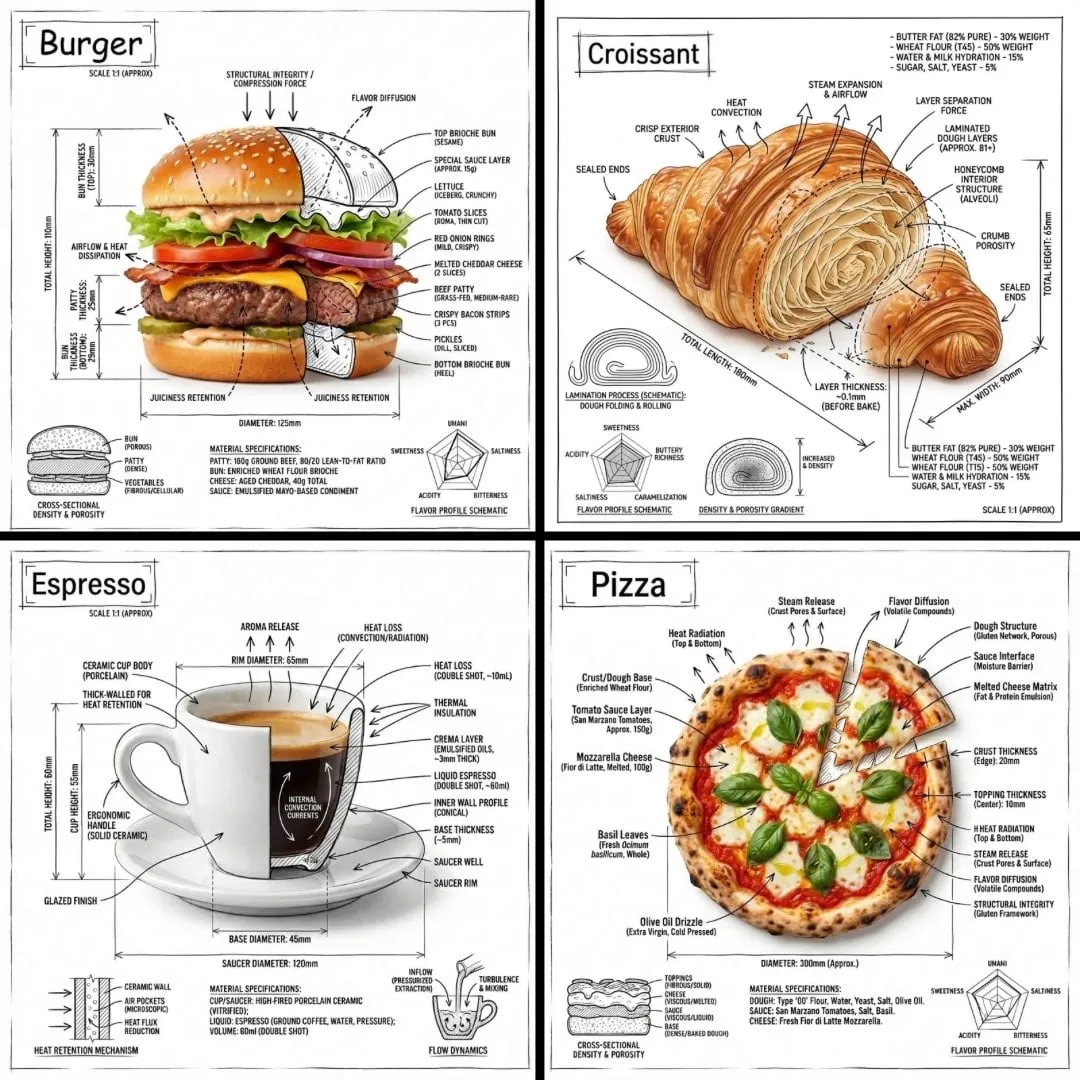
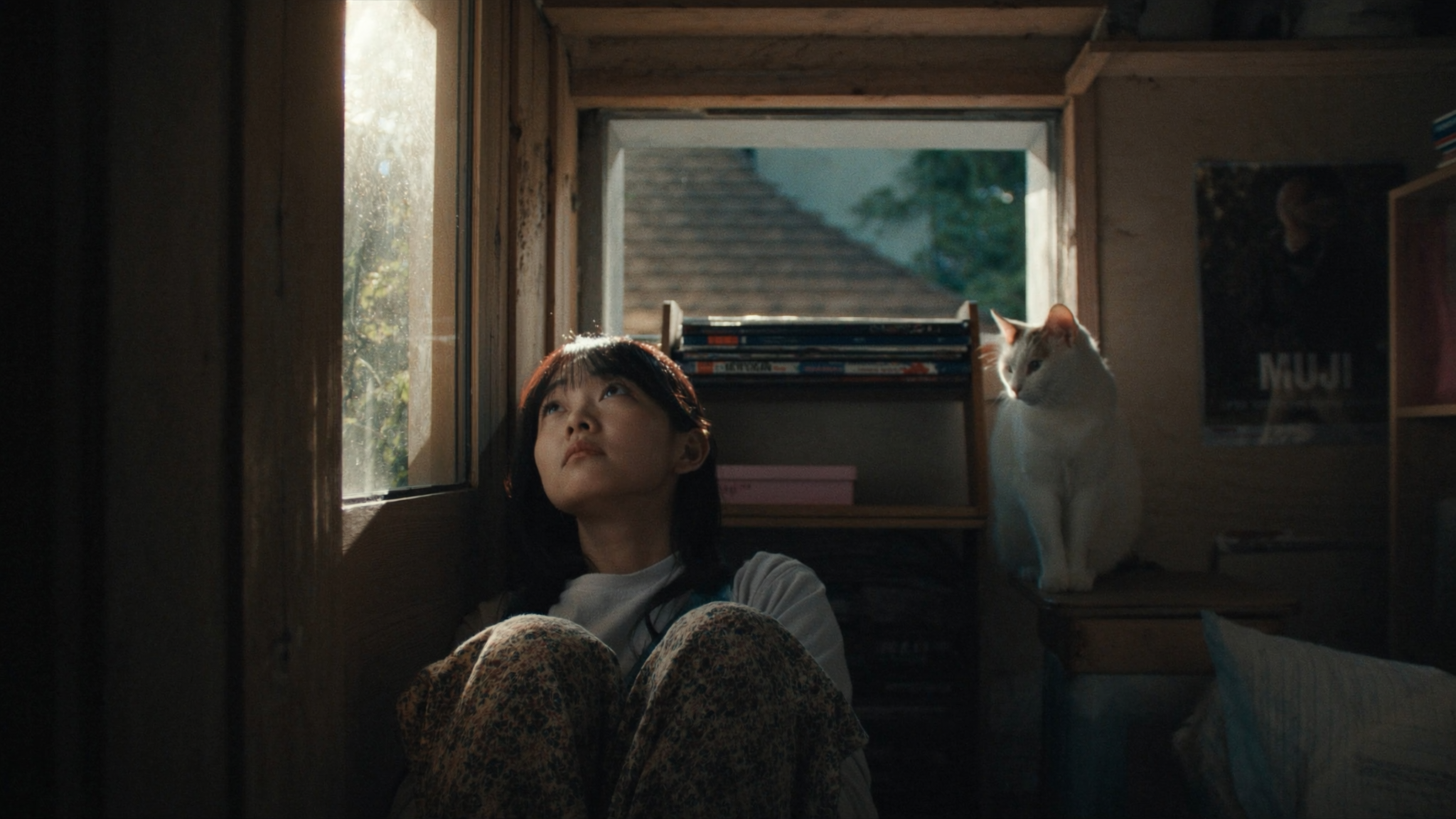
Promotional video has become the default answer to almost every marketing question: launching a product, announcing a sale, building a brand, or feeding social media algorithms. The problem is that traditional video production is expensive and slow. A single campaign can require a shoot day, an editor, a voiceover session, and several revision rounds. That is why more and more teams are building promotional videos from AI-generated images instead. The workflow is faster, cheaper, and easier to iterate, yet it still produces polished, conversion-ready content.
This guide walks through the entire process: how AI image generators fit into a video pipeline, how to pick the right tool, how to keep brand and character consistency across shots, and how to turn a set of still images into a finished promotional video.
Why AI image generators are the backbone of modern promo video
The shift toward AI-generated visuals is not a trend without substance. In digital marketing, attention spans are measured in seconds, and video content reliably outperforms static images in engagement and conversion. The challenge has always been volume: brands need new creative assets constantly, and a single photoshoot or 3D render cannot keep up with the pace of paid media testing.
AI image generators solve this by removing the bottleneck between idea and visual. Instead of describing a concept to a photographer or a designer and waiting days for a result, a marketer can write a prompt and see a usable visual within a minute. When that visual needs to be a video, modern pipelines can animate it directly: image-to-video models take a still frame and add motion, camera movement, and atmosphere.
The strategic advantage is iteration. In performance marketing, the difference between a winning and a losing ad is often discovered only by testing dozens of variants. AI-generated visuals make that testing affordable. You can generate ten hero images, animate the three strongest ones, and run them against each other in a real campaign. The data decides, not guesswork.
How image-to-video actually works
Understanding the mechanics helps you use the tools correctly. An AI image generator produces a single still frame from a text prompt. An image-to-video model takes that frame, or a few frames, and predicts how the scene would move: a product rotating on a pedestal, a character turning toward the camera, clouds drifting behind a landscape, light shifting across a surface.
The quality of the final video depends heavily on the quality of the input image. A strong still with clear subject, good lighting, and intentional composition animates far better than a muddled one. This is why the best workflow treats image generation as the foundation, not as a throwaway step.
Most platforms now combine these steps in one interface: you generate an image, then extend it into motion, sometimes with controls for camera movement, duration, and aspect ratio. Some tools also offer multi-image fusion, which lets you feed several reference images so that characters, objects, and color palettes stay consistent from shot to shot. That consistency is the single most important factor in making a set of clips feel like one professional video rather than a random slideshow.
Choosing the right tools for your promo workflow
The tool market has grown quickly, and the right choice depends on what you are promoting and how much control you need. A good rule is to separate the job into two parts: still generation and motion generation.
For still images, look for generators that handle photorealism and product detail well. Flux models, for instance, are known for high fidelity and text rendering, which matters when your promo includes product names or logos. For stylized brand worlds, anime, 3D renders, or illustrated aesthetics, other models may fit better. Test a few and keep a shortlist of two or three that match your brand's visual language.
Do not underestimate the importance of a consistent working environment either. The practical difference between tools often shows up in small things: how long a generation queue takes, whether you can preview results side by side, how easy it is to revisit and re-roll a specific prompt, and whether your history is saved across sessions. A tool that keeps your past generations and prompts organized will quietly save you hours every week, because you will be able to build on previous work instead of recreating it.
For motion, image-to-video models vary in how much movement they can produce before the image starts to distort. Models like Kling handle dramatic motion and longer clips, while others favor subtle, cinematic movement. If your promo is product-focused, subtle motion often looks more premium; if you are making a teaser for a game or an event, you may want more dynamic camera work.
Practical considerations matter too: export resolution, aspect ratio options, how many seconds a single generation supports, and whether you can batch generations. If you are producing promotional content regularly, choose a platform where you can iterate quickly instead of one that forces you to download and re-upload files between separate services.
Keeping brand and character consistency across shots
The most common failure in AI promo production is inconsistency. A character who wears a blue jacket in one shot and a green one in the next, or a product whose logo changes shape between frames, instantly signals low quality to viewers. Consistent output requires deliberate effort at three levels.
First, fix your visual vocabulary before you generate anything. Write down the key descriptors you will reuse: subject identity, outfit, colors, environment, lighting, and camera style. Treat them like a brand guideline for the prompt engineer.
Second, use reference images. Multi-image fusion and similar reference features let you show the model what the character or product looks like instead of describing it every time. Generate a hero image of your main subject once, then feed it into subsequent generations as a reference. This dramatically reduces drift.
Third, generate keyframes first. Before animating anything, create the still frames that represent your shot list. Review them as a set. If the stills are consistent, the animated versions will be too. Fixing consistency at the image stage is far cheaper than fixing it after you have rendered video.
From still frames to a finished promotional video
Once you have a consistent set of keyframes, the assembly process follows a predictable sequence.
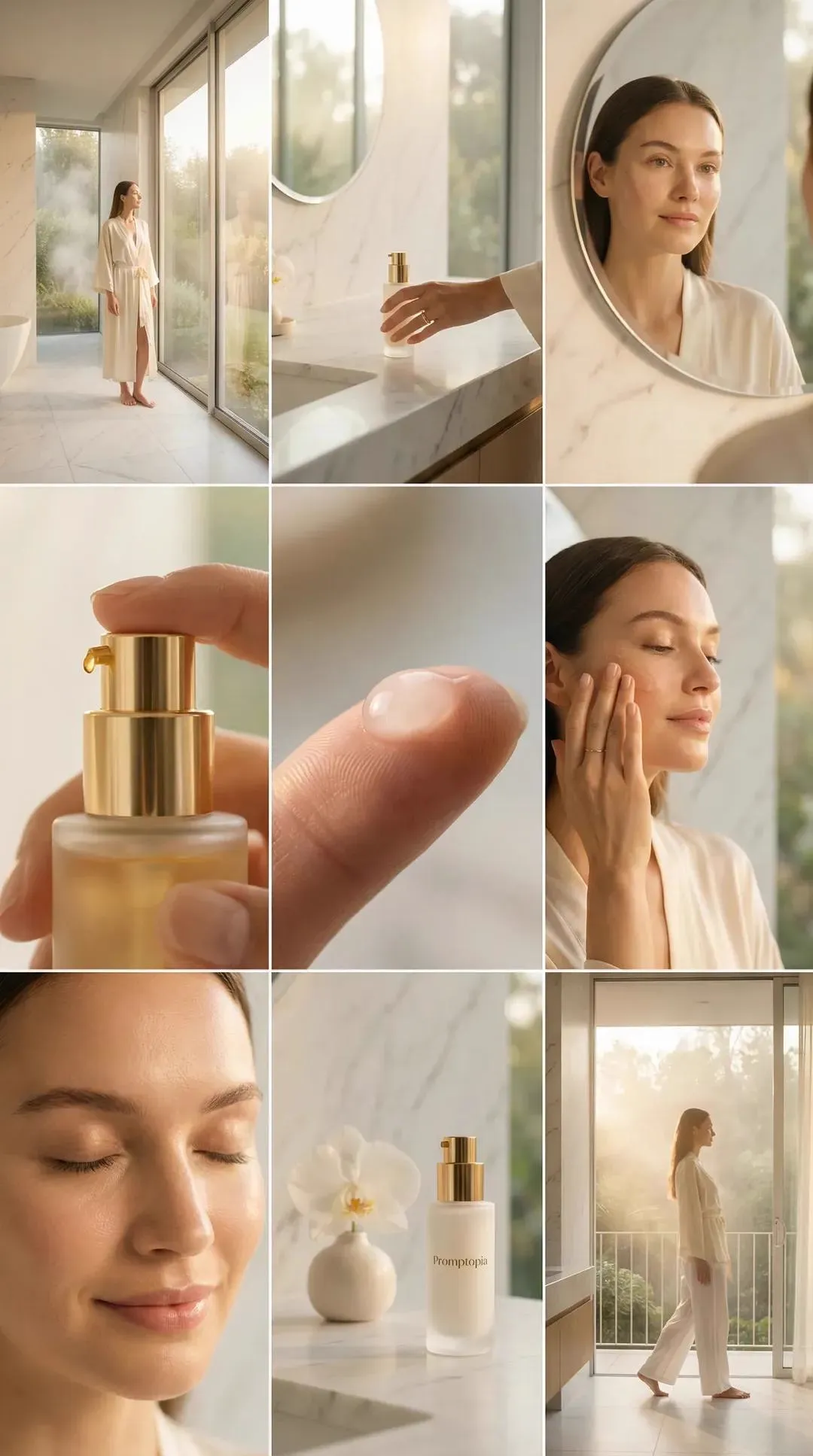
Start with a shot list. A 20-second promo might have six to eight shots: hero product shot, lifestyle scene, close-up detail, feature highlight, brand moment, final call to action. Write a one-sentence prompt for each shot and generate a still for it.
Animate each still with your image-to-video tool. Keep prompts for motion simple and directional: "slow push-in," "camera orbits right," "product rotates gently," "character walks toward camera." Less is often more; over-specified motion prompts produce chaotic results.
Edit the clips together in any standard video editor. Cut the beginning and end of each clip, where the model is still settling into the frame. Add your brand's logo, captions, and call to action. Titles and text are still best done in an editor rather than inside the generation tool.
Finally, add audio. A background track, subtle sound design, and, when needed, a voiceover transform a set of clips into a real advertisement. Many teams generate voiceovers with AI too, then mix them with licensed music.
Building a repeatable production pipeline
The teams that win with AI promo video are not the ones with the best prompts; they are the ones with the best process. A repeatable pipeline lets you produce consistent output even as people change and campaigns multiply.
Create prompt templates for the recurring shot types in your business: product hero, lifestyle, feature close-up, brand moment. Each template has slots for the product name, colors, and specific descriptors. This cuts generation time from minutes per shot to seconds.
Keep a reference library. Store your hero images, approved character designs, and color palettes in an organized folder structure. When a new campaign starts, you pull from the library instead of starting from zero.
Build an approval workflow. Decide who reviews stills and who reviews the assembled video. Stills review catches 90 percent of problems before they cost render time and money.
Track what works. Log which prompts, models, and shot types produce the best-performing ads. Over time you will develop a strong internal dataset that makes every future campaign faster and more effective.
Scaling production and managing costs
One of the biggest benefits of AI image generation is the ability to scale. The same workflow that produces one ad can produce twenty, because the marginal cost of each additional variant is low.
Use the cost structure to your advantage: generate stills for the cheapest tier of iteration, animate only the winners, and reserve premium models for the final assets that will actually run in paid media. This staging approach keeps quality high where it matters and cost low where it does not.
Batch your work. Generating ten stills in one session is faster than ten separate sessions, because you stay in the same mental context and can reuse prompt patterns. Similarly, animate several approved stills in one sitting.
Automate the repetitive parts where possible. Some platforms offer APIs or batch processing. Even without automation, a well-maintained template library is enough to double your output without doubling your effort.
Measuring results and improving the next round
Promotional video exists to produce a business outcome, so measure it. Track impressions, click-through rate, watch time, and conversions for each variant you run. Compare variants that differ in only one dimension, such as the opening shot or the pacing, so you learn what actually moves the numbers.
Feed those learnings back into your prompt library. If a particular visual style consistently outperforms, standardize it across campaigns. If a certain opening hook causes viewers to drop off, stop generating that style.
The cycle of generate, test, learn, and refine is where AI promo production becomes genuinely strategic. It turns content creation from a cost center into a fast-moving experiment loop.
Common mistakes and how to avoid them
Skipping the still stage is the most common mistake. Generating video directly from text wastes money and produces unpredictable results. Always generate and approve stills first.
Ignoring brand assets leads to inconsistent logos and products. Use reference images for anything that must look exactly right, and verify logos and text rendering in stills before animating.
Overloading motion prompts creates chaotic clips. Keep motion descriptions simple and let the model do its job.
Forgetting aspect ratio causes awkward crops. Decide where the video will run, social, YouTube, display, and set the aspect ratio at the beginning.
Publishing without checking export quality is risky. Watch the full render at final resolution, including audio, before it goes live.
FAQ
How long does it take to make a promo video with AI images? Once your workflow is set up, a 15-30 second promo can go from concept to finished video in a few hours, mostly editing and audio time.
Do I need video editing skills? Basic editing skills help a lot. Trimming clips, adding text, and mixing audio are the core tasks; most of the creative generation happens in the AI tools.
Can I use AI images commercially in ads? Yes, but check the license terms of each tool. Most allow commercial use, and some require attribution or prohibit certain uses.
How do I make characters look the same in every shot? Generate one hero reference image and use multi-image fusion or reference-image features for every subsequent shot. Reuse the same descriptors in every prompt.
Which is better: text-to-video or image-to-video for promos? For branded content, image-to-video is usually better, because you control the composition through the still and keep consistency through references.
AI image generators did not just make promotional video cheaper; they changed who can produce it. A small team can now run a creative pipeline that previously required an agency. The practical formula is simple: build a consistent visual language, generate strong stills, animate them with restraint, assemble with real editing, and let campaign data guide the next iteration. Master that loop, and promotional video becomes a reliable, scalable engine for growth rather than a bottleneck.
