
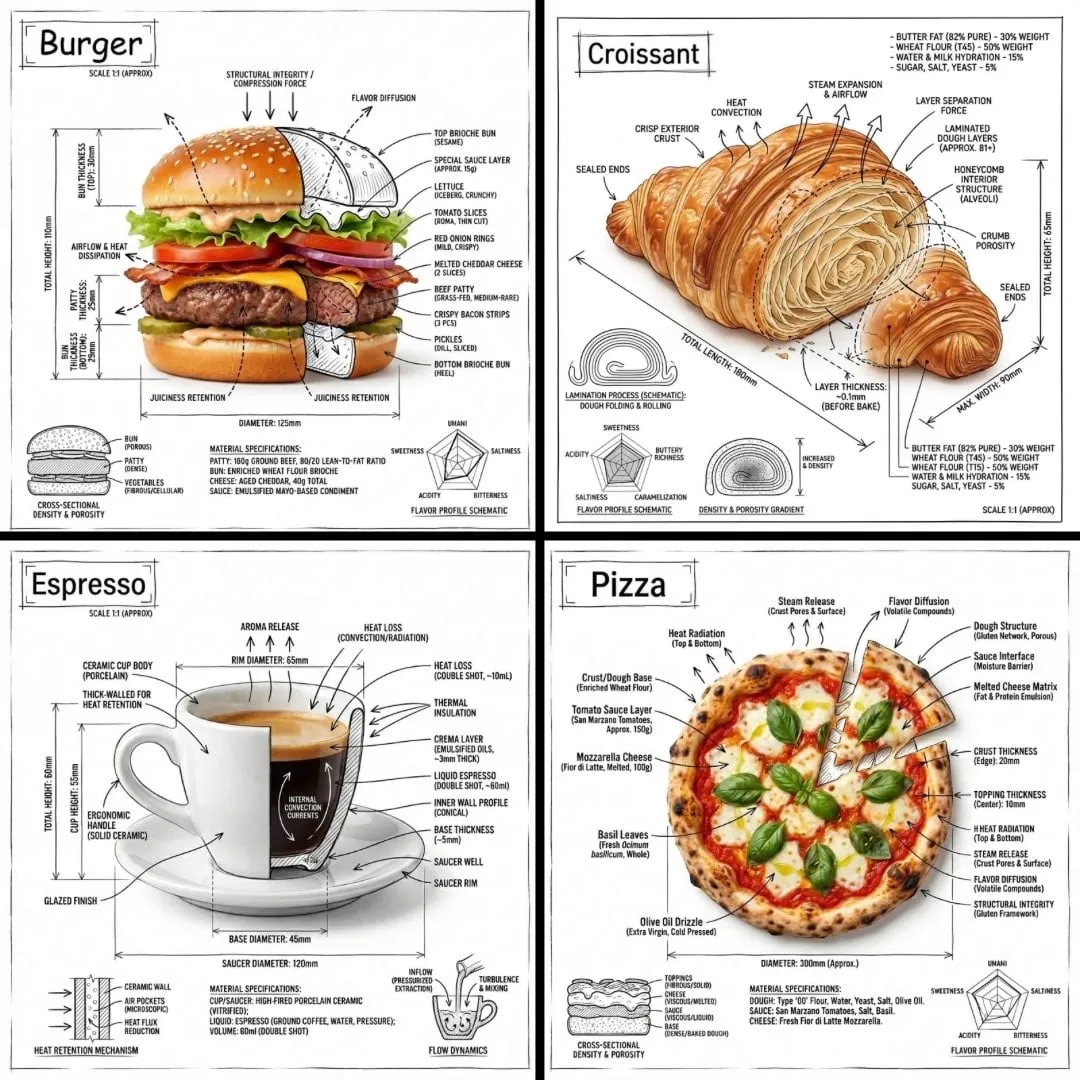
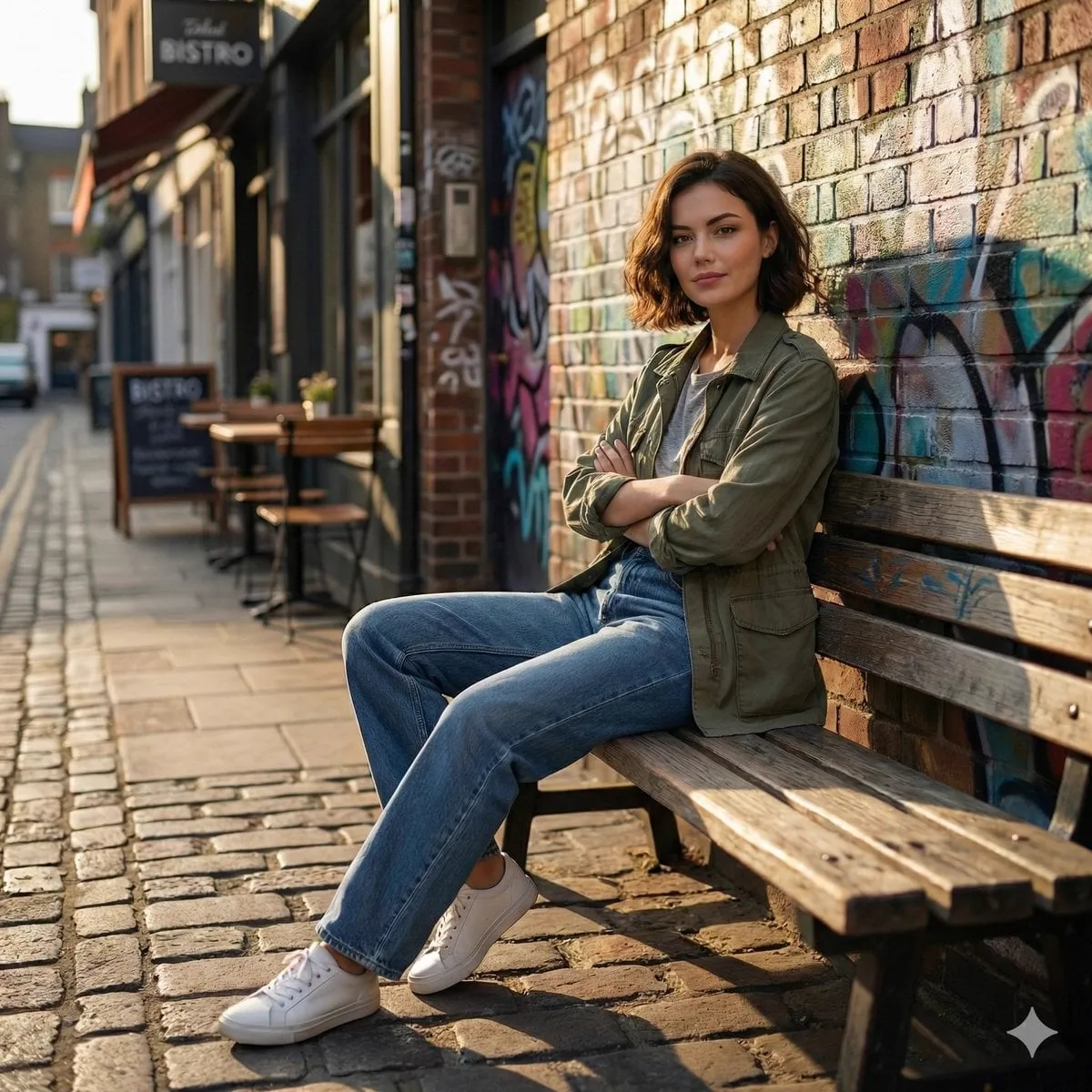
We are living through a radical shift in how visual content is made. AI image generators have become the cornerstone of that change: high-quality images no longer require hours of drawing, expensive photo shoots, or deep design skills. With a well-written text prompt, a diffusion model turns your description into a visual reality with astonishing accuracy — in seconds.
This guide explains how these tools work under the hood, what separates the leading models, how to write prompts that deliver what you imagine, and how to fit text-to-image generation into real commercial workflows.
Why text-to-image AI matters now
The technology has crossed the line from experimentation to professional production. The market for AI-generated content is growing rapidly, driven by advances in models that understand not just individual words, but long narrative context, spatial relationships, and visual style. In 2025, teams use AI image generation for:
- Marketing assets: social media creatives, ad variations, product mockups.
- Design exploration: mood boards, concept art, packaging ideas, UI backgrounds.
- Publishing and editorial: illustrations, cover art, infographic elements.
- Film and video pre-production: storyboards, look development, set design references.
- E-commerce: lifestyle shots, contextual product photography.
The common thread is speed and iteration. Instead of waiting days for a designer or a photographer, a team can generate dozens of variations in an afternoon and refine the direction before committing to expensive production.
The technical foundation: how diffusion models work
The impressive results of text-to-image generation rest on deep learning, especially diffusion models. These models work by a process of progressive denoising: they start from a completely random image of noise and, step by step, remove the noise guided by the semantic interpretation of the prompt. Each step brings the image closer to what the text describes.
The pipeline looks like this:
- The prompt is encoded into a semantic vector using a language model.
- A diffusion process runs for many steps, starting from random noise.
- At each step, the model predicts how to reduce noise while moving toward the prompt's meaning.
- The final result is a clean image matching the description.
Modern models add several refinements: attention mechanisms that link words to image regions, guidance scales that control how strictly the output follows the prompt, and conditioning on reference images for style or subject control.
Two practical consequences follow from this architecture:
- Specificity matters: the model can only render what the prompt encodes. Vague words produce vague images.
- Seeds and parameters matter: the starting noise is random, so the same prompt yields different results each time unless you fix the seed.
From conditional models to full-context architectures
Early image generators were conditional models: they paired a text input with a generative network, but their understanding of the relationship between words and pixels was shallow. The leading models today use transformer architectures that understand spatial relationships, object interactions, and narrative context much better. Models such as the Kling series and the Alibaba Wan series demonstrate how far this has come — they can place objects in a scene with correct relative positions, consistent lighting, and plausible interactions.
This improvement is what makes detailed prompts work. You can now describe a complex scene with multiple subjects, a specific time of day, a camera angle, and a color palette — and the model will honor most of it.
Precision and control: video models versus static image generators
While the focus often starts with still images, the dominant direction is the move toward high-quality video generation. Image capabilities integrate with consistent motion understanding: the same diffusion principles extend to sequences of frames, with additional constraints for temporal coherence.
For creators, the practical implication is a unified pipeline: generate key images with a still-image model for full control, then animate or extend them with a video model. The image becomes the anchor; the video model adds movement while preserving composition and character.
The new challenges: data quality and compute limits
As models grow more powerful, new constraints appear:
- Training data quality and neutrality: biased or low-quality datasets produce biased or distorted outputs. Responsible tools invest in diverse, high-quality training data and bias reduction.
- Compute requirements: running models like Sora Turbo or Flux Pro demands serious GPU resources. This is why most users access them through platforms rather than running them locally.
- Cost management: high-end models consume significant compute per image. Smart teams route simple jobs to efficient models and reserve premium models for hero assets.
None of these challenges blocks practical use — they just reward a strategic approach: match the model to the job, and reserve the expensive steps for the images that matter most.
Choosing an AI image generator
The field is crowded, so a decision framework helps:
- Sora: strong narrative understanding and scene coherence; excellent for cinematic stills and video foundations.
- Flux: reference-class image quality and typography handling; ideal for polished hero visuals and design assets.
- Kling: precise character detail and strong prompt adherence; good for people, animals, and product shots.
- Runway: a balanced creative tool with strong editing and video features attached.
- Alibaba Wan: competitive quality with particular strength in certain stylized outputs.
Decision criteria:
- If you need photographic realism with people, test models with strong character detail first.
- If you need text in the image (posters, logos, packaging), prioritize models known for clean typography.
- If your project is an animation or stylized look, check the model's style range rather than its realism.
- If you iterate a lot, pick a fast model for drafts and a premium model for finals.
Writing prompts that deliver
Prompt engineering is the highest-leverage skill in text-to-image work. A reliable structure:
- Subject: what is in the image? Be concrete about appearance, clothing, expression.
- Action and composition: what is happening, and how is the frame arranged?
- Environment: where is it, what time of day, what atmosphere?
- Style and medium: photorealistic, oil painting, 3D render, flat illustration?
- Technical parameters: aspect ratio, lighting, lens, color grading.
- Negative constraints: what to avoid — distortion, extra fingers, watermark artifacts.
Example:
"An elderly lighthouse keeper on a cliff at sunset, holding a brass telescope, dramatic storm clouds behind, warm golden light, medium shot, photorealistic, cinematic color grading, no blur, no text artifacts."
Then iterate: fix the seed, change one variable at a time, and keep a log of what works. This turns prompting from luck into a repeatable process.
AIGC platforms: one interface, many models
Most professional users work through platforms that aggregate many models behind a single interface. That delivers real value:
- Unified access: one prompt format, many models. You compare styles without switching tools.
- Consistency features: reference images and fusion techniques keep subjects stable across generations.
- Creative integration: generated assets flow into editing, video, and publishing tools.
- Resource management: dashboards and queues make it practical to run large batches.
The evaluation criteria for a platform: model diversity, output quality at the models you actually use, speed under load, and how well it fits your existing workflow.
The role of AI director agents
The newest layer of tooling is the AI director agent. Instead of you hand-crafting every prompt, the agent translates high-level instructions into technical prompts, composes scenes, and suggests camera and lighting choices. For example, you say "a cinematic reveal of a futuristic city at night" and the agent proposes several compositions, model choices, and prompt variants.
The agent is a force multiplier, not a replacement: your taste and judgment still select the final image, but the routine work — breaking down scenes, testing variations, checking consistency — becomes dramatically faster.
Commercial applications and practical challenges
Where does text-to-image pay off today?
- Ad creative testing: generate 20 variations, measure performance, double down on winners.
- Brand content: consistent visual style across channels, produced at a fraction of the cost.
- Product visualization: realistic lifestyle shots without a photo studio.
- Education and publishing: illustrations and diagrams on demand.
- Game and film pre-production: concept art and storyboards in days instead of months.
Practical challenges remain: keeping brand consistency across many generations, managing style drift, and ensuring licensing clarity. Address them with the same discipline as any production pipeline: documented prompts, fixed seeds for series, reference libraries for style, and rights-checked inputs.
A checklist for reliable results
Professionals get consistent results because they work systematically. A practical checklist:
- Define the purpose before writing the prompt: what will this image be used for?
- Write the prompt in the six-part structure: subject, action, environment, style, parameters, negatives.
- Set a seed for series work and document it.
- Generate three variants and select — do not accept the first output.
- Check the image at full resolution before using it.
- Log what worked for the next project.
Two rules save the most time:
- Change one variable at a time. If you change three things and the result improves, you will not know which one mattered.
- Keep a personal library of prompts that worked, organized by style and use case.
Ethics and disclosure
AI image generation raises legitimate questions about disclosure and rights:
- Label AI-generated content where the platform or audience expects it.
- Respect likeness rights: do not generate realistic images of real people without consent.
- Check model licenses before commercial use.
- Avoid deepfake-style content entirely.
Following these practices protects you legally and builds trust with your audience — a long-term asset that no shortcut can replace.
Frequently asked questions
Do I need design skills to use AI image generators?
No, but visual literacy helps. Understanding composition, lighting, and style names makes your prompts dramatically better.
Why do my images look different every time?
Because generation starts from random noise. Fix the seed to get reproducible results, and vary one parameter at a time to control the changes.
Can I use generated images commercially?
Most platforms allow it, but check the terms of each model. Some restrict commercial use or require disclosure. When in doubt, consult the official documentation.
How do I keep a consistent style across a series of images?
Use the same style reference, the same seed strategy, and a documented prompt template. Reference images are the strongest lever for style and subject consistency.
Are AI-generated images a replacement for designers?
No — they are a tool that changes the workflow. Design judgment, art direction, and final polish remain human work. Teams that combine AI speed with human taste produce the best results.
What is the biggest mistake beginners make?
Expecting a perfect image from the first prompt. Professional results come from iteration: generate, evaluate, refine. Budget time for that loop.
How do I keep text out of AI-generated images?
Add explicit negative constraints like "no text, no letters, no watermark" and avoid describing scenes that naturally include signage unless you want it. If text is unavoidable, use a model known for typography and check the result carefully.
What resolution should I generate at?
Generate at the highest resolution your tool offers for hero assets, and at draft resolution for exploration. Upscaling a good draft is fine; upscaling a bad composition just makes the problem bigger.
What is the best aspect ratio for social media?
Match the platform: 9:16 for short vertical covers and stories, 1:1 for feeds, 16:9 for video thumbnails and banners. Generate in the target ratio directly instead of cropping.
Conclusion
AI image generators have made visual creation faster, cheaper, and more accessible than at any point in history. The technology is mature enough for professional use, the model landscape is rich, and the workflows are well understood.
The practical recipe: understand how diffusion works, choose models deliberately, write structured prompts, use seeds and references for control, and iterate systematically. Apply that and you will turn text into visuals that are not just impressive — but exactly what you need.
