
Why Brand Storytelling Needs Consistency
Brands today face an impossible demand: produce more video than ever, at higher quality, with smaller budgets and faster deadlines. Traditional production pipelines cannot keep up. AI image-to-video - turning existing brand assets into moving scenes - has become the practical answer. But there is a catch: a brand is only as strong as its consistency. If your mascot looks different in every clip, if your product rendering changes color between scenes, or if your spokesperson ages ten years between shots, the audience notices and trust erodes.
This guide covers how to use AI image-to-video specifically to protect and strengthen brand consistency, from choosing the right source images to building a repeatable production workflow.
What Image-to-Video Actually Does
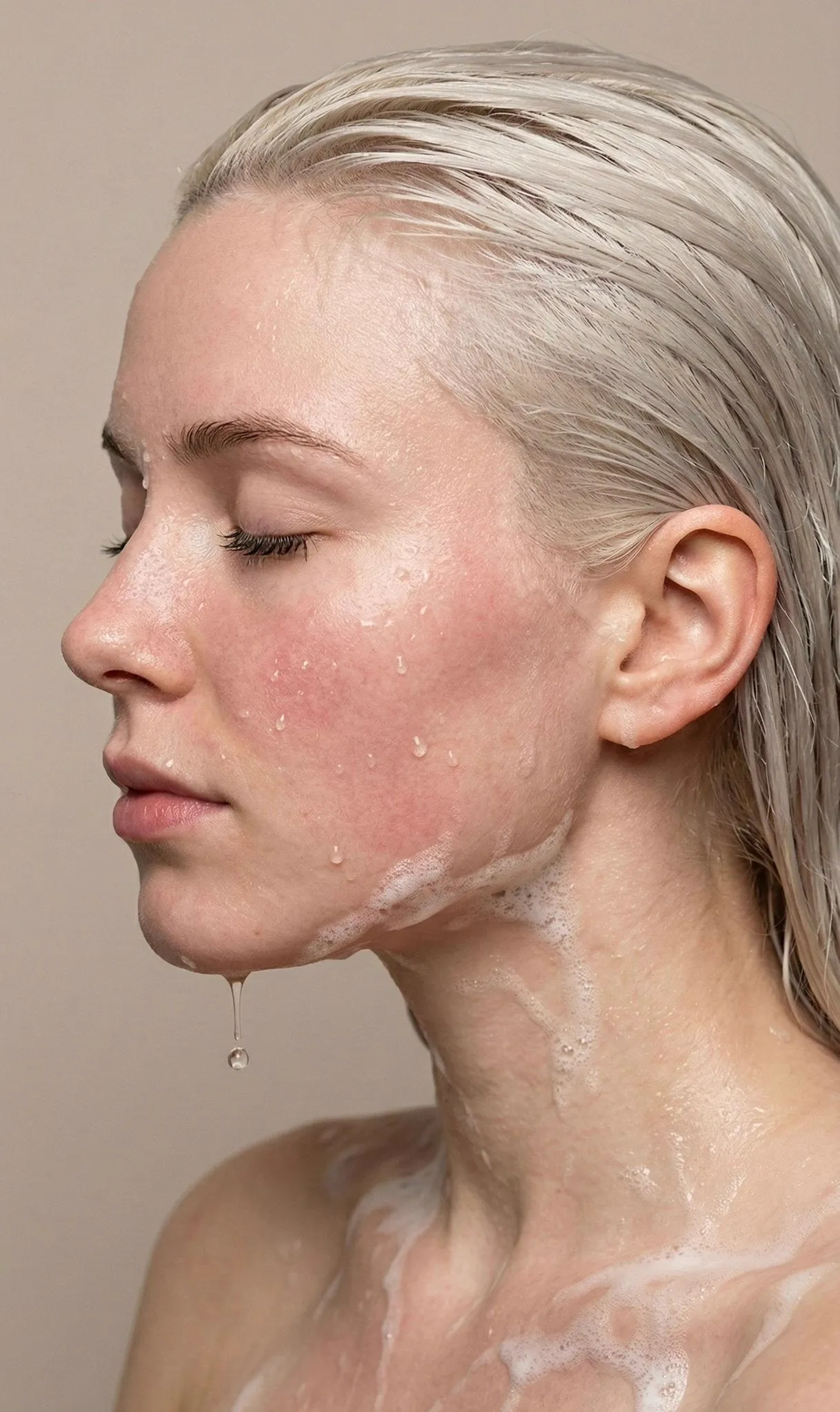
The idea is simple: give the model a still image and it generates the frames that follow, adding natural motion while keeping the scene recognizable. A product photo can slowly rotate. A portrait can gain subtle facial movement. A landscape can come alive with drifting clouds and flowing water.
What makes image-to-video valuable for brands is that it starts from assets you already own. You are not asking the model to invent your brand from a text prompt - you are asking it to animate what already exists. That is a much stronger position for consistency.
The Consistency Gap
Even with a good starting image, AI generation has a known weakness: every clip is generated independently. Generate the same product in two different scenes and the model may slightly redesign it each time. Run a series of clips with a character and the face may drift between takes. This is the consistency gap, and it is the difference between a brand campaign and a random collection of AI clips.
The gap shows up in three common ways:
- Temporal flickering: small details pulse or shimmer between frames.
- Object permanence: props or products change size, color, or disappear.
- Style drift: lighting, palette, and mood shift between scenes.
Each of these breaks the illusion of a single, unified production.
Building a Consistent Brand Asset Base
The fix starts before you generate anything. Treat your brand's visual identity as a structured asset library:
Define the visual grammar
Write down the non-negotiables: the brand palette, the lighting style, the camera language, the approved mascot or character design. Every generation should be checked against this grammar.
Curate reference sets
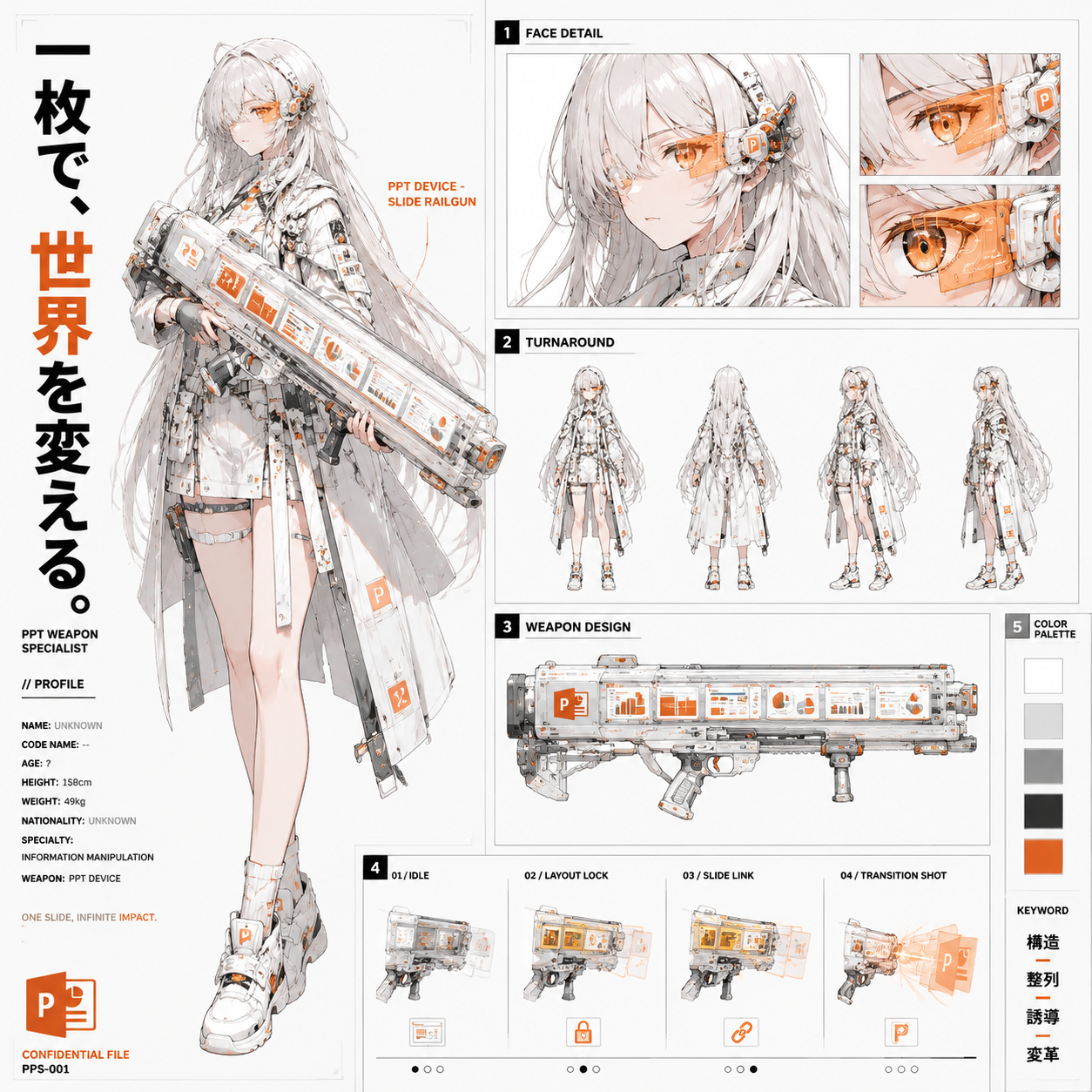
For any recurring element - a mascot, a product, a spokesperson - collect 10-15 high-quality images from different angles and lighting conditions. These become the identity anchor. When you animate, the model uses these references to keep the element recognizable across scenes.
Lock approved outputs
When a generation finally matches the brand, save it as an approved reference. Future scenes can build on it instead of starting from zero.
A Workflow for Brand Campaigns
1. Start from owned assets
Use your best product shots, character art, or campaign stills as the starting image. The closer the source is to your brand's real look, the less the model has to improvise.
2. Write motion prompts, not scene prompts
Describe the movement, not just the content: "camera pushes in slowly, soft light, steam rising from the cup". Motion prompts keep the scene anchored while giving the model direction.
3. Generate, validate, lock
Generate a first pass, check it against the visual grammar, fix what breaks, and lock the version that passes. Keep the locked version as the reference for the next clip.
4. Batch by scene, not by prompt
Produce one scene at a time but carry the same references forward. This builds continuity across the whole campaign instead of treating each clip as an island.
5. Review with fresh eyes
Before publishing, watch the full sequence. Compare first and last clips. If the character or product has drifted, go back to the references and re-generate the weakest scenes.
Protecting the Brand Voice
Consistency is not only visual. The tone of motion matters too. A luxury brand moves differently than a streetwear brand: slower camera work, more deliberate pacing, softer transitions. Your motion prompts should encode this. When you write prompts, include the mood and pacing as seriously as the visual details.
This is also why reusing the same prompts across scenes is a mistake. Every scene needs a prompt tuned to its role in the story, while the references carry the identity. The story changes; the brand does not.
Common Mistakes and Fixes
Mixing inconsistent references
References of the same product in completely different styles confuse the model. Keep the reference set stylistically unified.
Asking for too much motion
Aggressive camera moves and dramatic action increase drift. Start subtle and increase intensity only when needed.
Skipping validation
Publishing a clip without checking it against the brand grammar risks a small error becoming a public mistake.
Ignoring the source quality
A low-resolution product photo produces a low-resolution video. Invest in the source images first.
Tools for the Workflow
The workflow works best when the tool preserves your starting image faithfully. Domer's AI video generator accepts images as the starting point and keeps the scene anchored to the reference, which makes it a solid base for brand work.
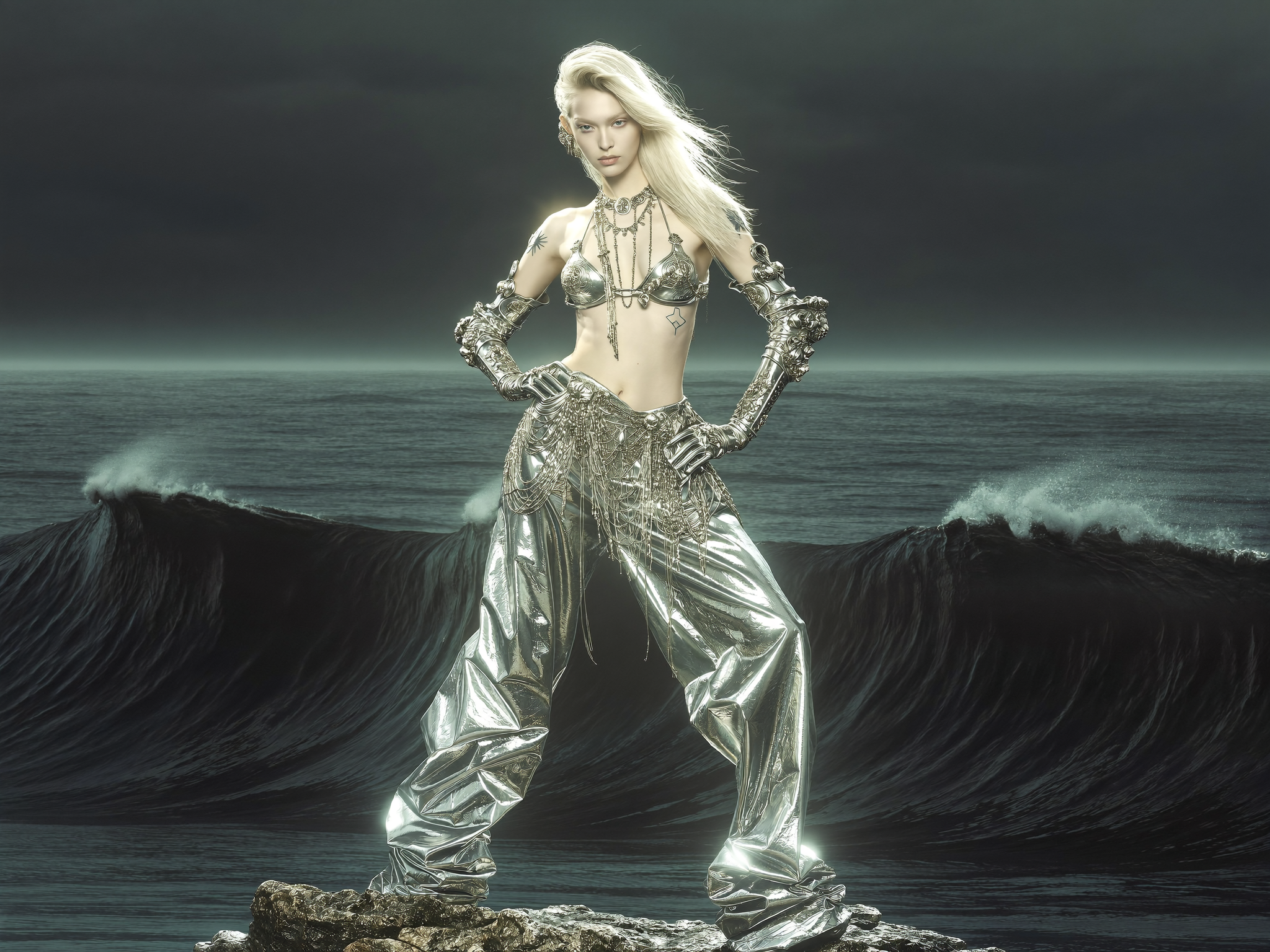
If you need to create or upgrade brand imagery first, the AI image generator helps build consistent product and character visuals before animation. For style-heavy campaigns, models like GPT Image 2 and Seedance 2.0 offer strong image foundations.
Checklist for Your Next Campaign
- Define the brand's visual grammar before generating.
- Curate a reference set for every recurring element.
- Start each scene from an owned, approved asset.
- Write motion prompts that include mood and pacing.
- Generate, validate against the grammar, and lock passing versions.
- Carry references across all scenes and review the full sequence.
- Fix drift at the source: improve references, not just prompts.
Consistent brand storytelling is a production discipline, not a lucky accident. With structured references, a clear visual grammar, and a validation loop, AI image-to-video becomes a reliable extension of your brand team instead of a gamble. For more practical guides on video production and AI workflows, visit the Domer blog.
