
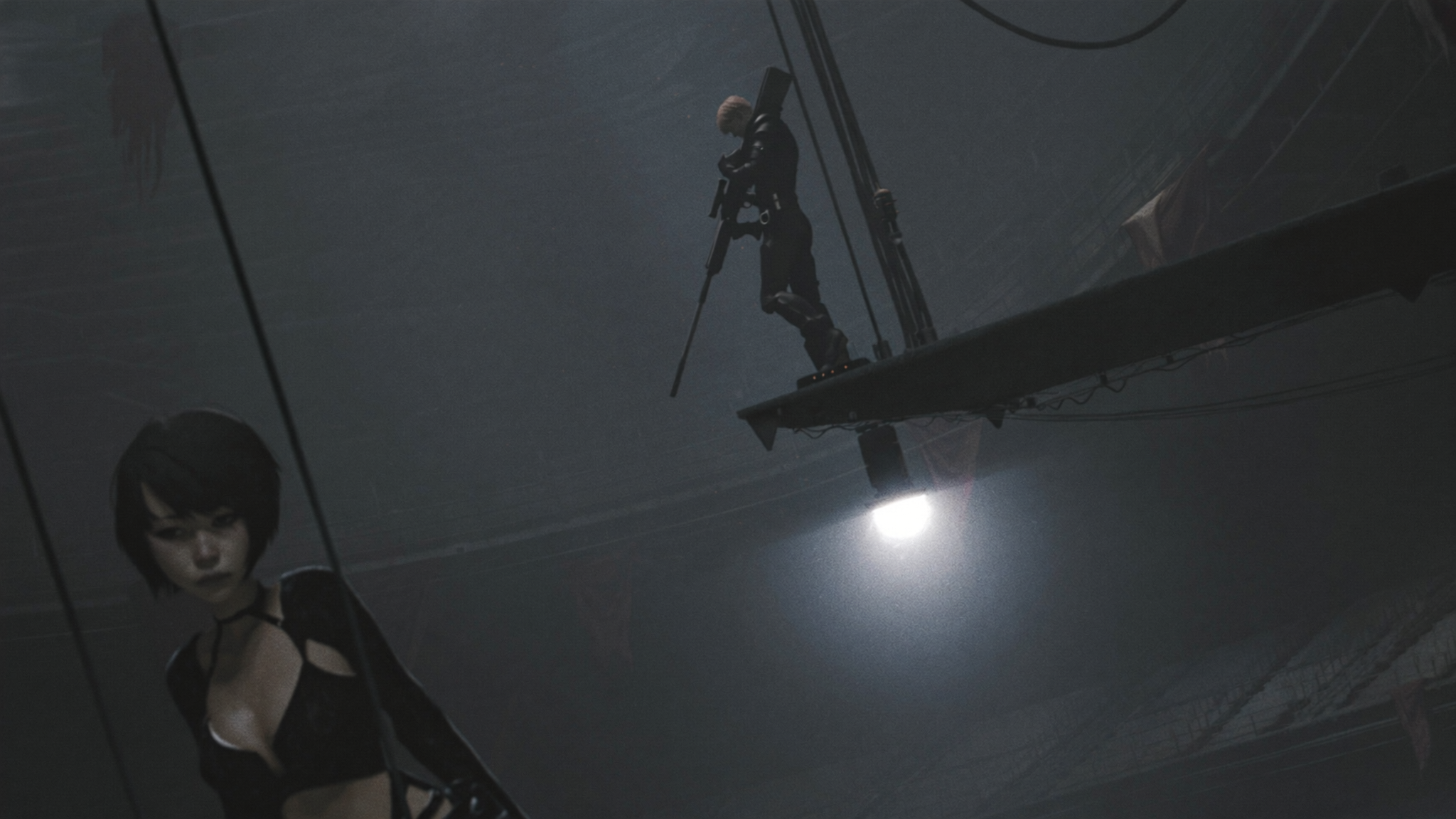
A single still image, frozen and full of potential, and a short prompt asking to bring it to life. A few seconds later, the image moves: the hair shifts, the light plays across the frame, the subject turns naturally, and motion feels continuous rather than stitched together. This is the promise of image-to-video generation, and it has moved from a lab curiosity to a staple of real content production at surprising speed.
The change matters because image-to-video occupies a sweet spot for creators. A start-to-finish text-to-video model can be imprecise, leaving you guessing what the camera will actually show. An image you have already refined gives you control: you decide the composition, the lighting, the subject, the mood, and then the video step preserves all of that while adding motion. It is the difference between describing a scene and pointing at a scene you already trust.
Over the last year the quality bar has risen dramatically. Movement stays coherent, characters remain recognizable across frames, and the artificial flicker that used to define AI video is increasingly rare. For anyone producing social clips, marketing assets, or narrative experiments, understanding how this works and where it still needs a human hand is now a genuine competitive advantage.
Why image-to-video is the workflow that wins
Most successful AI video pipelines begin with a strong keyframe. The single most reliable way to control what appears on screen is to make it yourself, commission it, or generate it, and then animate it forward. Text-to-video models are getting better, but they still leave a lot to chance when you have a precise vision in mind.
Image-to-video gives you three practical wins.
First, composition control. You decide exactly what is in frame before any motion happens, so you can craft a nearly perfect still and then let the motion breathe life into it. Second, character fidelity. A reference image anchors the subject's identity, which is far harder to enforce with text alone. Third, iterative speed. You can test a still, animate it, see what works, and go back to adjust the image instead of re-rolling a whole clip.
That combination makes the approach forgiving for beginners and powerful for professionals. You are always working from a baseline you can see, not from a description you are hoping the model interprets correctly.
The technology driving believable motion
What makes modern image-to-video different from the jumpy experiments of a few years ago is the way motion and visual detail are generated together.
Temporal consistency as the foundation
The hardest part of animating an image is keeping it stable over time. Early systems animated frame by frame, and each frame drifted a little, so the subject gradually changed face, the background shifted, and the result shimmered. The breakthrough came from models that think about whole sequences at once, modeling how the scene should evolve across time rather than treating every frame as an independent puzzle.
The practical result is that colors stay true, edges stop vibrating, and a character remains the same person from the first frame to the last. This temporal consistency is the single biggest reason creators started trusting AI video for real projects.
Latent diffusion and detail preservation
Many of the leading systems are built on diffusion architectures that work in a compressed visual space, then reconstruct a full-resolution image from what they have generated. This approach is powerful at preserving the fine detail of your source image because the motion is guided by the structure and identity of the original still.
You can push a prompt for a change in mood or environment, and the model adapts the lighting and atmosphere while keeping the core subject recognizable. The result feels like a scene being directed rather than a random morph.
Reference models and character anchoring
Another layer of control comes from reference models that lock in a subject's identity. Instead of hoping a text prompt keeps a character consistent, you feed the visual identity you want, and the pipeline uses it as a stronger anchor across frames and across separate clips. This is what lets you produce multiple scenes featuring the exact same character, which is essential for any form of serialized content.
A practical workflow: from still image to animated clip
You do not need to understand the mathematics to get good results, but you do need a repeatable process. Here is a workflow that consistently delivers.
1. Choose or create a strong keyframe
The quality of the output is capped by the quality of the still. Start with an image that already has good composition, clean lighting, and a clear focal subject. If the still is cluttered or muddy, no amount of animation will rescue it. Spend the time to make the keyframe look the way you want the final clip to feel.
2. Write a motion-first prompt
The prompt for image-to-video should describe movement, not static properties. Direct the camera: a slow push-in, a lateral parallax, a rack focus. Direct the subject: hair moving, a jacket shifting, lips forming words, a glance toward the lens. The more precise you are about motion, the less the model invents.
3. Generate and review the motion
Produce your first pass and watch it with fresh eyes. Check three things: whether the subject stays recognizable, whether the motion feels natural rather than wobbly, and whether any part of the frame breaks. If a single action fails, you rarely need to redo everything; adjusting the prompt or the keyframe and re-running is usually enough.
4. Keep the motion subtle when in doubt
Viewers gravitate to motion that feels intentional. A slow, confident move that matches the music almost always reads better than an overactive clip where everything is moving at once. Start restrained and add complexity only where the sequence genuinely benefits from it.
Common motion directives to try
Different situations call for different kinds of motion, and knowing a few reliable directives helps you describe what you want. A slow push-in lends weight to a dramatic moment. A lateral pan reveals environment and creates parallax as background and foreground move at different speeds. A subject turning toward the camera creates an intimate connection, while a subject moving away establishes departure or scale. Rack focus shifts which part of the frame is sharp, directing attention exactly where the text intends.
You can also direct the atmosphere rather than just the objects. Asking for a doorway to the light, a rising fog, or a slow exposure bloom changes the overall mood without altering the main subject. These scene-level directives are what push a clip from "a moving image" to "a deliberate shot."
Beyond the single clip: building longer sequences
One image gives you a moment. A film or a marketing series needs continuity across many moments. This is where image-to-video really changes the production calculus.
By anchoring every shot with a consistent reference for the subject, you can generate scene after scene where the same character appears with the same face, the same wardrobe, and the same visual style. Combined with transitions that match the rhythm of an edit, you can assemble what feels like a real sequence rather than a collection of unrelated clips.
You can also iterate on a scene as a whole. Render a batch of shots, assemble a rough cut, see where the pacing drags, and go back to regenerate or re-animate specific beats. The workflow starts to resemble a normal editorial pipeline, which is exactly the point: the AI becomes a production tool you direct, not a black box that occasionally surprises you.
Where the limits still live
Being honest about the technology keeps your expectations realistic and your quality high.
Complex physics and interactions. Swirling cloth, liquids, complex object interactions, and anything requiring precise physical simulation can still fall apart. Plan around these or fix them in post.
Extreme motion. The model handles natural movement well, but very fast or dramatic camera moves can introduce warping. Slow, controlled motion remains the safest ground.
Fine text and logos. On-screen text, logos, and other small geometric details can distort during motion. Keep them out of the moving areas or add them after the fact.
Long single takes. A single continuous shot pushed too far can drift. Breaking a long idea into several animated sequences, each from its own solid keyframe, produces more reliable results.
Practical editorial and sound integration
Motion is only half the equation for a finished piece. Once your clips move the way you want, the audio decides how they land.
Synchronizing cuts to the beat of the music makes AI-generated footage feel intentional and professional. If your subject moves a certain way, time your edits to emphasize it. For shorter formats, this beat-synced rhythm is often the difference between a clip people scroll past and one they watch to the end.
Generated voiceovers can carry narration, and subtle sound design gives weight to action beats that might otherwise feel weightless. Treat the audio as a full partner to the motion, and the final piece will read as a cohesive production rather than a stack of animated images.
Frequently asked questions
Do I need to know how to use a diffusion model to benefit from image-to-video?
No. Most tools expose a simple interface: upload an image, describe the motion, generate. Knowing the underlying terms helps you write better prompts, but it is not a requirement.
How much control do I really have over the result?
A great deal, especially if you invest in the keyframe and the prompt. You can direct composition, lighting, subject identity, and the general character of motion. You have less fine control over micro-details of physics, but those are rarely the deciding factor.
Can I keep the same character across multiple clips?
Yes, and this is one of the strongest use cases. A consistent reference identity lets you produce many shots featuring the same subject, which is essential for stories and brand content.
Is image-to-video faster than shooting live footage?
For many scenarios, yes. You can produce a usable animated clip in minutes rather than the setup and shoot time of a live production, and you can iterate without rescheduling a shoot.
What makes a good source image?
Sharp focus, balanced light, and a clean subject. The better the keyframe, the better the motion and the fewer artifacts you will see.
Choosing the right tools for your workflow
Not every image-to-video tool behaves the same way, and the right choice depends on what you produce most often. If you create social clips at volume, prioritize speed and simple templates. If you work on narrative or brand work, look for strong reference-based identity control and finer motion parameters. If you iterate heavily, seek out tools with fast replay and easy prompt editing so you can test variations without long waits.
Before you commit to a platform, run a small real project through it. Generate a keyframe, animate a short motion, and watch how much control you actually retain over the result. A tool that looks powerful on paper but fights you in practice will cost more time than it saves. Also check the underlying terms for commercial use, especially if you plan to license or sell the content you produce.
As your volume grows, consistency between tools becomes valuable. Choose a pipeline where the same keyframe and the same character reference can flow through each step, so you are not rebuilding identity from scratch every time you switch tasks. That connective thread keeps a body of work feeling like one coherent brand rather than a collection of experiments.
Cost-conscious generation and iteration
Generating video is more resource-intensive than generating a still, and costs add up quickly if you re-roll freely. Smart creators batch their work. Refine your keyframe until you are confident, then generate several motion variations at once instead of one at a time. Review them side by side, keep the strongest, and discard the rest in a single pass.
Adopt an iterative mindset rather than a perfectionist one. The first render rarely lands exactly, and that is normal. The goal is to get close, identify the specific thing that is wrong, and adjust only that. This targeted approach produces better results than starting over, and it keeps your resource spend predictable.
When working across a long project, reuse work wherever you can. A camera move that works in one scene can be adapted to another. A character reference carries across the whole piece. Learning to reuse instead of regenerate is what makes image-to-video sustainable for real productions.
Conclusion
Image-to-video generation has matured into a dependable creative tool. By starting from a keyframe you control, you keep command of composition, lighting, and character, and then let the motion models add believable life. The strongest workflows pair a refined still with a motion-focused prompt, keep subtlety where it helps, and use reference anchors to carry characters across an entire sequence.
The technology has a few honest limits, mostly around complex physics and extreme motion, but those are manageable with good planning. Paired with careful editing and sound design, image-to-video now lets a single creator produce work that looks professionally directed. The still image was always a promise of movement; now the movement finally follows through.
