
From Still Image to Moving Story: How AI Image-to-Video Is Changing Content Creation in Vietnam
Vietnam has one of the most active digital content markets in Southeast Asia, and short-form video is its beating heart. Platforms like TikTok, YouTube Shorts, and Facebook Reels dominate daily attention, while brands race to produce more content at higher quality. In this environment, image-to-video technology has moved from a curiosity to a practical production tool. Instead of shooting new footage, creators are now turning a single strong image into a moving scene, and the implications for advertising, independent film, and the creator economy are enormous.
This guide explains how AI image-to-video actually works, where it delivers the most value in the Vietnamese market, and how creators can build a reliable production workflow around it.
Why Image-to-Video Matters in Vietnam
The Vietnamese media landscape is saturated with static content. Text posts and photos no longer hold attention the way they did a few years ago, while video continues to dominate. Surveys consistently show that a large majority of Vietnamese internet users prefer watching video over reading or browsing photos. The demand for fresh, engaging, and fast-moving video content is at an all-time high.
At the same time, production budgets have not grown at the same pace as demand. Traditional video shoots require equipment, locations, actors, and post-production time. Image-to-video collapses most of that pipeline: if you can produce a good image, you can produce a moving shot. This makes professional-looking video accessible to small businesses, individual creators, and regional production teams that would previously have outsourced the work.
How the Technology Works
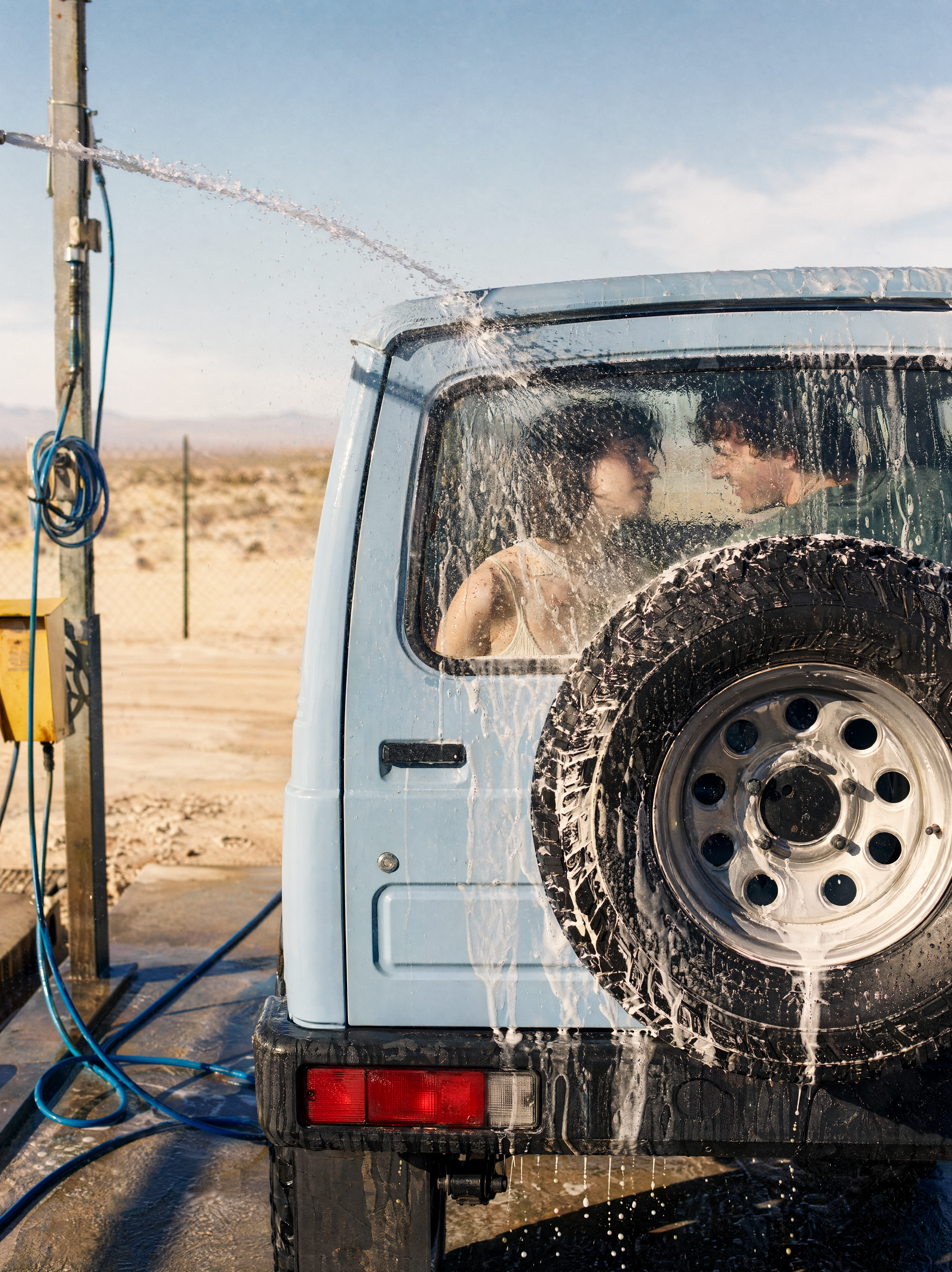
Image-to-video starts with a static image and asks the model to imagine the motion that follows from it. The model analyzes the content of the picture: the subject, the background, the spatial relationships, and the likely physics of the scene. It then generates a sequence of frames that extend from the original image while keeping the subject recognizable.
The key difference from text-to-video is control. A text prompt can describe a scene, but the generated result may not match the exact character or product you have in mind. An image gives the model a concrete anchor. This is why image-to-video is the natural choice for brand campaigns, e-commerce product videos, and any project where visual identity matters.
Modern models also offer controls for motion intensity, camera movement, and duration. You can tell the model to add a subtle push-in on a product shot, a slow pan across a landscape, or an energetic camera move for a fashion clip. The same source image can be reused across many variations, which makes iteration cheap.
The Core Workflow: From Photo to Moving Scene
A reliable image-to-video workflow has five stages:
- Source image selection: start with the strongest possible still. High resolution, good lighting, and a clear subject will always produce better motion than a weak image with heavy editing.
- Reference consistency: if the video includes a character or product, prepare multiple reference images from different angles. This helps the model keep the identity stable across shots.
- Motion specification: decide what should move and how. Write a short instruction that names the subject, the type of movement, and the camera behavior.
- Generation and review: render a first pass, check whether the motion is natural and the identity holds, and adjust the instruction or the source image.
- Assembly and polish: combine the moving shots, add music, voice, or subtitles, and finish in your editing tool of choice.
This loop is fast enough that a creator can test several creative directions in a single afternoon, which was unthinkable with traditional production.
Where Image-to-Video Delivers in Vietnam
Where It Delivers the Most Value
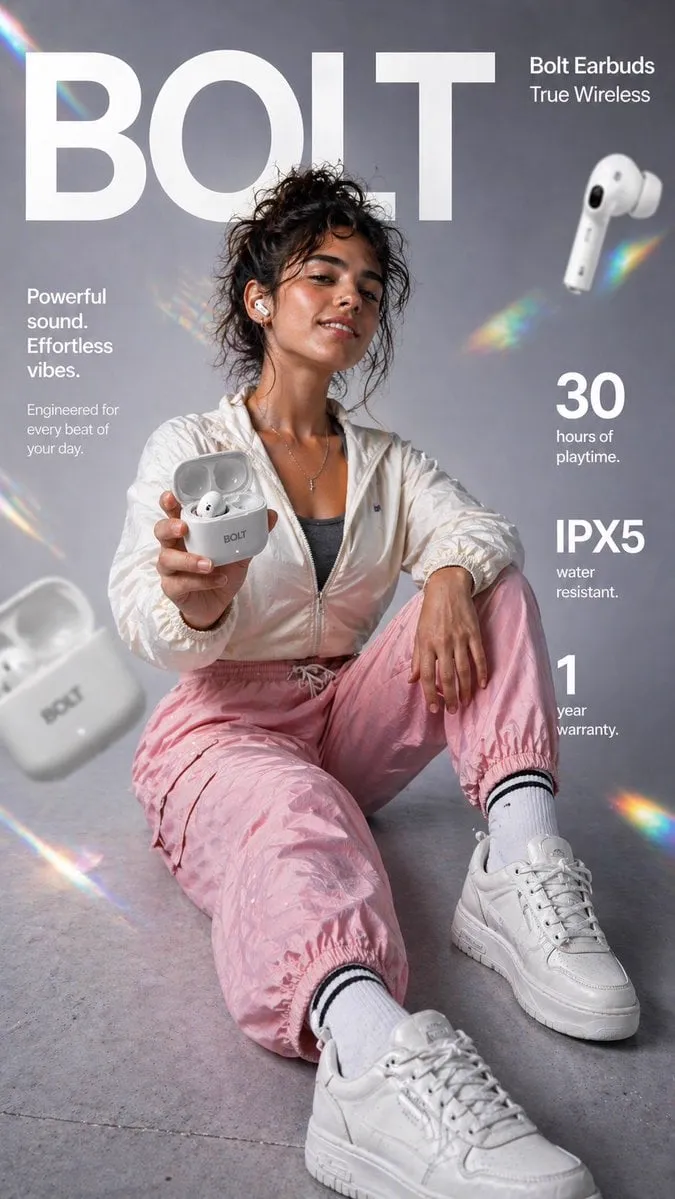
Advertising and e-commerce are the clearest winners. Vietnamese online sellers constantly need product videos for shop listings, social ads, and livestream previews. Image-to-video turns a catalog photo into a rotating, animated product shot in minutes, at a fraction of the cost of a studio shoot. Seasonal campaigns can be refreshed quickly by reusing the same product images with new motion styles.
Independent film and entertainment production is the second area. Short films, music videos, and web series creators use image-to-video for concept visualization: testing how a location would look in motion, pre-visualizing a scene, or filling gaps in a storyboard. It lowers the barrier to entry for young filmmakers who cannot afford expensive pre-production.
The third area is community and creative economy development. Tutorials, educational content, and local storytelling channels can produce illustrated animated scenes from simple artwork or photos, enabling creators without camera crews to build a consistent visual world. As the community grows, the demand for related skills, prompt writing, and asset preparation creates new freelance opportunities.
Practical Tips for Vietnamese Creators
- Start with product and testimonial content: these have the clearest commercial value and the simplest visual requirements.
- Keep the same reference image across a campaign: consistency of the product or character is what separates professional content from random clips.
- Match the motion to the platform: vertical composition for TikTok and Reels, square for Facebook feed, horizontal for YouTube.
- Use Vietnamese-language prompts or bilingual prompts where the tools support them, and always review generated text overlays carefully.
- Build a small library of source images: a catalog of clean product photos, location stills, and character references will let you generate on demand.
Real-World Constraints: Hardware, Cost, and Rights
Hardware, Speed, and Cost Realities
Image-to-video generation is compute-intensive, and the practical constraints are real. Most creators use cloud platforms rather than local GPUs, which means queue times and usage limits are part of the workflow. The common pattern is to batch: prepare all the source images and instructions first, then run generations in a batch rather than one at a time.
Cost management follows the same logic as any production budget. Draft with faster, cheaper settings to validate the idea, then spend the expensive passes on the shots that actually make it into the final cut. Track which models and settings produce the best results for your specific content type, and standardize on them.
Legal and Intellectual Property Considerations
As generative content becomes mainstream in Vietnam, creators need to be careful about rights. Always use images you own or have the right to use as source material. If you generate reference images from AI, keep records of the prompts and settings for your own protection. For commercial work, confirm that the platform's terms allow commercial use and that the output does not infringe on recognizable real people or protected brands.
Watermarking and disclosure are also becoming standard practice. Many platforms now label AI-generated content, and audiences are increasingly tolerant of disclosure when the content is high quality. Transparency builds trust, and trust drives engagement.
Running a Production System
Building a Repeatable Content Calendar
Consistency of output matters as much as quality. A brand that posts sporadically loses the compounding effect of a predictable publishing rhythm. Image-to-video shines here because the production time per asset is short, which makes a content calendar realistic even for small teams.
Build the calendar around themes, not individual videos. For example, a food brand might run a weekly "dish of the week" series where each episode is built from a single hero image of the dish. An e-commerce store might refresh product videos every month using the same camera-style notes. A real estate agent might animate a photo of each new listing into a short walkthrough-style clip.
For each slot in the calendar, define in advance: the source image to use, the motion instruction, the voiceover or caption angle, and the platform target. When the slot arrives, the production is an execution task, not a creative debate. This is how image-to-video moves from an experiment to a genuine production system.
Choosing the Right Tool for the Job
The image-to-video market now offers many options, and the choice of tool is a workflow decision, not a popularity contest. Evaluate tools against your specific needs:
- Output quality: generate test clips from the same source image in each candidate tool and compare motion naturalness and identity retention.
- Controls: does the tool let you specify camera movement, motion intensity, and duration? This matters more than raw quality for narrative work.
- Speed and queue behavior: how fast are typical jobs, and can you batch? For daily publishing, throughput is a feature.
- Language support: if you work with Vietnamese text overlays or voiceovers, check how the tool handles the language and the fonts.
- Cost structure: estimate your monthly volume and compare per-asset costs, not just the headline price.
Keep the selection lightweight. Run one small project through two or three candidates, pick a primary tool, and revisit the decision only when your volume or content type changes. Switching tools for every trend is a productivity trap.
Working with a Team or as a Freelancer
Image-to-video has also changed how production work is divided. In a small team, the cleanest split is: one person owns the source image library and creative direction, another owns generation and iteration, and a third handles assembly, audio, and publishing. Clear ownership prevents the common failure where everyone tweaks prompts and nobody owns the result.
For freelancers, image-to-video creates a new service category: fast visual production for clients who need product videos, ad creatives, or localized content. The pitch is speed and cost, but the retention factor is reliability. Clients will keep paying for a workflow that consistently delivers, which means building a documented process and showing examples from past projects.
Whatever the structure, keep a simple project log: source assets, prompts, settings, outputs, and what the client approved. This log becomes your portfolio evidence, your billing record, and your quality baseline all at once.
A Checklist for Your First Image-to-Video Project
- Define the goal: what should the viewer feel or do after watching?
- Prepare the strongest source images, including reference shots for any recurring subject.
- Write a short motion instruction for each shot.
- Generate a draft pass and review the sequence as a whole.
- Regenerate weak shots with adjusted settings.
- Add audio, captions, and branding in the edit.
- Publish, measure retention and engagement, and document what worked.
Frequently Asked Questions
Do I need a powerful computer to use image-to-video tools? No. Almost all practical workflows run in the cloud, so a laptop with a stable internet connection is enough.
How different is the result from a real filmed video? For product shots and stylized scenes, the gap is small and shrinking. For complex live-action performances, real footage is still superior. The strategy is to use AI where it is strong and film where it is essential.
Can I use my own photos as the source image? Yes, and this is often the best approach, especially for products and real locations, as long as you have the rights to use them.
Is image-to-video good for vertical short-form content? Very good. The format favors single clear subjects, which is exactly what image-to-video handles best.
What is the biggest mistake beginners make? Starting with weak or inconsistent source images. The quality ceiling of the output is set by the quality of the input, so invest time in the stills first.
The Bottom Line
Image-to-video is not a replacement for filmmaking; it is a new layer of production that removes the gap between an idea and a moving image. For Vietnam's fast-moving content market, that gap was the bottleneck. Creators and brands who build a clean source-image library, a repeatable workflow, and a habit of measuring results will be the ones who turn a single photo into an audience that stays watching.
The opportunity is practical, not theoretical. Start small: pick one product or one series, prepare a small set of source images, and publish a handful of test videos. Measure which motion styles and topics your audience responds to, then double down on what works. The tools improve every quarter, but the competitive advantage belongs to the creators who already have a workflow, a library, and a habit of iteration. That advantage compounds quickly, and it does not require a large budget or a technical background. It requires a decision to treat image-to-video as a production system rather than a novelty, and the discipline to run it week after week.
