
What AI Generation Can Do Today
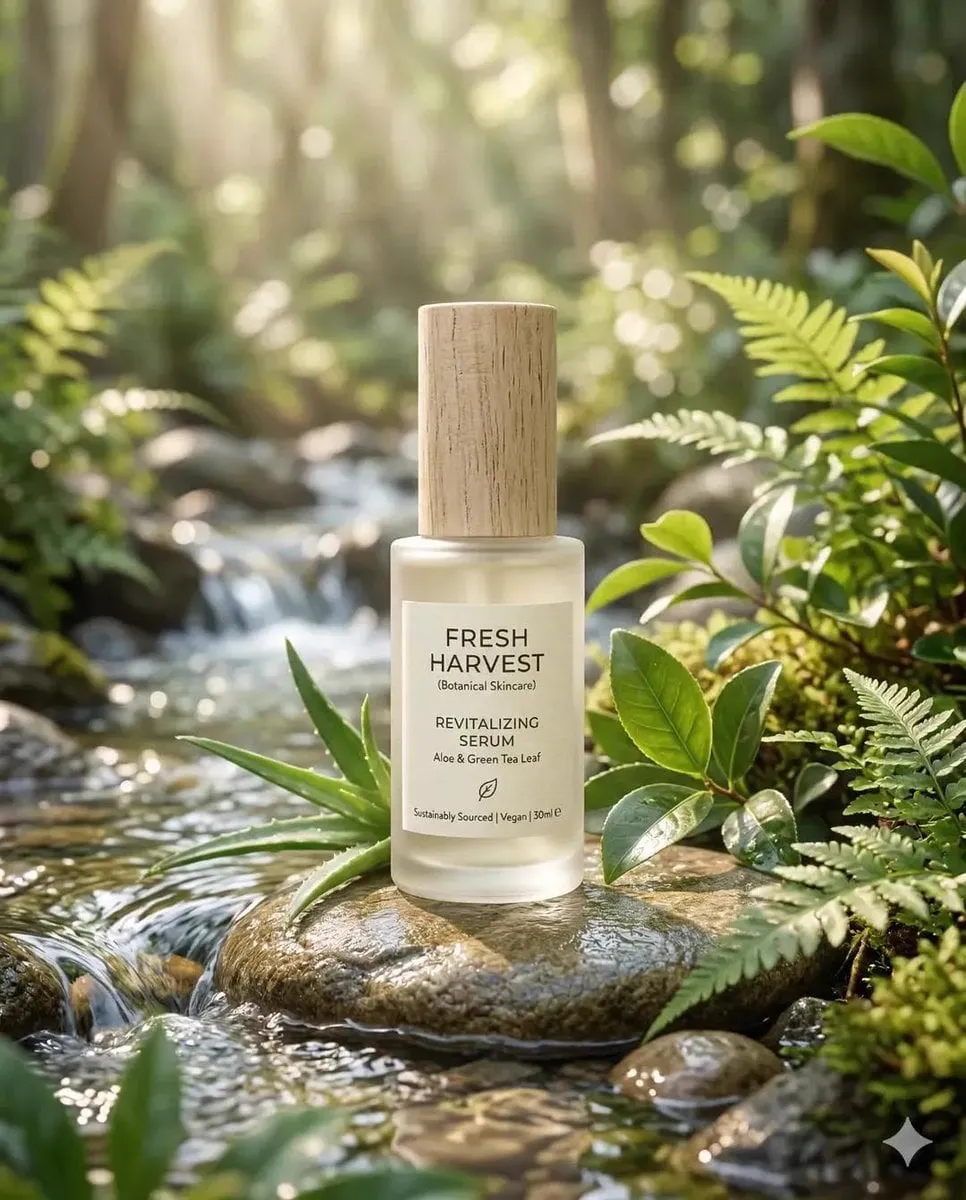
Image and video generation has moved from a novelty to a production tool in a very short time. The models available today can create photorealistic stills, animate them into coherent video clips, simulate camera movement, and maintain the identity of a character across multiple shots. For marketers, filmmakers, educators, and product teams, this means visual content that once required a budget and a crew can now be produced by one person with a text prompt and a willingness to iterate.
The quality bar keeps rising. The best current models understand real-world physics well enough that a falling object behaves believably, and they respect temporal consistency well enough that a scene does not dissolve into a different scene every second. This is not magic; it is the result of training on enormous amounts of visual data, and it has practical consequences. A product team can create ad creative variants in an afternoon. An indie filmmaker can storyboard a full short film before spending any money. A teacher can generate illustrations that explain a concept exactly the way the lesson needs it.
The key is knowing what each tool does well and building a workflow around those strengths. This guide walks through the model landscape, the prompting skills that matter, and the consistency techniques that turn random generations into a deliberate production.
Image Models vs. Video Models: What to Use When
A surprising number of projects fail because they reach for a video model when they actually need images, or vice versa. The distinction is simple but consequential.
Image models produce a single frame. They are best for concept art, keyframes, style exploration, product shots, thumbnails, and any situation where you control the composition completely. Because there is no temporal dimension, image models are easier to control precisely, and they are much cheaper to iterate on. A designer testing ten style directions for a brand campaign wants image models, not video models.
Video models produce sequences. They are best for motion, storytelling, and anything that needs time: a product demo, a character walking through a scene, a transition, an ambient clip. Video models consume far more compute, and they inherit the difficulty of maintaining consistency across frames. Every generation is a bet that the model keeps the subject recognizable from start to finish.
The professional pattern is to combine both. Lock the look with image models first: generate keyframes, choose the best one, and fix the style. Then feed those images to a video model as reference material and animate. This image-first, video-second workflow is the single most reliable way to get controlled results, because it separates the decisions that are easy to make on a still from the decisions that require motion.
Model Landscape: Sora, Luma AI, Runway, Kling, and Others
The current landscape is crowded, but the models cluster into a few families with distinct personalities.
OpenAI Sora is the model to consider when you need narrative coherence and physical realism. It handles long sequences and complex interactions between objects better than most alternatives. If a scene requires several characters reacting to each other in a believable way, Sora is a strong candidate.
Luma AI, particularly its Ray series, focuses on smooth motion and accessible quality. It is a popular choice for creators who want good results without wrestling with heavy prompt engineering, and its efficiency makes it suitable for projects that need many iterations.
Runway's Gen series is the workhorse for consistency. It is well known for keeping characters and objects recognizable across shots, which makes it a default choice for narrative work. Gen models also integrate with a full editing suite, which simplifies the path from generation to finished video.
Kling AI and PixVerse represent the fast, controllable end of the market. Kling offers strong motion control, while PixVerse is known for cinematic lens controls that let you simulate real camera behavior like dolly moves and focus pulls. MiniMax Hailuo and Pika are efficient options for high-volume work where speed matters more than maximum realism.
A practical comparison:
| Need | Model family | Strengths |
|---|---|---|
| Narrative coherence and physics | Sora | Long scenes, believable interactions |
| Character consistency | Runway Gen | Stable identity across shots |
| Smooth motion, fast iteration | Luma AI | Accessible quality |
| Lens and camera simulation | PixVerse | Cinematic camera controls |
| High-volume efficient generation | MiniMax Hailuo, Pika | Good quality at speed |
Do not treat this list as permanent. The landscape changes every few months. The skill that lasts is knowing how to evaluate a model for your specific project: test its consistency, test its prompt adherence, and test its speed before committing.
Prompt Engineering: The Fundamentals That Actually Matter
Prompting is the interface between your intent and the model's output, and it rewards structure. A prompt that works reliably has identifiable layers.
Start with the subject and action. What is in the frame, and what is happening? Be concrete. Instead of a man in a city, write a street musician playing a violin on a rainy crosswalk at night.
Add the environment and atmosphere. Where does the scene take place, and what does it feel like? Time of day, weather, and mood all matter. A scene at dawn reads differently from the same scene at midnight, and the model needs the cue.
Direct the camera explicitly. Close-up, wide shot, low angle, drone shot, handheld, tracking shot: these words change the output dramatically. If you want a specific lens feel, say so. Shallow depth of field, fisheye, telephoto compression, and other photographic terms are understood by modern models.
Specify the medium and quality. Photorealistic, cinematic lighting, 35mm film, digital art, watercolor, anime style: the medium keyword anchors the aesthetic. Adding quality markers like high detail, sharp focus, and film grain pushes the result toward a finished look.
For video prompts, describe motion and duration. What moves, how it moves, and how the camera moves across the clip. A prompt that describes a static scene will produce static-looking footage, because the model does not invent motion you did not request.
One prompt, one action. If a shot needs several actions, split it into several shots. Overloaded prompts produce muddled results, and the time you save by writing one long prompt is lost in regenerations.
Keeping Visual Consistency Across Shots
Consistency is the difference between a collection of clips and a story. When a character changes face between shots, or a product changes color, viewers lose trust in the entire piece.
The most powerful consistency tool is reference imagery. Feed the model several images of the same subject from different angles and lighting conditions, and it builds a stable identity before generating motion. Think of this as a casting sheet: front view, side view, three-quarter view, consistent wardrobe, consistent environment cues. The more complete the reference set, the less the model needs to invent, and the less it invents, the more stable the output.
Keyframe control is the second pillar. Rather than letting the model decide every moment, generate the important frames yourself: the opening composition, key poses, the final frame. Approve these stills before generating the motion between them. This turns the video generation process into an editing process, where you have approved anchor points and the model fills the gaps.
Style references work the same way for the overall look. If the project must match a specific art direction, generate one or two locked style images first and use them as references for every scene. This is how teams keep a series of clips feeling like one piece instead of ten experiments.
A Repeatable Workflow from Idea to Finished Clip
Put the pieces together into a workflow you can run on every project.
- Write the concept: what is the video about, who is watching, and what should they feel.
- Build the shot list: break the concept into individual shots, each with a single action.
- Lock the look: generate style and character references as images, and approve them.
- Generate keyframes for each shot, and approve or reject them before continuing.
- Animate: feed approved keyframes and references to the video model.
- Review and regenerate: reject anything that drifts, and re-run with tighter references.
- Assemble: edit the approved shots into a sequence with intentional pacing.
- Finish: add sound, music, and titles, then export for the target platform.
The workflow looks like extra steps, but it saves time overall. Rejecting a keyframe costs seconds. Rejecting a full video generation costs minutes and compute. Decisions made on stills are cheap; decisions deferred to the video stage are expensive.
Common Pitfalls and How to Fix Them
The most common failures have equally common fixes.
If outputs look generic, your prompts are too thin. Add environment, camera, and medium layers. If a character drifts between shots, your reference set is too weak. Add angles and keep the wardrobe and lighting consistent. If motion looks wrong, describe the motion explicitly and check whether the model family you chose is the right one for physics-heavy scenes. If nothing matches the brand style, lock style references first and reuse them everywhere.
If you are burning through generations without progress, stop and change something structural rather than re-rolling the same prompt. Change the model, change the reference, or change the shot breakdown. Insanity is re-running the same generation expecting a different result, and it is the most expensive habit in this field.
Building a Shot List That Works
The shot list is the bridge between the concept and the prompts. A good shot list turns a vague idea into a sequence of concrete, generatable units, and it is the tool that keeps a project from collapsing into a pile of random generations.
Start with the concept and break it into beats: what has to happen for the story to work, in order. Then split each beat into individual shots, each with a single subject, a single action, and a single camera treatment. Write a one-line description for every shot that includes the subject, the action, the camera move, and the mood. If you cannot write that one-liner, the shot is not defined well enough to prompt.
Number the shots and keep the list visible during production. When a shot comes back wrong, check the list before re-prompting: maybe the action was ambiguous, maybe the camera direction was missing, maybe the shot asks for too much. A shot list also makes rejection cheaper, because you can see exactly which unit failed and regenerate only that unit instead of re-running the whole project.
For longer projects, add a reference column to the shot list. Note which style images and character references apply to each shot, so the prompts stay anchored to the approved identity. The shot list is not paperwork; it is the production plan, and it is the difference between a team that generates deliberately and a team that generates hopefully.
FAQ
Do I need a powerful computer to generate AI images and videos?
No. Most generation happens in the cloud, so your computer is just the interface. You need a stable internet connection and a browser. The model quality and your prompting skill matter far more than your local hardware.
Which model should I start with?
Start with an image model to learn the basics of prompting, then add one video model. Choose a fast, forgiving video model for early projects and upgrade to a consistency-focused model when you have a project with a recurring character.
How long does a single video clip take to generate?
It varies from under a minute to several minutes depending on the model, the length of the clip, and the resolution. High-volume projects should plan for iteration time, since most professional results require multiple attempts per shot.
Can AI-generated video replace a film crew?
For many types of content, yes: social clips, explainers, product demos, concept visualizations. For complex narrative productions with dialogue, actors, and intricate blocking, AI is a previsualization and augmentation tool rather than a full replacement, at least for now.
How do I keep the same character across an entire video?
Build a complete reference set of the character from multiple angles, generate and approve keyframes for the important moments, and keep the wardrobe and lighting consistent across all shots. Use a model family known for identity consistency, and regenerate any shot where the character drifts.
