
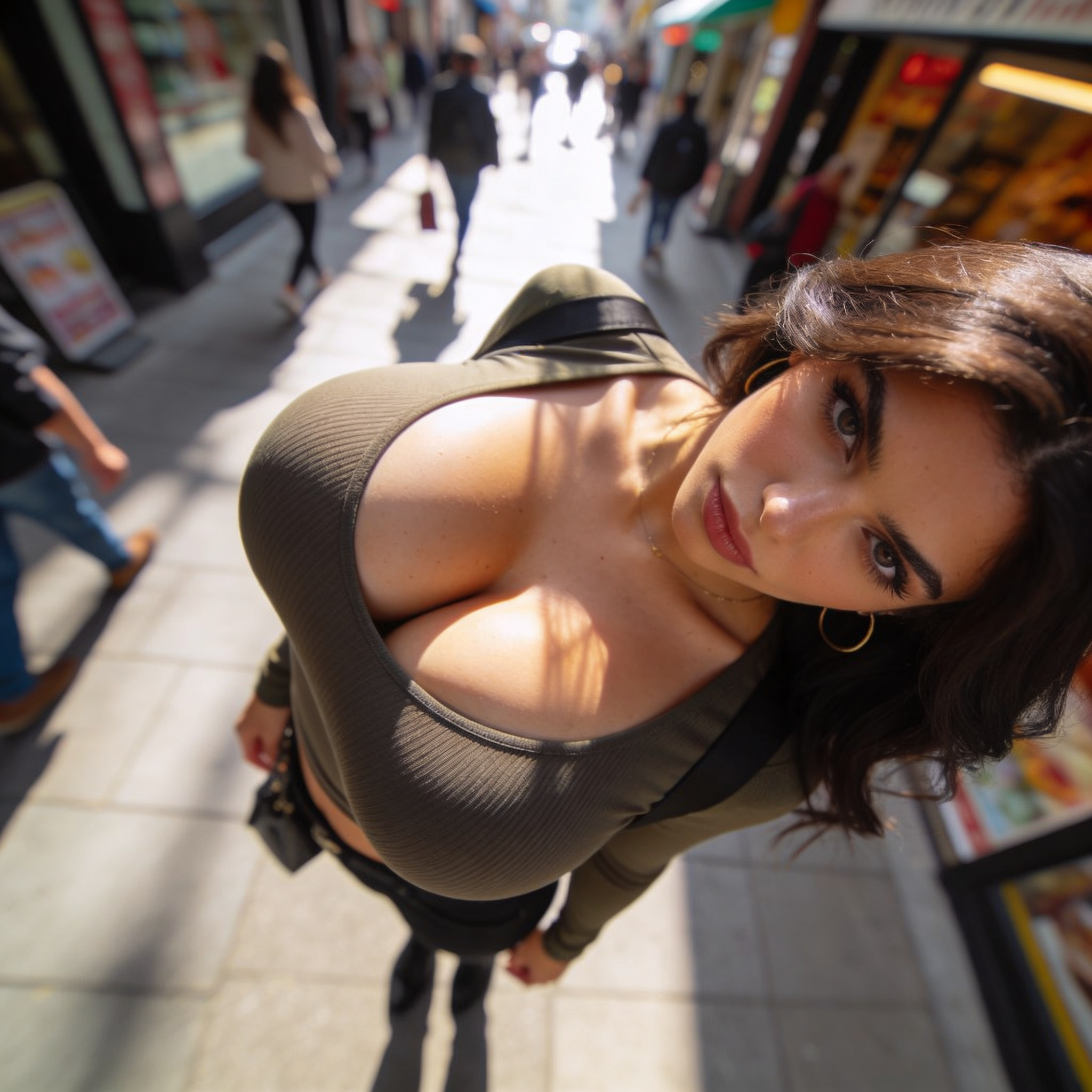
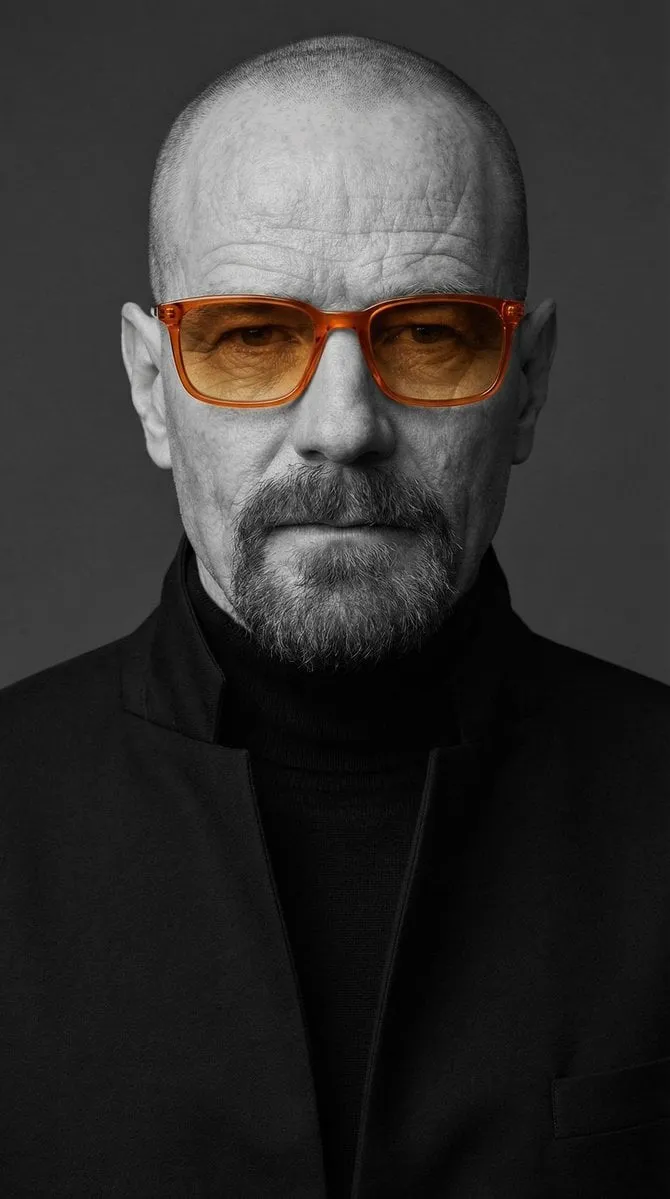
The difference between a generic AI image and an image that makes people stop scrolling is rarely the model. It is the prompt. Most creators still type a sentence and hope for the best, then wonder why the output looks flat. Prompting is not magic and it is not luck: it is a structured skill with predictable rules. This guide breaks down the anatomy of effective prompts for AI image and video generation, with concrete techniques you can apply today.
Why prompting became the core creative skill
Generative models have gotten dramatically better at understanding language, but they are still literal-minded. They do not read intention between the lines. When you write "a woman walking in the rain," the model has to guess everything else: the city, the time of day, the camera angle, the mood, the color palette, the style. Most of those guesses will be average, and average is the enemy of memorable content.
The creators who consistently produce stunning results treat the prompt as a creative brief. They specify what matters, they borrow visual vocabulary from photography and cinema, and they know which knobs actually change the output. That is why prompting has become the core skill of AI-assisted content creation: it is the interface between human taste and machine execution.
The anatomy of a strong prompt
A useful prompt has four layers. The first layer is the subject: what is actually happening in the image or video. Be specific about the action, the actors, and the objects. Instead of "a robot in a workshop," write "a small cleaning robot repairing a vintage motorcycle in a dusty garage, sparks flying from a welder."
The second layer is the environment: where the scene takes place and what surrounds the subject. Location, time of day, weather, lighting, and background details all shape the mood. "A neon-lit noodle bar in Tokyo at midnight, steam rising from the kitchen, rain on the window" paints a completely different picture than "a restaurant at night."
The third layer is the visual style: the artistic language of the output. This can be a genre (cinematic, documentary, anime), a medium (oil painting, 35mm film, 3D render), or a reference to a known aesthetic (neo-noir, cyberpunk, impressionism). The style layer is where personal taste shows.
The fourth layer is the technical specification: aspect ratio, resolution, framing, camera movement, and quality keywords. This layer matters most for video, where camera language determines whether the result feels professional or amateur.
A strong prompt is not a wall of text. It is a prioritized brief: subject first, then environment, then style, then technical controls. Order matters because most models weight earlier terms more heavily.
Style and mood: speaking in visual metaphors
The fastest way to improve your outputs is to stop naming the emotion and start describing its visual equivalent. "Sad lighting" tells the model almost nothing. "Dim tungsten light, long shadows, desaturated colors, a figure alone in a wide empty room" tells it exactly what to render.
Think in metaphors that the model can translate. A mysterious scene becomes "fog rolling over a dark forest, cold blue tones, silhouettes barely visible." A nostalgic scene becomes "warm golden-hour light, film grain, faded colors, an old family kitchen." A futuristic scene becomes "clean white surfaces, soft ambient glow, minimalist architecture, subtle cyan highlights."
This technique works because diffusion models were trained on vast amounts of images paired with descriptive text. The closer your language is to the language used in those captions, the more accurately the model maps your words to visual features. Professional art direction language — chiaroscuro, bokeh, depth of field, color grading, negative space — consistently outperforms vague emotional words.
Technical parameters that actually matter
Beyond the descriptive text, several parameters control the quality and dimensions of the output. Knowing them saves you hours of trial and error.
Aspect ratio determines composition. A 9:16 vertical frame suits short-form social video, 16:9 suits YouTube and film, and 1:1 suits feeds and thumbnails. Choose the ratio before you write the prompt, because the composition should fill the frame you will actually use.
Resolution and quality settings affect sharpness and detail. Most platforms let you choose between standard and high quality; use high quality for final renders and standard for exploration. Frames per second matters for video: 24fps gives a cinematic feel, 30fps is standard for web content, and 60fps suits fast action or game footage.
Motion strength or creativity settings control how far the model can drift from your description. Low values keep the output faithful but sometimes stiff; high values add inventiveness but risk inconsistency. Start at a moderate setting and adjust based on the result.
The seed parameter is one of the most underrated tools. A fixed seed makes generation reproducible, which lets you change one variable at a time and compare results fairly. When you find a composition you like, lock the seed and vary only the style or the lighting.
Using references without breaking the workflow
Modern generators accept reference images, and this changes everything for consistency. Instead of describing a character with words every single time, you upload a reference image and ask the model to keep the character while changing the scene or the action.
This technique, often called multi-image fusion, works by combining visual features from the reference with the instructions in your text prompt. It is the standard way to keep a character, a product, or a location consistent across multiple shots. For video, many tools also let you define the first and last frames of a clip, guaranteeing that the beginning and the end match even if the middle changes.
The discipline with references is the same as with text: keep them clean and specific. A reference image with multiple subjects confuses the model. Crop to the element you want to preserve, and state clearly what should stay the same and what may change.
Prompting motion and camera language for video
Video prompting adds a dimension that still images do not have: time. The most common beginner mistake is writing a video prompt exactly like an image prompt and hoping the model invents good movement. Instead, describe the motion explicitly.
Start with the camera. A "slow push-in" creates intimacy; a "dolly out" reveals context; a "handheld tracking shot" creates urgency; a "static tripod shot" feels calm and observational; a "top-down drone shot" gives a god's-eye perspective. Naming the camera move is the single highest-leverage addition to a video prompt.
Then describe the motion of the subject: "the dancer spins slowly, fabric flowing," "the car drifts around the corner, tires smoking," "the character turns to look at the camera, expression shifting from calm to fear." Action verbs plus direction plus speed give the model everything it needs.
Finally, consider the physical realism of the motion. Advanced models have been trained on real footage and handle natural physics well — fabric, water, hair, light — but they struggle with fast, complex interactions. If a clip looks wrong, simplify the motion or shorten the shot instead of fighting the model.
Keeping characters and scenes consistent across shots
Consistency is the difference between a clip and a story. A single AI video can look stunning and still fail as a narrative because the character changes face between shots. Fix this with a three-part system.
First, create a character reference sheet: one clean image of the character from a neutral angle, with consistent clothing and lighting. Use it as the anchor for every shot featuring that character. Second, write a style bible for the project: the palette, the lighting direction, the camera language, the lens feel. Every prompt in the project should reference the same style vocabulary so the outputs feel like they belong together. Third, use keyframe control for shots that must connect — matching the final frame of one clip to the first frame of the next eliminates jarring transitions.
This system takes ten minutes to set up and saves hours of regeneration. Treat it as part of pre-production, not as an afterthought.
Model-specific prompting: when to tune your language
Different models have different strengths, and the same prompt can produce wildly different results across engines. Understanding the personality of each model lets you choose the right tool for the job.
Photorealistic engines like the Flux family and the Sora series reward detailed descriptions of lighting, materials, and lens characteristics. They shine when you specify real-world camera settings: "shot on 35mm, f/1.8, shallow depth of field, natural window light." They also handle long, complex prompts well, so you can be generous with detail.
Motion-focused engines like Runway Gen-4 and Pika excel at camera control and dynamic scenes. They respond well to explicit camera moves and action sequences, and they support advanced features like motion brushes and director modes that let you steer the animation.
Fast and lightweight engines like Kling and PixVerse are ideal for iteration. They generate quickly and cheaply, which makes them perfect for testing compositions before committing to a premium render. The workflow that works best for most creators is: explore on a fast engine, finalize on a premium engine.
A repeatable prompting workflow
Turn prompting into a process instead of a guessing game. Start with a one-line concept, then expand it through the four layers: subject, environment, style, technical controls. Generate a small batch of variations and evaluate them against three criteria: does it match the brief, does it have visual impact, and does it fit the project's consistency system.
When a variation is close but not right, change one variable at a time. The most common fixes are: make the subject more specific, tighten the style language, adjust the lighting, or change the technical parameters. Keep a log of prompts that worked, because your best prompts are assets that improve with reuse.
Finally, resist the urge to over-describe. A prompt with fifty details often produces mush, because the model averages everything out. Prioritize. If the scene is about the character's loneliness, the empty room matters more than the pattern on the wallpaper.
Common mistakes and their fixes
Vague emotions: "a beautiful landscape" produces a postcard. Fix it by naming the time, the weather, the light, and the composition.
Style clutter: "cinematic, photorealistic, 8k, trending on artstation, anime style" contradicts itself. Pick one coherent style direction.
Ignoring the frame: writing a wide composition for a vertical video wastes half the image. Choose the aspect ratio first.
Chaotic motion: video prompts that only describe the subject produce random camera behavior. Always specify the camera move.
Skipping references: regenerating a character from scratch every time guarantees inconsistency. Use reference images from the first shot.
Giving up after one attempt: the best outputs usually come from iteration. Budget time for at least three rounds of refinement.
Frequently asked questions
How long should a prompt be? Long enough to be specific, short enough to stay focused. Most strong prompts are between one and four sentences. Detail should serve the concept, not pad the text.
Do negative prompts matter? Yes, in many tools. A short negative prompt that excludes common problems — "blurry, distorted hands, extra fingers, low quality" — can noticeably improve results. Use it sparingly and update it as you learn the model's weak points.
Should I use the same prompt for every model? No. Adapt the prompt to the model's strengths. A prompt optimized for a photorealistic engine can be simplified for a fast engine and expanded with camera language for a motion-focused engine.
Is there a difference between prompting images and video? Yes. Video adds motion and time, so the camera move, the subject's action, and the physical realism all need explicit description. An image prompt that says nothing about movement will produce a video that moves arbitrarily.
How do I keep results consistent in a series? Build a character reference sheet and a style bible, use reference images on every shot, and control keyframes at shot boundaries. Consistency is a system, not a happy accident.
Prompting is a learnable craft, and the return on investment is enormous. Every hour spent understanding how models interpret language pays back in faster iteration, stronger visuals, and a body of work that stands out. Start with the four layers, build your reference system, and iterate with intention — the results will speak for themselves.
