
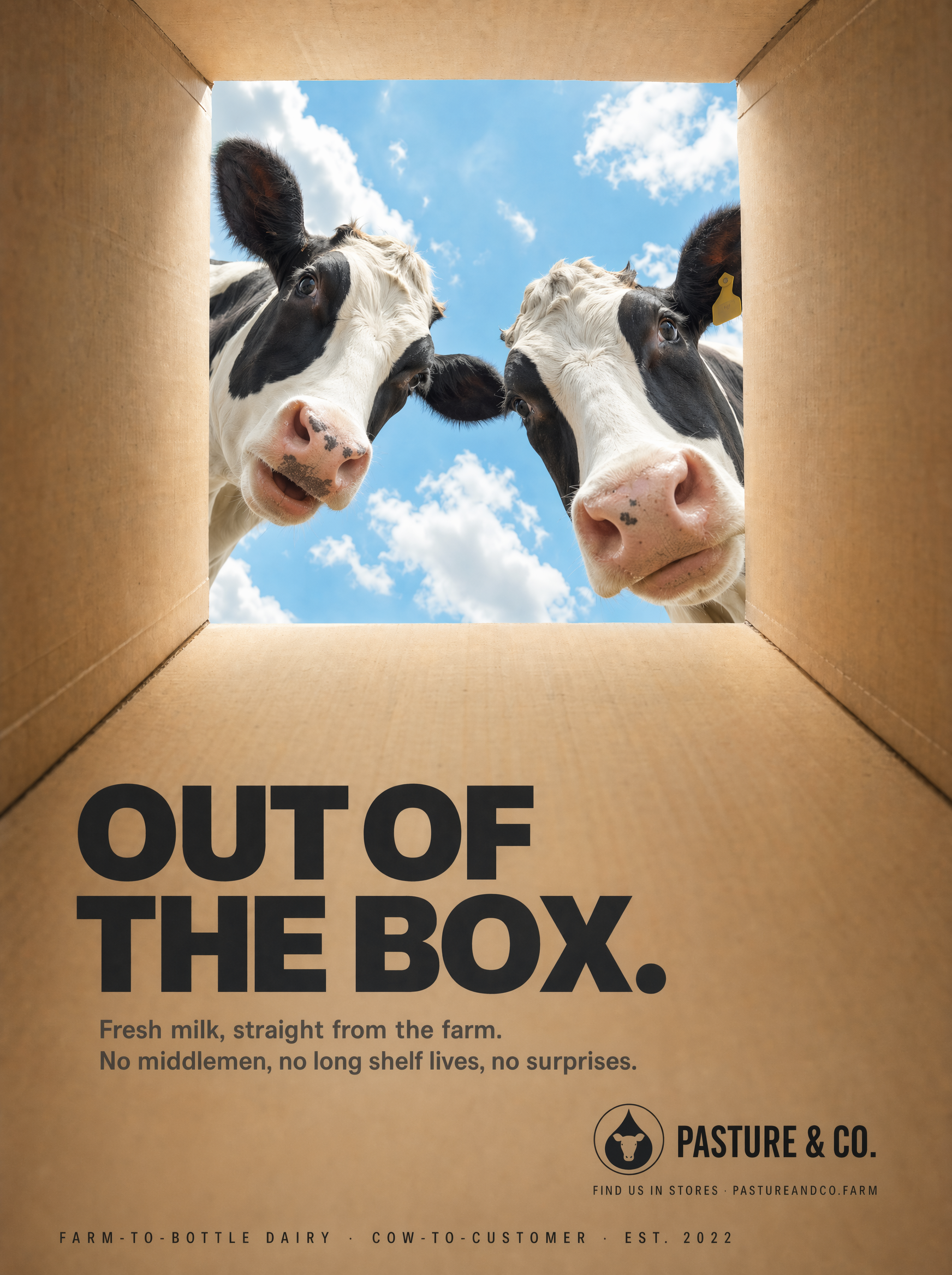


Video now dominates the digital landscape, and creating appealing marketing videos no longer requires a team of editors, animators and a large budget. AI tools have lowered the barrier so much that a single beginner can produce polished, conversion-ready video ads in hours rather than weeks. This guide is a clear, step-by-step roadmap for anyone starting out with AI to create attractive marketing videos.
We assume you have never used generative video tools before. We walk through the landscape of AI video tools, how to plan a marketing concept, how to write prompts that get you good results, and how to refine the output before sharing it. You will end with a repeatable production workflow you can use again and again.
The specific tools on the market change quickly, so this guide focuses on the reusable logic rather than any single interface. If you understand the principles, you can apply them no matter which tool you open.
Why AI marketing video matters for beginners
Short-form video has become the backbone of digital marketing. People watch videos on social platforms, and a well-made clip can communicate far more in thirty seconds than a wall of text. For a beginner, the challenge was always that professional video production was expensive and slow.
AI changes the economics entirely. Instead of paying for a studio or spending days learning complex editor software, a beginner can describe a scene and get a usable clip quickly. This means small businesses, freelancers and solo creators can now compete with much larger teams on volume and speed.
The result is that AI video is less a luxury than a practical necessity for staying visible. Learning to use these tools is a skill that compounds: every video you make teaches you something that makes the next one faster and better.
Understanding the AI video toolkit
The first step is to know what kinds of tools exist, because marketing video creation usually combines a few of them.
Text-to-video generators turn a written prompt into new footage. They are the creative workhorse for scenes you cannot shoot. Video-to-video tools take existing footage or images and restyle them, useful for building on your own clips. Image-to-video tools animate a still image, great for turning product photos or illustrations into moving shots. Audio tools generate music and voiceover, and video editors assemble everything.
A beginner does not need every category on day one. Start with a good text-to-video tool and a capable editor, then add image-to-video and audio tools as your projects demand them.
Choosing your stack early is worth it. Pick tools that export standard formats and play well together, so you spend time creating rather than converting files between incompatible systems.
Planning a marketing concept
Before generating a single frame, decide what the video is for. The most common beginner mistake is opening a tool and generating clips without a plan, then having nothing cohesive to assemble.
Define the marketing goal. Are you promoting a new product, building brand awareness, driving followers to a landing page, or announcing a limited-time offer? Each goal implies a different message and call to action. Define the target audience and the platform, because what works on a vertical feed differs from what works on a desktop landing page. Define the core message in one or two sentences, the single idea the viewer should remember. Finally, define the call to action: what should the viewer do after watching.
Writing this brief takes ten minutes and saves hours of wasted generation. It also gives you the language for your prompts.
Writing effective prompts
Prompts are your main creative control, so the quality of your prose directly shapes the quality of your footage. The good news is that effective prompting is a learnable skill with a few reliable rules.
Describe what is present, concretely. Name the subject, the setting, the mood and the camera. Use specific, visual language rather than vague abstractions. State the aspect ratio and format you need, because a vertical reel has different requirements than a landscape web video. Add negative prompts or clarifications only when they genuinely prevent a recurring problem, and keep your prompts reasonably short so simpler models can follow them.
For marketing, include clear cues about the product or benefit. A sentence like "a sleek phone appears on a reflective desk, soft studio lighting, teal accent, smooth slow dolly shot" gives the model far more to work with than "a nice product video."
Prompt engineering improves with iteration. Every time a result surprises you, learn what drove it and refine your wording. Over time you will develop a personal style of prompt that reliably yields what you want.
From idea to ready-to-publish content
Converting your concept into a finished video follows a sequence you can reuse.
Storyboard the shots. Even a rough list of five or six shots, what appears, what happens, what the camera does, is enough to guide generation. Generate the assets by producing the clips or stills for your storyboard using your prompts. Then assemble in your editor: place the shots in order, adjust timing, and add transitions. Add the sound: background music and voiceover, matched to the pacing. Finally, review and refine: tighten the edit, fix any weak clip, and add the call to action and captions.
Sticking to this sequence prevents the chaos of generating clips you do not need. It also makes it easy to hand the project to someone else or revisit it later.
Designing for engagement and retention
A marketing video has to stop the scroll and hold attention long enough to deliver its message. Engagement is not an accident; it is structured into the edit.
Lead with a hook in the first one to two seconds. This can be a striking visual, an intriguing statement, or a clear promise of value. Then keep momentum by cutting quickly, changing angles and keeping each shot focused on a single idea. Match pacing to the music, so visual cuts land on beats and the video feels intentional.
Keep the on-screen text minimal and high-contrast. Captions matter because many people watch with the sound off, and a clear call to action at the end tells viewers exactly what to do next.
Structure for retention means every second either advances the message or reinforces the emotional payoff. If a shot does neither, cut it, no matter how beautiful it is.
Refining quality and fixing common problems
Your first drafts will rarely be perfect, and that is normal. The skill is in knowing what to fix at which layer.
If a clip is off-style, regenerate it rather than trying to rescue it in the edit. If only the color is wrong, a grading filter can often fix it. If motion is awkward, look at the motion description in the prompt and adjust, or generate a new take. If the music does not fit, try a different track before re-cutting the edit.
When a scene needs the same element across several shots, the reuse of a consistent reference image and a fixed style contract will keep it recognizable. This matters especially for product shots and brand colors.
Give the finished draft a real review: watch it with sound, on the target platform's size, and ask whether the message and call to action are unmistakable. Fix what fails that test.
Scaling up: producing marketing video at volume
Once you have a working workflow, you can use it to produce more videos, not just better ones. The key is building reusable pieces.
Create prompt templates for the recurring shot types you use across campaigns. Build a small library of approved background music and voiceover options so you are not re-deciding audio every time. Keep a style guide, including colors, fonts and tone, so every video reinforces the same brand identity. Track which videos perform best and feed those learnings back into your templates.
Reusability is what turns a beginner into a producer. Instead of starting every video from a blank prompt, you assemble from proven building blocks, which is faster and more consistent.
Troubleshooting common beginner problems
New creators make the same repeatable mistakes. Knowing the fix saves hours.
The video has no clear message. You generated clips before writing the brief. Go back, write the goal and call to action, and re-select the shots that serve it, cutting anything that does not.
The product does not look the same across cuts. Lock a reference image and a fixed style contract, and describe the product's key visual features the same way in every prompt so the model sees one consistent item.
The music overpowers the voiceover. Lower the music and add a volume automation so it drops under the voice and rises in the pauses. This one change transforms perceived quality.
Captions are hard to read on mobile. Increase contrast, use a larger font, and keep text short. Most viewers watch with the sound off, so readable captions matter as much as audio.
Nothing seems to drive traffic. Review whether the call to action is clear and single. A vague call to action is the most common reason a good video does not convert.
Choosing tools for different budgets and goals
You do not need the most expensive stack to start. Match the tool to the goal and your budget.
For a quick product announcement on social, a simple combination of an image-to-video tool, a caption editor and a fast editing tool is often enough. For a full ad campaign, invest in higher-quality video generation and a professional editor. For high-volume content, prioritize tools that let you reuse templates and references.
Adopt tools gradually. Start with the smallest stack that delivers your first campaign, learn it well, and add capabilities only when your content demands them. This avoids the bloat of owning tools you never use.
Budget your effort too. Spend your best prompts and references on the hero shots that appear prominently, and accept faster, simpler output for background and transitional clips.
A reference checklist before you publish
Before you hit publish, run through a short checklist to catch the mistakes that hurt engagement.
Is the hook strong in the first two seconds? Is the message clear enough to state in one sentence? Is the call to action single and obvious? Are captions readable on mobile? Does the music fit and not overpower the voice? Do all shots share the same palette and style? Is the logo or product consistent in every cut? Does the video feel like it belongs to the brand?
A five-minute check before publishing prevents the small errors that punish view time and interaction, and it trains you to produce cleaner work with fewer revisions.
FAQ
Can I really make marketing videos as a total beginner?
Yes. Modern AI tools are designed to be accessible, and with a little planning you can produce solid results. Expect to iterate, but you will see usable output quickly.
What is the most common beginner mistake?
Generating clips without a plan. Always write a short brief (goal, audience, message, call to action) before you generate, so you have a coherent video to assemble.
How important are prompts?
Very. Your prompt is your main creative control. Specific, concrete prompts usually outperform vague ones, so invest a little time in learning to write them well.
Do I need expensive equipment or software?
No. Everything described, from generation to editing to sound, can be done with web tools and a standard computer.
How do I make my videos more engaging?
Lead with a hook, cut quickly, match pacing to the music, keep on-screen text minimal, and end with a single clear call to action.
How do I keep brand colors consistent across videos?
Use the same color palette in every prompt, reuse a consistent reference image where possible, and keep a short style guide that applies to all your marketing content.
Should I focus on a single platform's format?
Start with the format of your main platform, but design so it can be adapted. Vertical feeds and landscape web placements have different needs, and knowing both widens your reach.
