

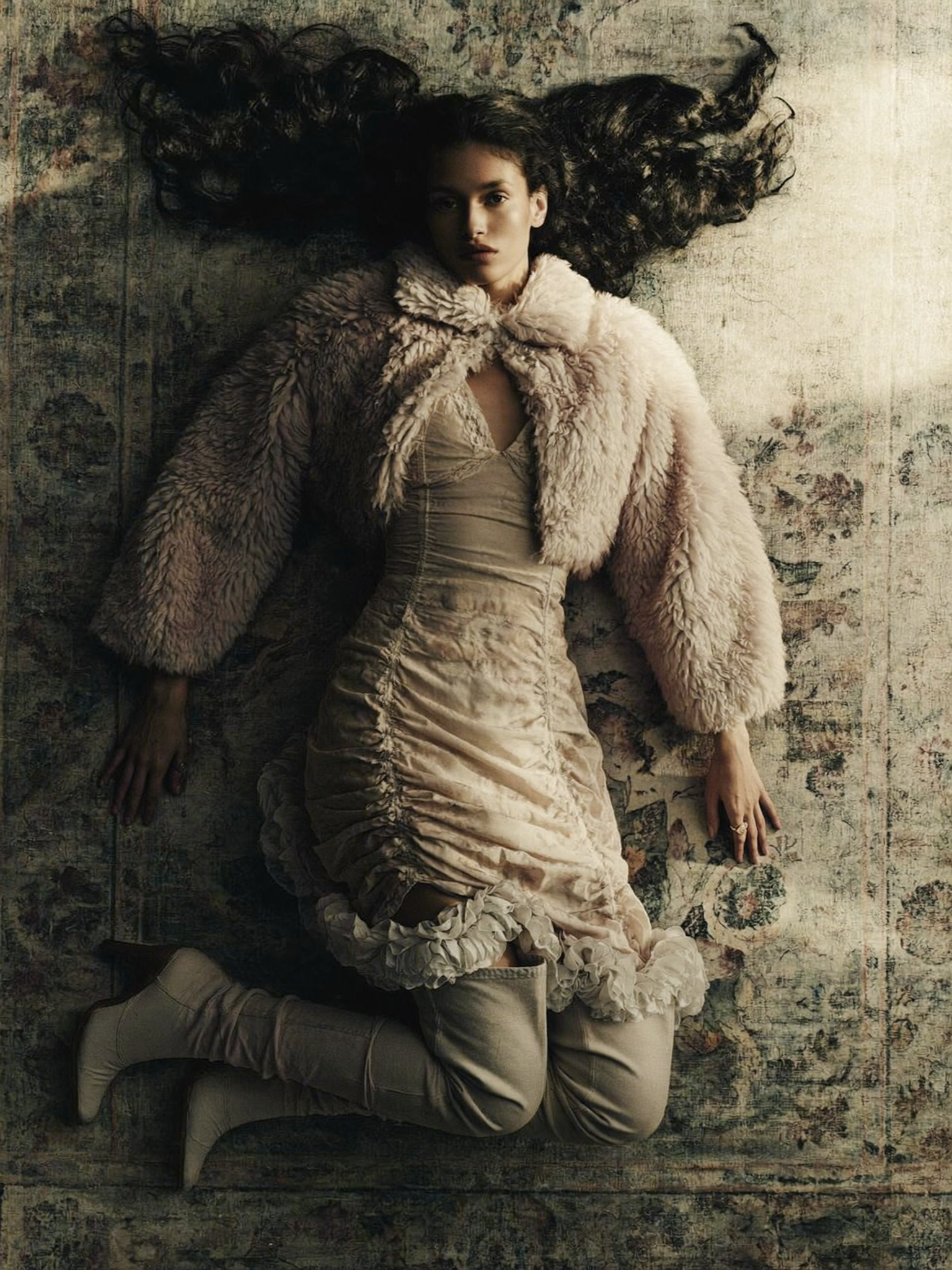
The most interesting shift in generative video is not better pixels. It is better direction. Early AI video tools were engines: you typed a sentence and received a clip, with little say over composition, pacing, or camera. The new generation of tools behaves differently. Instead of just rendering whatever the prompt implies, they reason about the scene like a director would: which shot to use, how the camera should move, how to keep a character recognizable, how to sequence several shots into a scene that feels intentional.
This article explains what an AI director agent is, what happens between your prompt and the rendered clip, and how to build a practical workflow around it. The goal is not to replace human judgment. The goal is to remove the mechanical work so you can spend your energy on the decisions that actually make a story work.
What an AI Director Agent Actually Does
An AI director agent sits between your creative intent and the raw generation models. When you describe a scene, the agent breaks that description into a set of production decisions: the shot size, the camera movement, the mood of the lighting, the blocking of characters, and the rhythm of the sequence. It then translates those decisions into parameters the underlying video model understands.
Think of it as an interpreter with film literacy. You say "the hero enters the room and realizes something is wrong," and the agent decides that this is a wide shot with a slow push-in, a slight low angle, and a cold color grade, because that is how suspense is normally built. You still own the story. The agent handles the grammar.
This matters because most people are better at knowing what they want to feel than at knowing how to achieve it technically. A director agent closes that gap without forcing you to learn cinematography vocabulary first, although learning some vocabulary makes you dramatically better at directing it.
From Text Prompt to Scene Composition
The first job of a director-style system is composition. Given a prompt, it determines what should be in frame and how the frame should be organized. This is where most raw text-to-video tools fail: they produce a generic medium shot of whatever the prompt names, with no sense of hierarchy.
A director agent forces the question of focus. What is the subject, what is the environment, and what is the mood? A close-up on a character's eyes tells a different story from a wide shot of the same character lost in a crowd. When you describe the intent, the agent proposes the appropriate shot language, and you can override it at any point.
The practical takeaway is that your prompts become more abstract and more useful at the same time. Instead of listing visual details, you describe the beat: "she opens the letter, and her expression changes from hope to fear." The system handles the visual specifics of how that beat is usually shot. That frees you to think about pacing, which is where stories live.
Camera, Light, and Blocking: Cinematography You Can Automate
Cinematography is a bundle of decisions: where the camera goes, how it moves, how the scene is lit, and where the actors stand. A director agent makes these decisions systematically, which means you can experiment with them quickly.
Camera movement is the most visible lever. A static frame feels documentary. A slow dolly-in builds intimacy. A handheld wobble adds urgency. An orbital move creates spectacle. Instead of hoping the model guesses right, you name the feeling and the system picks the movement. If you want more control, you can name the movement directly: "push-in," "tracking shot," "crane up." The best results come from combining intent and explicit vocabulary.
Lighting works the same way. Golden hour warmth, cold fluorescent dread, hard rim light, soft diffusion: these are moods as much as technical choices. Describing the emotional quality of the light usually produces better results than describing light sources. Blocking, the arrangement of characters in the frame, is the subtlest layer, and it is where director agents show the most promise, because it requires understanding relationships: who is close to whom, who is dominant, who is isolated. One practical note on blocking: start simple. Two characters in a static two-shot is a perfectly strong starting point. Add a walk-and-talk, then a doorway crossing, then a mirror moment, and you have built a visual vocabulary without any of the complexity of a multi-actor action scene. The agent can propose blocking, but your audience reads spatial relationships instantly, so review every arrangement with fresh eyes: who holds power in the frame, who is isolated, who is connected. Those spatial choices are what make a scene feel composed rather than generated.
Keeping Characters Consistent Across Shots
The hardest technical problem in AI video is continuity. A character generated in one clip rarely matches the same character in the next clip unless the system actively manages consistency. This is where the director framing helps, because continuity is fundamentally a directorial concern: the audience needs to believe they are watching the same person in the same world.
The reliable approach is reference-driven. Start from a consistent image of the character, and make sure every scene begins from that same reference. Reuse the same physical description in every prompt: hair color, clothing, distinguishing features. If the tool supports first-and-last-frame control, use it to lock the pose where each scene ends. And keep individual clips short. Continuity breaks compound over time, so it is easier to generate several short takes from the same reference and edit them together than to generate one long scene and hope it holds.
Working with a Model Library: Matching Engines to Mood
A director agent is only as good as the engines behind it, and different models have different personalities. Treat the model library the way a director treats lenses. Runway is strong for realistic commercial work and controlled camera moves. Luma produces smooth, natural motion with excellent camera behavior. Kling handles dramatic action and expressive character motion well. Vidu and Hailuo shine with stylized and anime-inspired aesthetics. Sora is the strongest option when you need long, coherent, cinematic scenes with real narrative continuity.
The workflow principle is to match the engine to the mood of the scene, not to use one engine for everything. A product shot, an action sequence, and an anime-style dream sequence deserve different tools. In practice, keep two or three favorites, learn their strengths, and route each scene to the engine that fits. The agent handles the direction; you handle the casting.
A Practical Workflow for Your First AI-Directed Short
Start with a script of no more than eight beats. For each beat, write one sentence of intent, not a technical description. For each beat, decide the emotional tone: intimate, tense, joyful, ominous. Let the director agent propose shot language for each beat, then adjust the ones that feel wrong. Generate each beat as a short take from consistent references, keeping the character locked. Assemble the takes in an editor, add sound and music early, because audio sells the cut, and only then add transitions and polish. Finally, review the whole piece as a story: does the pacing build, does the emotion land, does the character feel continuous?
This loop, intent to proposal to iteration to assembly, is the core skill. It works for a thirty-second social clip and for a five-minute short alike.
Planning Dialogue Scenes and Shot Lists
Dialogue is the hardest thing for AI video tools, because conversations live in rhythm, reaction, and subtext, not just in words. A director agent helps by structuring the coverage: a wide establishing shot, a medium on the speaker, a close-up on the listener's reaction, and a reverse angle for the reply. Each beat gets its own short take, which keeps the generation manageable and the editing flexible.
The workflow that works best is shot-list thinking. Write the dialogue as a short script, mark the emotional turn in every line, and plan one take per turn of the conversation. Generate each take separately, keeping the same references for both characters, and assemble them in the editor. Cut between reaction and speaker, not just between speakers, because reactions are where audiences read the emotional truth of a scene. Audio is the secret: generate or record clean dialogue, add room tone, and let the picture follow the sound. The result is a scene that feels directed, even though every take came from a model.
Building a Shot List From Your Script
A shot list is the bridge between your script and your generation queue. Take each beat of your script and break it into individual shots: what is in frame, what the camera does, and what the emotion should be. Keep every shot to a single idea. A shot that tries to do two things will confuse the model and the audience.
Use a simple table with four columns: beat, shot description, camera move, and reference. The reference column matters most, because it tells you which image to attach to each generation. When you have the list, you also have your iteration order: generate in sequence, review in sequence, and replace only the shots that fail. The list turns a vague project into a production plan, and it makes collaboration possible, because another person can read it and understand exactly what you intend to make.
Where It Fits in a Creator's Pipeline
Director-level AI tools do not belong in a vacuum. They fit between your planning and your post-production. The planning stage, script, storyboard, and reference collection, is still yours. The tool takes over the generation stage, turning beats into raw footage. The post-production stage, editing, sound, color, and finishing, is yours again, though the tool can suggest edit points and transitions.
The result is a pipeline where a single creator can produce work that previously needed a director, a cinematographer, a production designer, and an editor. That does not mean the human roles disappear. It means the human who owns the story now controls all of them at once. One more role worth naming is the editor as director. Because the tool generates raw takes quickly, the edit becomes the place where the story is actually decided. Directors who embrace this will assemble, trim, and reorder aggressively. The take that seemed perfect in isolation can become a throwaway once you see it in sequence; the take you almost deleted can become the hinge of the whole piece. Editing is where the director agent's proposals meet your judgment, and that meeting is the creative core of the workflow.
FAQ
Do I still need to understand cinematography to use an AI director agent? No, but it helps. The agent translates intent into technique. The more vocabulary you have, the more precisely you can steer it, and the faster you can override its suggestions.
Can an AI director agent make a full film? It can produce coherent scenes and sequences, especially for short formats. A full narrative still benefits from a human editor who controls rhythm, sound, and meaning.
How do I keep the same character across many scenes? Use a consistent reference image, reuse the same written description, keep clips short, and stitch takes in the editor.
Which model should I use for realistic scenes? Runway and Luma are strong for realism. For long cinematic continuity, Sora is the best current option. Match the engine to the scene, not the project.
Is the result still my creative work? Yes. The agent is a tool that executes directorial grammar. The story, the choices, and the final cut are yours.
How long should an AI-directed short be? Start with thirty to sixty seconds. That is long enough to build a story arc and short enough to keep continuity manageable across takes.
Should I use the same model for every shot in a scene? Not necessarily. Match each shot to the engine that handles its motion best, then unify the look in color grading during post.
Final Thoughts
The arrival of director-level AI changes what it means to be a filmmaker. The mechanical craft of shot selection and continuity is becoming accessible to everyone, which raises the bar for the part that cannot be automated: knowing what story you want to tell. Learn the vocabulary, build a consistent workflow, and treat the tool as a first assistant director rather than a replacement. The films that stand out will be the ones where a human made clear choices.
