

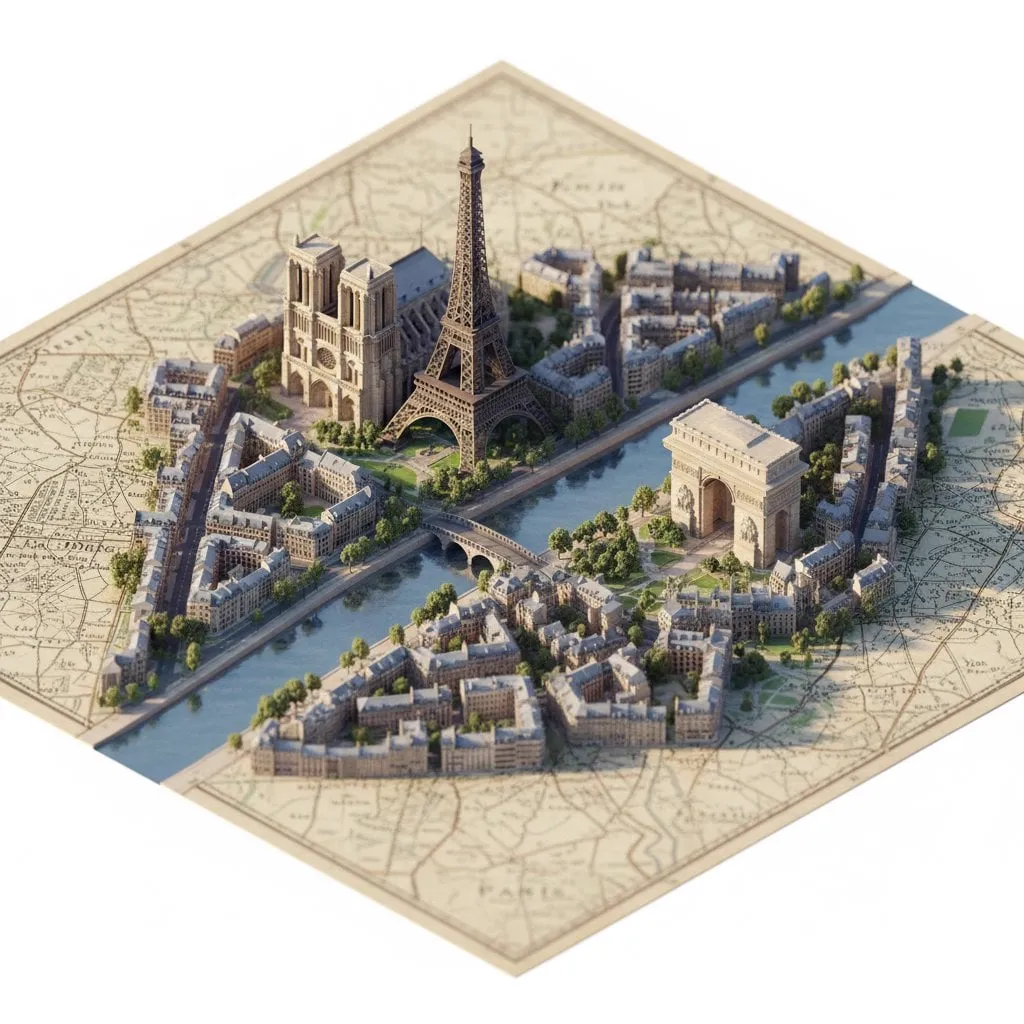

The demand for hyper-realistic digital assets is reshaping how industries market and sell high-value items. Traditional 3D rendering pipelines are slow, expensive, and require specialized expertise. AI-powered visualization changes this: properties can be staged virtually in minutes, and product shots can be generated across countless environments without a studio. This guide shows how to build a fast photorealistic asset pipeline.
Why Speed Matters in Visualization
Speed-to-market is the ultimate competitive differentiator when launching new properties or product lines. Teams that can iterate on lighting, materials, and environments in near real-time gain a clear edge. Instead of waiting weeks for a render, marketers can test dozens of concepts in a day and commit only the strongest to final production.
Choosing the Right Models for Fidelity
Achieving photorealism depends on the underlying model's ability to understand complex rendering: texture, shadow, reflection, and coherent motion. For material-heavy scenes, models that excel at texture coherence deliver results nearly indistinguishable from high-end CGI. For narrative walkthroughs, models with strong scene understanding help tell a story about the space.
A practical approach is to balance cost and fidelity: use fast, budget-friendly models for scene blocking and iteration, then reserve premium models for the final key shots. This keeps the pipeline efficient without sacrificing quality where it matters.
Consistency Across Thousands of Visuals
The biggest challenge in large visualization projects is maintaining style and character consistency across many clips. The solution is reference-based generation. Input several reference images of the same kitchen design, product, or architectural style, and the model locks the look across scenes, styles, and lighting conditions.
For brands and agencies that need flawless matching across hundreds of assets, this consistency layer is essential. Start by building a strong reference library, then reuse it across every project.
Real Estate: Virtual Staging and Walkthroughs
AI makes it possible to transform barren photographs into fully furnished, aspirational living spaces instantly. Brokers can show off-plan properties before they are built, or restage inventory without moving a single piece of furniture. Beyond static images, AI video generation produces interactive walkthroughs: a prospective buyer moves through a future kitchen, with realistic lighting shifts as they pass from a sunny window to an interior corner.
For generating the base visual language of a space, an AI image generator is a fast starting point. Then you can animate those visuals into walkthroughs with an AI video generator.
Product Visualization for E-commerce
The goal of product marketing is not just a clean image, but a photorealistic demonstration of the item in use or in its intended environment. A single render or simple sketch can be transformed into dozens of marketing assets: a jacket worn on a snowy mountain, then on a rainy city street — all within hours. Cinematic lens controls let product shots mimic high-end DSLR photography, complete with depth of field and lens flares.
Accurate material reproduction is critical. Imperfect materials instantly break photorealism. Models with advanced prompt understanding render polished metal, fabric weave, and glass translucency convincingly, minimizing post-production cleanup.
Building the Pipeline
A reliable photorealistic asset pipeline looks like this:
- Build a reference library for characters, products, and environments;
- Use fast models for concept validation and scene blocking;
- Generate high-fidelity final assets with premium models;
- Keep style consistent through reference-based generation;
- Distribute quickly to client-facing sites and ad channels.
For high-detail image foundations before animation, models like GPT Image 2 are strong options. When the task involves complex, physically coherent motion — like product demonstrations with natural movement — Seedance 2.0 can handle it well.
Common Pitfalls
- Skipping references: leads to inconsistent brand identity;
- Using one model for everything: match the model to the task;
- Ignoring material fidelity: ruins photorealism instantly;
- Not planning for scale: batch generation and templates save real time.
Conclusion
Photorealistic assets are no longer reserved for studios with big budgets. AI-driven generation makes high-fidelity visualization scalable and cost-effective for real estate developers, e-commerce brands, and independent marketers alike. The key is building a disciplined pipeline: consistent references, the right model for each stage, and a clear plan for scale. Start with one product line or one property, prove the workflow, then expand.
