

Introduction: the turning point
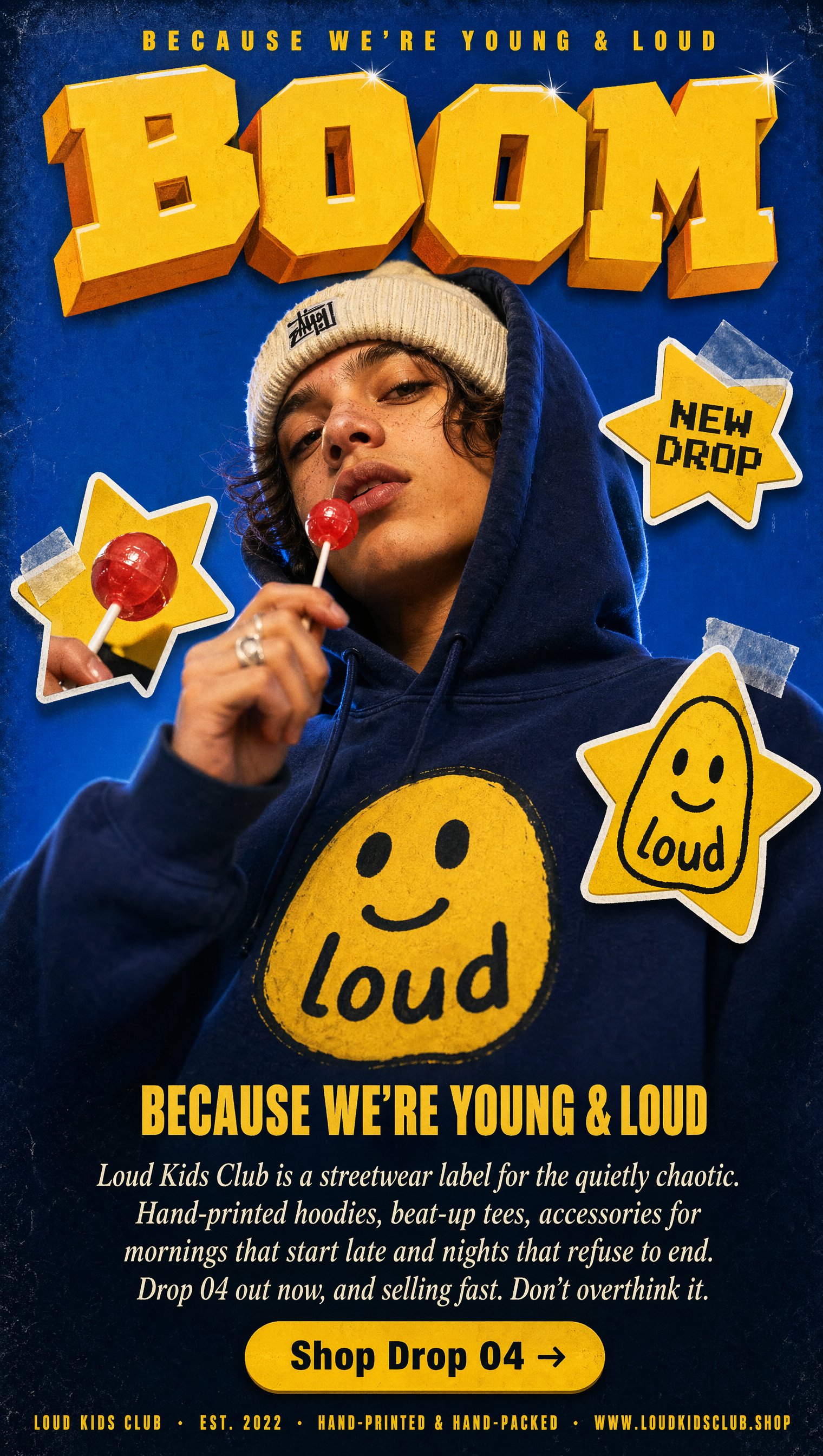
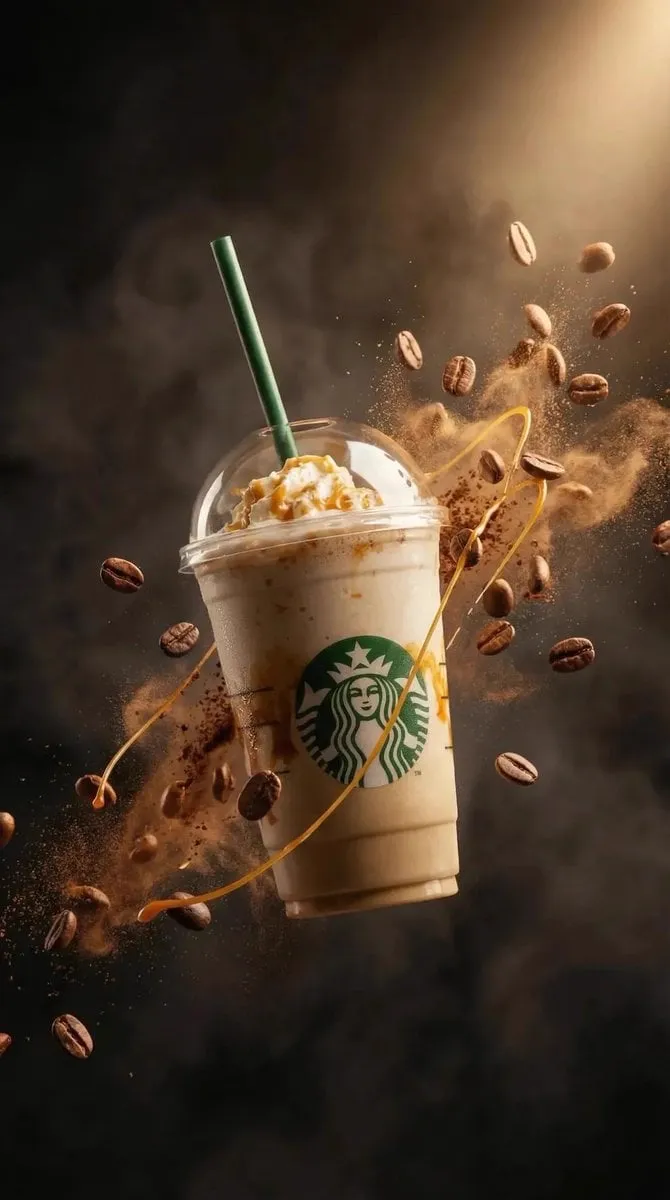
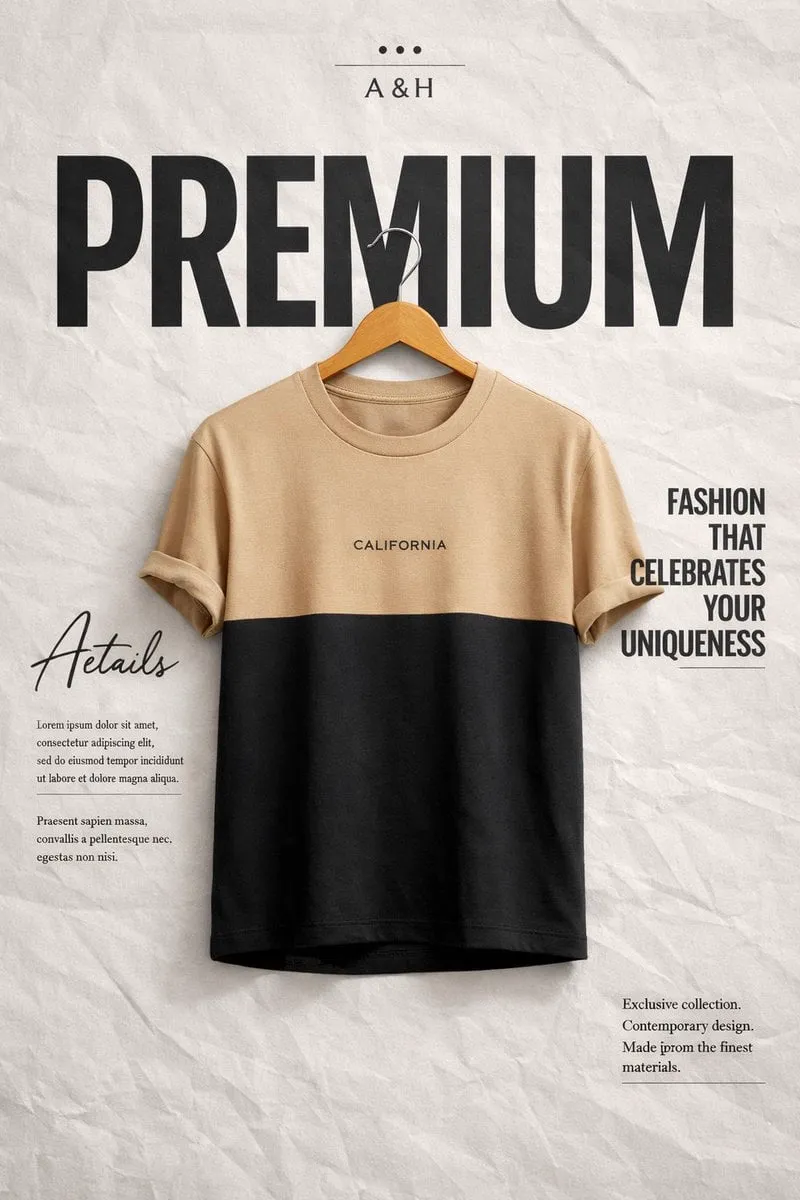
Photorealistic AI image generation reached a genuine turning point in recent months, reshaping the landscape of digital creativity and content production. What once required an expensive studio, professional lighting and a team of specialists can now be approached by a single creator with a powerful model and a clear idea. The photography-style results that were exotic a couple of years ago are now everyday tools for marketers, game studios, filmmakers and designers.
This guide explains what photorealistic generation actually involves, how it connects with video, and how you can build a practical workflow that balances quality, consistency and cost. Whether you work in advertising, film, games or social media, understanding these tools will change the way you think about producing visuals.
Understanding the current landscape
Photorealistic generation is no longer a futuristic concept; it has become a standard instrument in the creative professional's arsenal. The market is crowded with models, each promising realistic output, and the pace of innovation is intense. Every few months a new model arrives that improves resolution, skin detail, lighting realism or the ability to follow a prompt faithfully.
That abundance of choice is both a blessing and a challenge. The practical question is not which single tool is best, but which one fits your specific task. A product shot, a cinematic still, a game asset and a meme have very different requirements. Knowing how to navigate the options and combine them is the real skill.
The range of realism available today
Models now span a wide spectrum of photorealism. Some produce highly realistic photographs suitable for advertising; others favor a painterly, stylized realism; others aim for filmic realism with cinematic depth of field and grain. Choosing the right flavor of realism is just as important as choosing the tool, because each carries a different emotional weight and fits a different brief.
The importance of staying current
Whatever you learned even a few months ago is probably outdated. The field moves fast, and the best practice is a regular evaluation habit rather than loyalty to a single favorite. Set aside a little time to test new releases on your own reference images; the differences are usually visible immediately and can save you significant headaches on real projects.
Why photorealistic generation matters now
The significance of this technology today comes from its direct impact on two things every business cares about: speed and cost. Producing a high-quality photo or image used to take days and involve expensive production. With modern tools, a competent creator can iterate on dozens of variations in an afternoon.
That speed changes the economics of creative work. Agencies can present more concepts to clients, indie developers can build richer worlds, and small brands can compete with visual quality that used to be out of reach. The barrier now is not budget but imagination and workflow design.
From concept validation to final asset
The same tool can serve quick concept validation and polished final delivery. Rapidly generated variations answer the question “what if” cheaply, letting you commit to a direction with confidence. Once the direction is fixed, a more careful generation with better prompts and references produces the final asset. This two-stage approach is common in professional teams.
From static images to cinematic video
The leap to motion
The most interesting development in the field is the transition from static photorealistic images to cinematic video. A single stunning frame is great, but a sequence of coherent frames tells a story. The difficulty is maintaining realism not just in one image but across many, with consistent characters, lighting and style.
Achieving temporal coherence
The main challenge in photorealistic video is temporal coherence. When a camera moves or a character turns, the model must keep the subject recognizable. Early attempts looked jumpy and unstable. Modern approaches fix this by anchoring the output to reference frames and by controlling the motion more carefully, producing smooth, believable sequences.
Consistency of characters
Keeping a character identical across scenes remains one of the hardest problems. The solution is practical: gather several reference images of the same subject, extract the defining features, and let the model carry those features through each frame. It takes some care in the setup, but the improvement in quality is dramatic.
The role of the director agent
Automation extends to composition. Assistant features can act like a film director: they suggest framing, pacing and narrative structure from a prompt or an image. For lone creators especially, this guidance closes the gap between an idea and a well-composed shot, without requiring years of cinematography training.
Multimodal inputs: text, image and video
Beyond a single prompt
Modern generation is increasingly multimodal. You can mix text descriptions, reference images and even short video clips as inputs. This flexibility lets you control the result with far more precision than a text prompt alone.
For example, instead of writing long descriptions of a character, you can provide an actual photo of that character and ask the model to place them in a new scenario. Combined with text that describes the mood and setting, the result is more faithful and faster to produce.
Practical combination strategies
- Use a reference image to fix identity, and text to control the scene.
- Use multiple references when a subject appears across different lighting conditions.
- Use a short video clip as a reference when you need a specific motion captured.
- Keep a library of reusable reference images for recurring characters or products.
When image-only input wins
There are cases where image input outperforms text. If you need a specific product, a particular face or an established art style, describing it in words is unreliable; showing a reference is exact. As a rule, anchor anything that must stay recognizable in an image, and use text for everything subjective: mood, atmosphere, story.
Architecture and foundations of photorealistic models
From text to concept to final image
At a high level, modern image generation takes a text description, interprets it through a language model, and then produces an image through a diffusion-based process. The same pipeline can be extended to produce frames for video with careful attention to temporal consistency.
How diffusion builds detail
The diffusion process starts from random noise and progressively removes that noise toward the requested image, guided at each step by the text and any references. Understanding this helps you write better prompts: the model is assembling plausible detail, so describing lighting, materials and composition matters more than flooding it with adjectives.
Managing infrastructure and scale
For professional work, the infrastructure matters. Producing many images or long videos requires computational resources and a way to queue tasks efficiently. Cloud-based services handle this by distributing work across machines, allowing creators to generate large batches while they focus on curation and editing.
Queued batch production
When producing at volume, queue wisely. Submit a thoughtful first batch, review the results, and use what you learn to refine before generating the rest. Blindly firing off hundreds of prompts wastes compute; an iterative loop that alternates generation and curation is much more economical and produces better selects.
Building a consistent creative pipeline
Setting a style foundation
Before touching tools, define your visual baseline: palette, lighting language, level of realism and the moods you want to hit. A written or visual style guide makes every future generation faster and more consistent, and it turns scattered experiments into a coherent body of work.
Creating reusable references
For recurring characters, products or environments, build a small library of clean reference images taken from multiple angles and lighting setups. This library is the anchor that keeps your brand and your characters consistent across dozens of separate projects.
Documenting what works
Keep a simple log of the prompts, references and settings that produced your best results. This turns trial and error into accumulated knowledge. When a client returns with a similar need, you are not starting from zero; you are adapting a proven recipe.
Creative applications and workflows
Building a realistic pipeline
A practical photorealistic workflow looks like this:
- Define the brief: what is the subject, mood and intended use.
- Gather references: photos, mood boards, or sample images that set the style.
- Draft with text prompts: explore compositions quickly and cheaply.
- Refine with references: anchor identity and style using reference images.
- Up-scale and polish: improve resolution and fix small artifacts.
- Iterate: compare models and variations, then pick the best.
Case study ideas across industries
In advertising, a brand could generate photorealistic lifestyle shots for seasonal campaigns in days instead of weeks. In games, an artist could concept an entire character and environment set under atmospheric lighting. In film, a director could pre-visualize a key scene with photorealistic stills to align the crew before shooting. Each application leans on the same core workflow but targets a different deliverable.
Cinematic quality at accessible cost
The old assumption was that cinematic quality required a big budget. That is no longer true. Skilled creators use photorealistic generation to produce concept art, storyboards, product visuals and even short animated sequences that fit within a modest budget. The investment is in the creative direction, not the hardware.
Comparing premium models for photorealism
How to run a useful comparison
Different models have different personalities. Some excel at realistic skin and hair, others at architectural detail, others at motion freedom in video. Rather than relying on a single flagship, compare a few contenders on your specific use case:
- Run the same reference image through several models.
- Evaluate on resolution, identity retention and artifact level.
- Check how well each follows your composition and lighting notes.
- Factor in cost and generation speed for your typical batch size.
Reading the results
Evaluate on the content you actually produce, not on demo galleries. A model can look stunning on curated examples and still struggle with your specific brand assets. Keep your comparison grounded in one or two real briefs, and you will get a decision you can trust.
Monetization and the economics of AI content
Photorealistic generation opens real revenue opportunities. Freelancers can produce commissioned visuals faster, studios can reduce production costs, and platforms can generate on-brand graphics at scale. The economics work because the speed of iteration lets you offer more value per project.
At the same time, it is wise to use these tools responsibly. Check licensing terms, respect the rights of people whose likeness might appear, and be transparent about AI assistance where appropriate. Good practice protects both you and your reputation.
Building a role model for a creator business
You might offer a service tier that charges per deliverable at volume, or price by the concept while leaning on fast AI iteration to keep costs low. Most creators combine both: fast concept generation for retainers, alongside premium finalized assets for higher budgets.
Common pitfalls and how to avoid them
Unnatural skin and plastic look
Overprocessing can make faces look waxy. Mitigate this by choosing a model with strong realism, keeping references of real human texture, and avoiding excessive post-processing filters.
Broken hands and details
Detailed structures like hands remain hard for some models. Regenerate with a more specific prompt or fix the area manually in an editor.
Inconsistent characters across a series
Anchor every image to the same reference set, and list the character's key features in the prompt each time. Consistency across a series is a workflow skill, not a single-click feature.
Over-relying on luck
A hit-and-miss habit with prompts produces inconsistent quality. Move from luck to system by standardizing your reference library, your style guide and your review loop. Reliability comes from process, not from good luck now and then.
Frequently asked questions
Do I need a powerful computer?
Usually not. Most generation happens in the cloud, so a modest machine and a stable connection are enough to get professional results.
How do I avoid the “AI look”?
Layer good references, control lighting in the prompt, and apply subtle color grading. Avoiding the homogenized AI look is mostly about strong art direction and refinements, not just picking a fancier model.
Can I use these images commercially?
In most cases yes, if you follow each tool's licensing terms and handle likeness rights responsibly for real people.
Is photorealistic generation replacing photographers?
It is a new tool in the kit, not a complete replacement. Many creators combine AI generation with real photography, CGI and retouching. The who and how are changing, but the demand for art direction and quality is not going away.
Conclusion
Photorealistic AI generation has moved from novelty to necessity in modern creative work. The tools are powerful, accessible and improving rapidly. The teams and individuals who invest time in understanding models, building consistent workflows and comparing options will produce work that stands out in a crowded visual landscape.
Start small: pick one project, gather strong references, and iterate until you learn the rhythm of your chosen model. From there, expand to series, video and full campaigns. The frontier is open, and the tools to explore it are already in your hands.
