
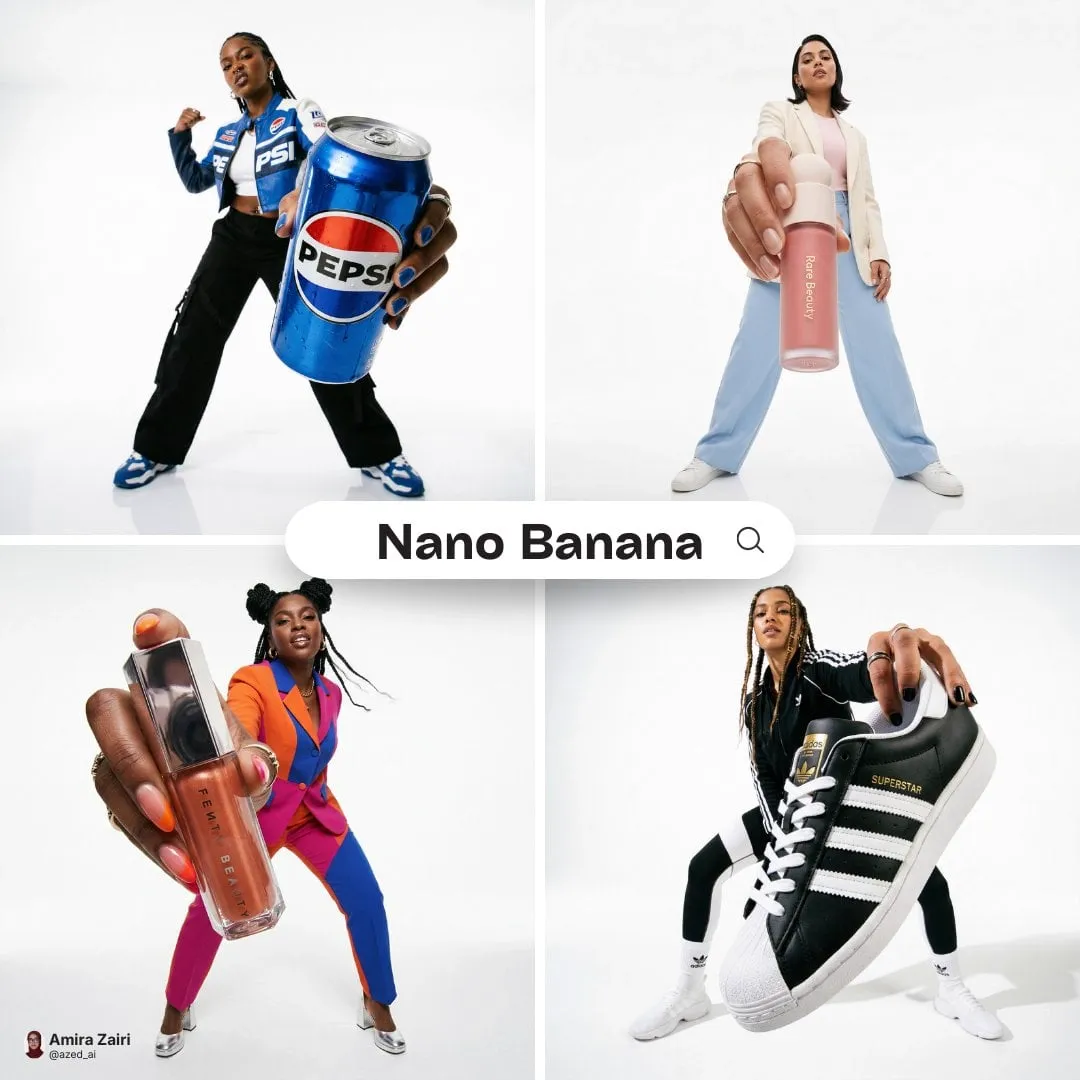

Cinematography has always been about control: control over light, lens, camera movement, and the thousands of decisions that shape how an audience sees a story. The spread of generative AI has introduced a new kind of control — and a new set of tools — for filmmakers, editors, and independent creators. A raft of capable AI video platforms now lets people plan, generate, and refine visual narratives in ways that were once reserved for well-funded productions.
This guide explores what these new platforms add to the craft. We will look at how integrated model libraries work, how to use AI when building storyboards and shot lists, and how to keep a human hand on the creative tiller so the technology serves your vision instead of replacing it.
Why video platforms matter for cinematography
Great cinematography is rarely accidental. It is the product of deliberate decisions made before and during a shoot. Generative video platforms matter because they compress the distance between an idea and a visual, making it possible to explore many cinematographic choices before committing to a single direction.
The video content market is growing around the globe, driven by short-form social media, advertising, and independent filmmaking. Reaching that audience requires high-quality visuals at speed, and AI platforms have become a practical answer for teams that cannot afford large production budgets but still want a cinematic feel.
What a modern platform brings
- A library of specialized models tuned for different styles, resolutions, and motion profiles.
- Tools for generating and refining scenes from text or still images.
- Workflows for assembling shots and maintaining visual consistency.
- Support for planning, from early concept to previsualization.
The result is a place where technical shot planning and generative creativity meet, letting a cinematographer think like a director and let the software worry about rendering the thousands of frames.
Building your cinematographic toolset
Before generating anything, it pays to know what you are working with. A capable platform offers several categories of tools, and knowing which to reach for is half the craft.
Image-to-video tools
These animate a source still into motion. They are ideal when you already have a look in mind, such as a location reference or a designed frame, and want to see how it moves. Good for previsualization and for breathing life into concept art.
Text-to-video tools
These generate footage from written descriptions. They are strongest for exploring concepts quickly, testing moods, and producing idea sketches without needing a visual source. The clearer the description, the closer the result to your intent.
Multi-image fusion for consistency
As covered in character design, feeding multiple references helps keep characters and settings recognizable across shots. This is crucial for any project with recurring protagonists.
Editing and refinement helpers
Once your shots exist, the platform or companion tools help with assembly, pacing, and polish, so the final piece holds together as a coherent sequence rather than a pile of clips.
Introducing the model library approach
The idea behind a model library is simple: different aesthetic goals need different tools, and no single model can serve every look. A well-designed library organizes many specialized models so you can match tool to task.
Fotorrealismo for grounded scenes
Use photorealistic variants when plausibility matters, such as product shots, lifestyle content, or serious drama.
Stylized and animated models
Choose these when the look is part of the identity, from subtle illustration to bold animation. They suit branded series, comedy, and stylized narratives.
Action and high-motion profiles
For dynamic sequences, pick models tuned for fast cuts, energetic camera moves, and smooth motion. These shine in sports, action, and high-retention short-form content.
Testing before trusting
Your workflow should always include a quick test. Run your intended shot through a candidate model, compare results on fidelity, quality, and reusability, and decide with evidence in hand. A recorded history of what each model does well becomes your own director's reference book.
Previsualization with storyboards and shot lists
In traditional filmmaking, the storyboard is the blueprint of the film. AI platforms make previsualization far more accessible, so you can iterate on the shot plan before a single frame of final footage is committed.
Write shots as verbs
Describe the shot in terms of what happens and how the camera behaves: "slow dolly in as the character turns," "hero shot revealed by a whip pan." Action-oriented descriptions produce dynamic, intentional results.
Storyboard as a sequence
Build your storyboard and shot list early. A clear plan not only guides generation but also surfaces gaps and pacing problems before they cost real production time. Previsualization is where a visual idea becomes a shootable sequence.
Approve a look before generating volume
Use a handful of test frames to lock the visual language and art direction. Once the look is approved, generation becomes faster and more reliable because the decisions have already been made.
The grammar of light and camera
Cinematography is, at its core, a way of speaking with light, lens, and framing. Generative platforms let you experiment with this grammar cheaply, which makes it worth studying the elements that traditionally define a filmic image.
Motivation of light
Real light has a source and a reason. When you describe a scene, tell the tool where the light comes from and what it feels like: hard midday sun, soft window light, electric neon, candlelight. Light that is motivated by the world reads as real; unmotivated light reads as artificial. Including light direction and quality in your scene descriptions is one of the fastest ways to raise the cinematic quotient of your shots.
Lens and depth
The choice of focal length shapes how the audience perceives space. A wide lens includes environment and can exaggerate distance; a longer lens compresses space and isolates subjects. By describing an approximate lens feel, you steer the emotional read of a shot, whether it is the intimacy of a close portrait or the isolation of a long shot across a landscape.
Framing and negative space
Where you place the subject in the frame and how much empty space surrounds it communicates status, mood, and tension. Describe the framing you want with intention, and treat the off-camera space as part of the story rather than a void to be ignored. Generators respond well to explicit composition notes, so translate your directorial intent into the scene description.
Using these tools deliberately means the platform does not decide your look for you; it executes a look you have already imagined.
Keeping creative control in the flow
The biggest risk with powerful tools is letting the machine make creative decisions you should make yourself. A strong workflow keeps human judgment at the center.
Set creative constraints
Decide the mood, palette, and core message before you start. Constraints give the tool direction and keep a thousand generated images from becoming noise.
Review like a director
Treat every generation as rushes: watch, select, discard, and redirect. The act of choosing — keeping some takes and rejecting others — is where your voice enters the work.
Collaborate with the machine as an editor
A helpful way to think about the platform is as a first editor who is fast but lacks taste. It will happily produce a hundred versions of a shot while you sleep; your job is to walk in each morning and pick the one that tells the story. Establish a rhythm of generate, select, refine that keeps you in the decision seat. The machine buys you time and options; you spend that currency on choices that express your point of view.
Back the tool with an idea
Deploy the platform to realize and test ideas you already believe in. Technology accelerates a good idea but rarely conjures one whole. Your perspective remains the differentiator.
From concept to production history
Moving from one-off shots into a real production demands more than good generation; it demands organization and a repeatable process.
Maintain a consistent reference set
Keep your character sheets, style guides, and shot lists current in one place. Continuity across many shots depends on everyone and everything pulling from the same specification.
Document what works
Record the prompts, models, and settings that produced your best shots. Over a project or a career, this documentation compounds into speed and reliability.
Iterate deliberately
Change one variable at a time when something fails: the reference, the description, or the model. Blaming everything at once prevents real learning.
The economics of AI-driven production
For independent creators, the economic case is compelling. The platform replaces much of the expense of specialized equipment and large crews, while the speed of iteration lowers the cost of experimenting with ideas. You can afford to be wrong more often, which is exactly what lets you find the rare right idea.
None of this removes the cost of good ideas or good judgment; it just removes the hardware tax. The creative role — deciding what to make and why — becomes the most valuable asset in the room.
Know when to keep it simple
For all their power, AI platforms are not the right tool for every job. A simple talking-head interview, a quick documentary edit, or a project with real on-location footage may be served just as well by conventional tools. Before adopting a generative pipeline, ask whether it genuinely accelerates your goal or merely adds complexity. The most efficient production is the one that matches the tool to the task, not the most impressive tool to every task.
Practical examples across genres
Short-form social video
Fast, dynamic tools and quick iteration keep a feed fresh. Retain strong hooks and clean captions, and let style do brand work over many posts.
Independent short film
Use storyboards and previsualization to plan shots cheaply, then generate a consistent world that a small crew could rarely build practically.
Advertising and product content
Photorealistic generation builds aspirational visuals and product showcases without an elaborate shoot. Control the look early and keep it consistent.
Series with recurring characters
Lean on multi-image fusion and a character bible to keep the protagonist recognizable across episodes and moods.
Common pitfalls to avoid
- Tool-hopping without purpose: pick a tool for a reason and test it against your task.
- Generating without direction: a clear brief beats a blank canvas every time.
- Ignoring consistency: drifting characters and styles break the contract with the audience.
- Treating first output as final: the best results come from deliberate iteration.
- Letting volume replace intention: many images are only useful if some of them are exactly right.
Frequently asked questions
Do I need to be a professional cinematographer to use these platforms?
No. The platforms lower the barrier to entry, but understanding basics of framing, lighting, and motion still helps enormously. The tools amplify judgment rather than replace it.
Are the results good enough for commercial work?
In many cases, yes. For product content, short-form, previsualization, and certain narrative work, AI platforms already deliver commercial-grade results, especially when combined with careful editing and sound design.
How do platforms handle the consistency of a story?
Through features like multi-image fusion, reference sheet management, and director-style tools that carry identity and style across many shots. Your job is to define the references clearly.
Will AI make traditional filmmaking obsolete?
It will transform parts of it, not end it. Practical production, real locations, subtle performance, and human craft remain valuable, and AI footage is often the seed that needs a human touch to bloom.
Conclusion
New AI platforms are reshaping cinematography and video production by compressing the distance between idea and image. With model libraries, image-to-video tools, storyboarding support, and consistency features, independent creators can now think and plan like cinematographers without the budget of a studio.
The craft is still in your hands. Define the concept, choose the tool, set the constraints, and review like a director. Generation is the easy part of a new reality — the hard part, and the joy, remains telling a story worth watching. Start with a single shot you want to see, build a small plan around it, and let the platform carry the frames while you carry the vision.
