
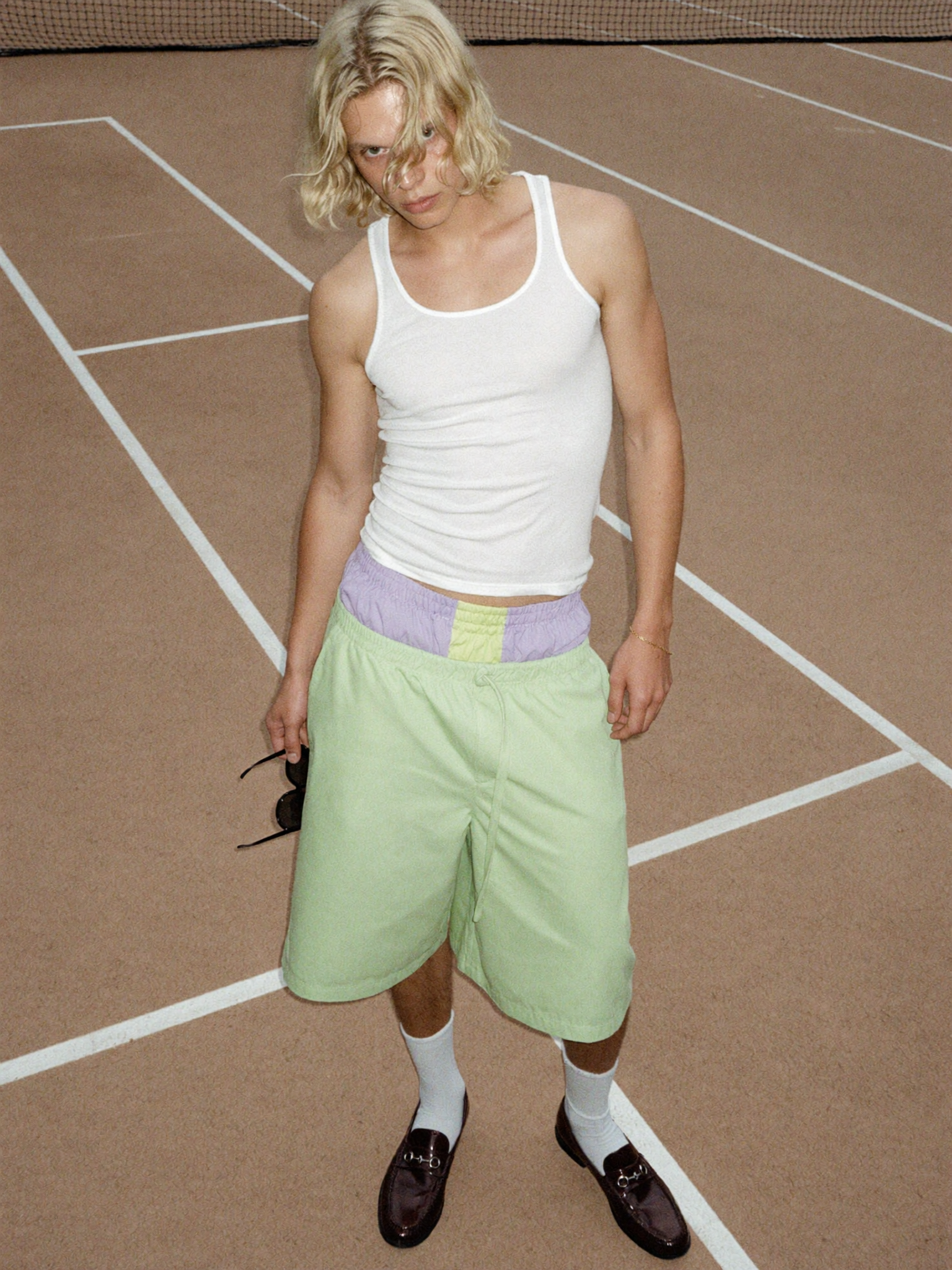
A product photo used to mean a shoot: rented studio, hired model, makeup artist, retoucher. That pipeline still exists, but it no longer owns the market. Photorealistic AI portraits let an online brand generate convincing people wearing or using its products in seconds and at a fraction of the historical cost. For e-commerce teams that refresh catalogs monthly and localize ads for several regions, this is not a curiosity; it is a practical content strategy.
This guide explains why photorealistic AI portraits gained traction in digital marketing, how the underlying image models work, and how to put them to use without tripping over style drift or accuracy problems. It is written for marketers and small teams who want concrete, reusable steps rather than hype.
Why Realistic AI People Matter to Online Shops
Online buyers cannot touch the product, so they rely on visual cues to judge fit, scale, and context. A pair of jeans photographed on a variety of bodies reads far better than a flat lay of fabric. Shipping those photos, however, is expensive and slow, especially when you serve many sizes, colors, and international audiences.
Generative portraits remove the scheduling and the per-spend cost of talent. Once your models are defined, the same digital person can appear in a morning outfit, an evening look, and a workout set without a second call on set. That repeatability is precisely what marketing teams want: the same face builds recognition, while the outfits let a single model represent an entire collection.
The Efficiency That Drives Adoption
Cost and speed are the two reasons most teams trial AI portraits. Replacing a multi-day photoshoot with an afternoon of directed generation collapses production schedules. For A/B testing, where marketers want several creatives quickly, this speed is decisive. Rather than committing budget to one hero image, brands can test five variations and keep the winner.
The accuracy of modern diffusion and transformer image models has made synthetic faces hard to distinguish from photographs. Hands, textures, and skin tones that betrayed early generations are now handled convincingly, which is why the results are usable on storefronts rather than only in moodboards.
It is worth being clear about the boundary of the opportunity. A synthetic face can model an outfit, hold a product, and change context quickly, but it cannot yet replicate the lived nuance of real craft, the personality of a recognizable human talent, or the safety of proving actual garment physics and fit. That is why the strongest strategies treat AI portraits as a production amplifier: they add volume, speed, and variety to a catalog, while real shoots carry the flagship moments where tangible quality is the whole story.
How the Technology Produces Believable Faces
Photorealistic portraits come from text-to-image models trained on enormous datasets of real photographs. Given a description such as "woman in her thirties, warm smile, studio lighting, denim jacket," the model draws on the distribution of images it has seen to compose a plausible matching face.
The generative leap forward came from diffusion models, which learn to reverse a process of adding noise until they produce a clean image from a random starting point, conditioned on the prompt. Transformer architectures added a better understanding of language structure, so the model genuinely follows an instruction rather than latching onto a few keywords.
Scene Control and Character Consistency
Two features turned this from a toy into a tool: scene control and character consistency. Scene control lets you specify lighting, background, framing, and even camera lens, giving the output the look of a professional shoot rather than an unanchored illustration.
Character consistency is the killer feature for commerce. If you can lock one face and reuse it across a campaign, customers come to recognize that face as the brand. Modern pipelines let you register a person with a set of reference images and then summon them into any outfit or setting while keeping the identity stable. That single capability is what allows a model's face to carry a whole season of product shots.
Building a Practical AI Portrait Workflow
The gap between a neat demo and a repeatable marketing asset is workflow. Here is a process that works for a catalog or campaign.
Who Should Own the Workflow
Treat the AI cast like any production asset with an owner. Decide who curates the references, who approves final renders, and who keeps the style sheet current. A single point of control avoids the chaos of several people generating wildy different versions of the same character. Appointing a visual owner also means learning accumulates: the owner knows which prompts work, which references hold, and where the catalog tends to drift.
Step One: Define the Cast List
Decide who your customers need to see. Differentiate by age, body type, skin tone, and lifestyle role rather than generating one generic model. Write a short character sheet for each: name, age range, styling, and the typical setting they appear in. This sheet becomes the reference prompt that anchors consistency.
Step Two: Register Each Character
Using a tool that supports identity registration, upload three to six clean reference images of each digital person, ideally front-facing with varied lighting. The references define the immutable features. Once locked, every later generation should carry the same face with the outfit and scene varied.
Step Three: Generate Outfits and Angles
For each character, generate the set of products you need to show. Keep lighting and background consistent within a collection so the images feel like they came from one shoot. Note the exact prompt segments that produce the desired look so you can reproduce them regressibly.
Step Four: Curate and Quality-Gate
Not every render is usable. Establish a short checklist: hands and jewelry anatomy, text legibility, brand colors, and realism of skin texture. Keep the best one or two frames per product and discard the rest. A rigorous curation step is what keeps a synthetic catalog from looking uncanny.
Using AI Portraits Across the Buying Journey
People use AI models at every touchpoint, not only in the hero banner. On the category page, a consistent cast helps shoppers place themselves in the product. On the product page, close-ups of fabric and fit on a realistic body reduce return risk. In ads, diverse representations let you localize a single brand look across markets.
User journeys become more personal when the person matches the audience. A sportswear brand can showcase the same jacket on runners of different ages and builds, showing each segment a relevant version. This versatility is hard to replicate cost-effectively with traditional shoots.
Catalog Renewal and Seasonal Drops
One of the clearest wins is catalog speed. When a collection launches with dozens of SKUs and multiple colorways per item, traditional photography creates a bottleneck. With an AI cast, the same characters can appear in every colorway and every pose variation, and the entire catalog can be re-shot in a fraction of the calendar time it used to take. Teams publish more often, stay consistent, and keep the storefront feeling fresh instead of waiting on the next shoot date.
Localization and Regional Flavor
Synthetics also reshape localization. A single global product can be shown on a face and setting that feel native to each market, using the same locked product with a locally relevant character and backdrop. This lets a brand speak to different regions without maintaining separate photo teams per country. The discipline is keeping the product and its identity accurate while varying only the human and environmental context around it.
Building Trust with Synthetic Faces
A recurring worry is whether synthetic people undermine trust. In practice, credibility depends on how the images are used and labeled. If they look photorealistic and are not disclosed where regulation requires, the brand risks backlash. If the same cast appears consistently and the marketing is honest about the approach, audiences generally accept the imagery just as they accept stock photography.
Set internal rules early: decide which applications use the AI cast, where disclosure is required, and how originals are archived. Consistency and honesty protect both the brand and the customers, and they keep the strategy defensible if questioned.
Common Pitfalls on the Rollout
Watch for style drift, where later generations subtly change the character's face despite the same prompt. Mitigate with a strong reference registration and by validating identity across all outputs before publishing. Beware of unrealistic details in busy scenes; start with simple backgrounds and add complexity gradually.
Another risk is over-reliance on a single generic model that fails to match your actual customer base. Because synthetic people are easy to generate, it is tempting to show only one idealized type. That temptation fights both accuracy and inclusion, so keep a deliberate, signed list of characters rather than a default.
Finally, do not skip the legal and labeling conversation. Different markets have different expectations around synthetic imagery, particularly in advertising. Confirm your disclosure obligations where you operate and keep records of which assets are generated.
Keeping the Catalog Coherent Over Time
The hard part of a synthetic catalog is that it erodes if nobody tends it. Characters age in style, prompts drift as tools update, and an old season of imagery can quietly conflict with a new one. Mitigate this by versioning your character library, re-validating a sample of outputs after every tool update, and retiring retired characters deliberately instead of letting them linger. A short monthly review of the live cast keeps the storefront feeling designed rather than accumulated.
Measuring Whether It Works
Synthetic portraits should earn their place in the metrics. Set up a proper A/B test against your previous creative baseline: same audience, same budget, one control batch and one AI batch. Track click-through, add-to-cart, and return rate as well as conversion, because e-commerce promotions often lift early-funnel clicks while shifting return behavior.
If the AI creative maintains or beats your existing numbers while cutting production cost and turnaround time, the strategy is working. If the uncanny valley shows through in engagement, pull back on complexity and invest in stronger references.
The Metrics That Actually Judge Creative
Beyond the headline conversion number, watch the creative-driven signals. Look at how deep shoppers scroll on the product page with an AI hero image, whether the image zoom gets more requests, and whether the same character generating recognition lifts repeat-click rates. For ads, pay attention to the share and save rates on social placements, which indicate an emotional response rather than mere curiosity. These softer metrics tell you whether the imagery is building a feeling, not just filling a slot.
A Phased Rollout That Lowers Risk
Rather than converting an entire catalog at once, run a phased rollout. Pick one category, launch the AI cast there, and compare it against a photographed control category over a full sales cycle. Measure returns and trust signals as well as conversions. Only when that pilot demonstrates results should you widen the rollout to more categories. This sequence keeps you learning from real customer behavior while limiting exposure to an uncertain change.
Frequently Asked Questions
Are free AI portrait generators good enough for a real storefront?
Often yes for speed and variety, though results vary. Free tiers usually cap resolution and may watermark, so check whether your chosen tool meets print and zoom quality for product pages.
Can I keep the exact same face across every image?
Only if the tool supports identity registration. Without it, the same prompt tends to drift in facial features. Register your character with reference images and validate every export.
Is it legal to use synthetic people in ads?
Generally yes, but disclosure obligations differ by country and industry, and advertising standards bodies set expectations. Verify local guidance and label synthetic assets where required.
How do I avoid the uncanny look?
Use high-quality models, strong references, realistic lighting, and avoid anatomically dense scenes. Curate aggressively and prefer natural poses and skin texture over glamorous over-processing.
What shows up in a good model reference photoset?
Three to six front-facing images with clear skin texture, varied but flattering light, and consistent hairstyle and styling. Avoid heavy filters and accessories that muddy the identity.
Should I replace all my real photography with AI portraits?
Not necessarily. Many brands run a hybrid approach: real photography for the hero and flagship items, synthetic cast for high-volume catalog, localization, and A/B variants. The best mix depends on your cost structure, return rates, and how much you value the nuance real shoots capture on tactile goods.
How do I keep the product itself accurate in synthetic images?
Shoot or render the actual product reference and make the AI match its real colors, seams, and scale. Validate the product rendering against the physical item under similar light, because shoppers can spot a misprinted logo or shifted colorway instantly.
Photorealistic AI portraits will not replace the craft of visual merchandising, but they give smaller teams the reach of a much larger one. Start with a single campaign, ride on curated quality, and let the metrics decide how far to push the strategy.
