
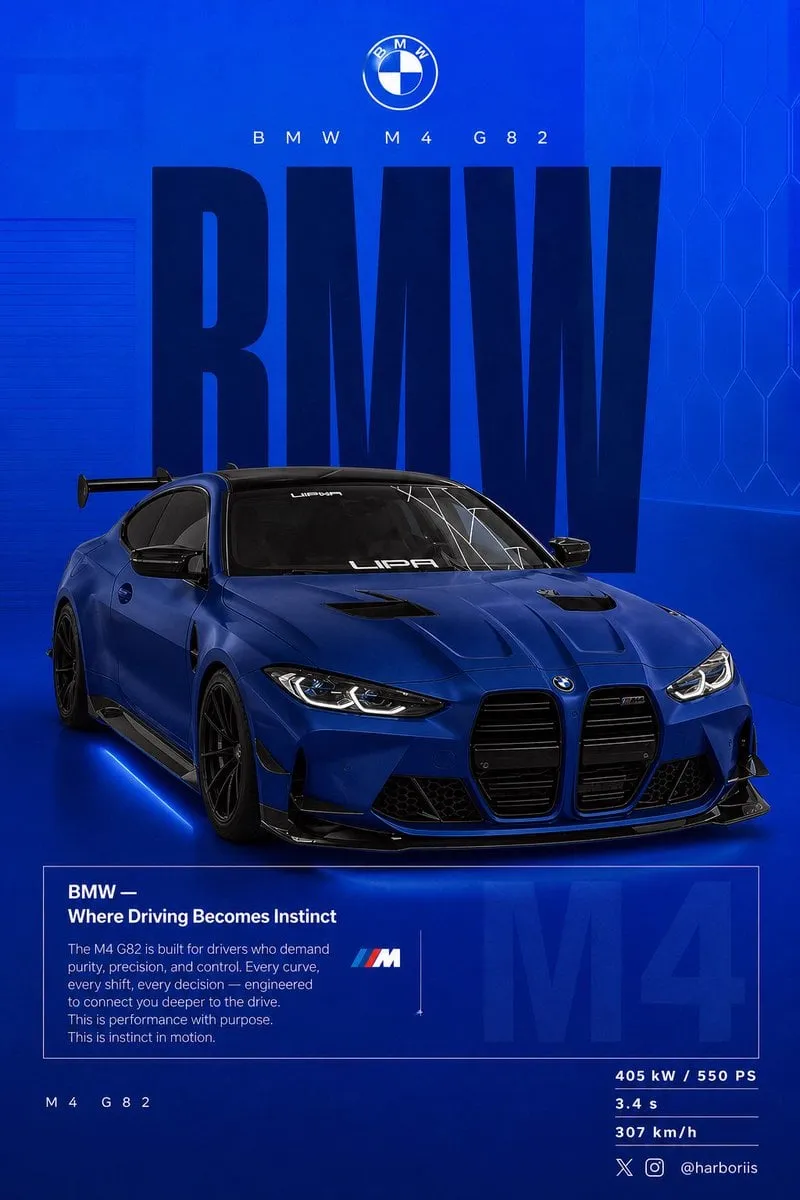
![[PERSON NAME]. Act as a high-end sports graphic designer creating a...](https://storage.brightvectorlabs.com/prompts/bright/poster-design/2008976966255337666-0.webp)
Online shoppers no longer want to just read specs and scroll through photos. They want to see products move, understand them in seconds, and feel confident before they hit the buy button. That shift has turned video into the single most powerful sales asset in e-commerce. And now, for the first time, small and mid-sized brands can produce professional promo videos at the speed their competitors can only dream about, thanks to generative AI.
The result is real: brands that invest in fast, high-quality video production see noticeably stronger engagement on product pages, higher conversion on ads, and better retention across social channels. This guide unpacks the practical marketing techniques behind AI promo videos, from understanding why consistency matters to building a repeatable workflow and scaling it beyond a single campaign. You will learn not only how to make the videos, but how to measure them, test them, and turn them into a sustainable growth machine.
Why Video Became the Heart of Online Selling
People process moving images faster than text, and they make buying decisions emotionally long before they rationalize them. A short product demo, a lifestyle clip, or a before-and-after transformation communicates value far more efficiently than a wall of bullet points.
The emotional shortcut
Video does something that photos cannot: it shows consequence. A wooden spoon looks nice in a product photo, but a clip of it gliding non-stick across a pan tells the viewer that cooking will be easy. Video lets a shopper experience the outcome of owning the product, which is exactly what drives the decision to buy.
Meeting platform expectations
Every major platform now prioritizes video. Search results surface video-first thumbnails, social feeds boost moving content, and advertising systems reward formats that hold attention. If you are not producing video, you are handing your competitors the visibility you could have earned.
The Production Problem AI Solves
Traditional promo video production is slow and expensive. You need a studio, camera equipment, actors or models, an editor, and days of scheduling just to shoot a handful of products. For a catalog of hundreds of items, that is simply not viable.
Generative video flips the model entirely. Instead of filming every product, you describe it, feed in a few high-quality reference images, and let an AI model animate it. What used to take a week of production now takes minutes. Cost per clip drops to almost nothing, so you can afford to test many creative directions and keep only the best.
This is not just a shortcut. It is a strategic advantage that changes how many campaigns you can afford to run and how quickly you adapt to trends. It also lets you respond to seasonal moments and viral movements while they are still relevant, instead of watching opportunity pass while a shoot gets scheduled.
Building a Consistent Product Look Across Videos
One of the most common failures in e-commerce video is inconsistency. One clip shows the product in warm daylight, the next in a cold studio, and another with the colors slightly off. Audiences notice, and it erodes trust in the brand.
Consistency starts with a clearly defined visual identity for your product. Decide on the backdrop, the lighting mood, and the color palette before you generate anything. Keep those decisions fixed across every clip. When an AI model knows exactly how the product should look, it can repeat that look reliably across many different scenes.
Anchoring the product appearance
Feed the generator multiple quality reference shots of the same product from different angles. The more reference data the model has about the item, the better it can maintain three-dimensional consistency — the same logo placement, the same material texture, the same proportions — across varied scenes and actions. This anchoring is the difference between a product that feels like itself and a product that seems to change with every clip.
Keeping scenes on-brand
Choose a limited set of scene templates that match your brand, such as a clean studio space, a lifestyle setting, or a bold animated backdrop. Reusing these templates keeps your catalog visually unified, which makes your feed look professionally art-directed rather than chaotic. Consistency across a feed is a quiet form of brand recognition.
Making Product Videos That Convert
A pretty video is not the same as a selling video. The best promo clips lead the viewer toward action.
Leading with the benefit
Show the problem the product solves within the first two seconds. A frying pan should look non-stick in the opening frame; a skincare bottle should show texture and glow immediately. Capture attention with value, not just aesthetics.
Using motion to demonstrate function
Product videos thrive on demonstrating how something works. Let the model animate the product being used — a bottle being squeezed, a jacket being zipped, a device being turned on. Function shown in motion is far more convincing than function described in text, and it answers the questions shoppers silently ask while browsing.
Ending with a clear takeaway
Close each clip with the visual of the product cleanly framed and on-brand, ready to be overlaid with a call-to-action. Consistency in the closing shot helps ads and product pages feel polished and trustworthy. Give every video a job: inform, demonstrate, or close.
Voiceovers and Audio That Sell
Video without good audio feels unfinished. Generative AI now covers this too, letting you add natural voiceovers and background music without booking a voice actor or licensing separate tracks.
Natural-sounding narration
Modern AI voice synthesis can produce clear, natural narration in many languages. Match the tone of your voiceover to your brand — warm and friendly, or crisp and authoritative. The same model can quickly produce alternate takes for different regional accents or languages, which makes localized ads far more practical than they used to be.
Timing narration to the visuals
A promo video works best when the audio and visuals reinforce each other. Plan each short section around a single message, then align the voiceover line with the corresponding product action. This keeps the pacing tight and the message memorable. Rewatch the clip with the sound off to check it still carries meaning on mute, since a large share of social users scroll with audio off.
Combining Multiple Reference Images for Perfect Product Videos
Single images sometimes miss details, which is why the most reliable method uses several reference shots stitched together into a coherent animated scene. This fusion approach gives you the best of both worlds: the composed composition you designed and the motion the AI adds.
Planning the scene from multiple angles
Instead of describing a product from scratch, pull together the angles you want the final clip to use. The model reconciles these into one stable, unified view, then brings it to life. This dramatically reduces the guesswork and weird artifacts that appear when a model tries to imagine an object it has barely seen.
Iterating quickly on variations
Because generation is fast, generate several versions of the same scene with slight changes — different lighting, a different camera angle, a different prop. Review them side by side, pick the strongest, and discard the rest. Rapid iteration is where AI really shines for marketers, because it lets you converge on a winner instead of settling for the first pass.
Scaling Video Production for a Whole Catalog
Once you have a working recipe, the true power of AI is scale. A process that works for one product should work for a hundred.
Building a reusable template library
Save your best prompts, scene templates, and settings as reusable assets. The next product takes seconds to slot into an existing template rather than requiring a fresh creative effort each time. Over time, this library becomes your most valuable content asset.
Queuing and reviewing in batches
Do not generate everything at once and hope for the best. Queue the work, review samples early, fix the issues, then let the batch run. Checking a few clips early saves you from producing an entire set with a mistake baked in.
Prioritizing your best-sellers
Apply the highest-effort production to your hero products — the items with the highest margins or the biggest audiences. Use faster, template-based generation for the long tail of slower-moving items so the whole catalog is covered without exhausting your resources. A tiered approach protects both quality and budget.
Measuring What Matters
Production speed is worthless if you cannot tell what is working. Define your metrics early and let them guide production.
Watch the right numbers
For ads, track click-through rate and cost per conversion. For product pages, watch add-to-cart rate and time on page. For social, look at completion rate and shares. Different videos have different jobs, and each job has its own metric.
Test creative variations systematically
Run A/B tests on your hero products — a close-up demo versus a lifestyle scene, a voiceover versus a music-only cut. Let the data pick the winner, then apply the pattern across your catalog. Small tests compound into a reliable formula over time.
Build a feedback loop
Feed performance data back into production. If product demos outperform lifestyle cuts on a certain platform, make more demos for that channel. Your video program should operate as a feedback loop, not a one-off creative exercise.
Community Building and Sustainability
Scaling is not only about the quantity of videos you ship. Long-term growth comes from turning your video output into a community and brand presence that compounds over time.
Consistent posting builds recognition
A steady, recognizable stream of product videos trains your audience to expect your brand. Familiarity breeds trust, and trust fuels repeat purchases and word-of-mouth. A deliberate publishing cadence keeps you present without becoming exhausting.
Encouraging sharing with relatable content
Not every video needs to be a hard sell. How-to clips, transformation videos, and behind-the-scenes peeks are highly shareable. They widen your reach beyond your own followers while reinforcing the value of your products.
Using audience feedback to guide production
Let engagement data and comments guide your next batch. If audiences keep asking about a particular feature, make a video that answers it. Treat your audience as partners in deciding what to make next.
Choosing the Right Platform Mix
Not all platforms want the same video. Optimize your output for where your customers actually are.
Social short-form
For TikTok, Instagram Reels, and YouTube Shorts, prioritize hooks in the first second, fast pacing, and vertical framing built for mobile. Keep clips digestible and repeat-friendly.
Product pages and ads
On product pages and search ads, favor clarity and trust over spectacle. Straightforward demonstrations that answer questions convert better than flashy edits that leave viewers confused about the product.
Email and landing pages
Short, benefit-led clips work well in email and on landing pages, where you have a captive but impatient viewer. Keep them tight and put the value proposition in the first frames since video autoplays silently by default.
Getting Started Today
You do not need a big budget or a production team to begin.
- Pick three to five hero products and gather their best reference shots.
- Define one consistent scene style and one color palette.
- Generate test clips in low resolution first to validate movement and composition.
- Add a natural voiceover and on-brand background music.
- Publish, measure engagement, and iterate.
Start small, prove the concept with your best products, and expand the system to your full catalog as you build confidence, templates, and a clear sense of what your audience responds to.
FAQ
How quickly can AI produce a promo video?
A single short clip can be generated in minutes, though refining it to the final look takes longer. For a whole catalog, batching means the bulk of the work runs without constant supervision.
Do AI product videos look professional enough for ads?
Yes, especially when you invest in consistent scene design, quality reference images, and a good voiceover. Many brands already run AI-generated product videos as their primary ad creatives.
What products are most suited to AI-generated promo video?
Physical, visually appealing products work best — cosmetics, apparel, food, electronics, and packaging. Products without strong visual variation are harder to make compelling on camera.
Do I still need a traditional film crew?
For most e-commerce needs, no. AI covers the animation, and you can source voiceovers and music the same way. Traditional crews remain valuable for high-end, brand-defining cinematic campaigns.
Will using the same workflow for every product make my content look repetitive?
Not if you vary scenes, angles, and voices within a consistent brand frame. The templates give you consistency; the variations give you freshness. The goal is a recognizable brand style, not identical clips.
Final Thoughts
E-commerce has entered an era of camera-less video. The brands that win will not be the ones with the biggest studios, but the ones that execute a repeatable, consistent, and fast system for turning products into compelling motion. AI promo videos put that system within reach of any business, regardless of size.
Build your templates, keep your product look consistent, test relentlessly, measure what works, and let your community guide what you make next. Do that, and the speed of your video production stops being a limitation and starts being your competitive edge.
