
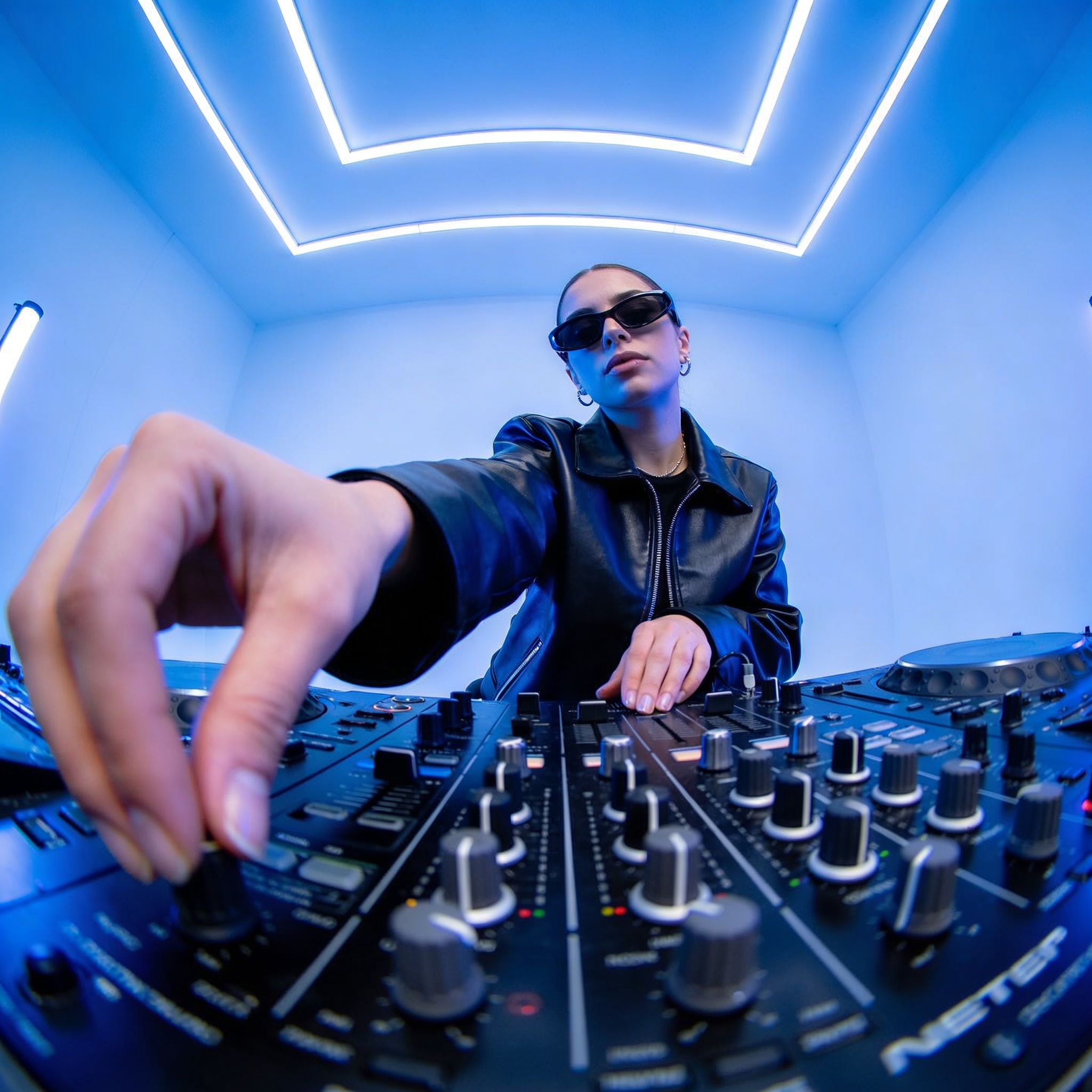
The gap between a vague text description and a finished piece of digital art used to be measured in weeks of manual work. Today it is measured in seconds, and the only thing standing between you and the image you imagined is the quality of your prompt. AI image generators have become astonishingly capable, but they are still literal-minded collaborators: they execute what you write, not what you mean. Learning to design prompts deliberately — treating them as structured instructions rather than loose sentences — is the single highest-leverage skill in modern digital art.
This guide walks through the anatomy of an effective prompt, the visual styles you can command, the camera and lighting vocabulary that gives your images a cinematic feel, and the production workflow that turns one-off experiments into repeatable results.
Why Prompt Design Matters More Than the Model
Every generation starts from the same raw material: text. Whether you are using a diffusion-based image model, a video generator, or a hybrid creative tool, the output quality is bounded by the clarity of your instruction. A strong prompt does three things at once: it tells the model what the subject is, how that subject should look, and what mood the final image should carry. Weak prompts produce weak images not because the model is weak, but because the instruction is ambiguous.
Think about the difference between these two prompts. "A woman standing in a street at night" leaves almost everything undefined. "A young woman in a vintage yellow raincoat standing under a neon noodle shop sign in Tokyo, rain-slicked asphalt reflecting magenta light, cinematic shallow depth of field, moody atmosphere, shot on 35mm film" leaves almost nothing to chance. The second version works because it supplies a concrete subject, an environment, a lighting condition, a color story, a lens behavior, and a photographic texture.
This is why prompt design has become its own discipline. In competitive content production, iteration speed and visual originality are the real currency. Creators who can express a vision precisely will produce usable frames in a handful of attempts, while everyone else burns hours re-rolling the same vague idea.
The Anatomy of a Structured Prompt
Treat a prompt as a small hierarchical document. The most important information belongs at the front, because many models weight earlier tokens more heavily, and because a clear priority order keeps the generation on target even when the total instruction is long.
Subject, Style, and Technical Details
Start with the core subject and its action. "A fox sitting in a snowy clearing" establishes the anchor of the image. Then add the style layer: "studio ghibli-inspired watercolor, soft pastel palette" or "hyperrealistic wildlife photography, dramatic side lighting." Finally, add technical details that shape how the image is rendered: aspect ratio, lens type, film stock, grain, depth of field.
A useful mental template is: subject + action + environment + style + lighting + camera + technical finish. You do not need every slot filled for every image, but filling the slots you care about costs nothing and gives the model fewer ways to drift.
Negative Prompts for Precision
What you do not want is as important as what you want. Most generation tools support a negative prompt field, and mastering it is the fastest route to clean output. If you keep seeing extra fingers, distorted hands, text artifacts, or unwanted watermark-like patterns, add those exact terms to the negative prompt.
Negative prompts are also useful for steering mood. Blocking "overexposed, cluttered background, cartoon style" forces the model toward the controlled, realistic look you actually wanted. Treat the negative prompt as a filter: list the most common failure modes for your subject type and let the model avoid them in a single pass instead of rerunning.
Style References and Seed Numbers
Two mechanisms give you reproducibility: style references and seed numbers. A style reference image tells the model to borrow the visual language of a particular example — its palette, texture, and rendering approach — while keeping your subject. This is invaluable when you need a consistent look across a series of images.
Seed numbers are the reproducibility backbone. A seed is the starting value for the random noise that shapes a generation. The same prompt and seed produce nearly the same image, which means you can lock a composition you like and make tiny adjustments — changing one word, keeping the seed — to explore variations without losing the base. In any serious production pipeline, you should record both the prompt and the seed for every accepted frame, because that record is what allows you to rebuild or extend a visual later.
Mastering Artistic Styles
The vocabulary of art history, photography, and illustration gives you precise control over the look of your output. The more terms you can deploy accurately, the less trial and error you need.
Cinematic Photography and Conceptual Illustration
For a filmic look, borrow from real cinematography: "anamorphic lens, teal and orange grade, volumetric light, film grain, shallow focus" immediately signals a movie still. For conceptual work, lean on illustration traditions: "matte painting, dramatic chiaroscuro, painterly brush strokes, epic scale" moves you into concept-art territory.
The same subject can be radically different depending on the style layer. A portrait of a knight is generic; a portrait of a knight rendered as a 1970s pulp fantasy book cover, or as a soft-focus watercolor, or as a brutalist sci-fi concept piece, is three completely different images with the same subject line. Style is not decoration — it is the largest part of the creative decision.
Model Selection as a Style Choice
Different generation models have different strengths. Some excel at photorealistic detail, others at physical realism in motion, others at stylized anime rendering. Instead of fighting a model's tendency, match the model to the style you want. When a project needs mixed styles, generate the base in the model that best matches the overall look, then use style-transfer or fusion techniques to align supporting frames.
Fusion and Character Consistency
The hardest problem in serial art is keeping a character identical across many images. Prompt alone is rarely enough, because small wording changes cause visible drift. The practical answer is reference-based generation: feed the model one or more reference images of the character, so the identity is anchored in pixels rather than in adjectives. Combined with consistent style references and fixed seeds, this is how creators produce coherent character sets, storyboards, and mini-series rather than disconnected one-offs.
Camera and Composition Language
Cinematography vocabulary is the difference between an image that merely shows a scene and one that feels directed. Models trained on photography and film understand this language well, so using it correctly pays off immediately.
Lenses and Depth
Lens terms control how the space is rendered. "85mm portrait lens" compresses the background and flatters faces. "24mm wide angle" exaggerates perspective and creates a sense of immersion. "Fisheye" bends the world. "Macro" shrinks the frame to tiny subjects. Adding a focal length and aperture like "f/1.8" tells the model to deliver creamy bokeh; "f/11" suggests deep, documentary-style focus.
Lighting and Atmosphere
Lighting is the fastest mood switch available. "Golden hour" gives warm, low, flattering light. "Hard noon sun" gives stark contrast and harsh shadows. "Neon glow" creates a futuristic night mood. "Overcast, soft diffused light" flattens contrast for a muted, melancholic feel. Combine a light source with a color story and the atmosphere writes itself: "cold blue moonlight, fog, desaturated palette" reads as eerie before you have even described the subject.
Composition Rules
The same rules that guide photographers work in prompts. "Rule of thirds" positions the subject off-center for a balanced, professional frame. "Leading lines" draws the eye along roads, rails, or architecture toward the subject. "Symmetrical composition" delivers grand, formal images. "Negative space" gives the subject breathing room and suits minimal design work. These phrases are not fluff — they directly influence where the model places elements inside the frame.
From Single Images to Production Workflows
A single great image is a win; a repeatable workflow is a system. Production-minded artists think in pipelines: brief, style lock, iteration, acceptance, archiving.
Start every project by defining the style lock — a reference image plus a set of style keywords that every output must respect. Generate a first pass at low resolution to test composition quickly. Only when the composition is right do you raise resolution and refine details. Accept frames with a clear pass/fail checklist: subject fidelity, style match, technical quality, and mood. Then archive the winning prompt, seed, and reference set so the next session can pick up exactly where this one left off.
This discipline matters most when you scale. A single social post needs one good image; a brand campaign, a comic, or a video storyboard needs dozens of images that look like they came from the same artist. Consistency is not a luxury at that scale — it is the whole point of the production system.
Practical Checklist for Strong Prompts
Before you hit generate, run this checklist:
- Is the subject named specifically, including action and key attributes?
- Is the environment set, with at least one distinguishing detail?
- Is the style layer explicit — realistic, painterly, anime, cinematic?
- Is the lighting defined, even simply, like "soft window light"?
- Is the camera set, at least the lens character or framing?
- Is the negative prompt blocking the known failure modes?
- Is the aspect ratio and quality setting appropriate for the use case?
If a prompt fails, change one variable at a time. Keeping the seed fixed while editing one phrase shows you exactly which word caused the improvement or regression. This is the scientific method applied to art, and it is the fastest way to build an intuition for how your chosen model thinks.
Common Prompt Mistakes and How to Fix Them
Even experienced artists hit predictable walls. The most common mistake is trying to describe everything at once: a prompt that lists forty attributes buries the subject, and the model averages everything into a bland compromise. Fix it by prioritizing. Decide the three or four attributes that define the image — the subject, the action, the mood — and let the rest fall into place.
The second mistake is fighting the model's strengths. If you want photorealistic output, use a photorealistic model and describe photographic conditions; asking a stylized model to be photorealistic wastes attempts. The third is ignoring iteration data. Every failed generation is information: the model is telling you which part of your prompt it does not understand. Change the vocabulary before you change the seed. The fourth is overusing negative prompts until the image looks lifeless; remove everything except the specific failure modes you have seen.
Finally, do not chase perfection on the first pass. A strong workflow produces a good composition quickly, then refines. Aim for a solid base frame, then improve in passes — quality in generation comes from iteration, not from a single heroic prompt.
Frequently Asked Questions
How long should a prompt be?
Long enough to specify what matters, short enough to stay focused. A few well-chosen phrases beat a paragraph of noise. Start with 20-40 words covering subject, style, lighting, and camera, then extend only where the model ignores important details.
Why does the same prompt produce different results?
Most tools add randomness between runs. Fixing the seed eliminates this. If results still vary, the tool may be using an auto-seed per generation, so lock the seed manually.
Should I always use a negative prompt?
Not always, but usually. It is cheap insurance against the most common failure modes. If your outputs are clean, you can leave it empty; if you see recurring artifacts, move those terms into the negative prompt.
How do I keep a character consistent across a series?
Use reference images of the character, keep one style reference for the whole series, and record seeds for accepted frames. Prompts alone will drift; anchored references will not.
Do I need to learn photography terms?
It helps enormously. Camera, lens, and lighting vocabulary is shared between photography and the training data of most image models, so using it correctly gives you professional-level control with zero equipment cost.
Conclusion
Prompt design is not a trick; it is a craft with its own structure, vocabulary, and workflow. Master the hierarchy of subject, style, and technical detail. Use negative prompts as filters, style references and seeds as reproducibility tools, and cinematic language to direct mood and composition. Once these habits are in place, the distance from a thought to a finished digital artwork shrinks to whatever your imagination can express — and the model will finally deliver what you meant, not just what you typed.
