
Video generation tools have reached the point where the model is rarely the bottleneck anymore. The gap between a mediocre clip and a genuinely impressive one is usually not the hardware behind it and not even the model you picked. It is the prompt. The same model, fed with a vague one-line description and then with a carefully structured paragraph, can produce results that look like they came from two different products. This guide is about closing that gap. It walks through what a strong video prompt actually contains, how to structure it, when to be detailed and when to stay brief, how to choose a model that matches your goal, and how to keep characters and scenes consistent across multiple shots. By the end, you should be able to look at any AI video generation tool and write prompts with intention instead of hoping for the best.
Why the Prompt Is the Real Director
Think about what happens when you describe a scene to a human filmmaker. You do not just say "make a dramatic scene." You talk about the location, the time of day, the character, what they are feeling, how the camera should move, and what mood the lighting should create. The director translates those intentions into concrete decisions about lenses, blocking, and color. A generative video model does the same thing, except the only channel you have to communicate with it is text. The prompt is your lens, your storyboard, and your art direction all at once.
This is why prompt engineering for video feels different from prompt engineering for text. A chatbot can tolerate ambiguity and ask clarifying questions. A video model cannot. It takes your words, turns them into a visual representation, and renders frames. If you leave important decisions unstated, the model fills the gaps with whatever its training data suggests is the most likely interpretation. That is often generic, and generic is exactly what you do not want.
The practical implication is simple: the more decisions you make explicitly in the prompt, the more the output reflects your intention. You do not need to control every pixel, but you do need to control the elements that carry meaning. Subject, action, environment, lighting, camera, and style. Miss any of those and you are gambling.
What a Strong Video Prompt Contains
A reliable video prompt can be built from a few building blocks. Not every prompt needs all of them, and sometimes a short prompt is deliberately better, which we will cover later. But when you are aiming for a polished, cinematic clip, these are the layers to think about.
Subject and Action
Start with who or what is in the frame and what they are doing. Be specific about appearance when it matters: age, clothing, posture, distinguishing features. Then describe the action as a continuous motion rather than a static image. "A woman walks through a rainy street" is a starting point. "A woman in a long beige coat walks slowly through a rainy street at night, avoiding puddles, glancing over her shoulder" gives the model a much clearer idea of the performance you want. Verbs matter. Motion verbs like walk, run, spin, reach, and drift carry most of the weight in a video prompt.
Environment and Lighting
The environment sets the scene, and lighting sets the mood. A bar at midnight, a hospital corridor in the afternoon, a forest clearing at dawn. Each combination suggests different colors, shadows, and textures. Mentioning time of day is one of the cheapest ways to improve output quality, because it forces the model to reason about light direction and color temperature. You can also go further and name the lighting style directly: golden hour, neon glow, hard shadows, soft diffused light.
Camera Language
This is what separates a clip from a movie. Generators have become good at understanding camera terminology, so use it. Decide whether the camera is static, pushing in slowly, orbiting, or following the subject. Specify the shot size when it matters: close-up, medium shot, wide shot. If you want a sense of scale, say so. If you want tension, a slow dolly toward the subject usually reads better than a fast zoom. Camera language is one of the highest-leverage additions to a prompt because it directly shapes the viewer's emotional response.
Style and Quality Cues
Finally, tell the model which visual language to use. Photorealistic, cinematic, anime, watercolor, claymation, documentary, 35mm film grain, HDR. You can also reference a mood without naming a genre: tense, dreamy, gritty, nostalgic. Quality cues such as "sharp focus," "high detail," and "shallow depth of field" can help, though they should not carry the prompt on their own. If your entire prompt is "cinematic, high quality, 4k," the model has almost no idea what to film.
Detailed vs. Concise: When Each Wins
There is a persistent myth that longer prompts are always better. In practice, the right length depends on the model and the goal. Detailed prompts shine when you need specific compositions, consistent characters, or complex scenes with multiple elements. Each extra clause gives the model another constraint, and constraints are what prevent generic output.
Concise prompts, on the other hand, are often better for brainstorming and style exploration. When you are not sure what you want, a short evocative prompt like "a lighthouse during a storm, impressionist style" can produce surprising variations that a rigid, over-specified prompt would never allow. The model has more freedom, which means more diversity across generations, which is exactly what you want when you are hunting for an idea.
A good workflow uses both. Start short and loose to explore directions. Once you find a direction you like, expand the prompt methodically, adding one constraint at a time, and test after each addition. This is faster and more reliable than writing a 200-word prompt from scratch and hoping it works.
Choosing the Right Model for the Job
The model you pick is as important as the prompt you write, because different models have different strengths. A prompt that works beautifully on one model can produce mediocre results on another. Here is a practical way to think about the current landscape.
Photorealistic quality and style consistency are the home turf of the Flux family. If your project is product shots, realistic people, or brand-style imagery, start there and write prompts that emphasize texture, material, and consistent design language.
For cinematic narrative and physics-heavy scenes, Runway models have a reputation for understanding motion and scene coherence. Prompts that describe camera movement, cuts, and character actions tend to perform well. OpenAI Sora-class models push further into long, coherent sequences where the story matters more than any single frame. If you are telling a mini-story with multiple beats, those models reward prompts written like short screenplays.
Kling models are strong for character-focused generation and detailed control, which makes them a good choice when you need consistent faces and precise actions. PixVerse and Luma models offer fast iteration and are useful when you are testing many variations quickly. MiniMax Hailuo and similar models have earned a following for creative stylization. Pika and Vidu are worth trying for specific niches such as reference-based generation and rapid drafts.
None of this is a permanent ranking, because the field moves fast. The useful habit is to maintain a small prompt library per model. When you find a phrasing that works well on a specific model, save it with a note. Over time you build a personal playbook that beats any generic advice.
Building Character Consistency Across Shots
The hardest problem in AI video is not generating one good clip. It is generating ten clips where the same character looks like the same person. Models drift. Hairstyles change, jawlines shift, jacket colors wander. If you are producing a short film, an explainer series, or branded content, this kills the project.
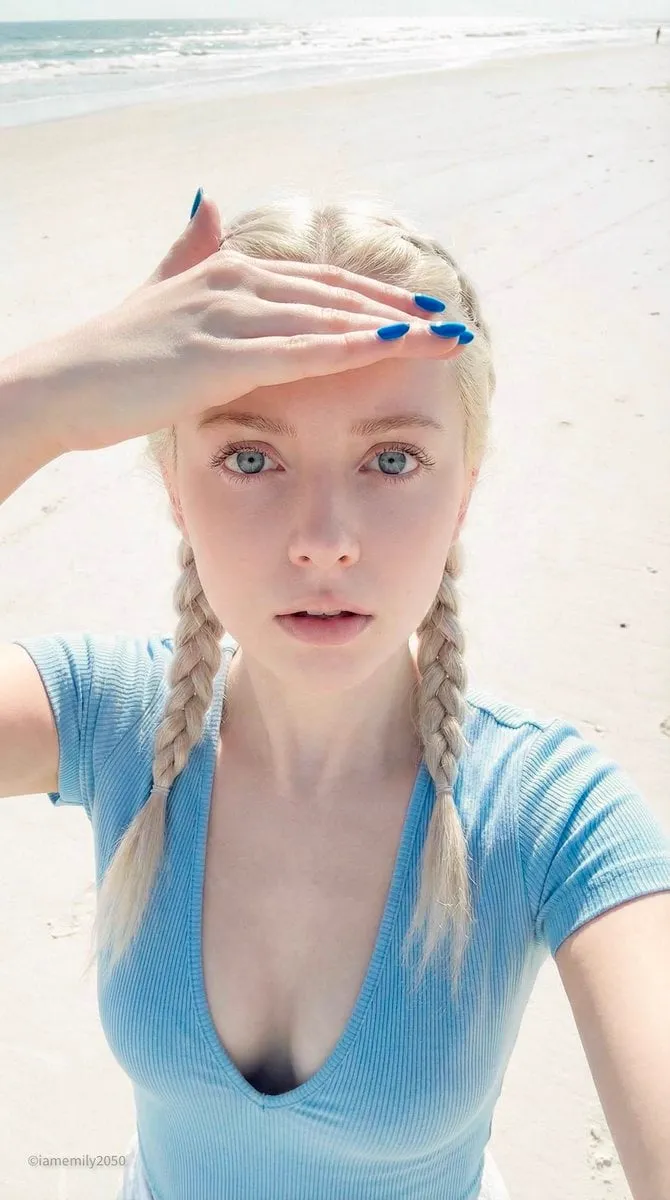
The most reliable solution today is reference-based generation. Provide one or more images of the character as input, and the model uses them as an anchor for identity. Multi-image fusion goes one step further: you supply several reference images showing the character from different angles and in different lighting, and the system distills them into a stable identity representation before generation. The result is a character that stays recognizable across scenes, poses, and even different models.
To get the most out of this, treat your reference images as production assets. Shoot or generate at least five to ten images covering different angles, expressions, and lighting conditions. Keep resolution high. Standardize the character's wardrobe and key features across the references, because the model will treat inconsistencies in your inputs as features, not bugs. Once you have a solid set of references, reuse them for every scene instead of re-describing the character from scratch each time. Consistency comes from anchoring, not from hoping the text prompt is specific enough.
The Iteration Loop: Test, Diagnose, Refine
Professional-looking AI video is rarely the result of one perfect prompt. It is the result of a fast iteration loop. Generate a draft, look at it honestly, identify what is wrong, and fix that specific thing. Most people skip the diagnosis step and just tweak random words, which produces random results.
When something looks wrong, ask what layer it belongs to. If the character's face changed, the problem is identity anchoring, so add a reference image or strengthen the visual description. If the motion is stiff, the problem is the action description, so rewrite the verbs. If the lighting looks flat, the problem is the lighting cue, so add a time of day or a light source. If the composition is boring, the problem is camera language, so add a shot size or a camera move.
One useful discipline is to change exactly one variable per iteration. If you rewrite five things at once and the output improves, you will not know which change mattered, and you will not be able to reproduce it. Change one thing, evaluate, and move on. After a few rounds you will have a prompt that is tuned to your exact taste, and you will understand your own preferences much better.
Common Prompt Mistakes and How to Fix Them
The most common mistake is ambiguity. Words like "beautiful" or "amazing" mean nothing to a model. Replace subjective praise with concrete descriptions. Instead of "a beautiful landscape," write "a vast valley at sunrise with layered mist and a winding river."
The second mistake is forgetting motion. Video prompts that read like image prompts produce static results. Make sure every subject has a verb describing what they do during the clip.
The third mistake is inconsistency between reference and text. If your reference image shows a woman in a red jacket and your prompt says "blue coat," the model receives conflicting signals and often produces something in between, or worse, flickers between both. Keep the text aligned with the references.
The fourth mistake is overload. Prompts with thirty clauses confuse the model and dilute the important instructions. Prioritize. If everything is important, nothing is. Keep the essential elements and cut the rest.
The fifth mistake is giving up after one attempt. Generation is stochastic. The same prompt produces different results on different runs. Run several variations, pick the best, and only change the prompt when the failures are systematic rather than random.
A Worked Example: From Idea to Final Prompt
Let us put this together. The idea: a short atmospheric clip of a courier delivering a package during the first snowfall of winter.
Weak prompt: "A courier walking in the snow with a package."
That will produce something, but it is a lottery. Now build it up layer by layer.
Subject and action: "A young courier in a dark green winter parka carries a cardboard package, walking briskly through falling snow."
Environment and lighting: "A narrow old-town street in the late evening, warm light spilling from shop windows, first heavy snowfall of the season."
Camera: "Medium tracking shot, camera glides beside the courier, snowflakes drift past the lens, shallow depth of field."
Style and mood: "Cinematic, muted color palette, soft focus glow, quiet and contemplative atmosphere."
Combined: "A young courier in a dark green winter parka carries a cardboard package, walking briskly through falling snow down a narrow old-town street in the late evening. Warm light spills from shop windows. Medium tracking shot, camera glides beside the courier, snowflakes drift past the lens, shallow depth of field. Cinematic, muted color palette, quiet and contemplative mood."
That is a paragraph, not a novel, and every sentence earns its place. Each clause answers a question the model would otherwise have to guess. That is what deliberate prompt engineering looks like.
FAQ
How long should a video prompt be? It depends on the goal. For exploration, keep it short. For a specific production shot, build it out to cover subject, action, environment, lighting, camera, and style. Most good production prompts are between 50 and 150 words.
Should I always use reference images? If character or object consistency matters, yes. Text alone is rarely enough to keep identity stable across shots.
Is one model enough? For a single style, maybe. For varied work, no. Different models have different strengths, and the best results often come from matching the model to the task.
Do negative prompts help? Yes, on models that support them. Excluding specific unwanted elements, such as "no text, no watermark, no extra limbs," can reduce common failure modes.
Why do my results vary between runs with the same prompt? Generation is stochastic. Run several takes and select the best. Change the prompt only when the same flaw appears across multiple runs.
Do I need to learn code? No. The skills that matter are observation, vocabulary, and iteration discipline. Knowing a bit about how diffusion and temporal models work helps you diagnose problems, but the core craft is linguistic.
