

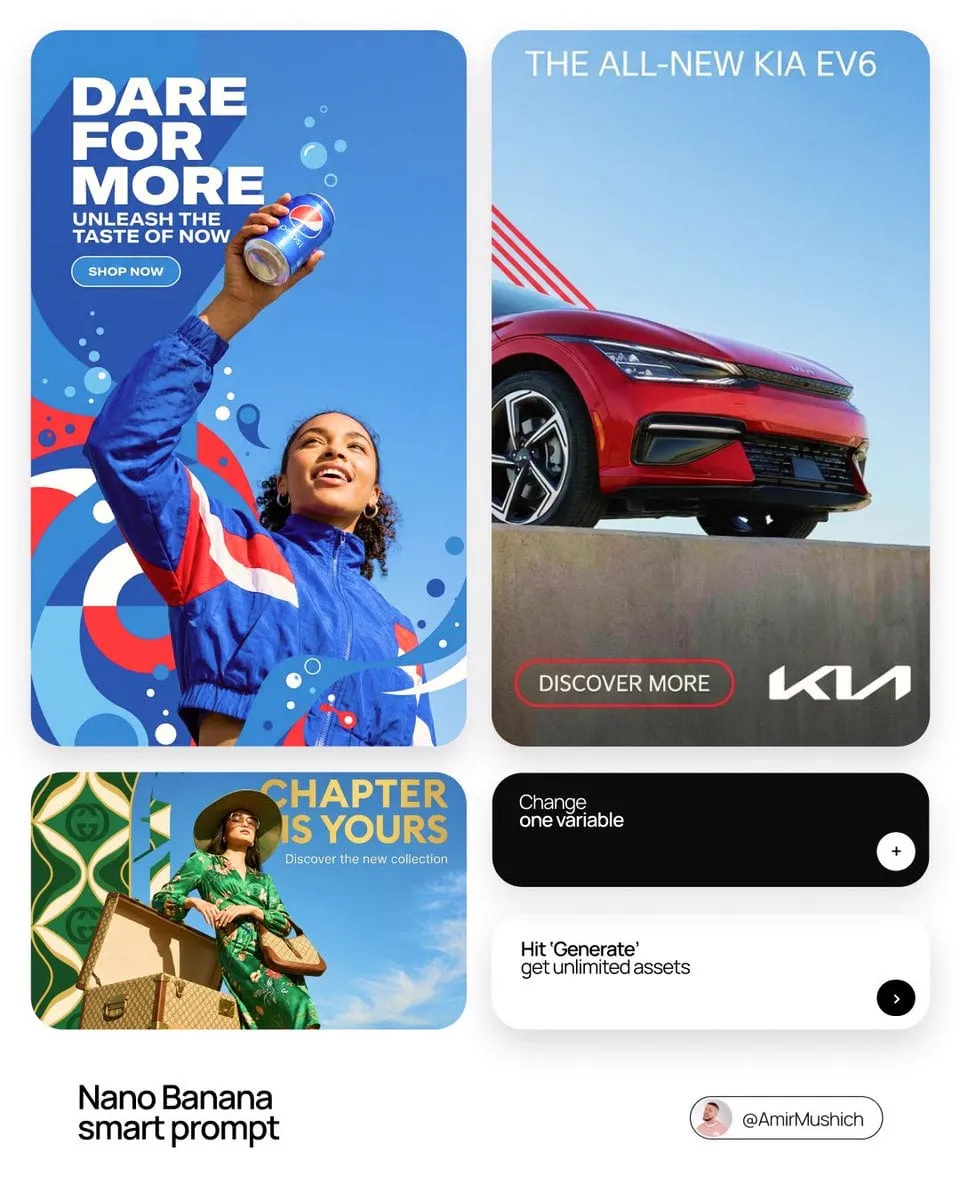
The future of content creation is being written in prompts. Whether you're generating images, video, or full campaigns, the quality of your output depends on how well you communicate with the model. Prompt engineering has evolved from a niche skill to a core workflow element for every serious creator. This guide explains how to integrate structured prompting into your video production pipeline, from concept to final export.
Why prompt engineering is now a core skill
Generative models are powerful but literal: they do exactly what you describe, no more. Vague prompts produce generic results; precise prompts produce professional work. Learning to write structured prompts is the highest-leverage skill in modern content creation.
The good news is that prompt engineering follows patterns. Once you learn the structure, you can apply it across models and projects. This makes it a durable skill, not a tool-specific trick.
Building a structured prompt framework
A structured prompt for video has four parts: subject, setting, action, and style. The subject answers "who or what", the setting answers "where and when", the action answers "what happens and how", and the style answers "what look and feel". Combining these four gives the model everything it needs.
Example: "A woman in a red coat walks through a rainy Tokyo street at night, neon reflections, slow tracking shot, cinematic color grade." Every element serves a purpose, and the model has no room to improvise in the wrong direction.
The role of an AI director in cinematic structure
Beyond single prompts, an AI director layer helps you structure whole sequences: it breaks a story into shots, suggests camera angles, and keeps the narrative coherent across scenes. Think of it as a copilot that translates your creative vision into technical instructions the models understand.
This is especially valuable for longer projects. Instead of prompting each shot in isolation, you define the story once and let the director layer orchestrate the generation. The result is a collection of shots that feels like one intentional piece.
Model chaining: using the right tool at each step
No single model does everything best. The professional approach is model chaining: use an image model to create references, a video model to animate them, another model to refine details. Each step uses the best tool for its job, and the pipeline becomes more powerful than any single model.
For example, start with a high-quality image model like GPT Image 2 to establish the look, then convert the image into video for motion, then refine in post. This layered approach gives you control at every stage.
Character consistency through reference management
The biggest challenge in AI video is consistency. The solution is reference management: define your character or product once with a reference image, then use that same image in every generation. This keeps the face, costume, and style stable across scenes.
For brands, this discipline is essential. Product appearance, logo, and colors must remain identical in every shot. Build a visual reference library for your projects; it's an asset that compounds over time.
Prompt efficiency: doing more with less
Good prompting is also economical: clearer prompts mean fewer failed generations, which means less time and fewer wasted outputs. Write your prompt once, test, refine the weak parts, and iterate. A small investment in prompt quality saves a large amount of rework.
Keep a prompt library. Store what works, note what doesn't, and reuse successful patterns. Over time, your library becomes a competitive advantage.
Building your AI workflow
A practical workflow has five steps: define the concept, write the story structure, create visual references, generate the shots, and assemble the final video. At each step, use prompts intentionally. The workflow turns AI from a toy into a production system.
Standardize your process, document your prompts, and review results with a critical eye. The teams that win with AI are not the ones with the most tools; they're the ones with the best processes.
Conclusion
The future of content belongs to creators who can direct AI with precision. Prompt engineering is the language of that future: structured prompts, model chaining, and consistent references turn ideas into polished work faster than ever. Start by building your own prompt framework, test it on a small project, and refine it. Explore our AI video generator, image generator, and model pages like Seedance 2.0 to build a workflow that works for you.
