
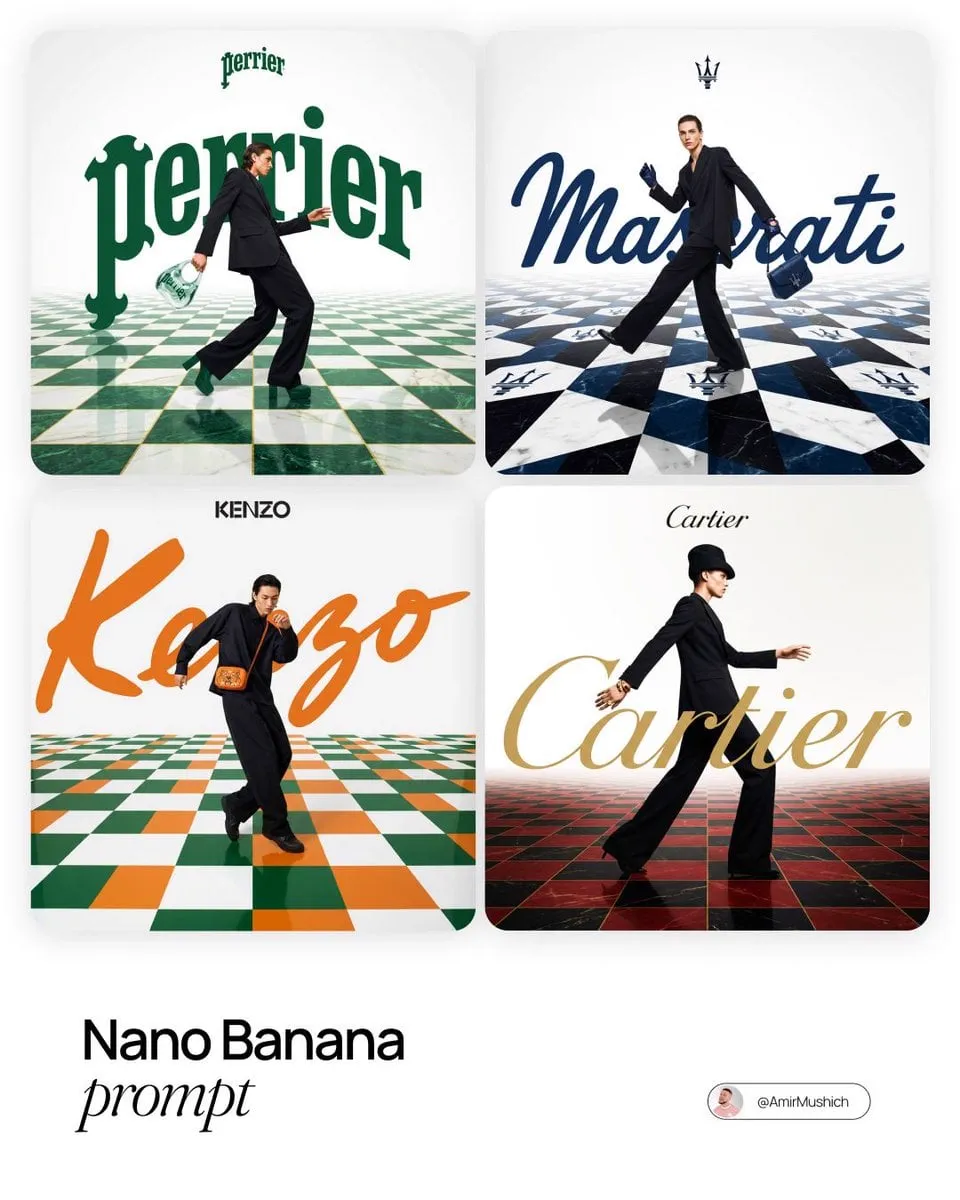
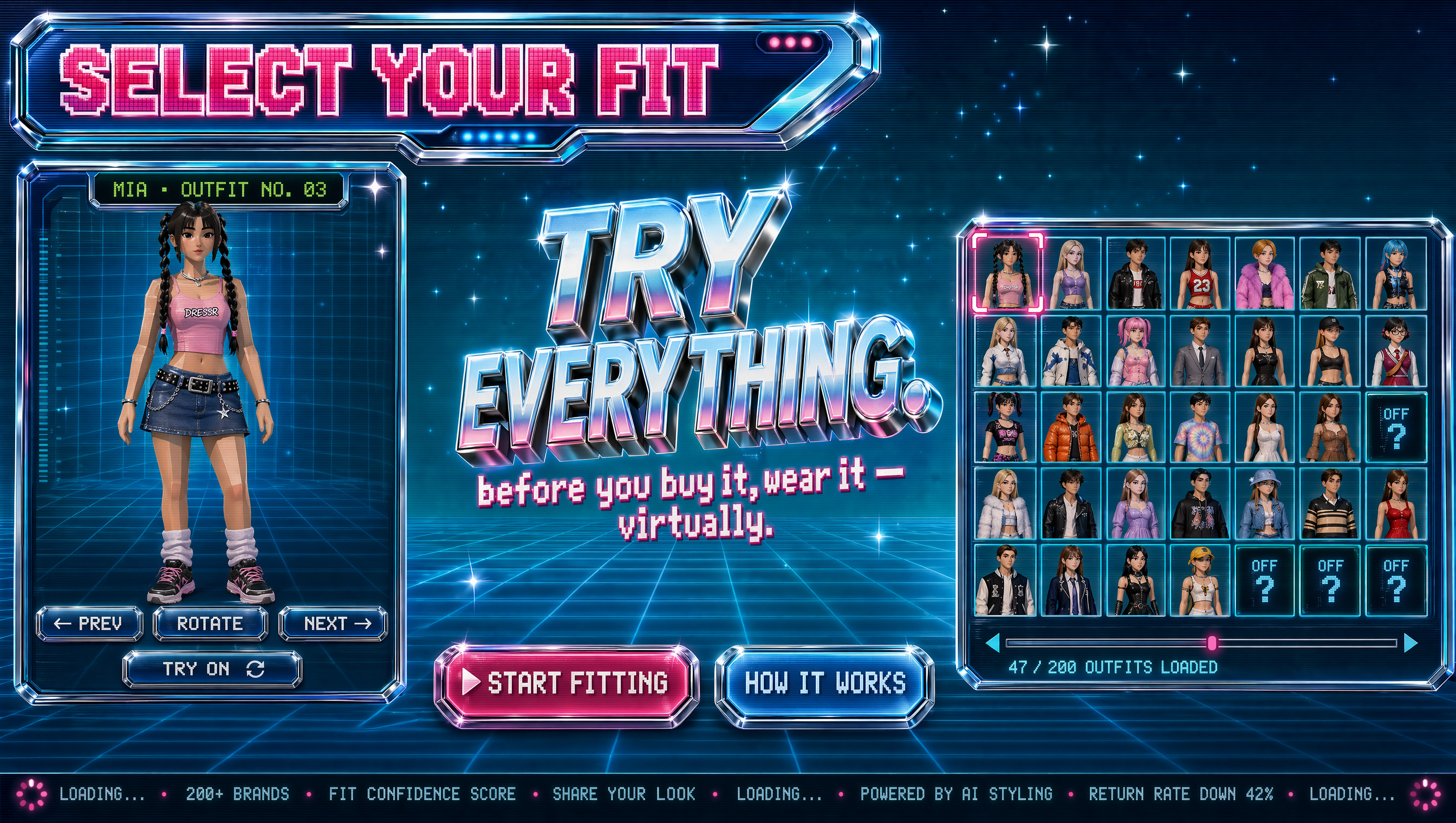
The difference between a generic AI clip and a high-quality video often comes down to the prompt. A vague description produces vague results; a well-structured prompt, supported by reference images, produces content that actually matches your vision. This guide covers the core skills of prompt mastery for AI video: structuring text, using images, choosing models, and maintaining consistency.
What Makes a High-Impact Prompt
A good video prompt works like a technical specification. It tells the AI not just what is in the scene, but how it looks, how it moves, and what it feels like. Instead of writing "a cat sitting," write: "a close-up of a gray cat sitting on a windowsill, golden hour light, shallow depth of field, slow camera push-in, calm mood." The details direct the model toward the result you want.
Structure Your Prompt
- Subject: who or what is in the scene
- Action: what is happening
- Environment: where and when
- Cinematography: camera angle, movement, lens feel
- Style: colors, texture, atmosphere
- Emotion: the mood you want the viewer to feel
Use Negative Prompts
Tell the model what to avoid: blurry faces, inconsistent lighting, unwanted artifacts. Subtraction is as important as addition in prompt engineering. This becomes especially valuable with high-fidelity models where small errors stand out.
The Power of Reference Images
Text describes style abstractly; images lock it down. A reference image forces the model to match its color palette, lighting, and texture. This is the most reliable way to control the look of your video.
Keep Characters Consistent
The biggest weakness of AI video is character drift: the hero looks different from scene to scene. The solution is reference images. Create a design with an AI image generator, then use the same references in every scene. When you change the setting, the character's identity stays intact. Image-to-video is the best tool for animating fixed references instead of re-describing them.
Anchor Keyframes
For precise control, define the first and last frames of a sequence. This gives the model fixed points to work between, which is essential for smooth transitions and action scenes.
Choosing the Right Model
No model is best at everything. Match the model to the task:
- Photorealism and detail: models known for high-fidelity textures and lighting
- Motion and dynamics: models with strong camera and movement control
- Speed and cost: cheaper models for drafts and testing
- Style: some models excel at animation or specific aesthetics
Test a model on a short clip before committing. For dynamic motion, models like Seedance 2.0 are worth trying, and for high-quality imagery GPT Image 2 is a strong choice.
Managing Cost and Iteration
Prompt mastery is also budget mastery. Draft with cheap, fast models to validate your idea. Once the direction is confirmed, render final scenes with higher-quality models. Save successful prompt and reference combinations; they become reusable templates that speed up every future project.
Maintaining Consistency Across Scenes
When moving between scenes, keep a visual tether: the same background element, the same character reference, the same lighting description. Small shared details prevent the video from feeling disjointed. Review the full sequence in order, not clip by clip, and fix individual scenes that break consistency.
Common Mistakes
- Vague prompts: "a nice video" produces generic results
- No references: characters change appearance between scenes
- Wrong model for the task: using one model for everything wastes quality or money
- Accepting the first result: generate variations and choose the best
- Ignoring sound: audio is half the experience; add music and voice matching the mood
Frequently Asked Questions
How long should a prompt be?
Long enough to be specific, short enough to stay clear. Usually 2-4 sentences with the key elements: subject, action, style, and mood. More words are not always better.
Do I need reference images every time?
For single clips, no. For anything with characters, products, or series, yes. References are the cheapest way to guarantee consistency.
Can I reuse prompts between models?
Partially. Each model interprets language differently. A prompt optimized for one model may underperform on another. Keep the structure and adjust the details per model.
Getting Started
Start with a simple scene. Write a structured prompt, generate a few variations, and study the results. Then add reference images and see how the output becomes more controllable. The skill builds quickly with practice. Master the basics — structure, references, model choice — and you will be producing high-quality AI video content consistently.
