

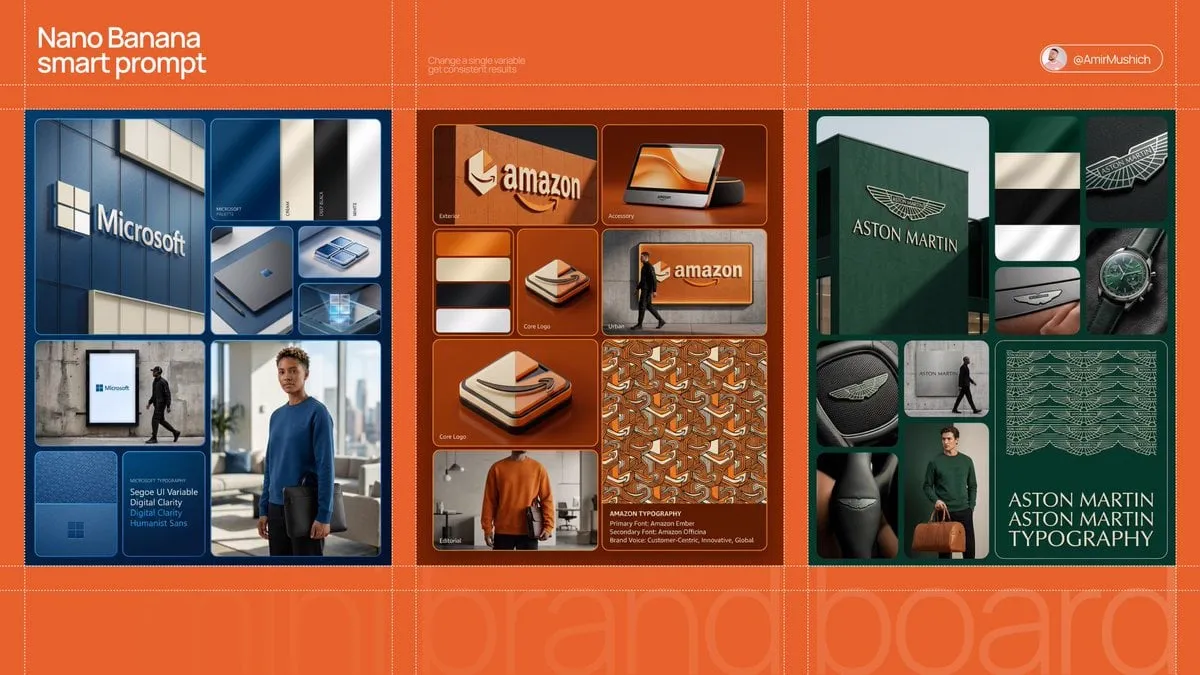
Growing a following on Instagram Reels or TikTok no longer depends on having expensive equipment or a professional editor on call. The creators pulling ahead in 2025 are the ones who combine a smart content strategy with AI production tools that let them publish faster, keep a consistent look, and respond to trends while they are still trending. This guide focuses on the practical system for making short, viral Reels with AI: the workflow, the models, the consistency techniques, and the growth habits that turn occasional posts into a real audience.
What Changed in Short-Form Content
The content market in most countries, including the Netherlands, has become saturated with visual stimuli. Posting more is no longer enough; viewers scroll past anything that does not grab them in the first second. What distinguishes a growing account from a stagnant one is not the quantity of posts but the quality and speed of creation.
Short-form algorithms reward two things above all: high retention and fast shareability. That means the videos that win are the ones designed around an opening hook, a tight rhythm, and a payoff that makes people react or share. AI changes the economics of this: what used to take a day of shooting and editing can now be planned, generated, and finished in a couple of hours.
For Dutch creators, the practical implication is simple. The same platforms, trends, and audiences apply, but the ability to react quickly to trending audio and visual styles is now the deciding factor in viral success. AI tools make that speed possible.
From Idea to Reel: A Modern Production Flow
The transition from an idea to a published Reel should be fast and intuitive. Traditional workflows introduce bottlenecks at every step: scripting, finding footage, editing, and rendering. An AI-based flow removes most of them.
Start with a one-line concept and the emotional trigger you want to hit. Then decide the hook: the first three seconds that stop the scroll. With AI you can generate several candidate openings and pick the strongest.
Next, break the video into a shot list. Because most AI video tools generate one clip per prompt, a twenty-to-thirty second Reel typically needs eight to twelve clips. Planning them in order, with a one-line description each, keeps the final edit coherent.
Finally, produce the clips and assemble them in an editor. This is where pacing, captions, and sound come together. The generated footage is raw material; the edit is what makes it feel like content instead of a demo.
Building a Model Toolkit
You do not need to master dozens of AI tools. You need a small toolkit that covers the main production stages.
Text-to-Video for Ideas and Exploration
Text-to-video models turn a written prompt directly into a clip. They are ideal for exploring concepts, surreal visuals, and scenes that are hard to film. Their weakness is control: the model's interpretation may differ from what you described. Use them when speed matters more than precision.
Image-to-Video for Consistent Storytelling
Image-to-video tools animate a starting image. This is the single most useful capability for consistent storytelling, because you control the first frame. Design a character or location in an image generator, then bring it to life with motion. Most professional AI workflows are built around this stage.
Model Families and Their Personalities
Models differ in style, motion quality, and realism. Photorealistic models such as the Flux line and Sora are strong for cinematic and natural-looking scenes. Others, including Kling and Vidu, handle stylized animation and dynamic movement well. There is no universally best model; there is only the right model for the scene. A realistic brand ad and a whimsical animated short should not use the same default settings.
The practical takeaway: learn one text-to-video tool for idea generation, one image generator for frame design, and one or two image-to-video tools for animation. That combination covers most projects without overwhelming you with subscriptions.
Consistency Across Multiple Reels
The fastest way to build a recognizable brand on Reels is to make every video feel like it comes from the same creator. AI makes this harder by default, because each generation starts from scratch. The fix is a set of reference assets that you reuse across projects.
Multi-image fusion is the core technique. Create a character or a visual identity once, from multiple angles, then feed those images as references whenever you animate. Over time, you build a small library: character sheets, location keyframes, and style frames that anchor every new video.
Scene consistency works the same way. If your brand has a signature location or color palette, generate keyframes of that environment and reuse them. For product videos, keep one hero image of the product and reference it throughout.
A consistent caption style also helps. Choose one font treatment, one caption position, and one tone, and apply it to every Reel. Small, repeatable choices like these compound into a recognizable identity.
Audio and Voice: The Underrated Half of a Reel
Sound is often treated as an afterthought, but it is half of the video experience. AI-generated footage has no native audio, so everything the viewer hears must be added in post.
Three layers matter. The soundtrack sets the emotional tone; trending audio can also give a Reel algorithmic lift. Sound effects make transitions and reveals feel intentional. Voiceover, whether recorded or AI-generated, adds personality and can carry the message when the visuals are conceptual or minimal.
Keep the audio mix simple and consistent. Loud, clean, and well-timed beats are worth more than a complex sound design. Match your cuts to the music and your captions to the beat, and the video will feel professional even with modest footage.
Publishing Cadence and Testing
A viral Reel is rarely a one-off. It is the result of a publishing system that produces enough volume to learn what works.
Set a realistic cadence and protect it. Two to four well-made Reels per week is a solid starting point for most creators. Consistency matters more than perfection; the algorithm rewards accounts that reliably deliver content their audience engages with.
Test one variable at a time. Change the hook pattern, the model used for the hero shot, the caption style, or the posting time, and compare results. After a few weeks you will see which variables move retention and shares for your specific audience.
Do not delete underperforming posts. They are data. Instead, log what you tried and what happened, and use that log to plan the next batch. This turns content creation into a learning loop instead of a guessing game.
Metrics That Matter for Growth
Posting without measuring is guessing. The good news is that you do not need a complex analytics stack; the platform dashboards and a simple spreadsheet are enough to find what works.
The most important metric for short-form is retention in the first seconds. If viewers drop immediately, the hook is the problem. If they stay for the hook but leave mid-video, pacing or payoff is the problem. Watch time per view and completion rate tell you how well the middle of the video holds attention. Shares and saves are the strongest signals of value, because they mean a viewer was willing to attach their name to your content.
A second set of metrics concerns the account, not the single video. Follower growth per week, profile visits, and the percentage of non-follower reach show whether the algorithm is finding new audiences for you. A video can have excellent views and still contribute little if it never reaches people outside your existing followers.
Keep the comparison honest. Judge a video against your own recent average, not against outliers or against creators with vastly different resources. Log three numbers for every post: retention at three seconds, completion rate, and shares. After ten posts, patterns will be visible: certain hooks, formats, or topics will consistently outperform, and you can shift your calendar toward them with confidence.
Planning a Sustainable Content Calendar
A publishing cadence only works if the ideas behind it are organized. Without a calendar, creators drift between inspiration and burnout, posting in bursts and then going quiet. The fix is a simple planning system that feeds your AI production pipeline.
Start with a monthly theme. Pick one broad topic that defines the month, then break it into ten to fifteen specific video ideas. Each idea needs a one-line concept, a hook direction, and the primary visual approach. This planning session takes an hour and removes most of the daily friction.
Next, batch your production. Generate footage for several videos in one session rather than producing one video at a time. AI generation works efficiently in batches, and batching lets you reuse references, prompts, and style settings across the whole set. You can then edit and schedule the videos over the following days.
Leave room for trends. Reserve a third of your slots for flexible, trend-driven content that you decide in the moment. A calendar that is too rigid misses the opportunities that make short-form growth fast; one that is too loose never builds momentum. The balance is the craft.
Finally, review the calendar weekly. Look at what performed, what underperformed, and what trend deserves a fast follow-up. Update the next week's plan accordingly. The calendar is a living tool, not a commitment carved in stone.
Monetizing Your AI Workflow
Growth is the means, not the end. Once you have an audience, the same AI production system that got you there can support multiple revenue streams.
Brand partnerships are the most direct route; a consistent, professional-looking Reel style makes you an attractive partner. Affiliate links and product placements work well when they are integrated into the content naturally. Digital products, such as templates, prompt packs, or courses, are a natural fit because you already know how to teach the workflow. Paid community memberships reward your most engaged followers with extra value.
The key is to design the monetization into the content calendar rather than bolting it on afterward. If every tenth post is a value-driven mention of a product you genuinely use, the audience accepts it. If every post is an ad, the growth stops.
Common Pitfalls to Avoid
The most common mistake is chasing tools instead of a system. Buying access to every new model does not create growth; a repeatable workflow does.
The second mistake is ignoring the hook. Beautiful AI footage without a strong opening gets scrolled past. Budget the same care for the first three seconds as for the whole edit.
The third mistake is inconsistency in visual identity. If every Reel looks like it came from a different account, the algorithm and the audience cannot form a clear picture of who you are. Lock your references and your caption style.
The fourth mistake is treating AI output as finished. Generated clips need editing, pacing, sound, and captions. The creators who treat AI as a raw material supplier, not as a magic button, consistently produce better content.
Frequently Asked Questions
How much does an AI Reel workflow cost? You can start with free tiers of one image generator and one image-to-video tool. Paid plans become worthwhile when volume or quality demands them, and the cost is usually far below hiring an editor.
Do I need to show on camera? No. Many successful Reels accounts are fully voiceover-driven or caption-driven. AI can handle the visuals, the voice, and even the script, allowing you to build a brand without appearing on camera.
How long should a Reel be? Start with fifteen to thirty seconds. Short videos keep the hook tight and are easier to complete and iterate on. Go longer once you understand what your audience retains.
What if my videos look too obviously AI-generated? Usually that is a workflow problem, not a model problem. Use image-to-video for control, write specific prompts, edit the pacing, and add sound. The more you control the pipeline, the more natural the result looks.
How do I find trending audio and topics? Watch the platform's trend page and successful accounts in your niche daily. Note the emotional pattern behind what is working, then create your own version. Speed matters: a trend responded to within 48 hours has far more potential than one covered a week later.
The creators who grow with AI Reels are not the ones with the most impressive prompts. They are the ones with a system: a fast production flow, a consistent visual identity, a disciplined publishing cadence, and a habit of learning from every post. Build that system, and the tools become a reliable production line for content that builds a real following.
