

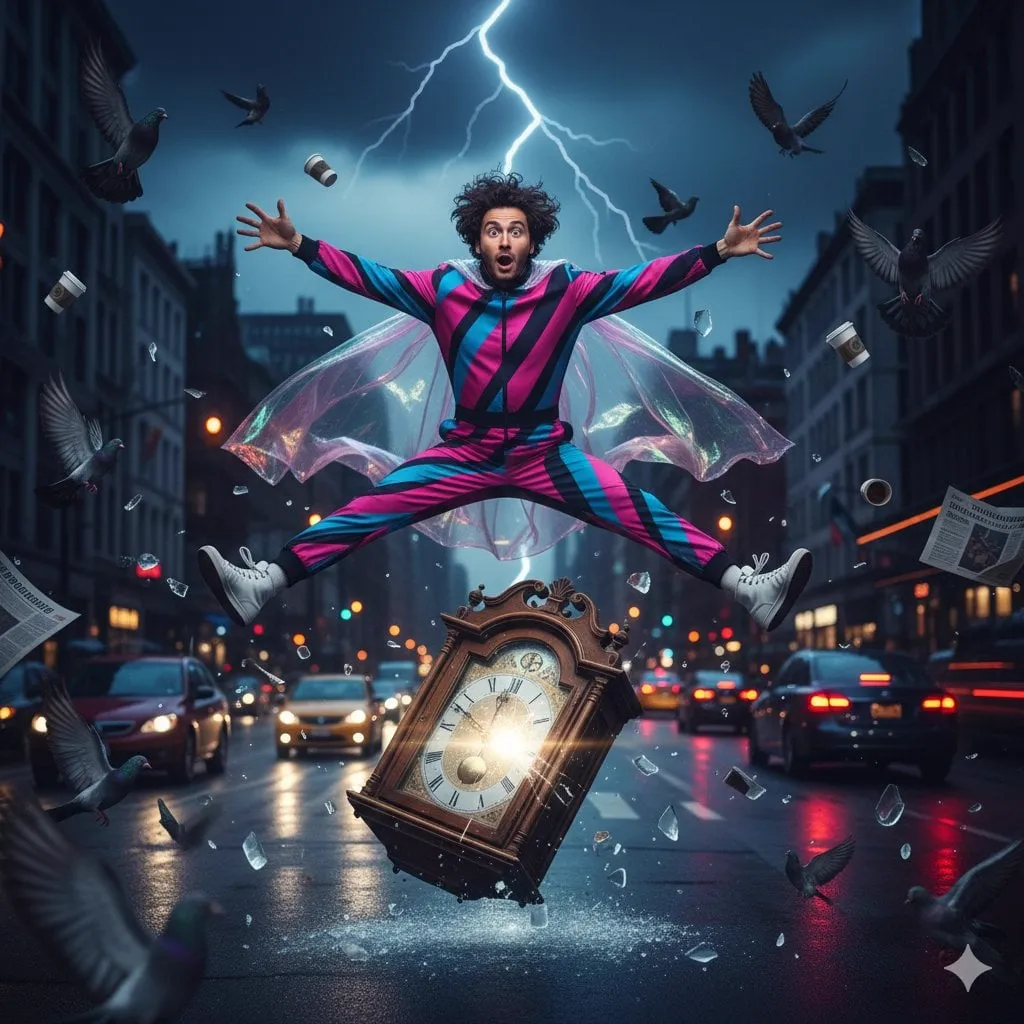
Every video starts somewhere before the first frame is shot. For independent creators, that place is usually a notebook full of half-formed ideas: a mood, a location, a character, a feeling that has not yet found its shape. The gap between that initial spark and a finished production is where most projects stall, because translating abstract imagination into concrete scenes, camera angles, and shot lists takes experience, time, and often a whole crew.
AI is rapidly closing that gap. The newest generation of video tools does more than generate footage from a text prompt; it helps creators design the scene itself. Scene composition, camera placement, lighting logic, and shot sequencing can now be planned, visualized, and iterated on with the help of AI systems that understand the language of cinema. For creators working alone or in small teams, this changes what is possible.
This article explores how AI can be used to design scenes and camera angles from idea to production, and how to build a practical workflow around it.
From Abstract Idea to Tangible Scene
The first challenge in any production is turning a vague concept into something concrete enough to shoot. What does "a rainy farewell at a train station" actually look like in terms of location, lighting, wardrobe, and lens? Traditionally, this translation happens in a director's head or across weeks of pre-production meetings.
AI tools now assist with this translation directly. You can feed a short description of your narrative moment into a scene-design system and receive a set of visual interpretations: environmental details, lighting directions, color palettes, and composition suggestions. The value is not that the AI makes the final decision; it is that it gives you something concrete to react to. Instead of staring at a blank page, you are choosing between options, which is a much faster way to develop a vision.
The most useful outputs combine spatial and emotional coherence. A good scene design should not only look right but feel right for the story beat, which means the system needs to understand mood, pacing, and narrative context, not just visual reference.
Designing Camera Angles with Cinematic Logic
Camera placement is where amateur projects betray themselves. A video that uses the same eye-level, centered framing for every shot feels flat, no matter how good the subject looks. Cinematographers spend years learning when to use a close-up, a wide establishing shot, a low angle, or a Dutch tilt, and each choice carries meaning.
AI-assisted camera design brings this knowledge within reach. Rather than randomly generating angles, a well-designed system analyzes what each moment in your scene is trying to communicate and suggests camera positions that reinforce that meaning:
- Wide shots establish location and scale, useful at the start of a sequence.
- Close-ups deliver emotional detail, useful when a character's reaction matters.
- Low angles make subjects feel powerful; high angles make them feel vulnerable.
- Moving cameras, such as slow pushes or lateral tracks, build tension or reveal information gradually.
The practical workflow is iterative: generate several angle options for each beat, review them in sequence, and refine until the visual language supports the story. Over time, reviewing AI suggestions also trains your own eye, helping you internalize the logic of good shot selection.
Building an Automatic Shot List
One of the most practical applications of AI in pre-production is the automatic shot list. A shot list is the bridge between creative vision and practical execution: for every scene, it specifies the shots needed, their framing, and their purpose. Writing one by hand is tedious and easy to get wrong.
An AI-assisted workflow can generate a first-draft shot list directly from your scene description or script excerpt. You define the narrative beats, and the system proposes the shots that cover them: establishing shots, inserts, coverage angles, and cutaways. Your job becomes editing and prioritizing rather than inventing from scratch.
This pays off immediately on set or in a solo production session. When you know exactly which shots you need, you stop improvising coverage and start executing. The result is fewer missed shots, less wasted footage, and a faster edit.
Controlling Light and Composition
Lighting is the element that most separates amateur from professional imagery, and it is also the hardest to describe in a text prompt. Saying "dramatic lighting" produces wildly different results depending on the model and the context.
Scene-design tools that expose explicit controls change this. Instead of relying on vague adjectives, you can define:
- Key light direction and intensity.
- Fill and rim light behavior.
- Time-of-day logic and its effect on color temperature.
- Practical light sources visible within the frame.
The same logic applies to composition. Rule-of-thirds placement, leading lines, negative space, and foreground depth can be specified or adjusted so that the generated scene matches your intended framing. When these parameters are exposed, the AI output becomes predictable enough to plan a production around.
Choosing the Right Model for the Job
No single AI video model is best for every scene. A character-driven drama, a product commercial, and an animated explainer demand different strengths. The practical approach is to match the model to the requirement:
- Photorealism and physics: choose models known for realistic environments and natural motion when the scene must feel grounded.
- Stylized and animated looks: choose models with strong stylization when the project lives in a specific visual universe.
- Consistency across shots: prefer models with strong image-reference features so characters and locations stay stable from scene to scene.
- Speed and iteration: keep a fast, cheaper model in the loop for early drafts, then switch to a premium model for the final render.
Building a small model toolkit, rather than depending on a single tool, gives you the flexibility to design each scene with the right visual language.
Maintaining World Consistency
The hardest problem in AI video production is consistency. A character who looks different in every shot, or a location that changes color between scenes, destroys the illusion of a continuous world. Scene design and camera planning are where you solve this problem before it happens.
The solution has three parts:
- Define your world before generating footage. Establish characters, locations, and props as reference images first.
- Use those references consistently. Every scene generation should draw from the same visual foundation.
- Track continuity in the shot list. Note which elements must remain unchanged across shots, so generation and editing both respect them.
AI tools with multi-image reference features make this practical. When the system can accept several reference images at once, you can constrain character design, environment, and style simultaneously, producing footage that reads as one world rather than a collection of unrelated clips.
A Practical AI Scene-Design Workflow
Here is an end-to-end process that works for short films, brand videos, and social content alike:
- Write the narrative beats. Summarize each scene in two or three sentences: what happens, what the character feels, what the audience should understand.
- Generate scene concepts. Use an AI scene-design tool to produce visual interpretations of each beat, including environment and lighting direction.
- Select camera angles. For each beat, generate angle options and choose the framing that best serves the emotion and information of the moment.
- Build the shot list. Convert the selected angles into a concrete shot list with framing, purpose, and continuity notes.
- Lock the references. Finalize character, location, and style references that every generated clip will use.
- Produce and iterate. Generate the footage, check consistency against the references, and refine the weakest shots.
- Edit with the plan. Cut according to the shot list and continuity notes, then grade and mix to finish.
This workflow keeps human judgment in charge of story and emotion while using AI for the heavy lifting of visualization, planning, and iteration.
A Case Study: One Creator's Scene-Design Pipeline
To see how these pieces fit together, consider a concrete example. A solo creator wants to produce a three-minute science-fiction short with no crew and a minimal budget.
She starts by writing the narrative beats: a courier discovers a malfunctioning AI in an abandoned station, the confrontation, and the escape. For each beat, she generates scene concepts, testing different interpretations of the station: brutalist concrete, overgrown vegetation, dim emergency lighting. She settles on a version that matches the story's loneliness.
Next, she works through camera angles beat by beat. For the discovery moment, she chooses a slow push toward the character's face. For the reveal of the malfunctioning AI, she tests a low angle that makes the machine loom. For the escape, she plans fast, handheld-feeling shots. Each choice is logged in her shot list with a one-line purpose.
She locks references: one image for the courier, three for the station, one for the AI's visual design. Every generation uses these references, which keeps the world consistent across the twenty or so clips she eventually produces. She generates drafts with a fast model to test pacing, then re-renders the eight shots that matter most with a premium model.
The entire process, from first idea to locked edit, takes her about a week of focused work. Two years ago, a project like this would have required a location, a crew, actors, and a budget many times larger. The workflow did not remove the craft; it removed the barriers that used to stand between the idea and the finished film.
Common Pitfalls and How to Avoid Them
- Designing scenes without a story reason. Every visual choice should serve the narrative; AI-generated spectacle without purpose reads as empty.
- Over-relying on one model. Scene quality varies by model; match the tool to the requirement instead of forcing one tool to do everything.
- Ignoring continuity until editing. Fixing inconsistency in post is expensive; solve it in reference design before generation.
- Skipping the shot list. Without a plan, production drifts and the edit suffers. The shot list is the cheapest insurance you can buy.
- Letting AI pick the emotion. The system suggests options; the emotional intent must come from you.
Frequently Asked Questions
Do I need filmmaking experience to use AI scene design?
No. The tools lower the barrier, and the process of reviewing AI suggestions teaches you the fundamentals quickly. Experience still helps, but it is no longer a prerequisite.
Can AI design camera angles for live-action shoots?
Yes. The same logic that informs generated video applies to planning real shoots. Shot lists, framing suggestions, and lighting plans produced with AI are directly usable on set.
How many angle options should I generate per scene?
Three to five distinct options per beat is a reasonable starting point. More options become noise; fewer limit your choices.
Will AI-generated scene design make videos look generic?
Only if you copy the defaults. The systems that expose parameters and references produce unique results when you feed them your own world and constraints.
What is the best way to learn this workflow?
Start with a single short project. Run the full process from narrative beats to final edit, note what worked, and refine the workflow on the next project.
How much time does AI scene design actually save?
For pre-production, the savings are substantial. A shot list that might take a day to draft by hand can be produced and refined in a couple of hours, and the visualization loop replaces many rounds of verbal back-and-forth. The larger saving is in production itself: when the plan is clear, fewer shots are missed and less footage is wasted.
Final Thoughts
The journey from idea to production has always been the hardest part of video creation, not because ideas are scarce, but because turning them into scenes, shots, and footage requires so many specialized skills. AI now handles a meaningful share of that translation: visualizing the abstract, choosing cinematic angles, planning coverage, and protecting consistency. The creator's role shifts toward what it should be all along, deciding what the story means and how it should feel. For independent creators, that shift is the real opportunity.
