


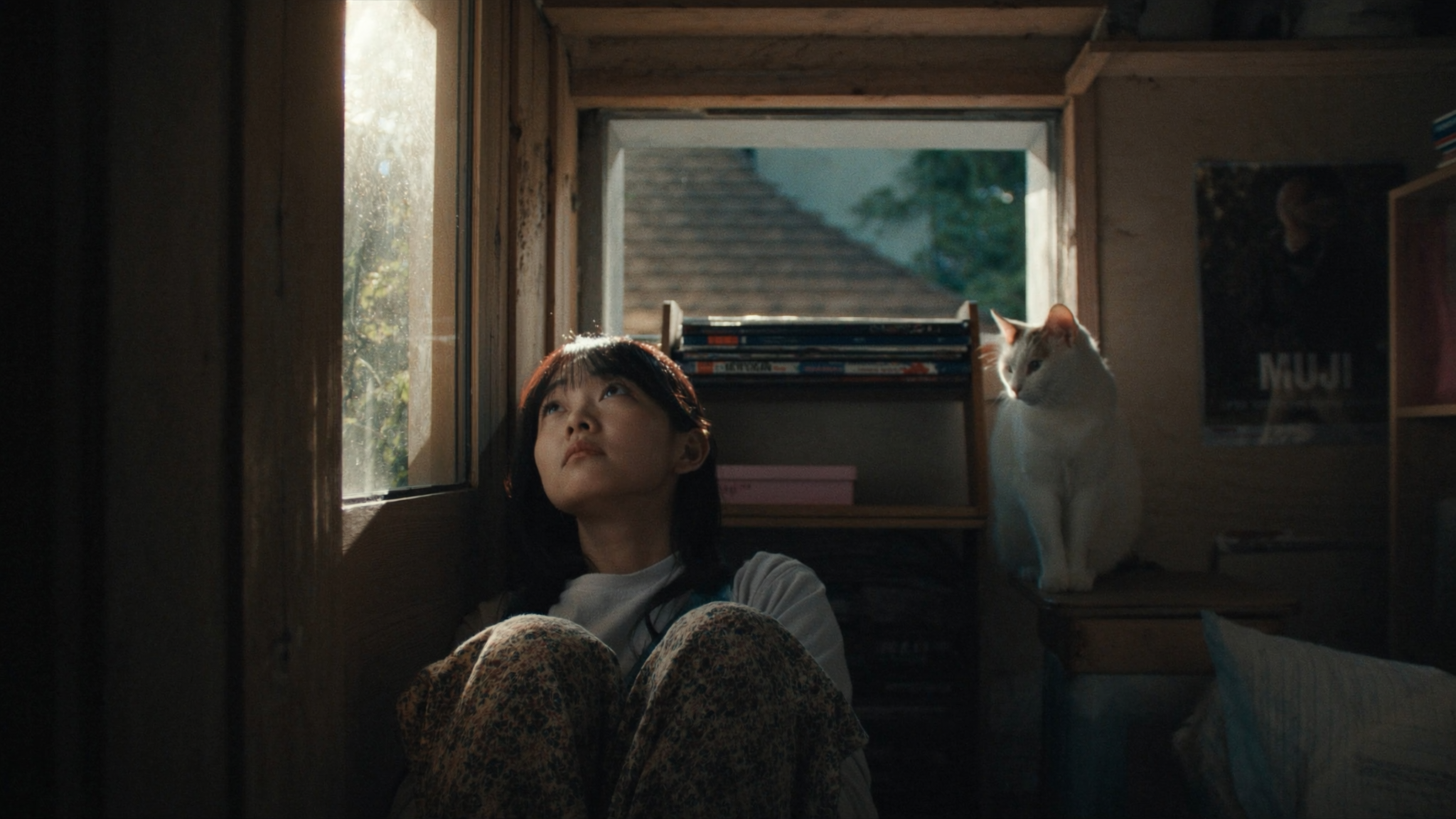
Every video starts as text. A script, a brief, a voiceover draft — and then comes the hard part: turning that text into images. Traditionally, the journey from script to screen ran through a long chain of human decisions. A director visualized the scenes, a cinematographer chose the lenses and angles, an editor decided the rhythm, and every step required meetings, revisions, and expensive iterations. AI director agents are changing that chain. They analyze the script, propose a visual plan, and translate direction into the technical parameters that generation models can execute. This guide explains how they work, what they do well, and how to fit them into a production workflow.
From script to screen: the old bottleneck
The gap between writing and shooting has always been the most expensive part of production. A script can be revised cheaply; a shot list is where creative choices start to cost money. Every decision about camera angle, lighting, and pacing commits resources, and reversing a bad decision means reshoots.
For AI video generation, the bottleneck was different but just as real. Generation models are powerful, but they respond to prompts, not to scripts. Someone had to translate a screenplay into hundreds of scene descriptions, each with the right framing, motion, and style language. That translation is labor-intensive, and it is exactly where an AI director agent earns its place.
What an AI director agent does
An AI director agent is not a video generator. It sits one level above the generators: it reads your script or brief, breaks it into scenes and shots, and produces the direction that generation models need. Think of it as an assistant that has absorbed film grammar — framing, camera movement, lighting conventions, continuity rules — and applies them consistently to your material.
Script analysis and scene breakdown
The first job is understanding the text. The agent parses the script into dramatic units: scenes, beats, and character actions. It identifies what each scene needs emotionally and visually, and it flags passages that are vague and need creative decisions. A line like "she walks into the room, nervous" becomes a scene with a defined subject, action, setting, and emotional tone — ready for visualization.
The value here is speed and coverage. A human director can do this breakdown, but it takes hours and tends to be uneven: strong on the scenes that excite you, thin on the connective tissue. An agent applies the same standard to every scene, which produces a more complete plan to react to.
Turning direction into technical parameters
The second job is the translation step. When the agent decides a scene needs a "fast-paced tracking shot," it does not just describe the shot — it converts the direction into the parameters that generation models understand: camera angle, shot size, movement type, lens feel, lighting direction, color mood, and duration.
This is the step that separates useful tools from toys. A human can write "make it cinematic," but a generation model needs concrete instructions. The agent's real skill is knowing which levers exist and setting them coherently, so the generated footage matches the intent instead of approximating it.
Keeping scenes and characters consistent
The third job is consistency. Multi-scene projects fail when characters drift: different face, different clothes, different lighting from shot to shot. Director agents handle this by propagating reference information across the plan. If you define the protagonist once, the agent carries that definition into every scene, and it aligns with the multi-image reference and keyframe tools that modern generation models support.
Building a shot list with AI
A practical shot list from an AI director agent contains the same elements a human shot list does: scene number, shot number, description, camera setup, and notes. The difference is that each entry is directly executable.
For a thirty-second ad, the agent might produce twelve shots. Shot one, an establishing wide of a sunlit kitchen, slow push-in. Shot two, a close-up of hands pouring coffee, shallow depth of field. Shot three, an over-the-shoulder of the protagonist noticing something out of frame, with a subtle whip pan to follow her gaze. And so on. Each entry is specific enough to feed into a generation model, and the whole list reads as a coherent visual story rather than a random collection of images.
Integrating AI direction into production workflow
AI director agents fit best at the front of a pipeline that still has humans in charge. The typical flow looks like this.
Write or finalize the script first. Then run the breakdown: the agent produces the scene-by-scene plan and the shot list. Review and edit the plan — this is the human checkpoint, and it is where taste matters most. Then generate references and keyframes for characters and environments. Then produce the shots with the generation models, iterating on the weakest elements. Finally, assemble, color, and sound in an editor.
The agent does not remove creative decisions; it removes the mechanical labor of translating intent into technical instructions. The director's job becomes choosing between good options the agent proposes, rather than inventing every parameter from scratch.
Choosing models for each shot
A good shot plan also knows which tool to use for each shot. Different generation models have different strengths: one excels at realistic environments, another at expressive characters, another at smooth camera movement. The agent can match shots to models based on what each shot demands, and flag shots that need special handling, such as close-ups of hands or fast action sequences.
This model-routing logic is valuable even for small projects. It forces a conscious choice about every shot and prevents the lazy habit of running everything through the same model, which is the fastest route to a monotonous look.
Practical example: a 30-second ad
Let's make it concrete. The brief: a thirty-second spot for a cold-brew coffee brand, warm morning light, urban rooftop setting, tone that is calm and slightly premium.
The breakdown produces four beats. Beat one, establish the rooftop and the city skyline, wide shot, slow push-in. Beat two, the protagonist pours cold brew from a glass bottle, close-up on hands and glass, shallow depth of field, condensation visible. Beat three, she takes the first sip, medium shot, natural smile, soft backlight. Beat four, product on the table, final title card space, static tripod feel.
Each beat becomes two or three shots, and each shot gets camera, lighting, and motion parameters plus a recommended generation model. The result is a plan that a small team can execute in a day of generation and editing, instead of a week of planning and a full shoot.
The tool landscape in practice
The ecosystem around script-to-screen direction is still young, but the pieces are identifiable. On the planning side, AI director agents and script-analysis tools take the text and produce the breakdown, the shot list, and the technical parameters. On the generation side, text-to-video models like Sora, Kling, Runway, Luma, and Pika execute the shots, each with different strengths in realism, motion, and control. On the consistency side, reference-image and keyframe tools anchor characters and environments across shots. On the finishing side, editors and sound tools assemble the result.
The practical pattern is to choose one tool per stage and learn it well, rather than chasing every new release. A director agent for planning, one primary generation model with good reference support, and one editor is a complete kit for most short-form work. Add a second generation model only when a specific shot type demands it.
When evaluating tools, run the same test script through each candidate: a short script, one recurring character, and a three-shot sequence. Compare not just the quality of individual shots, but whether the character survives across the sequence. That test reveals more about a tool than any demo reel.
Budget matters too, and it should be evaluated per usable shot. A planning tool that saves an hour per project and a generation model that succeeds on the second try are worth more than their sticker price; a cheap tool that fails repeatedly costs more than the difference. Write the per-shot cost into your plan the same way a line producer tracks a budget, and you will make tool decisions with data instead of hype.
Limitations and when to intervene
AI director agents have real limits, and knowing them prevents disappointment. They are weakest at subjective taste: an agent will rarely surprise you with a brilliant choice that breaks the rules, because it is built to follow them. They also struggle with scripts that depend on subtext, irony, or cultural shorthand — the kind of meaning that lives between the lines.
Intervene at three points. First, on the creative direction: rewrite or reject beats that miss the emotional target. Second, on brand constraints: enforce the visual identity that the agent cannot know. Third, on anything legally or ethically sensitive: the agent has no judgment about what should not be depicted.
FAQ
Do I need an AI director agent if I only make short clips?
No. For single clips, a good prompt is enough. The agent pays off when you have multiple scenes that need to feel coherent, or when you produce video regularly and want the planning to be fast and consistent.
Does the agent replace a human director?
No. It replaces the translation labor between script and shots. Human taste, judgment, and accountability are still required. The practical effect is that one person with an agent can do what used to take a small team.
Which generation models work with AI director agents?
Most modern text-to-video and image-to-video models accept the kind of structured direction an agent produces. Models with reference-image support work best, because the agent's consistency plan relies on anchoring characters and environments.
How long does a shot list take?
With a clear script, an agent produces a complete breakdown and shot list in minutes. A human then spends as much time as needed reviewing and refining it — that review is where the quality bar is set.
Can it handle long-form content?
It can produce the plan for long-form content, but execution is still bounded by generation model limits on clip length and long-range consistency. The practical sweet spot today is short-form: ads, social videos, product films, and explainers.
How do I write a script that an AI director agent handles well?
Write in clear, visual language. Name the subject, the action, and the setting explicitly, and avoid relying on implication. Instead of "she has a bad day," write "she drops her keys, sighs, and sits on the stairs in the evening light." The agent can only direct what the text makes visible.
What if the agent's shot list does not match my taste?
Treat the first pass as a draft, not a verdict. The value of the agent is coverage and speed; the value of your review is taste. Rewrite the beats that miss, and over time you will learn which instructions in the script produce the shots you want.
Is this workflow useful for teams, not just solo creators?
Yes, and it changes how teams collaborate. The shot list becomes a shared document: writers see their words visualized, directors adjust the plan, and editors receive a defined structure. The agent compresses the handoff time between roles, which is often where small teams lose the most hours.
How quickly can I expect good results?
Expect a learning curve of a few projects, not a few minutes. The first project will be slow because the shot list, references, and prompts are being built for the first time. By the third project, the templates exist and the speed compounds. The fastest learners treat each project as an investment in a reusable system rather than a one-off deliverable.
Conclusion
AI director agents are the bridge between the written word and the generated image. They do not replace creativity; they compress the distance between an idea and its first visual draft. The workflow that works is simple: write the script, let the agent break it down, review the plan with real taste, generate with purpose, and finish with care. Teams that adopt this rhythm consistently produce more video, with better coherence, in less time — and that is the whole game in 2025.
