
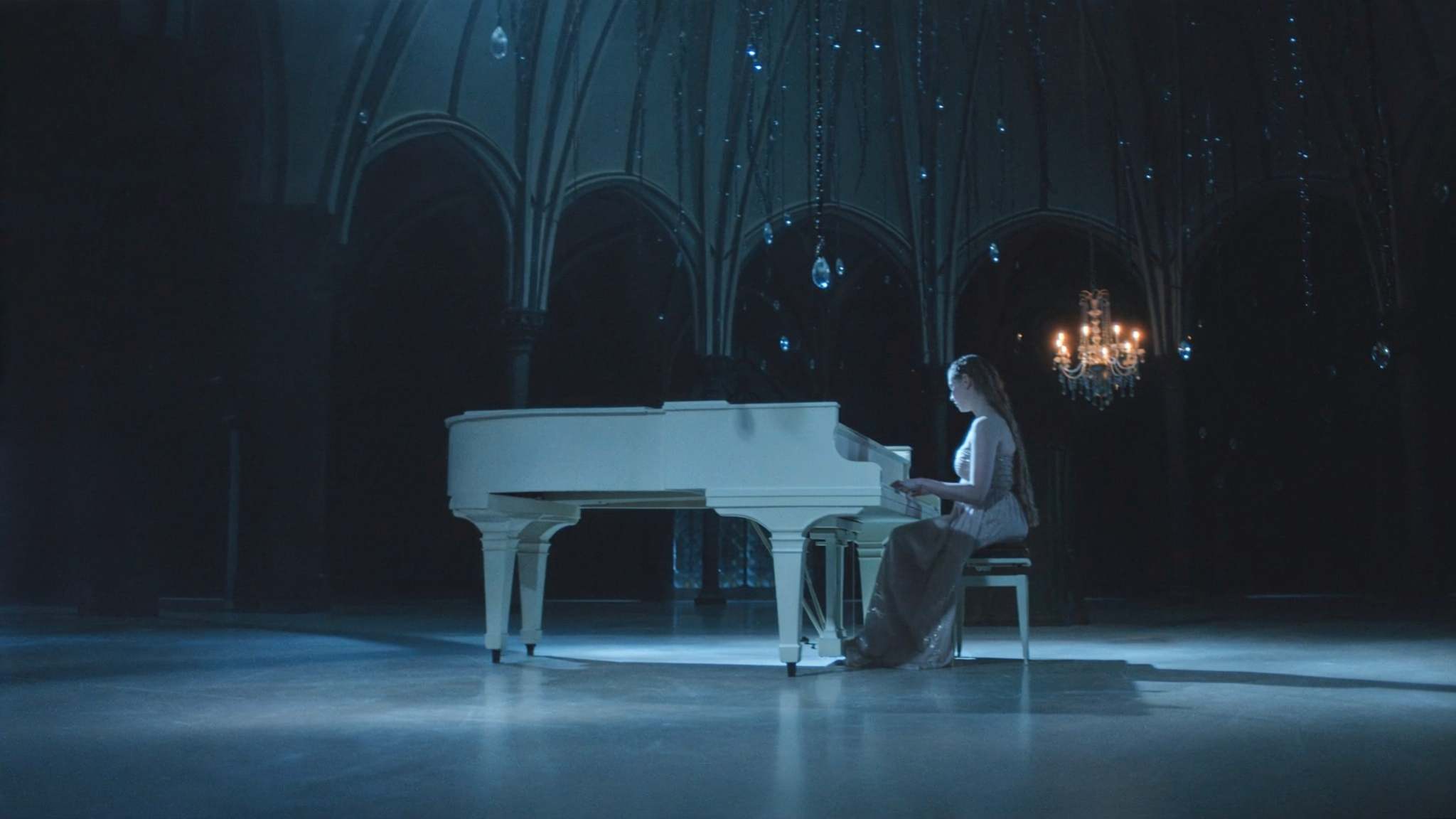

Making a short film used to require a crew, a budget, and weeks of production. That world still exists, but next to it a new one has grown up: a filmmaker who sits alone at a desk, writes a prompt, and watches a scene appear. AI image and video generators have collapsed the distance between an idea and a finished short film, and the gap is closing every quarter.
The goal of this guide is practical. I will walk through the decisions that actually matter when you move from a raw idea to a finished short film with AI tools: which model to pick, how to keep characters and scenes consistent, how to combine images, video, and sound, and how to build a workflow you can repeat without burning your budget or your patience.
Understand the landscape before you generate
The first mistake most beginners make is treating every AI video tool as the same thing. They are not. The field splits into image generation, video generation, image-to-video, video-to-video, and audio generation, and each category has tools that excel at different jobs. A model that produces stunning stills may produce mediocre motion, and a model built for fast social clips may struggle with narrative coherence.
The second mistake is ignoring the cost dimension. High-end models produce exceptional results, but they are expensive and sometimes slow. Free and low-cost tools are excellent for exploration, but they have real limits on length, resolution, and consistency. A smart workflow treats expensive generation as a final step, not as the first thing you reach for.
The third mistake is skipping pre-production. In traditional filmmaking, nobody walks onto a set without a script, a shot list, and a plan. AI filmmaking is no different. The difference is that the planning happens in text: prompts, references, and style guides replace call sheets and storyboards.
Choosing the right model for the job
Model selection is the cornerstone of any AI short film. The good news is that you rarely need one model for everything. Most productions mix tools: one model for hero stills, another for motion, a third for style transfer, and a fourth for voice and music.
Quality leaders for cinematic scenes
If your priority is photorealism and narrative coherence, the current generation of flagship video models is the reference point. These models understand complex prompts, handle long shots with consistent physics, and produce movement that feels natural. They are the closest thing to a full virtual camera crew. The trade-off is cost and wait time, so reserve them for shots that carry the emotional weight of the film.
Speed and cost leaders for iteration
For exploration, drafts, and social clips, lighter and cheaper models are a better fit. They generate quickly, which means you can test ten variations of a shot and keep the one that works. They also make it feasible to build rough cuts of an entire film before committing to expensive final renders. This is the single most effective cost-control habit in AI filmmaking: iterate cheap, render expensive.
Image models as the foundation
Do not overlook still image generation. Many of the best AI videos start as images. A strong image model gives you control over composition, lighting, color, and character design, and the resulting stills become the visual anchors for motion. When a video model supports image references, your stills tell it exactly what to animate, which dramatically improves consistency.
Controlling quality and consistency across scenes
Consistency is the hardest technical problem in AI filmmaking. In a real film, the same actor, the same costume, and the same lighting appear in every shot. In AI generation, every new scene is a new chance for the character's face, wardrobe, or environment to drift. Without control, your short film becomes a collection of lookalike scenes rather than a story.
The most reliable solution is reference-driven generation. Build a small set of keyframes: the same character from different angles, under different lighting, in the same costume. Use those images as references when you generate new scenes. Models that support multiple reference images are especially useful here, because they can lock facial features, clothing, and environment in a single generation.
Style consistency works the same way. Define a palette, a lighting mood, and a visual treatment, then apply them to every prompt. If every scene looks like it belongs to the same film, small imperfections in individual frames are easy to forgive. If the style jumps between scenes, the film falls apart even when each frame is beautiful.
Combining images, video, and sound
A short film is rarely a single generated clip. It is an assembly of stills, motion shots, transitions, voice, and music, edited into a sequence that builds emotion and tells a story. Thinking in terms of a pipeline, rather than single generations, changes how you work.
Start with a storyboard built from stills. Generate key visual moments as images, arrange them in order, and check that the story reads clearly before you animate anything. This step costs almost nothing and catches structural problems early.
Next, animate the shots that need motion. Feed your stills into a video model as references, or write motion prompts that match the composition you already approved. Keep motion shots short and purposeful; a two-second perfect shot is worth more than a ten-second shaky one.
Finally, add the audio layer. Voice, ambient sound, and music do an enormous amount of emotional work in short films. A well-placed silence or a subtle musical shift can make an average shot feel cinematic. Generate or record the audio with the same care you give the visuals, and mix it so that dialogue stays clear.
Pre-production: planning before generating
The cheapest insurance for any AI film is a written plan. Before you open a single generator, answer these questions: What is the story in one sentence? Who is the main character, and what do they want? What is the emotional turning point? What is the final image the audience should remember?
From that foundation, build a shot list. Divide the film into scenes, and each scene into individual shots. For every shot, decide the visual style, the key elements, the camera angle, and the mood. Write the prompts in advance, along with the reference images you will use. This document is your guardrail; when generation goes sideways, it tells you what you were actually trying to make.
Budget planning belongs in pre-production too. Assign each shot a priority: which ones must use premium generation, and which ones can use cheap or free tools. Realistic filmmakers protect the budget for the shots that matter and accept that filler scenes can be simpler.
Building narrative and style consistency
Consistency is not only visual. It is also narrative. A short film works when the audience can follow the character, understand the stakes, and feel the progression. AI tools will happily generate beautiful footage that has nothing to do with your story; your job is to keep every generation tethered to the plan.
Character keyframes
Your main character deserves a dedicated reference set. Generate the character in a consistent style across several angles and expressions before you start the main production. Use those images in every scene that includes the character. If the tool supports multiple references, include the character sheet alongside environment references so both stay stable.
Style and color continuity
Decide on a visual signature and protect it. A consistent color grade, lens treatment, and level of detail make different scenes feel like one film. When you switch models between shots, re-apply the same style keywords and, if possible, the same reference images. Review every new generation against your style guide before you accept it.
Managing resources: queues, budgets, and iterations
AI production is resource management as much as creativity. Generation queues, model costs, and render times all shape what you can finish in a day. A few habits keep the process sane.
Run explorations in parallel with cheap tools, then funnel the winners into premium generation. Keep a simple log of what you generated, with which model, at what cost, and whether it worked. That log becomes your personal playbook; over time you will know exactly which model to reach for in any situation.
Batch your work. Generate all of the stills for a scene in one session, all of the motion in another, and all of the audio in a third. Batching reduces context-switching, makes model quotas easier to manage, and gives you natural checkpoints to review progress.
From concept to delivery: a repeatable workflow
Here is a workflow that works for a five-minute AI short film:
- Write a one-page concept: story, character, mood, and ending.
- Build a shot list and a style guide with palette and reference images.
- Generate a still-based storyboard and review it before animating.
- Produce character keyframes and environment references.
- Generate motion shots, starting with the most important scenes.
- Edit the rough cut, then replace weak shots with premium renders.
- Add voice, sound design, and music; mix for clarity.
- Export, watch on a real screen, and do one final pass on pacing.
The exact order will vary by project, but the principle is constant: cheap exploration first, expensive rendering last, and review gates at every stage.
Common mistakes and how to avoid them
Every AI filmmaker makes the same mistakes at least once. Knowing them in advance saves time and money.
- Generating final shots before the story is locked. Storyboard first; a beautiful scene that does not serve the story is wasted budget.
- Switching styles mid-film. Lock the style guide early and resist the urge to chase the latest model for every shot.
- Ignoring references. The fastest route to character drift is prompting from text alone; always anchor with images.
- Overlong single generations. Long generations are expensive and often break down; prefer several short, controlled shots.
- Neglecting audio. A film with great visuals and weak sound feels unfinished; give audio the same budget of attention.
- No review gates. Review every stage before moving forward; fixing a storyboard is cheap, fixing a finished edit is not.
Quick-start checklist
If you want to start today, here is a condensed checklist that covers the essential decisions:
- Write a one-sentence story and define the emotional turning point.
- Decide the visual style and palette before generating anything.
- Build a shot list with each shot's purpose and priority.
- Create character references and keep them fixed across all scenes.
- Generate a still-based storyboard and review it before animating.
- Animate the shots that matter most, and keep filler scenes simple.
- Add voice, music, and sound design with the same care as the visuals.
- Review the rough cut against the story, then replace the weak shots.
- Document the prompts, references, and settings for reuse in the next project.
FAQ
Do I need a powerful computer to make an AI short film? No. Most generation happens in the cloud, so a regular laptop and a stable connection are enough. Editing still images and cutting video locally is light work for any modern machine.
Can I make money with AI short films? Yes, in several ways: client work, content platforms, and selling courses or presets. The key is treating the film as a product with an audience, not just a demonstration of the tool.
How do I keep the same character across different models? Build a character reference sheet and pass it to every model that supports image references. When a model does not support references, use very detailed and consistent text descriptions plus style keywords.
How long does a five-minute AI short film take? With a clear plan and a decent workflow, a solo creator can go from concept to finished film in a few focused days. The first one will take longer; the process speeds up quickly with experience.
Is AI filmmaking going to replace traditional crews? Not soon, but it is already replacing certain kinds of production and expanding who can make films. The best results come from people who understand storytelling and use AI as a powerful new camera.
The distance from idea to short film is shrinking faster than most people realize. The tools are not magic, but they are remarkably capable when you give them a clear plan, consistent references, and a sensible budget strategy. Start with a one-minute concept, build the storyboard, protect your character's identity, and iterate cheap before you render expensive. That discipline turns a promising idea into a finished film.
