
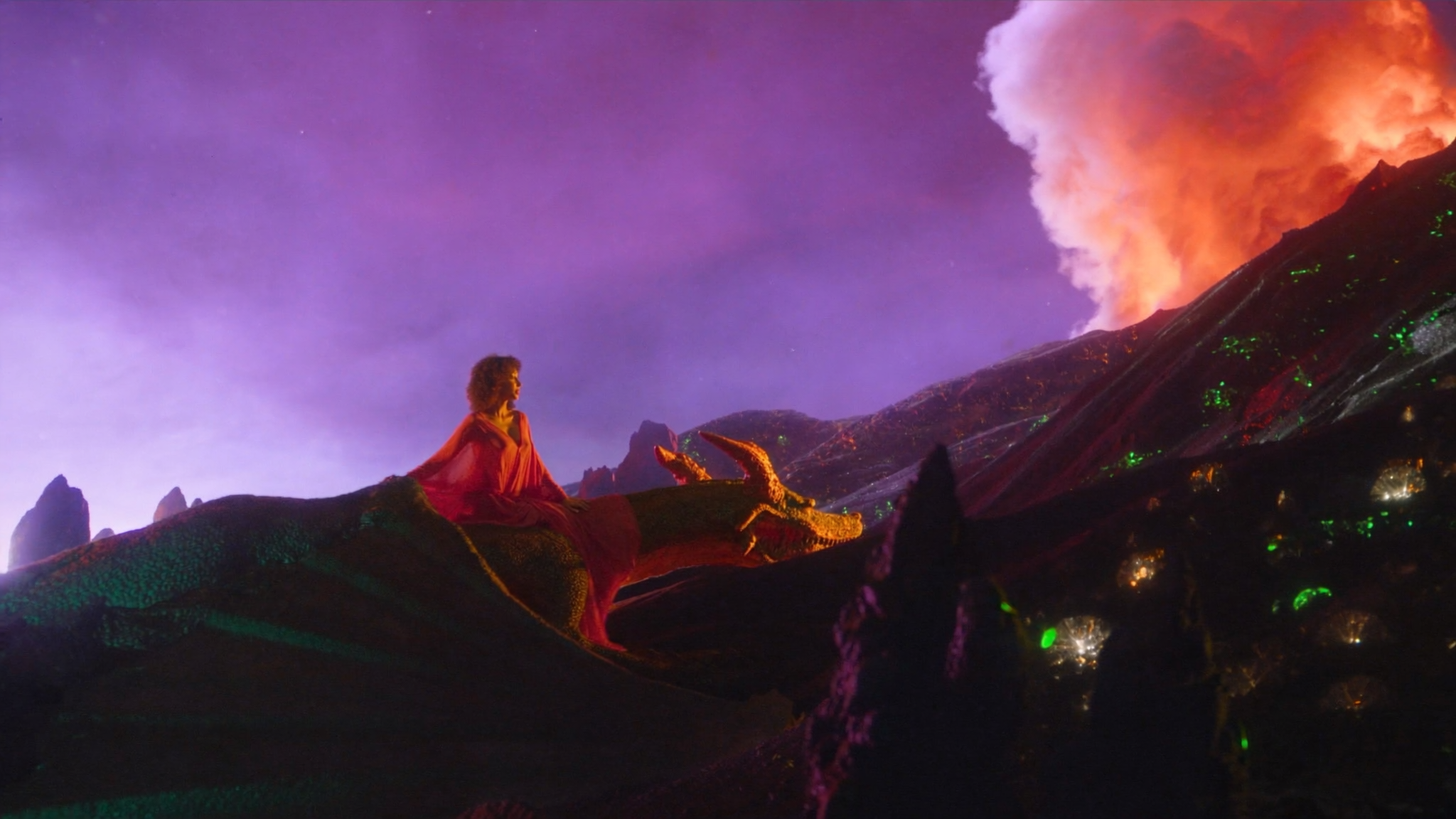
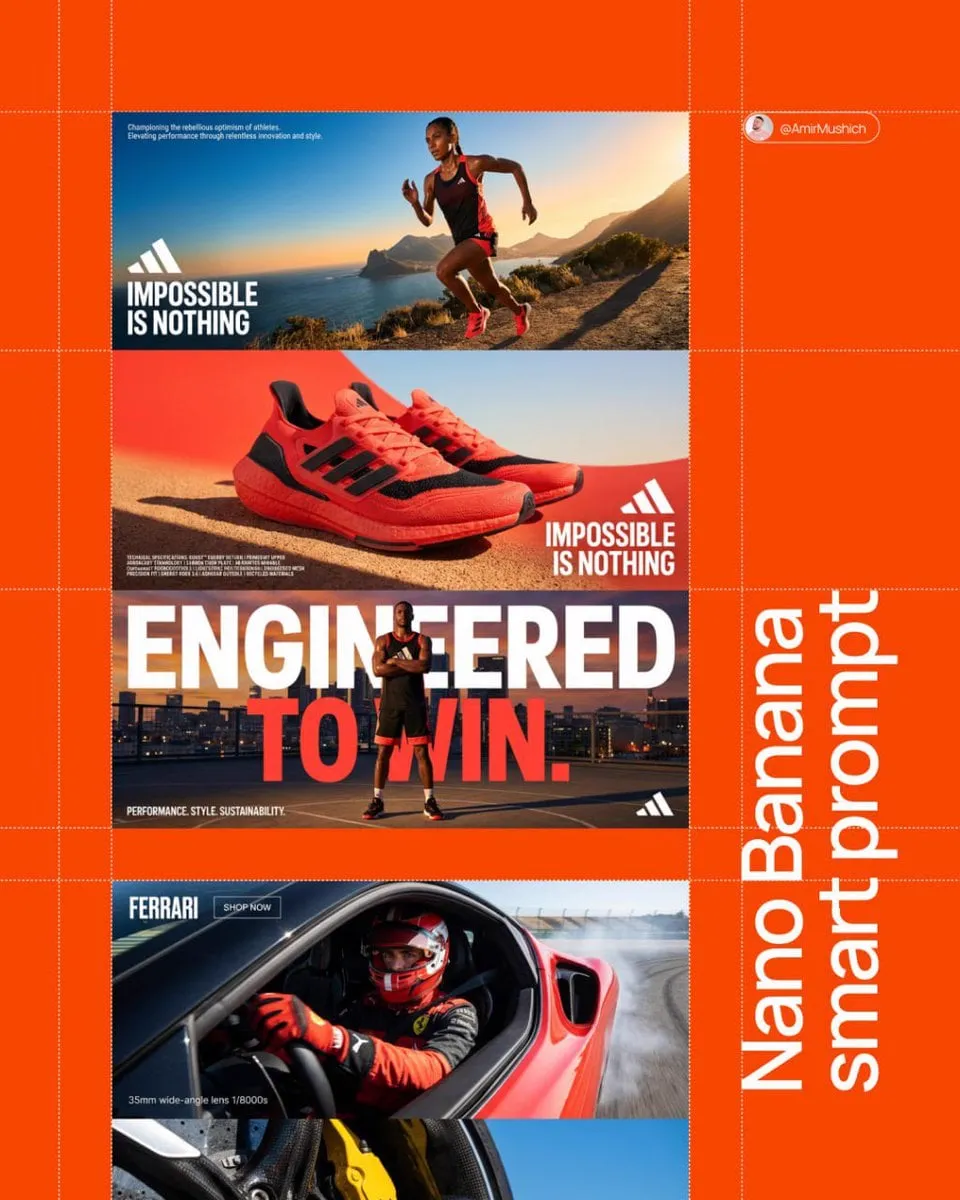
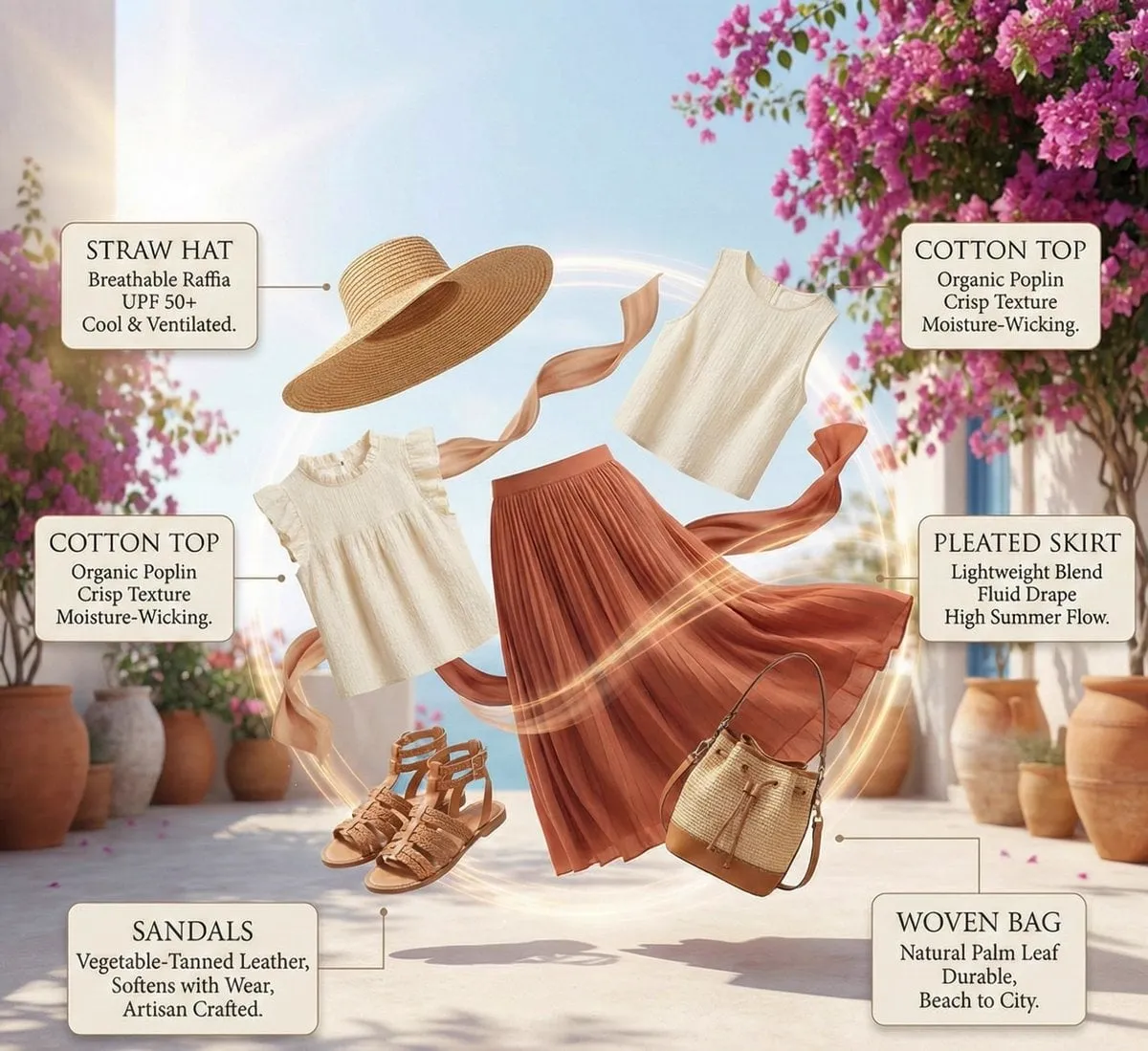
The barrier to making a film has never been lower. What once required a studio, a crew, expensive cameras, and weeks of shooting can now be produced by one person with a laptop and a strong idea. Generative AI has not replaced filmmaking — it has made the earlier stages dramatically cheaper and faster, which means the scarce resource is no longer budget but taste, story, and judgment. This guide walks through the complete process of producing an AI-assisted short film: choosing the right models, turning a script into shots, keeping visual consistency, assembling the edit, and taking the finished work to an audience.
The New Economics of Short Film Production
Short films have always been a proving ground — for directors, for styles, for stories. The problem was cost. Sets, locations, actors, lighting, and post-production consumed budgets that most emerging filmmakers simply did not have. Generative AI changes the equation in three ways.
- Accessibility: one person can now produce a visually rich film from text prompts and reference images, with no physical set and no crew.
- Speed: the pipeline from script to rough cut shrinks from months to days, which means more iterations and more experiments.
- Consistency: modern video models, especially when combined with image references and multi-image fusion techniques, can maintain characters and styles across shots far more reliably than early tools.
This does not mean AI films are easy. The difficulty has shifted from logistics to vision. You no longer fight to get the shot; you fight to know which shot you want. That is a creative problem, and it is the part that separates memorable films from forgettable demos.
Choosing the Right Model for Each Shot
There is no single "best" video model. Professional production means treating the model as one tool among many, selected per shot based on what the scene needs.
Premium models for hero shots
For the shots that define the film — the opening image, the emotional climax, the money shot — use the highest-quality model you can afford. These models offer superior fidelity, better motion control, and more convincing physics. The trade-off is cost and render time, so reserve them for the moments that matter most.
Efficiency-first models for coverage
Not every shot needs premium quality. Transitional shots, backgrounds, b-roll, and wide establishing images can be generated with faster, cheaper models without hurting the film. This is standard professional practice: spend your premium budget where the audience's eye rests, save everywhere else.
Temporal control models for precise storytelling
Some shots need a specific beginning and end: a character walking through a door, a camera pushing in on a face, an object transforming. Models with first-and-last-frame control let you specify both endpoints, which gives you far more power than a simple text prompt. Use them for any shot where composition matters.
The practical workflow is a shot list with a model assigned to each line. Write the shot list first, then decide which model fits each shot's requirements — fidelity, motion, length, budget. This replaces "what tool do I use?" with "what does this shot need?"
From Script to Shot List
The script remains the foundation. Generative tools do not remove the need for story structure, character, and conflict; they just change how you execute them.
Write a lean script
For a short film, aim for a story that can be told in two to five minutes. One central character, one clear want, one obstacle, one change. Every line of script should either advance the story or reveal character. If a scene does neither, cut it.
Convert scenes into shots
Break each scene into a list of shots, exactly as a director would: wide establishing shot, medium two-shot, close-up on the reaction, insert of the object. For each shot, write a prompt that describes the composition, the action, the lighting, and the camera movement. This shot list is your production bible.
Build a consistent visual language
Decide the film's look before generating: palette, lighting style, lens feel, grading. Keep these parameters consistent across all prompts. This is what makes a series of AI-generated clips feel like one film rather than a collage of demos.
Directing for Consistency
The hardest technical problem in AI filmmaking is consistency. Characters change between shots, props mutate, lighting shifts. The fix is a disciplined reference system.
Create character reference packs
For every main character, generate a set of reference images: face front, profile, three-quarter, full body, key costume details. Use these images as anchors when generating each shot. Multi-image fusion and reference-image features in modern tools let you pass these anchors into generation, which dramatically reduces drift.
Lock the world
Do the same for locations and key props. A consistent environment is what makes a film feel real. If the hero's apartment changes color between shots, the audience will feel it even if they cannot name it.
Check continuity between shots
Before assembling the edit, compare adjacent shots for continuity: same character, same costume, same lighting direction, same lens feel. Fix problems at the generation stage — regenerating a shot costs minutes; fixing it in post costs hours.
Assembling the Edit
Editing AI-generated footage follows the same rules as editing any footage, with one extra consideration: you will likely generate more material than you need, so you can afford to be ruthless.
Select for story, not for quality
When reviewing generated takes, first ask "does this shot serve the story at this moment?" then ask "is the quality acceptable?" A perfectly rendered shot that does not serve the story is waste; a slightly imperfect shot that carries the emotion may be essential.
Build rhythm with music and sound
Sound is where AI films often fall short. Invest time in the sound design: score, ambient sound, foley, dialogue. A film with strong images and weak sound feels hollow; the same film with a real soundscape feels complete. Many editors now use AI music tools to generate a custom score quickly, then layer sound effects to taste.
Keep transitions invisible
Let the story dictate the transitions. Hard cuts for dialogue and action, dissolves for time passages, match cuts for thematic echoes. Resist the temptation to show off effects; the audience should be inside the story, not admiring the edit.
Taking the Film to an Audience
Distribution is part of filmmaking. An AI-assisted short film can go to the same places as any short: film festivals, YouTube, Vimeo, social platforms, or a niche community. Choose the venue that matches your goal.
Match the platform to the film
A two-minute narrative short fits YouTube and Vimeo well. A punchy 60-second version can be cut for TikTok, Reels, or Shorts as a trailer. Think of the film as the full product and the short clips as its distribution layer.
Be transparent about the process
Audiences and festivals increasingly expect disclosure about AI use. Be honest about your workflow: what was generated, what was directed, what was human. Transparency builds trust, and trust converts viewers into followers.
Build around the film
One film is a calling card. Pair it with a behind-the-scenes breakdown, a prompt-to-shot comparison, or a "how it was made" video. This content often outperforms the film itself in reach, because it teaches and entertains at once.
Monetization and community
AI-assisted filmmaking can generate income through several channels: festival prizes and grants, client work (brands need AI-savvy directors), teaching (courses and tutorials), and community platforms where audiences support creators. The most durable model is a combination: use short films as proof of skill, convert that proof into client work or teaching, and reinvest in the next film.
Community matters more than the algorithm. Share your process, answer questions, collaborate with other AI filmmakers, and publish consistently. The field is young, and the people who build reputation now will define the space later.
Prompt Craft for Filmmakers
Writing prompts for a film is different from writing prompts for single images. You are not asking for a picture; you are asking for a shot that serves a story. The discipline of prompt craft is the difference between a demo reel and a film.
- Write the shot, not the concept. Instead of "a sad character in a city," write the framing: "close-up, rain on a window, character looking down, cold blue light, shallow depth of field, slow push-in." The more specific the shot, the more control you have.
- State the camera and the lens feel. Wides, close-ups, handheld, dolly, tracking, aerial — the camera language is part of the storytelling. Put it in the prompt.
- Control light and color like a cinematographer. Specify the time of day, the light source, the palette, and the mood. Consistent lighting parameters across shots are what make a sequence feel graded.
- Repeat your anchors. Character names, key descriptors, and style keywords should appear in every prompt. Repetition is what keeps the generation aligned with your references.
- Keep a prompt log. Every shot gets a numbered prompt, its parameters, and the take you selected. This log is invaluable for continuity, for fixing problems, and for reusing successful setups.
Prompt craft is learnable, but it improves fastest through review: after every generation, compare the result to the shot list and write down what you changed. Over a few projects, your prompts will read like a director's shot list — because that is exactly what they are.
A Sample Production Scenario
To see how the pieces fit, walk through a typical two-minute AI short: "The Last Light" — a story about a lighthouse keeper who keeps the lamp burning in a town that no longer believes in lighthouses.
The director starts with a three-page script, then breaks it into twelve shots: the keeper winding the clock, the storm outside, the empty town, the lamp, the keeper's hands, a child watching from a window, the final beam over the sea. Each shot gets a line in the shot list with its model assignment: the storm and the beam are hero shots using the highest-quality model; the hands and the clock are efficiency shots; the final shot, where the beam reveals the child, uses a first-and-last-frame model because the composition must be precise.
Before generating, the director builds the reference pack: the keeper's face, his coat, the lamp room, the storm palette (deep blue-gray, amber highlights). Every prompt repeats the anchors: "the keeper, gray coat, amber lamp light, cold palette, cinematic wide."
Generation takes two afternoons, including three regenerated shots where the coat color drifted. The edit assembles the story with hard cuts and two dissolves: one for the time passage from day to night, one for the emotional reveal. A custom score is generated to match the storm's rhythm, and foley layers — wind, clock ticks, lamp hiss — complete the sound.
The finished film runs two minutes and twelve seconds. The director cuts a 45-second vertical version for social media, writes a behind-the-scenes breakdown showing the shot list next to the final frames, and submits the full film to two festivals that accept AI-assisted work. The total budget is the software subscriptions; the total time is under a week.
This scenario is not fantasy — it is the standard shape of an AI short film production. The tools change, but the process holds: script, shot list, references, generation, edit, sound, distribution.
FAQ
Is AI filmmaking legal for commercial use?
Yes, with conditions. Check each tool's terms of service and your local copyright rules. Some tools grant broad commercial rights; others restrict certain uses. When in doubt, document your workflow and keep your prompts and reference images on file.
Do I need to know how to edit video?
Basic editing skills are essential. The generative tools produce clips; you must assemble them into a film with pacing, sound, and structure. Editing is the craft that turns clips into a story.
How long does an AI short film take to make?
A focused two-minute film can go from script to final cut in a few days of concentrated work, once you have your workflow down. First projects take longer; the process compresses quickly with experience and reusable references.
Can AI-generated films win festivals?
Some festivals accept and even celebrate AI-assisted work, while others restrict or ban it. Research submission rules before entering. Independent online audiences are generally more open than traditional gatekeepers.
What makes an AI film stand out?
Story and consistency. Anyone can generate impressive clips; few can sustain a character, a world, and an emotion across a whole film. Spend your effort on the script, the references, and the edit — that is where the film is won.
Conclusion
AI has opened the door to filmmaking for creators who never had access to a studio, and it has done so without lowering the bar for what a film can be. The craft now lives in the choices: the story you tell, the shots you select, the consistency you protect, the sound you design, and the audience you serve. Choose models per shot like a director would choose lenses, build reference packs for every character and location, edit with the same discipline as any filmmaker, and share the result with honesty. The tools will keep improving; the judgment you develop now is the asset that will not expire.
