
The short-form video economy moves at a speed that traditional production cannot match. By the time a polished edit is ready, the trend it was chasing is gone. This is why AI has become the default production partner for short-form creators: it collapses the time between idea and publish from days to hours. But speed alone does not make content work. A fast workflow that produces forgettable videos is just a faster way to be invisible.
The creators who win consistently are the ones who treat short-form production as a system. They have a repeatable pipeline for ideation, generation, editing, and publishing, and they use AI to make every stage faster without losing the qualities that make videos spread: a strong hook, emotional payoff, and visual quality that survives the feed. This guide shows you how to build that system.
The Short-Form Video Economy: Speed Is the Product
Short-form platforms reward velocity. Algorithms favor accounts that publish frequently, consistently, and with content that holds attention. The practical implication is brutal: you need more videos than you can reasonably produce with a traditional workflow.
AI changes the math. Instead of shooting, editing, and color-grading every video, you can generate footage, assemble hooks, and iterate on concepts in a fraction of the time. A solo creator with AI tools can match the output volume of a small team. The constraint stops being production capacity and becomes idea quality, which is exactly where a human should spend their energy.
The catch is that the feed is also more competitive than ever. Viewers see thousands of videos a day and abandon most within the first two seconds. Speed gets you volume, but only quality gets you retention. The system you build has to deliver both.
Why Quality Consistency Wins in a Feed
Viewers develop expectations about an account. When they see a video from a creator they follow, they already know roughly what it will look like, sound like, and feel like. That consistency is trust, and trust converts to follows, shares, and watch time.
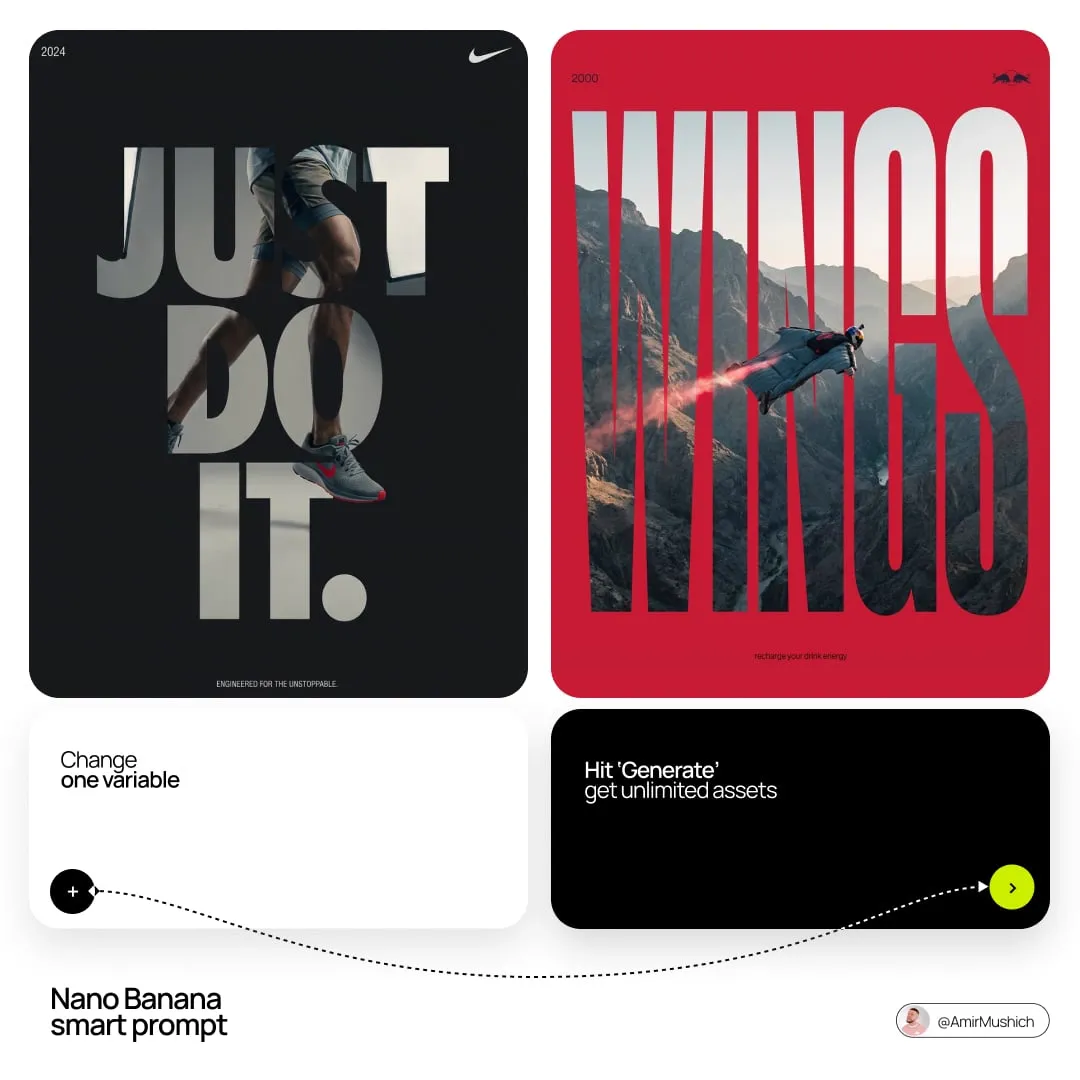
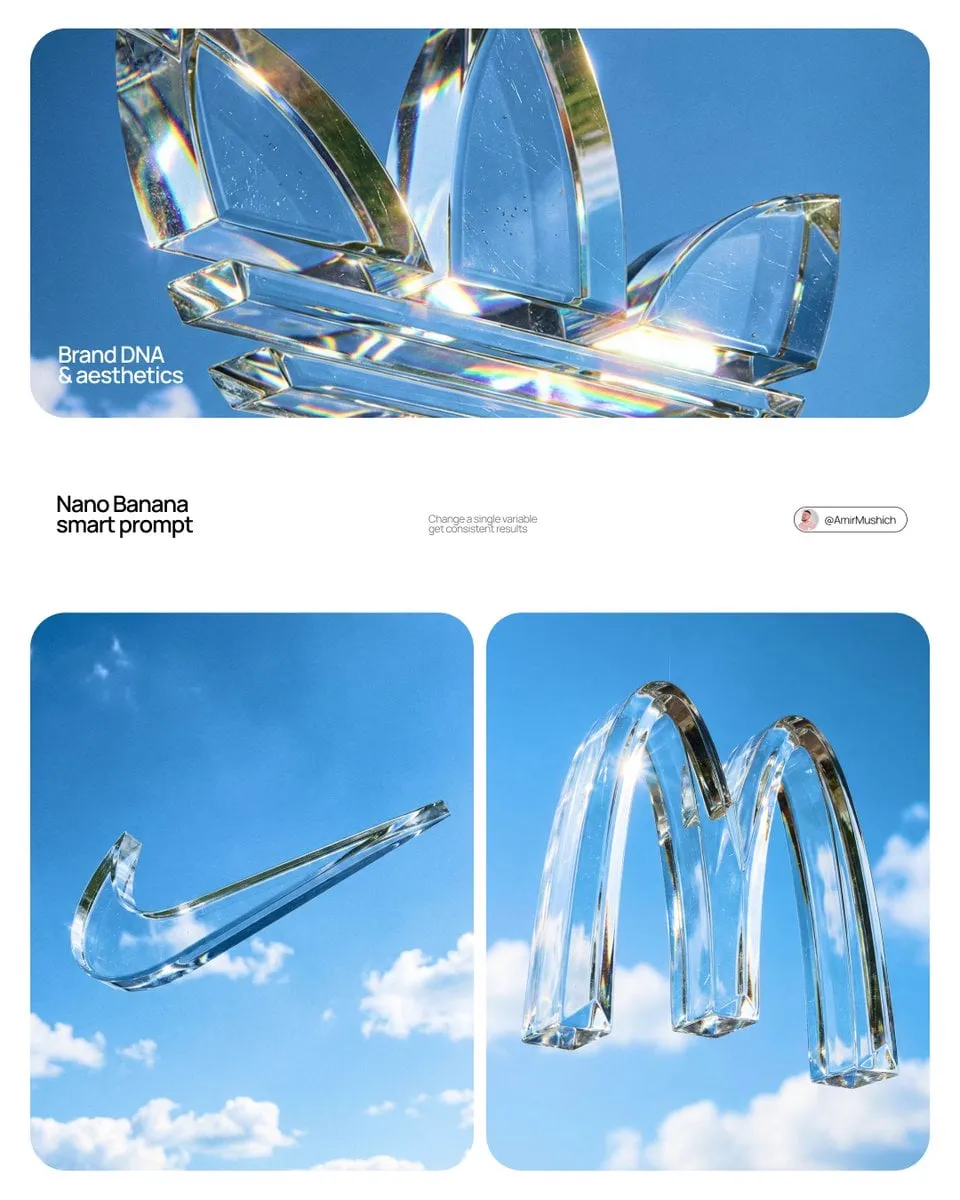
AI production makes consistency easier because you control the visual variables. A defined style reference, a recurring character, and a uniform color grade turn every new video into a variation on a known theme. The audience recognizes the account before they read the handle.
Consistency also matters within a single video. A video that switches character faces or color grades halfway through feels broken, even to viewers who cannot name why. The most common AI-short failure is exactly this: each clip is good, but the clips do not belong together. Your system needs consistency controls at every stage.
Building a Repeatable Production System
A production system is a fixed pipeline with room for creative variation. Define it once, then run it for every video. Here is a skeleton that works for most short-form formats:
- Idea capture: keep a running list of hooks, trends, and concepts. Feed it daily so you never start a session from zero.
- Script and storyboard: write a 15-to-60-second structure with a hook, a build, and a payoff.
- Visual system: select the style reference, character references, and color grade for the video.
- Generation: produce clips with the models that fit the video's genre.
- Assembly: edit to a rhythm, add captions, sound, and effects.
- Review and publish: check the first three seconds, verify consistency, then ship.
The point of a fixed skeleton is that you only make creative decisions where they matter. Everything else becomes a checklist, which means you can produce at volume without burning out.
Choosing Models for Different Short-Form Genres
Different short-form genres have different visual requirements. Matching the model to the genre is a small decision with a large impact.
- Storytime and talking-head content: consistency of the presenter matters most. Use image-to-video with a strong character reference and an engine with good lip-sync support.
- Cinematic skits and mini-films: prioritize a cinematic model with camera control. Hero shots justify the premium engine; coverage can come from a cheaper one.
- Animated and stylized clips: use a model with a defined style identity, or feed strong style references into a flexible engine.
- Product and transformation videos: physics-aware models handle before-and-after reveals and product motion convincingly.
- Trend remixes and meme formats: speed beats fidelity. Use a fast all-rounder and spend the saved time on a sharper hook.
Keep a shortlist of two or three engines per genre instead of chasing every new release. Mastery of a small toolkit beats constant tool switching.
The Hook-to-Payoff Framework for AI Shorts
Most short-form videos fail in the first two seconds. The hook is not just the first line; it is the entire opening package: the first frame, the first caption, and the first moment of motion. AI can help you generate hooks faster, but the structure is a craft.
A reliable framework:
- Hook: promise a specific outcome or raise a question the viewer cannot ignore. "Watch how this completely changes the shot" beats "here is an AI video tutorial."
- Build: deliver the promise in escalating steps. Each new clip should add information or tension.
- Payoff: resolve the promise in the final seconds, ideally with a visual that rewards watching to the end.
- Loop: end in a way that encourages a rewatch, a comment, or a follow, such as a subtle visual detail or an open question.
When you generate clips for this framework, generate multiple takes of the hook shot and the payoff shot. They carry the video; everything else is connective tissue.
Character and Style Systems for Series Content
The accounts that grow fastest on short-form platforms are often the ones that feel like series: recurring characters, returning formats, and a visual language that builds episode to episode.
To run a series with AI, create a character and style system:
- Character sheet: front, three-quarter, and full-body references in the character's signature outfit.
- Style sheet: the color palette, lighting approach, and any recurring visual motifs.
- Format template: the shot structure and transition pattern that makes every episode recognizably part of the series.
Reuse these assets across episodes. The audience will start recognizing the series by its look before they even read the title. This is the same brand-system logic big studios use, and AI makes it available to a solo creator.
From Idea to Publish: A Time-Boxed Workflow
Production systems only help if they run on a schedule. Time-box every stage so one step cannot eat the whole day.
A realistic target for a single short:
- 15 minutes: pick the idea and write the hook-to-payoff structure.
- 15 minutes: assemble references and write prompts.
- 30 minutes: generate clips, with retries included.
- 30 minutes: edit, caption, and grade.
- 10 minutes: review the first three seconds and publish.
Under two hours per video, end to end. As you internalize the system, the numbers shrink. The goal is not to rush quality; it is to make sure the system, not the mood, decides how long a video takes.
Reading Performance Data and Iterating
Publishing is not the end of the process; it is the beginning of the feedback loop. Short-form platforms give you detailed performance data: retention curves, completion rates, and engagement breakdowns. Use it to improve the system, not just the next video.
Three signals worth watching:
- Early retention: if viewers leave in the first seconds, the hook failed. Rewrite the opening and test a new first frame.
- Mid-video drops: the build lost momentum. Tighten the middle clips or shorten the video.
- Completion rate: if viewers finish but do not engage, the payoff did not reward them. Strengthen the final visual or the call to action.
Keep a simple log of what changed in each iteration. Over twenty videos, the log becomes a playbook of what works for your audience, which is worth more than any trend report.
Tools and Shortcuts That Save the Most Time
The right auxiliary tools make the production system dramatically faster. You do not need a heavy stack; you need the few pieces that remove friction at each stage.
- Caption generation: auto-captioning with word-level timing saves the most tedious minutes of every edit. Pick a tool that outputs styled captions directly, since captions are now part of the visual design of short-form video.
- Reference management: a simple folder system with consistent names, or a lightweight digital asset manager, stops the "which image did I use?" problem before it starts.
- Sound libraries: a local collection of whooshes, risers, and impact hits, pre-organized by mood, means you never hunt for the right transition sound mid-edit.
- Batch download and naming: rename generated clips by shot number as you save them. "v15-hook-take2.mp4" is usable; "clip(27)" is a mystery.
- Template projects: keep an editor template with your standard caption style, color grade, and export settings. Every new video starts from the finished state of the last one.
- A batching mindset: group all generation for a day's videos into one session, then do all editing in another. Context switching is the real time thief in solo production.
None of these are glamorous, but they compound. Two videos per week, forty minutes saved each, is nearly an hour of creative time reclaimed every week.
FAQ
How many videos should I publish per week?
Consistency beats volume. Publish a number you can sustain for months without burning out; three to five per week is a strong baseline for a solo creator using a production system.
Do I need premium AI tools to make trending shorts?
No. A fast mid-tier workflow executed consistently beats a premium workflow used sporadically. Upgrade tools only when the system is running and volume is the constraint.
How do I find trends fast enough to use them?
Build a daily discovery habit: scan platform trends, save promising hooks to your idea list, and let your production system handle the rest. The system is what lets you act on trends before they fade.
What is the most common mistake with AI shorts?
Inconsistency. Clips that do not share references, style, or grade make the video feel broken. Fix the visual system before you worry about any other optimization.
Can AI really make my content feel original?
AI generates the footage; you own the structure, the voice, and the taste. The hook, the payoff, and the recurring series identity are yours. Originality lives in the system you build, not in the model.
How do I avoid my videos looking like everyone else's AI output?
Attack the default. Most AI shorts share the same generic look because creators accept the first render. Establish a distinctive style reference, commit to an unusual color grade, or build a recurring character with a strong design. The system should encode a look that is yours before you ever generate a clip, so that even a stock prompt comes out in your visual language.
What should I do on a day when I have no good ideas?
Run the system on weak ideas anyway, at low cost. Generate a cheap test clip for three hooks from your idea list, assemble a thirty-second draft, and publish the best one. Two things happen: the production muscle stays warm, and the act of shipping frequently surfaces better ideas than waiting for inspiration. Treat zero-idea days as volume-training days, not days off. The account that publishes consistently on uninspired days is the account that is ready when a real trend arrives.
Trending short-form content is not a lottery; it is a production discipline. The creators who win build systems that combine speed with consistency, then iterate using data. AI is the accelerator that makes a solo creator's system competitive with a team's output. Build your pipeline, lock your references, time-box your stages, and treat every publish as data. That is the repeatable path from random hits to a dependable content engine.
