
The short-form video boom is not slowing down. Feeds on Instagram, TikTok, YouTube, and even LinkedIn are saturated with clips, and the creators who win are the ones who can publish faster without sacrificing quality. That is exactly where AI video tools changed the game. Instead of writing, storyboarding, shooting, and editing by hand, you can now describe a scene in text, feed in a reference image, and get a usable clip in minutes.
This guide walks through the practical side of creating short AI videos from text and images: how the technology works, what tools to reach for, how to build a repeatable workflow, and how to avoid the mistakes that make AI footage look amateur.
Why short video is the format that matters now
Attention spans on social platforms have collapsed, and vertical video has become the default way most people consume content. Platforms now favor clips that hold viewers through the first two seconds and keep them watching to the end. For brands and creators, that creates a simple equation: the faster you can turn an idea into a finished clip, the more experiments you can run, and the more likely you are to find something that resonates.
AI video tools matter because they compress the production cycle. A concept that once required a script, a shoot, an edit, and a color pass can now move from a text prompt to a rendered clip in a single sitting. The quality bar is rising quickly too. The latest generation of models produces footage with realistic motion, coherent lighting, and consistent characters, which means the output no longer looks like a tech demo. It looks like content.
The market has noticed. Businesses now treat AI-assisted video as a standard part of their content operation, not an experiment. The practical question is no longer whether AI video is usable, but how to use it well.
How text-to-video actually works
Text-to-video models take a natural language description and generate a sequence of frames that matches it. Under the hood, the model interprets your prompt in stages: it identifies the subject, the setting, the action, the camera behavior, and the mood, then synthesizes frames that stay visually coherent with each other.
The quality of the result depends heavily on how you write the prompt. A vague prompt like "a beach at sunset" produces a generic clip. A structured prompt like "a slow tracking shot across a quiet beach at golden hour, gentle waves, warm orange light, a lone figure walking toward the camera" gives the model enough constraints to produce something specific and usable.
Different models have different strengths. Some excel at photorealism and complex lighting, others at stylized animation or fast generation. Most platforms now offer a library of models so you can pick the right engine for each job, which is more practical than trying to force one model to do everything.
Image-to-video: turning stills into motion
Text is powerful, but sometimes you already have the visual you want: a product photo, an illustration, a frame from a previous video. Image-to-video takes a still image and animates it, adding motion to the subject, the camera, or both.
This is one of the most practical AI video techniques for creators. A single strong image can become a five-second establishing shot. A character design can be brought to life. A static product shot can turn into a dynamic reveal. The workflow is simple: upload the image, describe the motion you want, and let the model handle the in-between frames.
The real power comes from combining text and image. Use an image to lock in the subject and the style, then use text to control the motion and the story. This hybrid approach gives you far more control than either input alone, and it is the foundation of most professional AI video workflows.
Choosing the right tool for the job
There is no single best AI video tool, only tools that fit different jobs. Here is how to think about the choice.
For photorealism and cinematic quality, models like Runway and Luma are strong options. They handle complex scenes, camera movement, and lighting well, which makes them suitable for narrative content and brand work. For fast iteration and stylized output, tools like Pika and PixVerse are known for quick turnarounds and playful aesthetics. Kling has built a reputation for strong motion coherence and excellent prompt adherence, particularly for character-driven scenes.
If your workflow is prompt-first and you want a wide range of styles under one roof, an all-in-one platform with a model library is more convenient than juggling five separate tools. If your workflow is image-first, prioritize tools with strong image-to-video support and reference image handling.
Practical advice: test two or three tools on the same prompt before committing to one. The differences are often bigger than the marketing suggests, and your style, subject matter, and volume needs will determine what actually works.
A repeatable workflow from idea to finished clip
Consistency beats inspiration. The creators who publish every day are not more talented, they have a workflow that removes friction. Here is a simple pipeline that scales.
First, keep a running list of ideas. Every hook, headline, or observation you collect goes into a single place. When it is time to produce, you pick from the list instead of staring at a blank screen.
Second, write a one-sentence concept for the clip: who, what, where, and why it matters. If you cannot write that sentence, the clip is not ready.
Third, turn the concept into a visual plan. Decide whether you will generate from text, from an image, or from a combination. If the clip is part of a series, prepare reference images in advance.
Fourth, generate in batches. Instead of generating one clip at a time, write several prompt variations, run them together, and pick the best. AI generation is cheap enough to experiment; your time is the expensive part.
Fifth, edit lightly. A short video usually needs a trim, a text overlay, captions, and a soundtrack. Resist the urge to over-edit. The best short-form content is tight, clear, and fast.
Finally, publish and log the results. Note what the clip was, which tool and prompt produced it, and how it performed. Over a few weeks, that log becomes your personal playbook.
Keeping characters and style consistent across scenes
The biggest technical problem in AI video is consistency. Generate a character in one scene and the next, and the face, outfit, and proportions drift. For a single one-off clip, that is tolerable. For a series, a brand campaign, or a story told over multiple videos, it is fatal.
The solution is reference-based generation. Most serious tools now support uploading multiple reference images, and the technique goes by names like multi-image fusion or keyframe control. The idea is simple: you give the model several images that define the character's face, clothing, and overall look, and the model treats those images as constraints for every frame it generates.
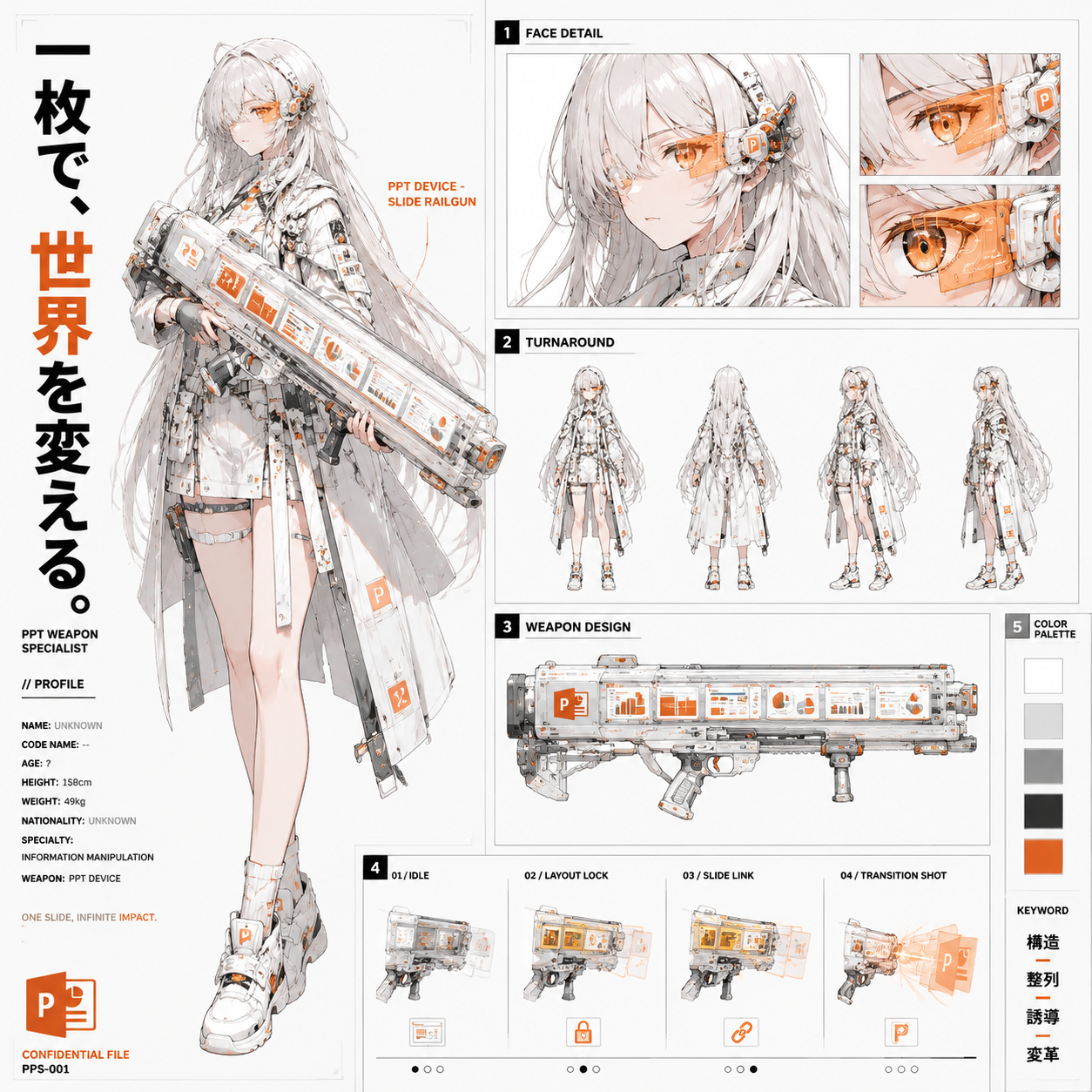
To make this work, build a character sheet. Capture the character from several angles, in consistent lighting, wearing the same outfit. Keep the sheet handy and use the same reference images every time you generate that character. Also lock the visual style of the scene, the color palette, and the lighting, so different shots feel like they belong to the same video.
Consistency also comes from your prompts. Reuse the same descriptive phrases for the character across all prompts. If the character has a red jacket and messy hair, say it the same way every time. Models respond to repetition, and consistent language produces consistent output.
Prompt patterns that consistently work
Good prompts are specific, structured, and action-oriented. Here are patterns that reliably produce better clips.
Describe the subject first, then the setting, then the action, then the camera. For example: "a young woman in a yellow raincoat, standing in a neon-lit Tokyo alley at night, she looks up as rain falls, slow push-in shot, shallow depth of field."
State the style explicitly when it matters: "cinematic," "documentary," "anime," "product commercial," "handheld vlog." If you want a specific mood, say so: "tense," "warm," "mysterious."
Mention camera behavior: "close-up," "wide shot," "tracking shot," "drone shot," "static." Camera direction is one of the biggest quality levers because it controls how the audience feels about the scene.
Keep prompts to one clear action per clip. Complex multi-action prompts confuse models and produce muddled results. If a scene needs two actions, split it into two clips.
When something works, save the prompt. Build a prompt library organized by style and use case. The first version of a prompt is rarely the best, but the twentieth version is gold.
Common mistakes and how to fix them
AI footage still fails in predictable ways, and most failures have simple fixes.
Characters that change appearance between shots: use reference images and consistent prompt language, and generate all shots of a scene in one session with the same settings.
Faces and hands that distort: reduce the complexity of the shot, keep faces larger in frame, and avoid extreme angles. If a model struggles with hands, crop around the problem or use a close-up that hides the hands.
Unnatural motion: describe the motion in the prompt, keep it simple, and avoid asking for physics-defying moves. Slow, deliberate motion almost always looks better than frantic action.
Watermarks and brand artifacts: some free tiers add watermarks or unwanted text. Plan for this by using tools that allow clean export, or leave headroom in the frame so you can crop.
Inconsistent lighting across clips: define the lighting once and repeat it in every prompt. Golden hour scenes should stay golden hour scenes across the whole video.
Building a video series, not just single clips
The fastest way to grow with AI video is to stop producing one-off clips and start producing a series. A series gives the algorithm a pattern to learn and gives your audience a reason to follow: people subscribe because they want the next episode, not because they enjoyed one random video.
A series needs a stable premise. Pick a format you can repeat endlessly, like "one product, three cinematic shots," "behind the scene of a generated world," or "turning a photo into motion." The premise should be narrow enough to be recognizable and broad enough to never run out of material.
Once the premise is fixed, standardize the production. Build a template: the same hook style, the same number of scenes, the same music energy, the same closing line. Then every episode is a variation on the template, which is exactly how professional channels maintain quality at volume.
Series also make your assets compound. The character sheet, the style references, and the prompt library you build for episode one are reused in every later episode. Your fifth episode is cheaper to produce than your first, and it looks better because the system has matured.
If you want a practical starting point, run a four-episode experiment. Commit to one premise, produce four episodes over two weeks, and study the metrics. Whatever format held attention in that experiment is worth scaling; whatever died is worth retiring. That small experiment tells you more about your audience than a month of guesswork.
Frequently asked questions
How long does it take to create a short AI video?
With a solid prompt, a 5-10 second clip can be generated in a few minutes. The full production, including concept, prompt, generation, and light editing, usually takes under an hour once you have a workflow.
Can AI video replace traditional editing?
Not entirely. AI handles generation, but editing, pacing, captions, and sound design still require human judgment. The best results come from AI generation plus human editing.
What equipment do I need to start?
A computer and an account on one AI video platform. No camera, no lighting kit, no studio. That is the whole point of the workflow.
Do I need to be a good writer to write prompts?
It helps, but structure matters more than prose. If you can describe a subject, a setting, an action, and a camera move, you can write effective prompts.
Is AI-generated video good enough for paid campaigns?
For many use cases, yes, especially for social ads and organic content where speed matters. High-stakes brand films still benefit from human crews, but the gap is closing fast.
How do I avoid looking like everyone else using AI?
Use distinctive reference images, develop your own style vocabulary, and pair AI footage with your own captions, music, and editing rhythm. The tool is the same for everyone; the taste is yours.
