
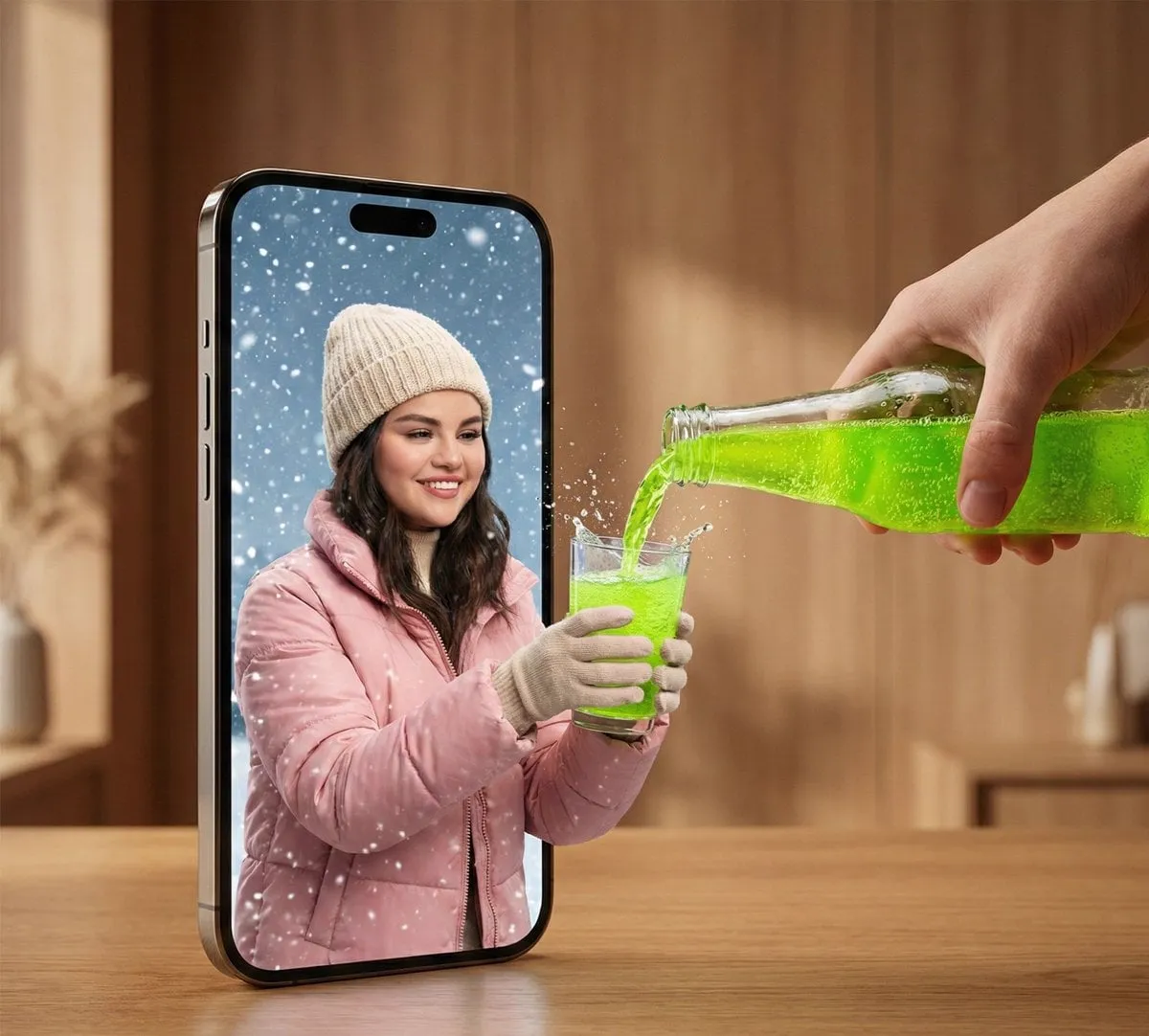
Why short video now runs on AI
Short video stopped being a niche format and became the default way most people consume stories. Reels, Shorts, and TikToks compete for the same few seconds of attention, and the platforms that host them reward speed, volume, and consistency. A creator who can ship several polished clips a week has a structural advantage over one who needs a production team for every post. That is exactly the gap generative AI fills.
The technology has matured past the demo stage. Modern text-to-video and image-to-video models understand narrative coherence, physical movement, and style continuity well enough to produce footage that holds up next to traditional production. The bottleneck has moved from "can the machine make video" to "can I control the machine well enough to tell my story." This guide is about building that control: choosing the right models, keeping your story visually consistent, adding sound that matters, and shipping on a repeatable schedule.
The storytelling frame before the tooling
Before touching a generation tool, decide what the video is for. A story that works on a phone screen in vertical format is not the same as a cinematic short. Write the core message in one sentence, define the emotional arc, and name the single moment you want the viewer to remember. Every generation decision downstream should serve that moment.
The most effective short videos follow a simple structure: a hook that earns the first two seconds, a middle that delivers on the promise, and a payoff that leaves the viewer with a feeling or an action. AI changes the economics of this, not the psychology. You can now test ten hooks in an afternoon and keep the one that generates the strongest response. That testing loop is where most of the wins live.
Choosing models for quality, speed, and budget
One model cannot serve every shot in a story, and pretending otherwise leads to either wasted budget or mediocre output. Build a small mental map of the model landscape and match each type of shot to the right tool.
Premium models for hero moments
For the shots that define the video, the opening frame, the emotional peak, the visual reveal, use the strongest model available. Premium generative models deliver the highest level of detail, temporal consistency, and prompt adherence. They are the closest thing to a cinematic camera in a text box. Use them sparingly: the hero shots, the money moments, and the frames that will be watched in slow motion or on a big screen.
Fast and affordable models for exploration
Not every shot needs top-tier rendering. Transitional cuts, background plates, rough drafts, and A/B test variants are perfect work for faster, cheaper models. They produce solid results in a fraction of the time and cost, which means you can generate many options, compare them, and iterate quickly. Treat cheap models as sketchpads and premium models as finishers.
Specialized and multimodal models
The newest generation of tools goes beyond text-to-image. Multimodal models accept reference images, audio cues, and style samples, and some are tuned for regional aesthetics or specific use cases like character animation or product shots. A model that can take up to seven reference images is invaluable when your story depends on a recurring character or a consistent product across scenes. The specialization is the point: choose the tool whose training matches your subject matter.
Keeping your story visually consistent
The number one thing that separates amateur AI video from professional work is consistency. Viewers forgive small flaws in a single frame; they do not forgive a protagonist whose face changes between cuts or a brand whose colors shift scene to scene.
Character and style anchors
Start every project by defining your visual anchors. If the story has a character, generate a reference pack of that character in the key poses and lighting conditions you will need. If it has a style, moodboard it with a few images that capture the palette, the lens language, and the texture of the world. Feed those references into every generation, or use models with multi-image reference support that preserve an identity vector across outputs.
Keyframe control
For longer sequences, generate the first and last frame of each shot deliberately. The model treats those as boundaries, and when they are right, the motion between them stays on track. This technique gives you director-level control over where a shot begins and ends, which is exactly what you need when assembling a coherent sequence from separate generations.
Post-production as consistency glue
Generation is not the end of the pipeline. Color grade all clips to a shared look, normalize exposure, and keep the sound design uniform. A consistent finishing pass makes clips from different models feel like they came from the same production.
Sound: the half of the video people forget
Video is an audiovisual medium, and the audio half is where AI tools add enormous leverage. A silent generated clip feels unfinished no matter how good the visuals are.
Voiceovers carry the story. Neural text-to-speech has advanced beyond robotic narration to natural intonation, emotional depth, and even cloned voices with proper consent. For a faceless channel or a brand explainer, a well-delivered AI voiceover can carry the entire narrative.
Music sets the emotional frame. Generative music models can produce tracks matched to the mood of a scene, and the better ones can sync rhythm and dynamics to the pacing of your cut. When the music breathes with the visuals, the video feels directed rather than assembled.
Sound effects and ambience complete the illusion. Subtle room tone, footsteps, wind, or a door click do more for perceived realism than most creators realize. Look for tools that generate or suggest SFX automatically, then place them on the timeline with intent.
A repeatable workflow from prompt to publication
Consistency of process is what lets you ship every week without burning out. Build a pipeline and refine it as you learn.
Step one: brief and script
Write the hook, the three beats, and the ending in one page. Define the visual anchors and the target platform's format and duration.
Step two: scout with fast models
Generate multiple variations of the hero shots using fast models. Compare them against the brief, not against your taste. Pick the direction that matches the story's emotional intent.
Step three: finish with premium models
Re-render the chosen direction with the strongest model, using your reference pack for consistency. Generate the key frames deliberately, then fill the middle motion.
Step four: assemble, sound, and grade
Cut the clips to the script, add voiceover, music, and effects, then apply a consistent color pass. Watch the video once with sound off to check visual flow, once with sound on to check narrative flow.
Step five: publish and learn
Ship it, then treat the metrics as data. Which hook won, which shot made viewers rewatch, which platform rewarded which format. Feed those findings back into the brief for the next video.
Common mistakes and how to avoid them
- Leading with the tool instead of the story. The model is a means, not the message. If the story is unclear, better models only produce more polished confusion.
- Using one model for everything. Match the model to the shot type and the budget.
- Skipping the reference pack. Without anchors, consistency is luck.
- Treating audio as an afterthought. Sound is half the experience; spend real effort on voice, music, and effects.
- Publishing without a test loop. The cheapest lesson is a fast A/B test on hooks before you commit to a full production.
A checklist for your first AI short video
To make the process concrete, here is a checklist you can run against any short video project, from a brand promo to a personal story.
- One-sentence core message. If you cannot say what the video is about in one sentence, the story is not ready to generate.
- Hook defined before generation. Write the first two seconds as a specific beat: a question, a bold visual, a surprising statement. Do not hope the model will invent the hook for you.
- Visual anchors collected. At least one reference image for style and, if a character appears, three to seven reference images of that character from different angles.
- Model map for the project. Which shots get the premium model, which get the fast model, and which get a specialized multimodal model.
- Sound plan written down. Where the voiceover sits, what mood the music sets, and which moments need sound effects.
- Keyframes set for every hero shot. The first and last frame are deliberate, so the motion between them has a target.
- Finishing pass scheduled. Color grade, loudness check, and a full watch with sound off, then with sound on.
- Publish and collect data. Even a quick note on which hook worked turns the next video into a smarter experiment.
A checklist like this does not add hours to the project; it removes them. It forces the decisions that would otherwise happen mid-production, when they are expensive, into the beginning, when they are cheap.
Frequently asked questions
How long should an AI short video be?
Platforms favor different lengths, but the shape matters more than the number: a strong hook, a single clear idea, and a payoff before the viewer scrolls. Thirty to sixty seconds is a good default for social platforms, with shorter versions for ads and longer cuts for channels that reward watch time.
Do I need a premium model for every shot?
No. Reserve premium models for hero moments and key frames. Use fast, affordable models for exploration, filler, and tests. The two-pass workflow protects both quality and budget.
How do I keep the same character across scenes?
Build a reference pack of the character from multiple angles and lighting setups, then use models with multi-image reference support. For maximum control, generate the first and last frame of each shot and let the model interpolate the motion.
Can AI voiceover really carry a video?
Yes, with good scriptwriting and direction. Modern neural text-to-speech delivers natural delivery, and you can adjust pacing and emotion to match the story. Pair it with music and effects and the result is indistinguishable from a recorded voice in many contexts.
What is the fastest way to improve my AI videos?
Add a deliberate review step. Watch every draft twice, once for visuals and once for sound, and fix the single most distracting thing in each. Over a few weeks, this habit improves output more than any model upgrade.
Metrics that matter after publishing
Once the video is live, the temptation is to watch the view count and call it done. View counts matter, but they arrive late and tell you little about what to change. The metrics that improve your next video are the ones measured earlier in the funnel.
Completion rate is the strongest signal of content quality. If viewers drop in the first few seconds, the hook failed; if they drop at a specific moment, that section of the story lost them. Compare the completion curve against your script beats to find the exact spot that needs rework.
Engagement actions, comments, saves, and shares, tell you what resonated emotionally. A video that earns comments is a video that sparked an opinion; a video that gets saved is a video people want to return to. Both are stronger signals than passive views, and both feed back into the brief for the next project.
Watch time from the algorithm's perspective rewards videos that hold attention relative to their length. A thirty-second video with a high completion rate often outperforms a sixty-second video with a long tail of drop-off. When in doubt, cut the video tighter and measure again.
Keep a simple log for every publish: the hook, the model mix, the sound approach, and the top three metrics. After a month, patterns emerge that no single video could reveal, and those patterns become the rules of your next production round.
Conclusion
AI has made short-form storytelling accessible to anyone with an idea and a schedule. The tools are no longer the constraint; the craft is. Define the story, choose models by shot type, anchor your visuals with references, treat sound as a first-class element, and build a pipeline you can repeat weekly. The creators who win are not the ones with the fanciest model. They are the ones who ship consistently, learn from every publish, and treat the AI as a reliable collaborator rather than a magic button.
