

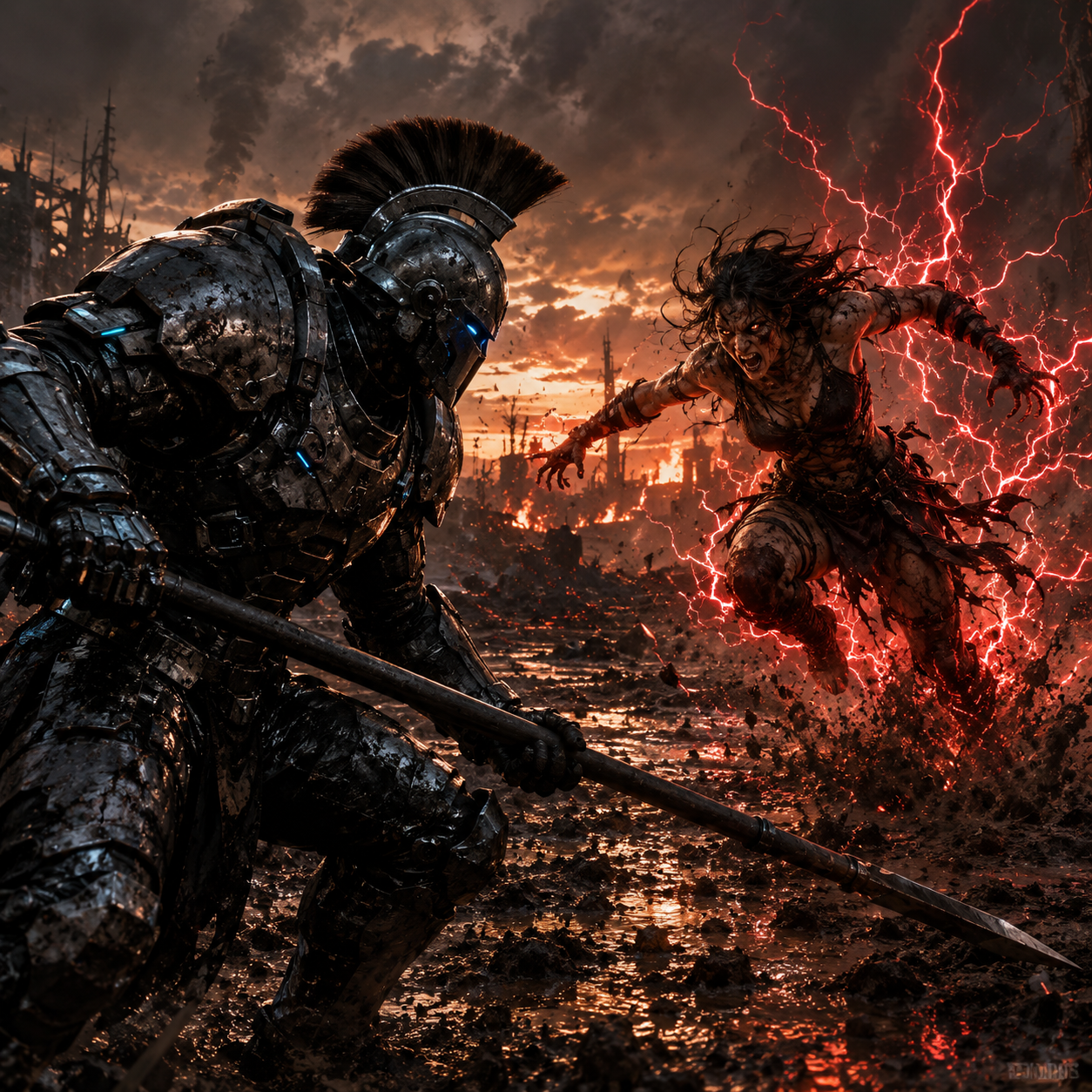
Short-form video has become the most powerful content format on the internet, and Saudi Arabia is one of the fastest-growing markets for it. Audiences on TikTok, Instagram Reels, Snapchat Spotlight, and YouTube Shorts now expect polished, engaging clips that feel native to their culture and language. The good news is that you no longer need a film crew, expensive cameras, or weeks of editing to produce them. Generative AI has reached the point where a single creator can write a prompt and get back a cinematic clip in minutes.
This guide is written for Saudi creators, marketers, and small businesses who want to make short videos with AI without outsourcing production. We will cover how to pick the right model for each scene, how to keep characters and locations consistent across shots, how to add Arabic voiceover and music that actually fit the content, and how to publish strategically on the platforms that matter locally. By the end, you will have a repeatable workflow you can use for every video you make.
Why Short Video Is the Fastest-Growing Format in Saudi Arabia
The Saudi content market is being reshaped by two forces at the same time: a young, mobile-first population and a national push toward digital transformation. The Vision 2030 agenda has made digital content a priority, with visible investment in media, gaming, and entertainment. Short video sits right at the intersection of those trends.
Several factors explain the growth. First, smartphone penetration in the Kingdom is among the highest in the region, and most social consumption happens on mobile. Second, Arabic-language content is still underserved compared to English-language content, which means there is room for creators who can produce high-quality clips in Arabic. Third, brands have realized that short video drives engagement better than almost any other format, and they are shifting budgets accordingly.
For a creator, this creates a clear opportunity: produce short videos faster and more consistently than the competition, in Arabic, with production quality that feels professional. AI tools are the lever that makes this possible without a studio budget.
What AI Video Generation Can Actually Do Today
Before building a workflow, it helps to be precise about what AI video tools can and cannot do in 2026. The best models can:
- Turn a written description into a moving scene with coherent motion, lighting, and physics.
- Generate cinematic shots such as slow dolly-ins, aerial pans, and close-ups with shallow depth of field.
- Animate a still image, so you can create a character or background once and bring it to life.
- Match a style direction, from photorealistic to anime to stylized 3D.
- Extend or loop clips, which is extremely useful for background footage and transitions.
What they still struggle with: long narrative coherence, precise text rendering in the frame, complex multi-character interactions, and hands. That is why the best results come from treating AI as a visual effects partner rather than a magic button. You plan the story, direct the key moments, and let the model handle the heavy rendering.
Choosing the Right Model for the Job
No single model is best for everything. The practical difference between a generic-looking clip and a stunning one is usually the model choice. You should think of models in three tiers.
Photorealistic and cinematic models
When your video needs to look like it was shot on a real camera, use a flagship photorealistic model. The Sora family from OpenAI is known for strong physical plausibility and long-sequence understanding, which makes it a good default for narrative clips. The Flux series excels at prompt adherence and produces clean, detailed frames with a distinctive cinematic feel. Runway's Gen series is a strong option when you need fine-grained camera control and iterative refinement.
These models are heavier, which means they take longer and cost more per generation. Use them for hero shots: the opening hook, the key transformation, the emotional payoff.
Fast and affordable models
For volume work such as B-roll, backgrounds, and quick tests, choose models optimized for speed and value. MiniMax Hailuo is a reliable workhorse that delivers attractive visuals at a fraction of the cost of flagship models. Kling AI models are known for excellent prompt adherence and professional features at a more accessible price point. If you are iterating on a concept and generating dozens of versions, start here.
Style-specific and animation models
Some projects call for a specific aesthetic: anime, claymation, watercolor, retro game graphics. Style-focused models and fine-tuned community models can save hours of post-production because the style comes baked in. When your brand has a consistent look, a custom trained model is worth considering, because it lets you generate every clip in the same visual identity.
Building Visual Consistency Across Scenes
The biggest tell of an amateur AI video is inconsistency: a character whose face changes between cuts, or a location that looks different in every shot. Consistency is what separates a "collection of clips" from a video. Here are the techniques that work.
Lock characters with reference images
Before generating, create a reference image of your main character: same face, same outfit, same lighting. Most good platforms let you upload reference images and describe how the character should appear in each new scene. Do this once, carefully, and reuse the reference for every shot featuring that character.
Describe the world once, then repeat key details
When your scenes take place in the same location, keep a small "world file" in your prompt notes: lighting conditions, color palette, time of day, architecture style. Paste the relevant details into each prompt. It sounds mechanical, but it dramatically improves cross-scene consistency.
Use keyframe control for motion-heavy scenes
If a scene depends on a specific pose or expression, define the keyframe first and generate the motion around it. This works far better than writing "she smiles" and hoping the model lands on the right expression.
Writing Prompts That Respect Local Culture
Audiences in Saudi Arabia respond to content that feels local, and the difference often comes down to details in the prompt. This is where generic AI output fails and thoughtful prompts win.
Visual details that matter
Instead of "a man in a desert," describe the scene with specificity: traditional architecture with geometric patterns, a majlis interior with low seating and warm lighting, a modern Riyadh skyline at dusk, an abaya moving naturally in the wind. The more concrete the visual language, the more authentic the result. Avoid cliches like a lone camel in a generic dune, which reads as a stock image rather than a story.
Language and tone
If your video will have Arabic voiceover or on-screen text, plan it in the writing phase. Short-video platforms reward a strong hook in the first two seconds, so your opening line matters more than the rest of the script combined. Write in the dialect that matches your audience: Gulf Arabic for a local campaign, Modern Standard Arabic for more formal brand content.
Adding Arabic Voiceover, Music, and Sound Design
Sound is half of the viewing experience, and it is the most overlooked part of AI video workflows. A beautiful clip with bad audio will perform worse than a decent clip with great audio.
For voiceover, use a text-to-speech service that supports natural Arabic voices, including Gulf accents where available. Read the script aloud yourself first to catch awkward phrasing, then generate the voiceover and listen carefully for mispronunciations of names and numbers. For music, pick tracks that match the emotional arc of the video: rhythmic and energetic for a product teaser, warm and slow for a storytelling piece. Avoid default "epic trailer" music unless the content genuinely calls for it.
Finally, add the small sounds that sell realism: ambient room tone, footsteps, door sounds. Many editing tools include sound libraries, and layering two or three subtle effects transforms the feel of the final cut.
A Step-by-Step Production Workflow for a 30-Second Clip
Here is the exact workflow we recommend for a 30-second short video, from idea to export. It is designed to be repeatable so you can produce several clips per week.
- Write the hook. Define the first two seconds in one sentence. If you cannot make it compelling, rewrite it before generating anything.
- Storyboard in text. Split the video into 6 to 8 shots. For each shot, write the visual, the action, and the voiceover line.
- Generate references. Create or collect reference images for the main character and the main location.
- Generate shot by shot. Start with the hero shots using your best model, then fill in the rest with faster models. Keep the world details consistent.
- Review in sequence. Watch the shots in order. Fix anything that breaks continuity, not just individual clips that look nice.
- Add voiceover and music. Generate the Arabic voiceover, select the track, and place both on the timeline.
- Edit the rhythm. Cut to the beat, keep shots between one and four seconds, and let the hook land before the three-second mark.
- Export and test. Export at the highest quality the platform supports, upload, and check how it looks on a phone before publishing.
Publishing and Growing on Saudi Platforms
Production quality gets you in the game, but distribution decides whether anyone sees your work. Each platform has its own rhythm.
TikTok rewards early engagement and consistency; posting three to five times per week with a clear theme beats posting randomly. Instagram Reels benefits from cross-posting to Stories and from keyword-rich captions. Snapchat Spotlight is unusually strong in Saudi Arabia and is often undervalued by creators who focus only on TikTok. YouTube Shorts has the longest shelf life and is worth treating as a library of evergreen clips.
In every case, the same principle applies: watch what performs, double down on the formats that win, and treat the first two seconds as the most valuable real estate in your entire video.
Common Mistakes and How to Avoid Them
- Generating before planning. Prompts written in ten seconds produce clips that look like they were written in ten seconds. Plan the shot list first.
- Ignoring consistency. One character, one world, repeated details. This single habit will improve your videos more than any model upgrade.
- Choosing the wrong model tier. Do not use a heavyweight model for every shot, and do not expect a fast model to deliver a hero shot.
- Skipping sound design. A silent video is a failed video. Voiceover, music, and ambient effects are not optional.
- Copying trends without localizing. A trend that works in English rarely works in Arabic without adaptation. Translate the idea, not just the words.
Measuring Success: Metrics That Matter for Saudi Creators
Views are a vanity metric. The numbers that actually tell you whether a video works are completion rate, shares, and saves. A clip that people watch to the end and forward to friends is worth ten that get scrolled past in two seconds. Set a simple weekly review: export the analytics for your best and worst videos, compare the hooks, the topics, and the formats, and adjust the next batch accordingly.
Local context matters here. Engagement patterns in Saudi Arabia differ from global averages in real ways: peak hours, platform mix, and the types of humor that land. Do not copy international best practices blindly. Track what your own audience does and let the data decide the next experiment. Over a month, this loop produces more improvement than any single viral video, because it turns luck into a repeatable system.
FAQ
Do I need a powerful computer to make AI videos? No. Most generation happens in the cloud, so a normal laptop and a good internet connection are enough.
How long does one clip take? Depending on the model and queue, anywhere from under a minute to several minutes per generation.
Can I use AI video for commercial projects in Saudi Arabia? Yes, but check the terms of the specific tool you use, especially regarding commercial licensing, and keep records of your generations.
What is the cheapest way to start? Use free trials and lower-cost models to learn the workflow, then invest in the premium models only for hero shots.
Which platform should I start on? If you are new, pick one platform, publish consistently for a month, and study the analytics before expanding to others.
AI short video is not a replacement for creativity; it is a force multiplier for it. The creators who win in Saudi Arabia will be the ones who combine local cultural fluency with a fast, consistent production system. Start with one video, run the workflow end to end, and improve the process with every clip.
