
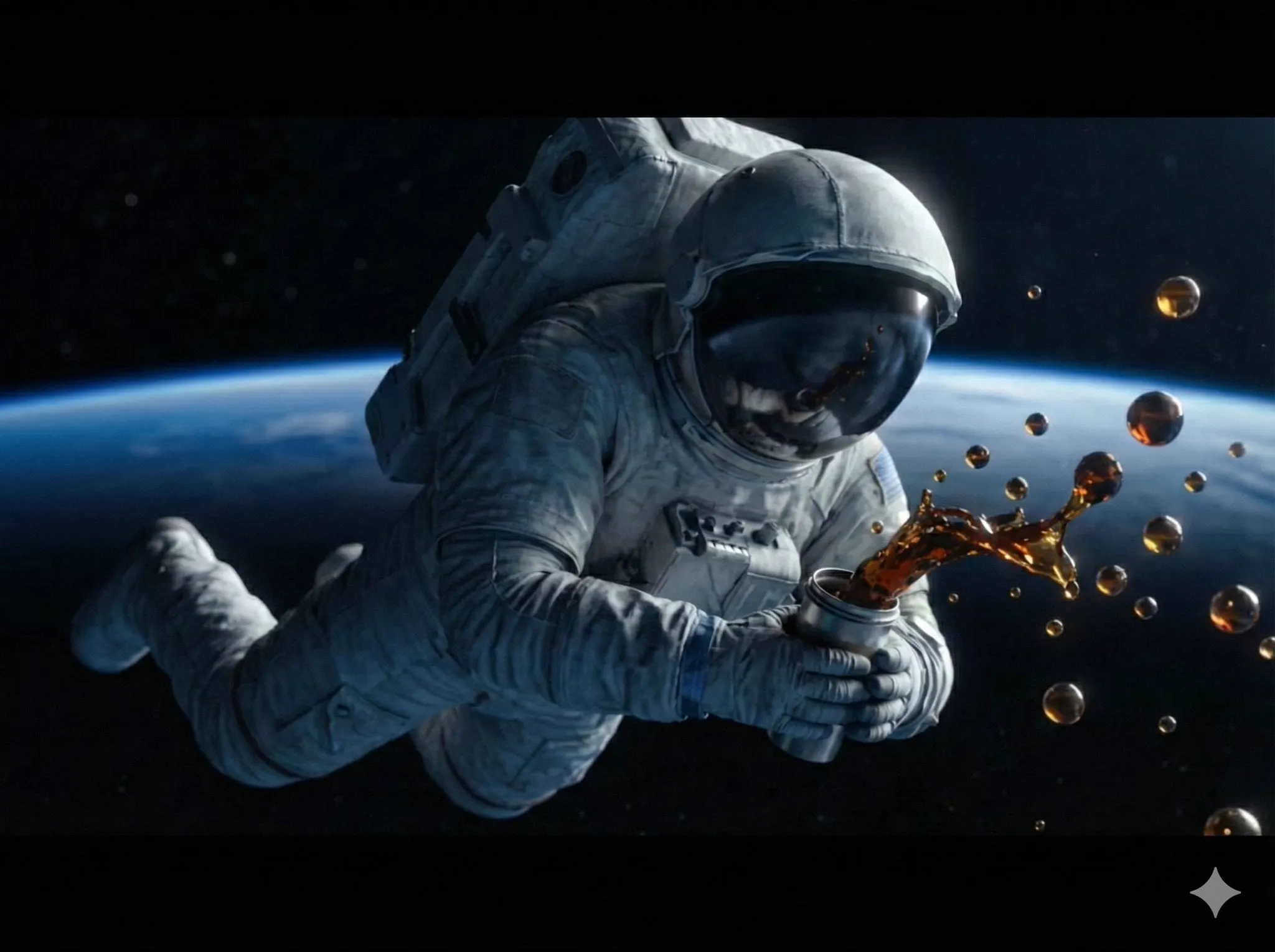
Independent filmmakers live with a constant math problem. They want high production value on a budget that rules out big crews, dedicated pre-visualization departments, and endless reshoots. The tools of the medium have changed, but the challenge remains: turning a script into compelling, consistent imagery before a camera is even committed to a take.
The frontier of pre-production is changing this equation. An AI-assisted approach to shot design and scripting lets a solo creator approximate the work of an assistant director, blocking a scene, preparing a shot list, and keeping visual continuity across a shoot and beyond. This guide explains how that works in practice, what it does for an indie project, and where the human touch still matters.
Why pre-production is where indie films are won
Most of the "movie magic" people assume happens on set actually happens before it. The decisions made in pre-production, choosing the shots, the framing, the rhythm, decide whether footage holds together or falls apart. For a large production, that thinking is spread across specialists. For an indie team, it often falls on one exhausted person.
This is exactly where the perspective shift helps. If the shot planning and continuity work can be accelerated and made more systematic, a smaller team can plan with the discipline of a larger one. The budget does not need to grow; the detail in the plan does.
The payoff appears downstream. A well-planned scene resists mistakes on set, reduces reshoots, and produces footage that editors can assemble quickly. The hours saved in planning return as reliability where it matters.
The virtual assistant director concept
The idea behind an AI-assisted pre-production tool is simple to state and powerful in practice: software that can read a script's narrative intent and translate it into concrete visual decisions. Where a director has to hold a dozen technical constraints in their head, the assistant makes them explicit.
From narrative to blocking
Blocking, the movement of actors and camera within a scene, is where meaning is created. An AI co-pilot can suggest staging based on the emotional logic of the scene, offering options for how characters occupy space and where the camera responds. These are not commands but proposals, prompting the director to think through choices rather than stumble through them.
Blocking and the emotional field
The way characters occupy a space is meaning. Two people standing far apart read intimacy and distance differently from two people crowded into one corner of the frame. An assistant that can surface several staging options helps a director test these readings quickly, without burning time setting up a physical space that does not exist yet. The space between the characters becomes a character of its own, and the planner gets to rehearse that relationship on paper.
Rhythm and coverage as editing insurance
When you enter the edit, the shots you planned determine what you can assemble. A scene planned with good rhythm, a clear master, matched inserts, and a deliberate close, gives the editor options. Planning for this in advance is what turns a shoot into a cut-table friendly package. The assistant's value here is less about inspiration and more about insurance: covering the scene so the edit never hits a dead end.
Automating the shot list
A script full of beats can be turned into a structured shot list, with each moment assigned a potential shot, framing, and purpose. This is mechanical work that consumes enormous energy by hand. Leaving the routine enumeration to a tool frees the director to focus on the choices that are genuinely creative.
Improving dialogue coverage
Dialogue scenes reward thinking about coverage, the set of angles that can be assembled in editing. An assistant can suggest coverage that gives editors flexibility without ballooning the shoot unnecessarily. This balance, enough angles to cut, few enough to stay on schedule, is hard-earned craft that a systematic tool makes accessible.
The technical backbone: from direction to model parameters
The transition from a creative note to a rendered shot depends on translation. Directors think in feelings; models understand parameters. The bridge between them is the real work.
Turn notes into directives
A note like "make this moment feel confined" needs to become specific technical language: a tighter focal length, a lower angle, a slow push toward the subject. An assistant translates the emotional intent into the visual directives a model can act on. This is the skill that separates director-level prompting from generic generation.
Map the shot to the right capability
Different shots demand different model strengths. Framing a character in soft light may favor a realism-focused model; a stylized dream sequence may want a different aesthetic. Knowing which model fits which shot makes the difference between a coherent project and a mismatched one.
Keep identity across keyframes
The stubborn problem of generative film is that characters drift between shots. A keyframing approach, anchoring the identity with reference frames, holds the appearance steady across the whole sequence. Used deliberately, it removes the most visible reason indie AI films look amateur.
The practical value for an indie production
It helps to be concrete about what this changes on a real project.
Time and money saved
The most immediate result is compressed planning. What would take days of storyboard drafting and continuity notes can be explored in hours, letting a small team test visual ideas before committing resources. Faster, more confident planning reduces the cost of exploration.
Fewer reshoots
Clear shot lists and a planned cover reduce the chance of discovering, in the edit, that a crucial angle is missing. The discipline introduced in planning converts to fewer surprises on set and in the cut.
Access to directorial insight
Much of what large productions buy is judgment: what shot fits which beat, how to cover a scene, how to keep continuity. An AI assistant encodes a broad version of that judgment, giving an indie filmmaker a level of pre-visualization and planning that would otherwise be out of reach.
Case thinking: planning a scene step by step
The clearest way to feel the value is to walk through a scene the way the workflow would.
- Read the scene and name its emotional core. Is it tension, intimacy, revelation? Everything flows from this.
- Get the beats. Break the scene into the moments that move meaning forward.
- Draft blocking for each beat, proposing where characters are and how the camera responds.
- Generate a shot list for the scene, matching each beat to a framing and purpose.
- Request coverage options and pick the set that serves the edit without bloating the schedule.
- Anchor the identity with reference frames so characters survive assembly.
- Refine with your eye. Review the frames, challenge the suggestions, and keep what serves the story.
This sequence is not rigid. It is a scaffold that any small team can adapt, and its real value is making the thinking explicit.
Where the human director is irreplaceable
For all its usefulness, an AI assistant is a tool, not a conscience. The moments that define a film are choices of taste, ethics, and feeling that no model can make for you.
Taste cannot be outsourced
The assistant proposes options; the director chooses with taste. Knowing why a wide shot works better here, or why silence beats music there, is human judgment. The tool multiplies options; the human gives them meaning.
Intent still belongs to you
A film says something because a person decided it should. The assistant executes a vision it does not have. The director's point of view is the entire point, and no shortcut can substitute for it.
Responsibility is human
When a shot, an edit, or a project provokes or fails, that responsibility belongs to the people who made it. Leaning on a tool does not transfer accountability; it concentrates it in the hands that chose to use it.
A balanced workflow for small teams
The strongest results come from a collaboration where the tool does the heavy mechanical lifting and the human supplies the direction.
Start by drafting your creative intentions in plain language. Let the assistant help you translate those into shot parameters, blocking options, and a structured list. Then engage critically on set: test the suggestions, adjust to the reality of your location and cast, and decide what actually helps the story. Assembly in the edit should rely on the continuity you banked, but respect the moments you chose.
This keeps the speed and capacity the tool provides on your terms. The technology accelerates; the director steers.
Cinematography elements you can plan in advance
A shot is more than where the camera points. Lens, framing, movement, and light each carry meaning, and these are exactly the elements that can be worked out in pre-production rather than improvised on set.
Lens choice as emotional shorthand
The focal length quietly edits the feeling of a scene. A wider lens opens space and exaggerates perspective, useful when you want to feel the room or the distance between people. A longer lens compresses, pushing the background toward the subject and signaling focus or confinement. Planning which lens does what lets you use optics as a deliberate emotional note instead of an accident.
Framing and negative space
Where the subject sits in the frame says as much as the subject itself. Centered framing reads as direct and confronting; a subject pushed to one edge with empty space reads as isolation or anticipation. Thinking about negative space in the planning stage gives the composition a clear intent before a single take is shot.
Camera movement as direction
A static frame says "watch," a slow push says "listen closer," a dolly-out says "context." Describing the movement you intend for the camera during planning turns it into an argument about your story. The assistant can suggest movements that fit the emotional beat, giving the director a vocabulary to choose from rather than inventing the move fresh at the last minute.
Light as the supervisor
Lighting is too rarely planned as thoroughly as it deserves, and it shapes tone more than any effect. In pre-production, describe the quality, the direction, and the contrast you want for each scene. Whether it is natural softness, hard shadows, or dusk glow, deciding early keeps the visual style coherent across the whole project and tells the team what to chase on the day.
Assembling a continuity package
The most persuasive argument for this planning is the deliverable it produces: a continuity package that any small crew can carry onto the set. A compact set of reference frames, a clear shot list, blocking notes per scene, and a written summary of lens, movement, and light. This package is the bridge between the plan in your head and the reality of a busy shoot day.
It also pays off in the edit. When the intended frames match what your chosen tool produces, assembly is immediate, and the coverage you planned lets the editor shape a scene with intention. The package turns pre-production from a passive idea into an active asset, and it is the closest an indie team can come to the paperwork a large studio takes for granted.
Considering rights and transparency
As with any generative tool, plan with ethics and law in mind.
Review the tool's license
Understand what you may do with the output before you build a project on it, especially for commercial or festival work. Read the terms, do not guess.
Be transparent with collaborators
Actors, crew, and backers should understand where AI is used. Secrecy invites mistrust; openness builds it. A short, honest conversation about workflow prevents larger misunderstandings later.
Respect the people who make you possible
Your collaborators are the reason the film exists. Treat the AI as a way to respect their time, and always leave room for their craft and their judgment in the process.
FAQ
Is this only for shorts and beginners?
No. Any project with limited pre-production resources benefits, and the principles apply across genres and lengths.
Does an AI shot list make a storyboard artist obsolete?
No. It changes the entry point, giving more people a starting point to develop into polished boards. Storytelling craft remains valuable.
Will this replace the director's job?
No. It automates mechanics and expands options, but taste, intent, and responsibility remain human by definition.
How much does this cost to adopt?
Approaches range widely, from basic guided tools to higher-end option sets. Many allow a small team to start cheaply and scale as projects demand.
What is the biggest mistake to avoid?
Treating the assistant's suggestions as final. The tool is a collaborator with no point of view; the film only works if a human makes the choices count.
Conclusion
For independent filmmakers, the dream has always been to achieve the production value of a large studio with the freedom of a small team. AI-assisted shot design and scripting bring that a step closer by compressing pre-production, systematizing continuity, and putting structural thinking in reach.
The real change is not gadgetry but the redistribution of effort. The mechanical work is faster, the planning is more disciplined, and a director with a small crew can explore the visual language of a film with the attention once reserved for bigger productions. Keep the tool at your service, guard your taste, and spend the time you save on the decisions only a human can make.
