
A film is not written only in words. It is written in shots. Every time the camera changes position, angle, or distance, the director makes a statement about power, emotion, and attention. Shot design is the craft of choosing those statements deliberately, and it is the difference between a short film that feels professional and one that feels accidental.
Short films intensify the stakes. With only a few minutes of runtime, there is no room for a wandering camera or a shot that exists just to look pretty. Every frame must earn its place. This is why shot design matters more in short form than in features, where coverage can hide indecision. In a short, the audience studies every cut.
AI has made professional shot design more accessible than ever. Tools that act as director agents can analyze a script, recommend shot lists, and generate reference frames that follow cinematic conventions. But the tool is only as good as the person using it. You still need to know what a shot is doing, why an angle works, and how to keep a sequence coherent. This guide gives you that foundation and shows you how to put it to work with AI.
Why shot design decides whether a short film works
Shot design is storytelling through the camera. Consider two versions of the same scene: a character receives a letter. Version one shows a wide shot of the room, then a medium shot of the character reading. Version two opens on a close-up of trembling hands, cuts to an extreme close-up of the letter, then pulls back to reveal the character alone in an empty apartment. Same plot, radically different emotions. The second version uses the camera to build dread and isolation.
The audience reads these choices subconsciously. A low angle says power. A high angle says vulnerability. A handheld shot says instability. A locked-off tripod shot says calm or menace, depending on context. When you design shots deliberately, you control what the audience feels at every moment. When you do not, you leave it to chance.
For short films, this control is survival. You have seconds to establish character, conflict, and tone. A well-designed shot does three jobs at once: it reveals information, shapes emotion, and moves the story forward. That efficiency is what separates short-form masters from beginners.
The building blocks of a shot
Before planning a sequence, learn the vocabulary. Every shot is defined by four variables.
- Framing: what is included in the frame. Extreme wide, wide, medium, close-up, and extreme close-up each serve a different purpose.
- Angle: where the camera sits relative to the subject. Eye level, low angle, high angle, Dutch angle, and overhead.
- Movement: how the camera behaves. Static, pan, tilt, dolly, track, crane, handheld, or a combination.
- Duration: how long the shot stays on screen. This is set in the edit, but it is planned in the storyboard.
These variables combine into an almost unlimited set of choices. The skill is not knowing all of them; it is knowing which ones serve the current story beat.
Reading the script for shot opportunities
A director agent starts by analyzing the script, and you should do the same before you accept its suggestions. Read every scene and identify the emotional center: what is the character feeling, and what should the audience feel by the end of the scene? Mark the beats where the emotional temperature changes. Those beats are where your shot design must shift.
Ask questions like:
- Where is the character's power in this moment? High, low, rising, or collapsing? The camera angle should mirror it.
- What does the audience need to see? If it is a reaction, go closer. If it is a location, pull back. If it is a detail, use an insert.
- What is the rhythm of the scene? Fast cuts for panic, long takes for tension or intimacy.
Write these answers down as scene notes. They become the creative brief for every shot proposal you generate.
Choosing the camera angle that serves the story
Camera angle is the fastest way to communicate power and emotion. Use it consciously.
- Eye level creates neutrality and intimacy. It is the default for conversations and grounded drama.
- Low angle makes the subject loom. Use it for authority, threat, or heroism. It can also be ironic: shoot a coward from below and the audience senses the gap between appearance and reality.
- High angle shrinks the subject. Use it for vulnerability, defeat, or surveillance. A character at a low point in the story should look down at the world or be looked down upon.
- Dutch angle tilts the world off balance. Use it sparingly for disorientation, madness, or instability. Overuse destroys its meaning.
- Overhead shots are god's eye views. They suit patterns, isolation, and moments of decision.
A useful exercise is to storyboard the same scene three times with different angle choices and compare the emotional results. This is quick with AI-generated frames and builds your instincts faster than reading theory.
Using focal length to shape space
Lens choice changes how the audience perceives space, and modern AI tools let you specify it in your prompts or shot settings. Focal length is not just technical detail; it is psychology.
- Wide lenses (24mm and below) expand space, exaggerate depth, and create intimacy through proximity. Faces near a wide lens distort, which can feel aggressive or comic.
- Standard lenses (around 50mm) match human perception. They feel natural and neutral.
- Telephoto lenses (85mm and up) compress space, flatten depth, and isolate subjects from backgrounds. They make crowds feel dense and characters feel detached.
The classic short film trick is using a telephoto lens to make a character feel trapped: background and foreground press together, and the character has no breathing room. The opposite approach, a wide lens with a character standing alone in a large space, communicates isolation through emptiness. Tell your AI tool which lens feel you want, and it will adjust the perspective distortion accordingly.
Directing camera movement with intention
Static shots say the world is stable, or that we are watching something fixed and inevitable. Moving shots say something is changing. Choose movement for its meaning, not for decoration.
- Push-in: the camera moves closer. It builds intensity, focus, or intimacy. The faster the push, the more aggressive the feeling.
- Pull-back: the camera retreats. It releases tension, reveals scale, or isolates the subject in the environment.
- Pan: the camera turns horizontally. It follows action or reveals space, often imitating the character looking around.
- Tilt: the camera turns vertically. It reveals height, scale, or hierarchy, like tilting up a skyscraper to show dominance.
- Tracking: the camera moves alongside the subject. It keeps pace with motion and builds momentum.
- Handheld: unstable and human. It injects energy, anxiety, or documentary realism.
- Drone or crane: elevated and sweeping. It creates spectacle and scale, but it can break intimacy if overused.
The most common beginner mistake is moving the camera in every shot. Movement loses meaning when it is constant. Let static shots breathe, then let a single deliberate movement carry the emotional change of the scene.
Pacing and transitions: controlling rhythm in the edit
Shot design continues into the edit. The storyboard should note intended duration and transition style for each shot, because rhythm is the invisible editor of emotion.
Fast cutting creates energy, anxiety, or comedy. A rapid montage of the same action from different angles amplifies impact. Slow cutting creates weight, tension, or melancholy. A long take forces the audience to sit with the character.
Transitions are also storytelling tools. A hard cut is neutral and invisible. A match cut connects two visually similar frames to imply a connection across time or space. A dissolve suggests the passage of time or a dreamlike state. A whip pan or smash zoom injects energy or comedy. Plan your transitions in the storyboard so the edit feels designed, not improvised.
Keeping visual identity consistent across the whole film
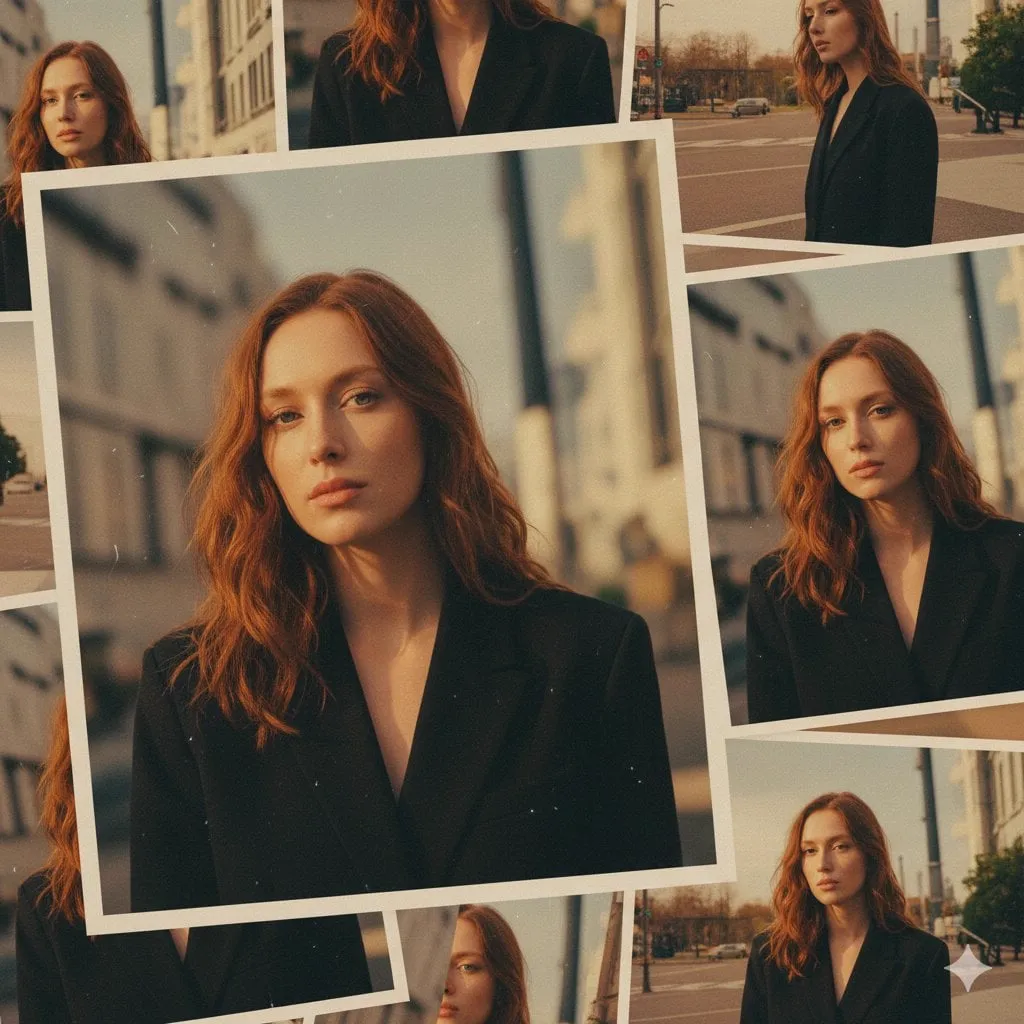
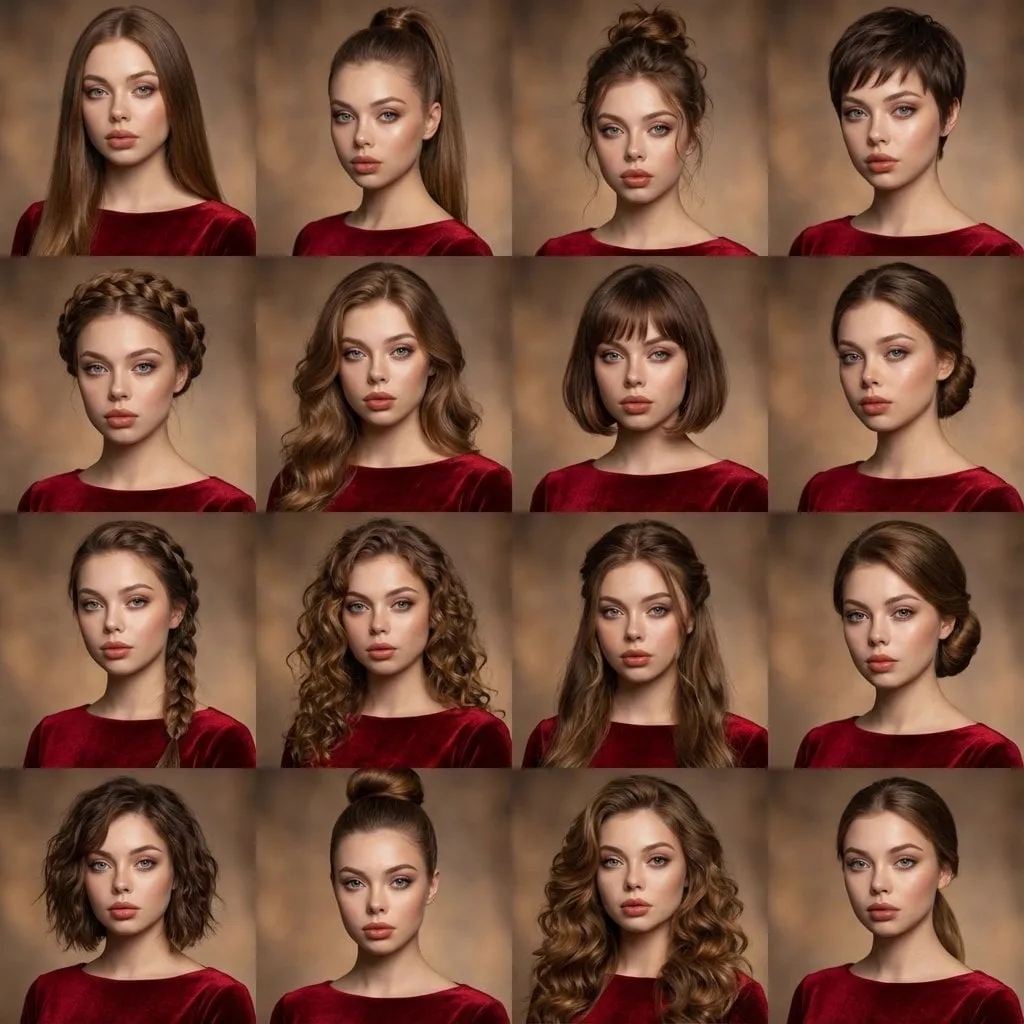
Consistency is the invisible glue of shot design. An audience may not be able to name what is wrong, but they will feel it when a character's face shifts between shots or when lighting changes without reason. AI tools handle this through image references and fusion features.
The professional routine:
- Lock a reference image for every character and location before generating any shots.
- Keep a style reference for color palette, lighting, and lens feel, and apply it across all generations.
- Generate all frames for a scene in one session, then compare them side by side.
- Regenerate any shot that breaks the identity instead of trying to fix it in post.
Short films are judged as a whole. Ten beautiful shots that do not belong together feel broken; ten consistent shots with modest production values feel like a real film.
A practical AI workflow for shot design
Here is a repeatable workflow you can use on your next project.
- Write or finalize the script and mark every beat.
- Write scene notes for emotion, power, and rhythm.
- Ask your AI director agent for a shot list and review it against your scene notes.
- Revise the proposal: change angles, lens choices, and movements until each shot serves a purpose.
- Lock character and location references.
- Generate key frames for every shot and compare them in sequence.
- Animate the approved frames with motion descriptions that match the shot list.
- Edit, check pacing, and revise only the shots that break the sequence.
This workflow takes longer than typing a prompt, but it produces a film with intent. As you repeat it, the planning becomes faster and the results become more consistent.
Exercises to build your shot design instincts
Theory helps, but instincts come from practice. Three exercises will improve your shot design faster than reading.
First, storyboard a known scene. Take a scene from a film you admire, write down the beats, and design your own shot list for it before watching the original. Then compare your choices with the director's. You will notice where your instincts align and where the director chose something you did not expect, and that gap is where the learning happens.
Second, re-design a weak scene. Pick a scene from a film or video you find forgettable and design a shot list that makes it feel intentional: different angles, different lens choices, different movement. This exercise teaches you that the same script can produce radically different emotions depending on the camera work.
Third, shoot a single beat five ways. Use AI to generate five versions of the same moment, each with a different combination of angle, lens, and movement. A close-up with a push-in, a wide shot from a low angle, a telephoto from across the room, a handheld close-up, an overhead static shot. Compare them side by side and write down what each version communicates. After a few rounds, choosing the right shot for a beat becomes automatic.
Frequently asked questions
What is the minimum shot vocabulary I need to know?
Framing (wide, medium, close-up), three angles (eye level, low, high), and three movements (push-in, pull-back, tracking) cover most short film needs. Everything else is variation.
How many shots should a two-minute short film have?
It depends on the pacing you want. A tense, quiet film might use twenty shots; an energetic montage might use sixty. Design the number around the emotion, not a rule.
Can AI generate a shot list from my script automatically?
Yes. Modern director agents analyze the script and propose shots, framing, and camera language. Treat the output as a strong first draft and revise it with your own scene notes.
How do I stop characters from looking different in every shot?
Use a locked character reference image in every generation and compare frames side by side. Regenerate outliers rather than accepting drift.
Is handheld footage ever appropriate for a calm scene?
Yes, if the intent is subtle unease. The camera does not need to shake violently; a slight human wobble can make a calm scene feel alive or unsettled.
Closing thoughts
Shot design is a language, and AI gives you a fluent assistant who can draft sentences for you. The grammar, the vocabulary, and the judgment still belong to you. Learn to read a script for its emotional beats, choose angles and lenses that serve the story, keep your visual identity locked, and let the tool execute your intention. Do that consistently and your short films will stop looking generated and start looking directed.
