
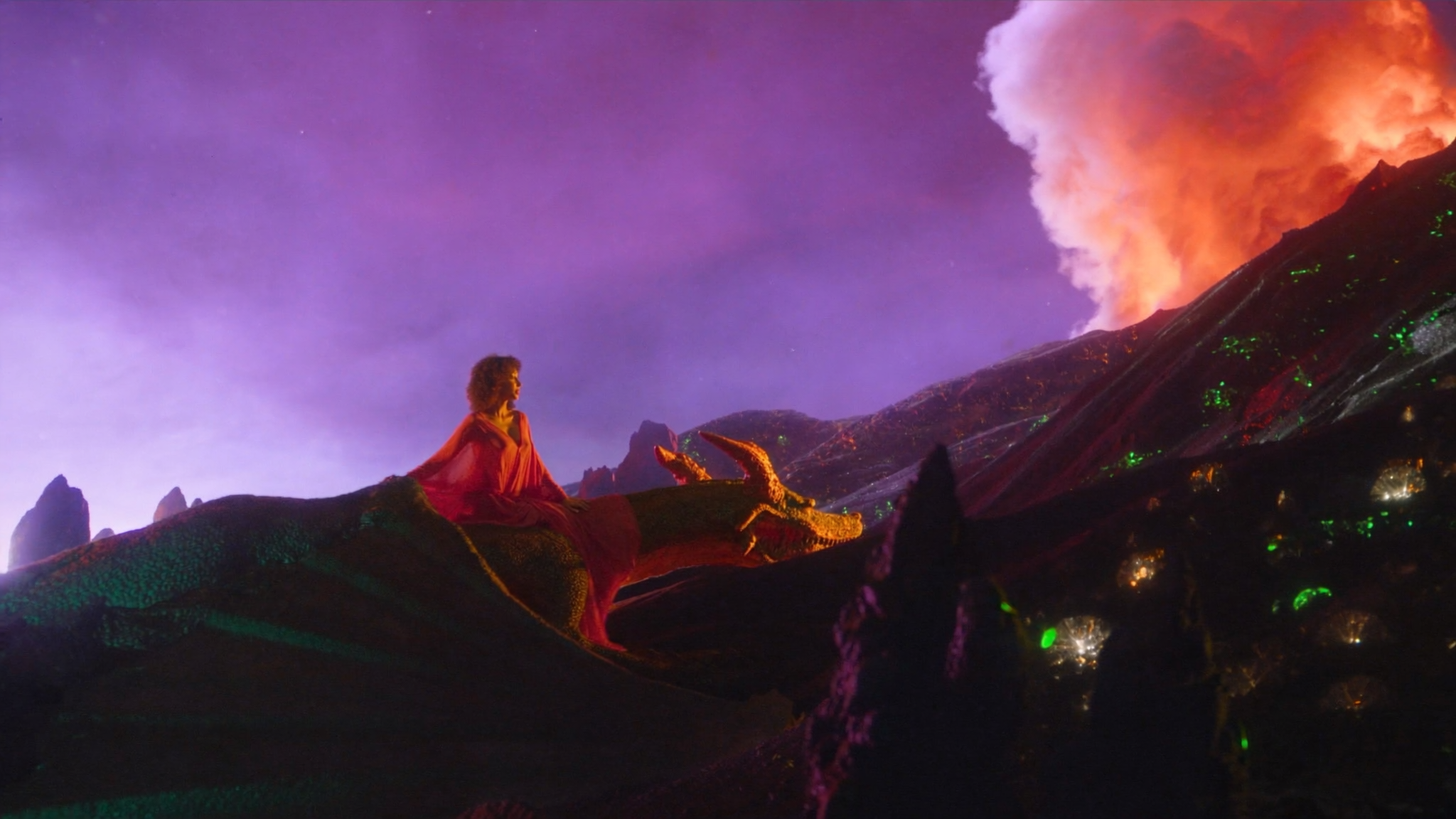
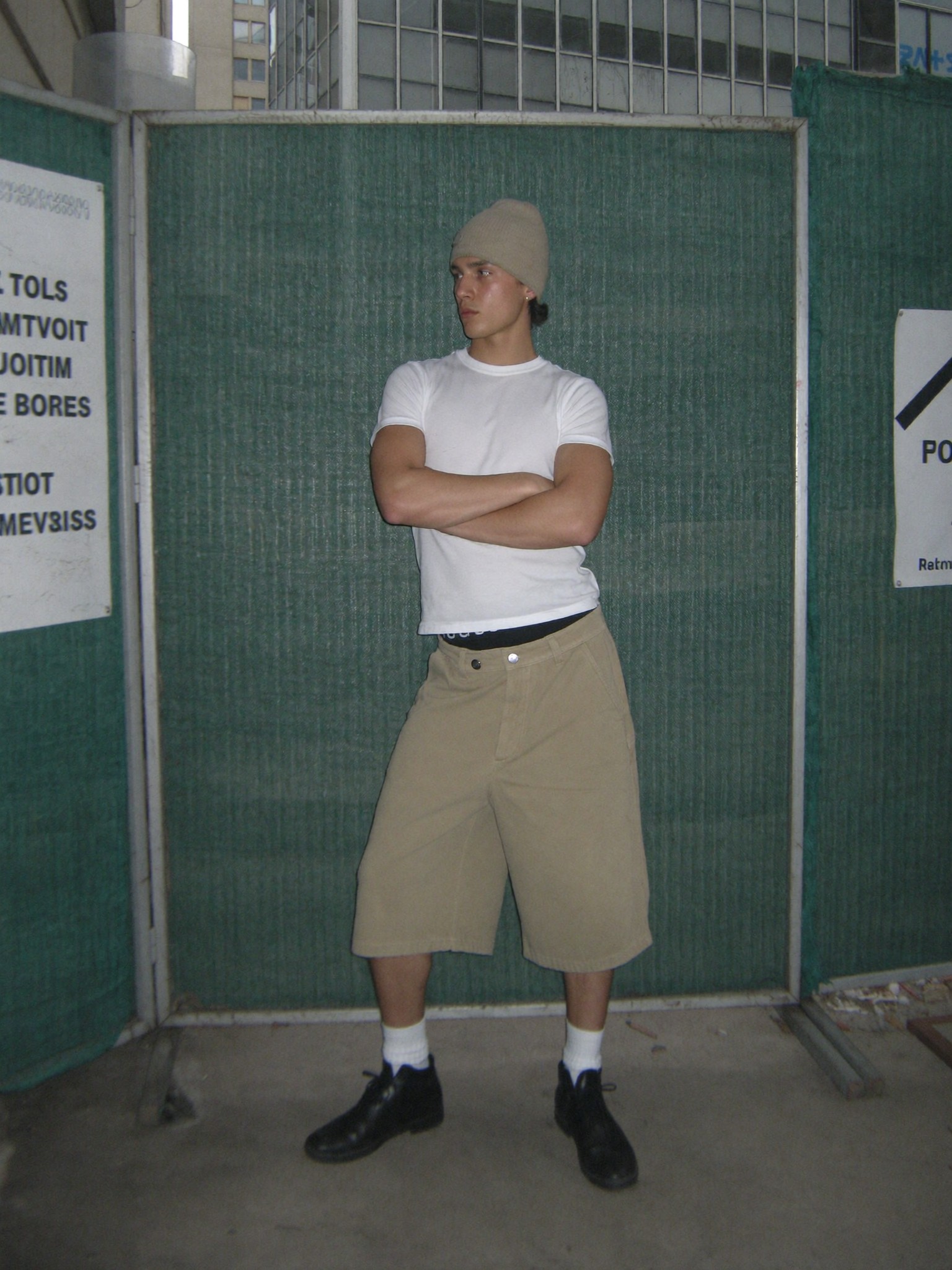
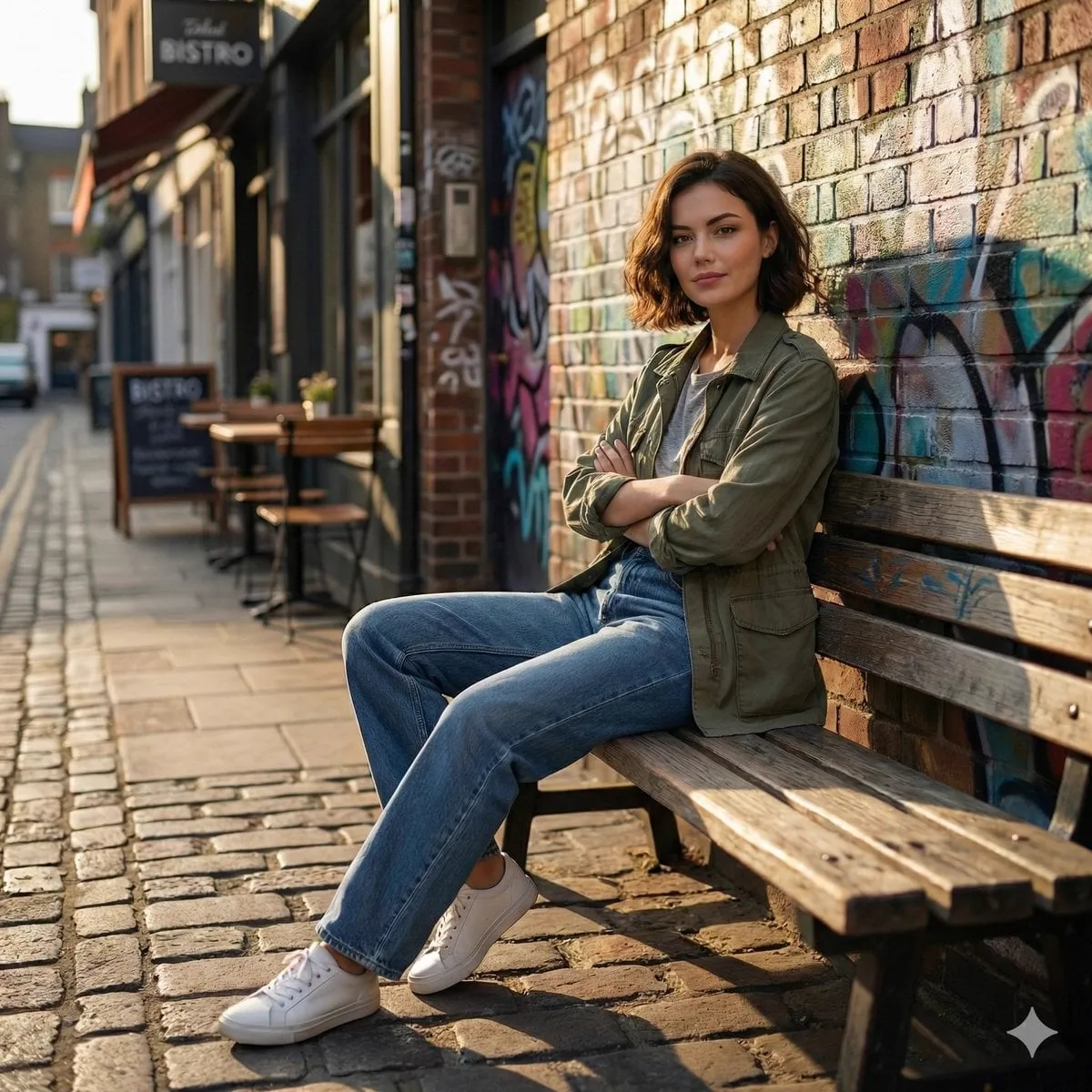
Short-form video rewards one skill above all others: knowing what to show in each frame. Platforms like Instagram Reels, TikTok, and YouTube Shorts push content that holds attention in the first two seconds and keeps it through a deliberate sequence of shots. Most creators, though, never think in shots — they record what feels right, then hope the edit saves it. AI shot-design tools are changing that by acting like a personal director: they analyze your idea and suggest the camera angles, framing, and shot order that make the story land. This guide explains the principles behind good shot design, how AI tools put them to work, and how you can apply them to your own videos today.
Why Shot Design Matters More Than Ever
A short-form video lives or dies in its first moments. If the first shot does not tell the viewer what the video is about and why it matters, they scroll. Shot design is the discipline of making every frame pull its weight: the opening hook, the establishing context, the payoff, and the close.
The demand for constant fresh content has also made shot design a volume problem. A creator posting daily needs dozens of distinct shots a week. Studios and agencies need to produce variations for multiple clients and platforms. Shot design is no longer a craft reserved for film sets; it is the operational skill of the entire creator economy.
Good shot design does not require expensive equipment. It requires intention: knowing why a wide shot works here, why a close-up lands there, and how the sequence of shots creates rhythm. Once you understand that logic, you can apply it to phone footage, generated clips, or any other source material.
The Basics: Shot Types and Composition
Before using any tool, learn the vocabulary. These are the shot types that carry most short-form content:
- Wide shot: establishes the scene and the subject's place in it. Use it at the start to set context or at the end to reveal scale.
- Medium shot: frames the subject from the waist up. The default for talking heads and product demonstrations.
- Close-up: isolates a detail — a face, a product, a hand movement. High emotional impact, best used sparingly.
- Extreme close-up: fills the frame with one element. Perfect for hooks and transitions.
- Over-the-shoulder: shows the subject from behind another person's perspective. Great for conversations and POV stories.
- Point of view: shows what the subject sees. Creates immersion and relatability.
Composition principles do the rest. The rule of thirds keeps the subject off-center for a natural look. Leading lines guide the eye toward the subject. Headroom and looking space keep portraits comfortable and directional. Negative space gives room for captions and text overlays, which matter enormously on mobile feeds.
What an AI Director Layer Actually Does
An AI shot-design layer translates a story idea into a concrete shot plan. You feed it a script or a short description, and it returns a sequence: which shot type to use, what the camera should do, what the subject and background should be, and how the shots connect. Think of it as a virtual director of photography that never sleeps and never complains about the schedule.
The practical value is speed and consistency. Instead of storyboarding by hand or guessing on set, you get a shot list you can follow, adapt, or hand to a generator. The AI applies the same compositional logic to every project, which means your videos develop a consistent visual language even when the topics change.
The human still decides. The AI proposes shot protocols; you judge whether they serve the story, adjust the tone, and own the final choice. Teams that treat the AI as a collaborator — reviewing its suggestions instead of blindly executing them — produce far better work.
Planning a Shot Sequence: From Concept to Flow
Every good short video follows a rhythm. A common pattern for social content:
- Hook shot: an extreme close-up or an unexpected detail that stops the scroll. Show the payoff object, the transformation, or the surprising element within the first two seconds.
- Context shot: a wide or medium shot that establishes who and where. Keep it short; context is support, not the main event.
- Process shots: a series of medium and close-up shots that show the how. This is where most of the video lives, and where shot variety keeps attention.
- Payoff shot: the result, revealed with a wider frame or a clean transition. The viewer should feel the completion of the promise from the hook.
- Close and CTA: a simple final shot with the call to action, often with text on screen.
Transitions between shots matter as much as the shots themselves. Match cuts connect two shots with similar shapes or motion. Jump cuts create energy but can feel chaotic if overused. A simple cut on action — the subject moves, you cut in the middle of the motion — makes the sequence feel continuous even across very different shots.
Keeping Characters and Products Consistent Across Shots
The hardest problem in AI-assisted video is consistency: the same character or product must look the same in every shot of the sequence. The technique that solves this is multi-image fusion, sometimes called multi-reference generation. You provide two or more reference images of the subject — different angles, consistent lighting and style — and the model locks that identity for the entire generation.
For creators, this means an AI character can be planned across a full story arc, not just a single clip. For brands, it means a product stays recognizable from the establishing shot to the close-up. The discipline is in the references: use images with similar lighting, similar framing, and no occlusions. Inconsistent references produce inconsistent characters, no matter how good the model is.
Look Development: Making Every Shot Feel on-Brand
Look development is the process of defining the visual style before you generate: color palette, lighting mood, texture, and lens feel. A cohesive look makes a sequence of different shots feel like one production instead of a collection of clips.
When you set up a project, define the look in one or two sentences: "warm, editorial, shallow depth of field" or "cool, minimal, soft studio light". Apply that description consistently in your prompts and reference images. Then use the same color grade in post-production. The result is a video where every shot belongs together, even if the scenes are completely different.
For short-form content, the look is also a brand asset. Viewers recognize a channel by its visual style before they recognize the logo. Investing ten minutes in look development per video pays back in recognition and retention.
Designing the Hook Shot for Maximum Retention
The hook is the most important shot in short-form video, and the most under-planned. A strong hook either shows the outcome, creates a mystery, or breaks a pattern. Three approaches that work:
- Outcome reveal: show the finished result first, then tell the story of how it was made. Works for transformations, recipes, and DIY content.
- Pattern break: open with something that contradicts the viewer's expectation — an unusual angle, an unexpected object, a surprising sound.
- Direct statement: a clear promise in text or speech: "This tool saves me an hour a day" with the subject framed tight.
The hook shot should be visually distinct from the rest of the video — tighter, brighter, or more unusual. It is also the shot where captions matter most, because many viewers decide whether to keep watching before the audio even starts.
Applying Shot Design to Footage You Already Shot
Shot design is not only for generated video. The same logic turns existing footage into better edits. Start by watching your raw material without audio and labeling each moment by shot type: which clips are wide, which are close-ups, which are details. Then rebuild the video in the hook-context-process-payoff order, cutting ruthlessly. A common mistake is keeping a clip because it is "good footage" even when it does not advance the sequence. If a shot does not answer the question the viewer just asked, cut it.
Phone footage benefits from simple fixes: stabilize with the editor's correction tool, trim the first and last half-second of every clip to remove the recording gesture, and match the look with a single preset. When you combine real footage with generated clips, keep the same color grade and caption style across both, so the audience cannot tell where the footage ends and the generation begins — that seamlessness is what makes an AI-assisted video feel directed.
A Practical Workflow for AI-Assisted Shot Design
Here is a workflow that combines AI shot design with generation and editing:
- Write a one-sentence idea, then expand it into a three-line script: hook, process, payoff.
- Run the script through a shot-planning AI tool to get a shot list with types and camera moves.
- Prepare reference images for any recurring character or product.
- Generate each shot with the model that fits its content, using the look definition in every prompt.
- Assemble in an editor, add captions and music, and check the rhythm by watching without sound.
- Review the first two seconds obsessively — that is where the video is won or lost.
Keep a template of this workflow with your hook patterns and shot lists from past videos. The template turns planning from a blank-page problem into a fill-in-the-blank routine, which is exactly what you need when the content calendar demands a new video every day. After a few weeks, the planning stage shrinks to minutes and the quality bar stays high because you are reusing what already works instead of reinventing the sequence each time.
Common Mistakes and Fixes
- No hook: the video starts with context and loses viewers. Move the most interesting element to the first frame.
- Same shot for everything: a video of only medium shots feels flat. Plan variety: wide, medium, close-up, detail.
- Inconsistent look: shots feel like different videos. Lock the look before generating and keep it in every prompt.
- Overcomplicated sequences: too many shots in a 30-second video creates chaos. Reduce to the shots that serve the story.
- Weak close: the video ends without a clear takeaway. Always close with the payoff or the call to action.
Frequently Asked Questions
Do I need a powerful computer to use shot-design tools? No. Most AI shot design and generation runs in the cloud; you need a browser and a stable connection.
Can I use these techniques with footage I already shot? Yes. Shot design applies to editing too: cut your existing footage into a hook-context-process-payoff structure, and apply the look in the grade.
Will the AI replace my creative judgment? No. It speeds up planning and reduces guesswork, but the decisions — tone, taste, message — remain yours.
How do I keep the same AI character across shots? Use multi-image fusion with consistent reference images: same lighting, similar angles, no occlusions. The better your references, the more consistent the character.
How long does it take to plan a video this way? Once the workflow is familiar, planning a 30-second video takes ten to fifteen minutes instead of hours of guesswork.
What if my video is not narrative — a product demo or a talking head? The same principles apply with a different emphasis. Product demos lean on close-ups and detail shots with consistent lighting; talking heads need good framing, looking space, and caption placement. In both cases, plan the shot sequence before recording or generating, and keep the hook in the first two seconds.
Directing Your Next Video
Shot design is the difference between content that looks accidental and content that looks directed. You do not need a film school degree or a cinema camera to apply it — you need the vocabulary, a plan, and a tool that turns ideas into shot lists fast. Start with the next video you make: write the hook first, plan the shot sequence before you record or generate, keep the look consistent, and close with a clear payoff. After a few videos the habit becomes automatic, and your content will look like it had a director all along — because now it will.
