
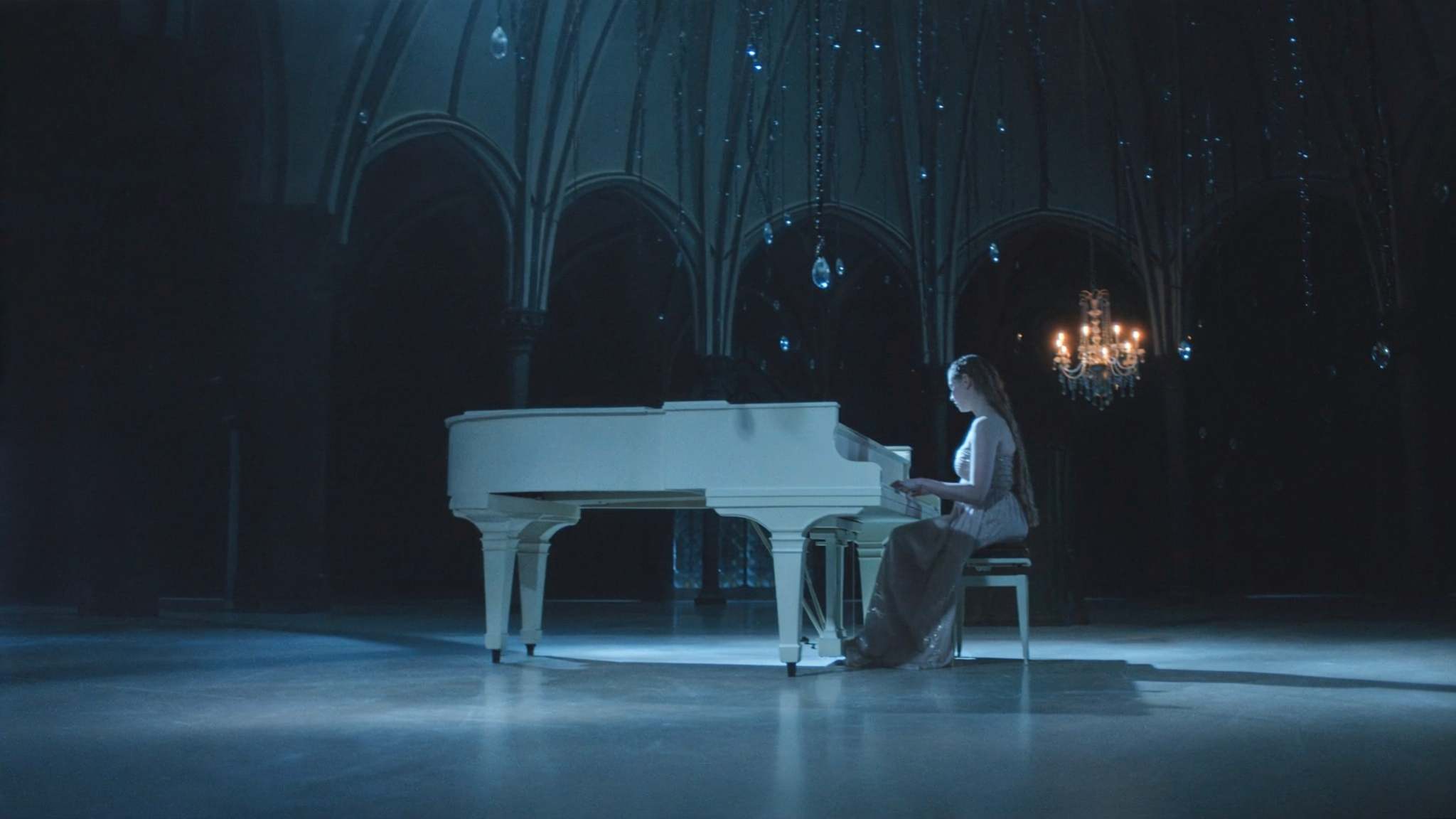


Every filmmaker knows the feeling: the script is strong, the location is locked, and the actors are ready, but the shot list is still a mess of sticky notes. Pre-production is where films are actually made, yet it is also the phase most likely to be rushed, because storyboarding feels like a luxury when the schedule is tight. Generative AI has changed what pre-production can look like. Instead of manually sketching every frame, filmmakers can now translate a script into a detailed shot list, generate storyboard frames, and pressure-test camera ideas before a single crew member is hired. This toolkit-style guide covers the practical workflow: turning narrative intent into shots, controlling the camera, keeping style consistent, and moving from storyboard to production without losing the vision.
Why Pre-Production Is Where Films Are Won
A storyboard exists to answer questions before they become expensive. How should this scene be covered? Where is the camera? What does the light look like? What connects one shot to the next? When these questions are answered on paper or in frames, production becomes execution rather than discovery. When they are not answered, decisions get made on set under time pressure, which is how scenes end up under-covered and budgets end up overrun.
The traditional cost of pre-production is illustration time and iteration cycles. A hand-drawn storyboard for a two-minute scene can take days, and every revision means redrawing. AI tools compress that cycle. A shot list can be generated from the script in minutes, and frames can be rendered, reviewed, and re-rendered in the time it used to take to sketch a single panel. The result is not that storyboards become cheaper; it is that they become better, because directors actually have time to think through every shot.
From Script to Shot List
The first step is converting the screenplay into a sequence of shots. Read the scene and break it into beats: a dialogue exchange, a look, a movement, a reveal. Each beat becomes a candidate shot. For each shot, define the basics:
- Framing. Wide, medium, close-up, or extreme close-up.
- Angle. Eye level, high angle, low angle, Dutch angle, or POV.
- Movement. Static, pan, tilt, push-in, pull-back, track, or handheld.
- Duration. Roughly how many seconds the shot stays on screen.
- Content. What is in the frame and what changes during the shot.
AI tools that read the script and propose this structure are genuinely useful, but treat their output as a first draft. A director knows the subtext that a script parser misses: which character owns the scene, where the audience should feel trapped, when a pause matters more than a line. Edit the generated list to match your intent, then lock the sequence before generating visuals.
Camera Directives: Angles, Movement, and Lenses
The storyboard should communicate not just what the camera sees but how it behaves. Camera language is emotional language. A low-angle shot makes a subject feel powerful; a high angle makes them vulnerable. A slow push-in creates intimacy or dread depending on context. A whip pan communicates energy and disorientation.
When you describe a shot for AI visualization, be explicit about the camera. Include the focal length or lens feel, the distance, the height, and the movement path. Compare "a woman walks into a room" with "medium shot, 35mm, camera at chest height, tracking left to right as a woman walks into a sunlit room." The second description gives the generator enough constraint to produce something cinematic rather than generic.
Keep a vocabulary of camera terms you use consistently, and define them in your project notes. When the same term appears in every frame description, the generated storyboard holds together stylistically.
Generating Storyboard Frames
With the shot list locked, the next step is visualizing each shot. Text-to-image generation turns each shot description into a frame, and image-to-video tools can later turn selected frames into motion tests. For a clean storyboard, render frames at a consistent aspect ratio and resolution, then arrange them in sequence.
Work in passes. First pass: one frame per shot, rough, to check composition and coverage. Second pass: refine the shots that matter, adding lighting and art direction details. Third pass: render the hero frames at full quality for the production package. Do not polish every frame equally in early passes; the storyboard's job is to make decisions, and the first pass is where you discover which shots are actually missing.
One practical tip: generate several variations of each shot and choose deliberately. A frame that is ninety percent right can usually be regenerated with a small prompt change rather than accepted and fixed later.
Consistency Across Scenes
A storyboard tells a story, and the story only works if the film looks like one film. Consistency problems appear fast in AI-assisted workflows: the protagonist changes face between scenes, the lighting direction flips, the color palette drifts. The fix is a style lock, applied before generation starts.
Create a reference sheet that defines the look: the main character's appearance, the wardrobe, the location palette, the lighting style, and the lens language. Feed these references into every frame generation that involves them. Use fusion techniques that blend multiple reference images when a scene contains more than one established element. Then, during review, check frames against the reference sheet rather than in isolation.
Consistency is also temporal. Shot A ends with the character on the left of frame; shot B should continue the movement. Keep continuity notes next to the storyboard so the editor and the set know the intended geography of the scene.
The Iterative Feedback Loop
Storyboards improve through iteration, and the loop should be fast. Share the draft with the director of photography, the production designer, and the editor early. Each discipline reads the storyboard differently: the DP sees light and lens choices, the designer sees sets and props, the editor sees pacing and coverage. Their feedback is cheap now and expensive later.
Structure the feedback as concrete changes to specific shots rather than general impressions. "Shot seven needs more negative space on the left" is actionable; "make it more cinematic" is not. Keep the master shot list updated as changes land, and version the storyboard so everyone references the same document. AI generation makes revision cheap, which is exactly why the discipline of a single source of truth matters more than ever.
From Storyboard to Production
When the storyboard is approved, it becomes the production reference. Convert the shot list into a production document with the practical details: shot numbers, locations, lighting notes, props, and equipment. For live action, this feeds the shooting schedule and the camera department's setup list. For fully AI-generated or hybrid productions, the storyboard frames become the source material: the images that get animated, extended, or composited.
Keep the storyboard visible during production. Every department should be able to look at the frame for the shot being set up. The gap between "the storyboard said" and "what we're about to shoot" is where scope creeps and vision decays; closing that gap is the entire point of the document.
Practical Workflow for Small Teams
For indie filmmakers and small content teams, the full studio pipeline is overkill, but the same principles scale down.
- Keep a one-page style reference per project: look, character, palette, lens language.
- Generate shot lists from the script, then edit them by hand.
- Render one frame per shot for the first pass; review with the whole team in one sitting.
- Lock the storyboard, then produce a short animatic or motion test for the two or three most complex scenes.
- Store every prompt and setting with the project so you can regenerate or adjust any shot later.
The goal is a storyboard that is good enough to commit to, produced fast enough that you still have time to make the film.
Storyboard Formats and Deliverables
A storyboard is not one document; it is a family of documents that serve different purposes. Knowing which one you need keeps the team aligned.
- The coverage board. One frame per shot in script order, usually three to six frames per page. This is the working document for the director and editor; it answers whether the scene is covered.
- The shooting board. The coverage board plus production annotations: shot numbers, lens notes, camera movement arrows, lighting directions, and dialogue cues. This is the document the camera department works from.
- The animatic. The coverage board timed and cut to the script, with scratch dialogue or music. Animatics test pacing before real production, and they are where most structural problems surface.
- The VFX board. Frames that define what visual effects will add or replace, with notes on scale, motion, and integration. VFX teams need this document to bid and plan.
Standardize the format once and reuse it: a consistent aspect ratio, a numbering scheme that matches the script, and a place for annotations on every frame. When every project uses the same board format, directors, editors, and departments spend their energy on the film instead of decoding the document.
A Storyboard Review Checklist
When the draft storyboard is ready, run it through a short checklist before locking it. The list catches the problems that cost the most later.
- Coverage. Is every beat of the script covered by at least one shot? Mark the shots against the script beats and look for gaps.
- Continuity. Does screen direction hold across cuts? Is the character's position in frame consistent between shots that are supposed to be continuous?
- Clarity. Could someone set up each shot from the frame and annotations alone? If a frame is ambiguous, rewrite the description.
- Variety. Are the shots visually distinct, or does the sequence feel like one long medium shot? Vary framing and angle to keep the eye engaged.
- Pacing. Do the shot durations match the emotional rhythm of the scene? Short cuts for tension, longer holds for weight.
- Practicality. Are the shots achievable with the budget and locations available? A storyboard full of impossible shots is a fantasy document.
Check the storyboard against this list twice: once early, when changes are cheap, and once just before locking. The second pass is where the small inconsistencies, the ones that would have surfaced on set, get caught.
Frequently Asked Questions
Can AI storyboarding replace a real storyboard artist? For coverage planning and quick visualization, yes. For films where the storyboard is a stylistic artwork in its own right, a human artist still adds a hand that no prompt can replicate.
How detailed should shot descriptions be? Detailed enough that another person could set up the shot from your words alone: framing, angle, movement, lens feel, lighting, and content.
Should I storyboard every shot? Storyboard the scenes that matter: complex sequences, visual effects, action, and anything with unusual camera work. Simple dialogue coverage can live as a written shot list.
How do I keep characters consistent across frames? Build a reference sheet from approved images, feed it into every generation, and use fusion or multi-image techniques when a frame contains several established elements.
Is the storyboard the same as an animatic? No. A storyboard is static frames; an animatic adds timing and sound. When pacing matters, convert the key frames into a rough animatic before production.
What if the generated frame does not match the script? Regenerate with a more constrained prompt, or adjust the prompt to what you actually want. If the mismatch keeps happening, the shot description is probably ambiguous; rewrite it.
How do I number shots in a storyboard? Use the scene number followed by the shot number, like scene 3 shot 7, and keep the numbering consistent across every document, the coverage board, the shooting board, and the animatic. Shot numbers are the common language between the director and every department.
Should the storyboard include dialogue? The board should carry the dialogue cues that affect the picture, the line that triggers a close-up or the pause that holds on a reaction, but not the full script. Full dialogue belongs in the script; the board shows how the dialogue is covered.
Can I use AI storyboards for client pitches? Yes, and they are excellent for pitches because they communicate the vision fast. Keep the frames consistent and clearly labeled, and be honest that they are pre-visualization, not final footage.
