
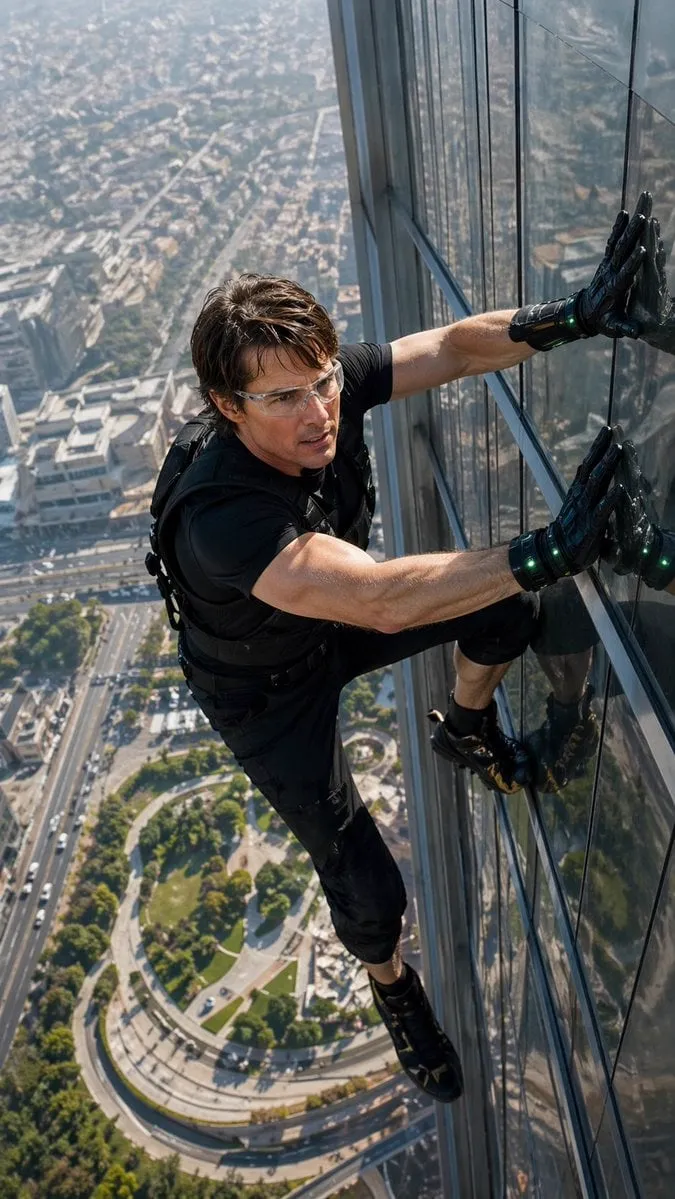
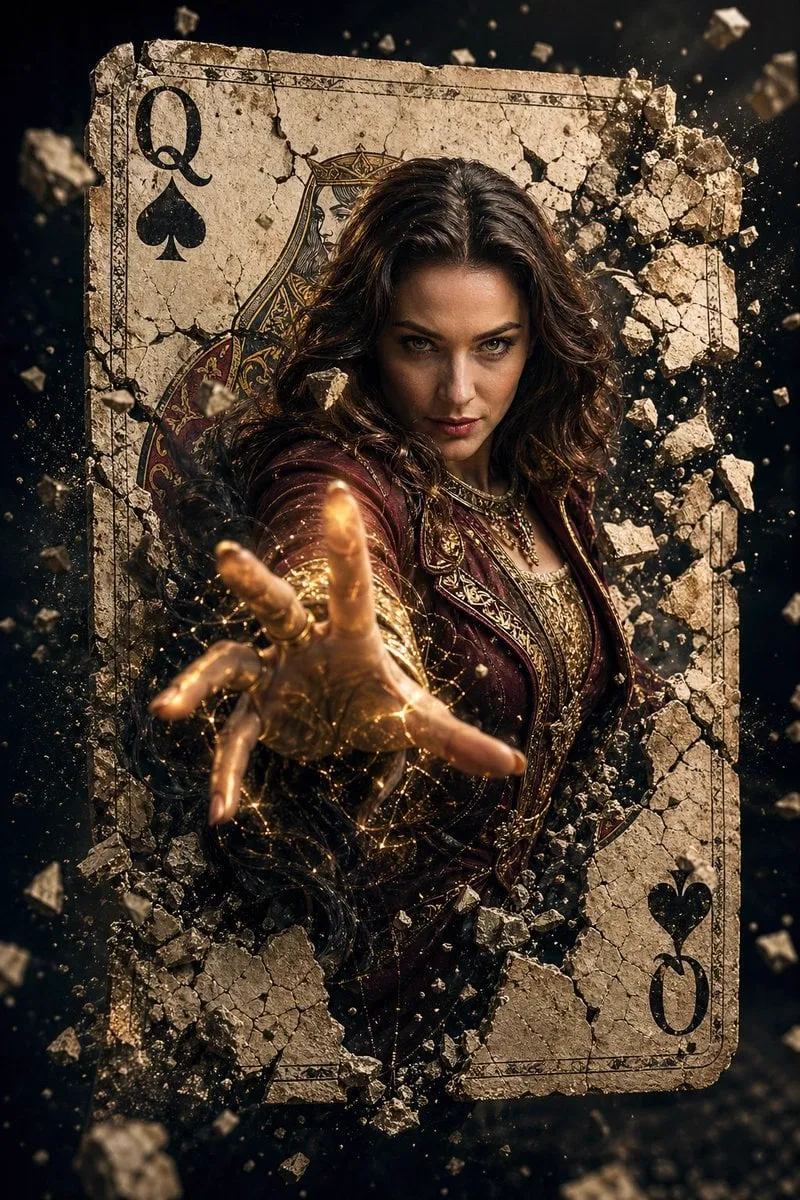
The most striking change in generative media is no longer the single image. It is the moment an image starts to move. Video tools that once produced isolated frames can now animate the sky behind a building, shift a scene from storm light to golden hour, and place a product into a photorealistic environment that was never built on a set. This move from static frames to living atmospheres is not a cosmetic upgrade. It changes what creators can promise to clients, what audiences expect to see, and how quickly a team can move from idea to finished shot.
Two capabilities sit at the center of this shift. The first is AI sky animation: generating believable movement in clouds, light, weather, and day-to-night transitions. The second is photorealistic mockup generation: turning a simple product render into a lifelike scene ready for e-commerce, advertising, and film pre-production. Together they form a new visual content pipeline, one that is faster, cheaper, and far more flexible than anything built on traditional CGI.
Why This Shift Matters Now
It is easy to treat generative video as a novelty, but the economics behind it are real. The market for generative AI video has grown into tens of billions of dollars and keeps expanding at a pace traditional production cannot match. The reason is simple: generative models collapse the distance between an idea and a finished shot. A creative team can explore a dozen visual directions in a single afternoon, where the same exploration once required days of location scouting, lighting tests, and render time.
Consider a concrete example. A beverage brand wants to test three campaign moods: a sunset on a tropical beach, a rainy neon street, and a mountain cabin at dawn. With traditional production, each mood means a different location, a different shoot day, and a different budget line. With generative tools, one product asset plus three environment prompts produces three complete visual concepts in an afternoon. The team picks the strongest direction, and only then does real production begin.
Speed is only half of the story. The other half is consistency. Older generative tools produced beautiful single images but fell apart the moment you asked for the same character, the same light, or the same sky across multiple shots. Newer systems, including the Sora series from OpenAI, the latest iterations of Runway's Gen models, and the Flux lineup, have pushed temporal coherence forward dramatically. They understand that a cloud should keep its silhouette as it drifts and that light should sweep across a room in a physically plausible way.
For a creative team, this matters because consistency is what makes footage usable. A gorgeous sky that flickers between frames is worthless in a final cut. The models that solve temporal coherence are the ones that turn generative video from a toy into a production tool.
What Makes AI Sky Animation So Difficult
Sky animation sounds simple: take a sky and move it. In practice, it is one of the hardest problems in generative video. The sky is a living system. Clouds form, dissolve, and reshape themselves. Light shifts with the angle of the sun and with the weather. A convincing animation must respect the physics of light scattering, the evolution of cloud structures, and the way atmospheric effects interact with foreground objects.
The core challenge is consistency. If you animate a golden sunset behind a city skyline, every reflection in every window should respond to the moving light. If the shot cuts to a second angle, the sky must match across both: the same cloud, the same color temperature, the same haze. Early models treated each frame as an independent image, producing skies that flickered or reshaped themselves unnaturally. Modern approaches solve this with temporal conditioning: the model is told not only what the sky looks like, but how it evolves over time.
For creators, the practical lesson is to plan the atmosphere before generating. Decide whether the scene calls for storm light or golden hour, and feed that decision into every prompt in the sequence. Consistency is far easier to maintain when it is designed in from the start, rather than patched together afterward.
Photorealistic Mockups: Product Visualization at Scale
Photorealistic mockup generation has quietly become one of the most commercially valuable uses of generative AI. E-commerce is the clearest beneficiary. Consumers expect to see a product from every angle, in realistic environments, with believable lighting and shadows, before they click buy. Producing those visuals with traditional photography means hiring studios, renting locations, and reshooting whenever the product line changes. Generative mockups remove almost all of that friction.
A typical workflow starts with a product render or a simple photograph. The creator then describes an environment: a Scandinavian living room, a desert landscape at dusk, a rainy city street at night. The model synthesizes a scene in which the product looks native, with correct scale, believable reflections, and realistic integration with the surroundings. When the product changes, the scene does not need to be rebuilt; only the product asset is swapped.
The same technique is reshaping B2B marketing. Instead of commissioning expensive CGI for a brochure, a team can generate a dozen contextual mockups for roughly the cost of one traditional render. That speed changes the creative process itself: teams iterate more, test more, and ship more visual variations than would ever have been feasible before.
Designing for Atmosphere: A Creative Checklist
Atmosphere is the invisible ingredient that makes a visual believable. Before you generate anything, run the scene through a short checklist so the model has everything it needs.
Define the light source. Is the sun visible? Is the light warm or cold? Soft or hard? Every shadow in the frame depends on this answer. Define the weather. Clear, overcast, stormy, or hazy skies behave completely differently and change the mood of the scene. Define the time of day, because golden hour and midnight are not just different colors; they are different physical realities. Define the motion: what should move in the frame, how fast, and in which direction. Finally, define the emotional target: the atmosphere exists to make the audience feel something specific, and the model should be told what that is.
Teams that fill in this checklist before prompting consistently produce stronger results than teams that improvise. The checklist also makes iteration faster, because each failed attempt can be traced to a specific missing or wrong decision instead of an undiagnosed failure.
The Model Landscape: Choosing the Right Tool for the Job
No single model dominates every visual task, and pretending otherwise leads to mediocre output. The smartest teams treat the model landscape as a toolbox with different specialties.
Flux series models excel at cinematic quality and detailed texture, making them a strong first choice for hero shots and atmospheric scenes. Runway's Gen-4 line is built for controlled motion and temporal coherence, which matters when a scene needs to feel physically grounded. OpenAI's Sora series is the reference point for long, narratively coherent sequences: shots that hold together over many seconds rather than isolated flashes. Asian-origin models such as Kling AI and MiniMax Hailuo are competitive on motion quality and often surprisingly strong on stylized content. Specialized and multimodal tools like Vidu Q1 and Pika 2.2 bring distinct strengths in camera control, stylized animation, and fast iteration.
The winning approach is not to pick one model and defend it, but to route each task to the model that does it best. That routing is exactly what all-in-one platforms increasingly automate for you, and it is the single biggest quality lever available to a working team.
A Practical Workflow for Sky Animation
If you want believable sky animation, structure the work the way a cinematographer would.
Start with a shot list. Define the scene, the camera angle, and the atmospheric goal: a storm building, a sunset fading, night falling. Then write prompts that anchor the sky's behavior: cloud type, wind direction, light source, color palette. Generate a first pass and watch the sky specifically. If clouds morph unnaturally or the light jumps, tighten the temporal language in the prompt rather than re-rolling blindly.
Next, check integration. The sky only works if the foreground responds to it. Shadows should shift as clouds pass overhead, and reflections should track the light. If the model does not handle this automatically, composite the sky and foreground in separate passes and blend them in editing.
Finally, build a shot library. Once you find a sky treatment that works, save the prompt and the settings. Reuse them across the project so the atmosphere stays consistent from scene to scene. This is the habit that separates professional output from one-off experiments.
A Practical Workflow for Photorealistic Mockups
The mockup workflow is shorter and more iterative. Begin with the product asset. It should be clean, well lit, and ideally rendered without its background. Then write an environment brief: the setting, the time of day, the mood, and how the product sits in the scene. Generate a small batch, four to eight variations, before committing to any single result.
Evaluate like an art director. Does the product look physically placed rather than pasted? Are the shadows and reflections convincing? Does the environment support the brand's positioning? Keep the strongest variation, then refine it with targeted edits to lighting or composition.
For e-commerce, generate the full set of needed views in one session: hero shot, lifestyle shot, detail shot, and contextual shot. Because the environment is reusable, subsequent product launches become a matter of swapping assets and regenerating. That compounding time saving grows with every new product you ship.
Budgeting Time and Compute for Iterative Generation
Generative work rewards iteration, and iteration has a cost. Without a budget, teams either over-generate, drowning in variations they never review, or under-generate, settling for the first pass out of impatience.
A practical budget looks like this. Reserve one third of the time for preparation: shot lists, environment briefs, and prompt writing. Spend the middle third on structured generation: small batches, one variable changed at a time, with notes recorded after each pass. Save the final third for selection and refinement: picking the winner, fixing its weak points, and exporting the finished asset. This rhythm produces better results than an open-ended session and prevents the common trap of endless re-rolling.
For large projects, track what works in a shared document. The prompts, settings, and model choices that succeed on one asset become the starting point for the next, so the whole team improves with every project instead of relearning the same lessons.
Real-World Applications Across Industries
Advertising benefits from the ability to test concepts without a shoot. A beverage brand can compare a beach sunset, a neon city, and a mountain cabin in a single afternoon, then pick the strongest emotional direction for the campaign.
Film and television teams use generative sky and environment work for pre-visualization and background plates. Directors can communicate atmosphere to a crew with moving imagery instead of mood boards, which shortens the distance between intent and execution.
Real estate and architecture teams generate interior mockups and day-to-night transitions to show buyers how a space behaves across time, turning a static floor plan into an experience before construction even finishes.
Common Mistakes and How to Avoid Them
The most common mistake is over-prompting. Long, contradictory descriptions confuse the model. Short, specific prompts with strong visual anchors produce better results, so strip the prompt down to the elements that matter and keep the rest out.
The second mistake is ignoring consistency until the end. Fix the atmosphere, the character, and the light early. Retrofitting consistency after the fact is painful and usually requires regenerating large portions of the project.
The third mistake is using the wrong model for the task. Rendering a product texture with a model built for stylized motion wastes time and quality. Match the tool to the job and your results will improve immediately.
The fourth mistake is skipping the review step. Generating is not the same as finishing. Every asset needs an art-director pass: check the light, check the physics, check the story the image tells. Teams that institutionalize this review step ship consistently better work than teams that generate and publish.
Frequently Asked Questions
Can AI sky animation replace real footage? For many commercial purposes, yes, especially for backgrounds, transitions, and atmospheric plates where a real shoot is expensive or impractical. Hero footage with actors and critical lighting still benefits from real production.
How long does a photorealistic mockup take? A single high-quality variation typically takes minutes, and a full e-commerce set can be produced in an hour with a well-structured workflow.
Do I need a powerful computer? Most generation runs on cloud platforms, so the heavy work happens on the provider's GPUs. You mainly need a reliable connection and good prompt discipline.
Which model should a beginner start with? Begin with one strong all-rounder, learn its prompt style and limitations, then add specialized models only when a specific task demands them.
Is generated visual content safe for commercial use? Check the license terms of each platform and model. Most commercial subscriptions permit commercial use, but the details differ between providers. A good habit is to document the model and settings used for every asset you ship.
How do I keep the sky consistent across many shots in one project? Lock the atmospheric decisions, cloud type, light direction, and palette, in a single reference prompt, and reuse it for every shot in the sequence. Generate the shots close together in time and review them as a group rather than individually, so drift is caught before it becomes a problem.
What is the difference between animating a sky and compositing one? Animating means the model generates the moving sky as part of the scene, which is faster and integrates light automatically. Compositing means generating the sky separately and blending it into footage, which gives more control but requires manual light matching. Choose animation for speed and compositing for precision when the foreground is fixed.
