
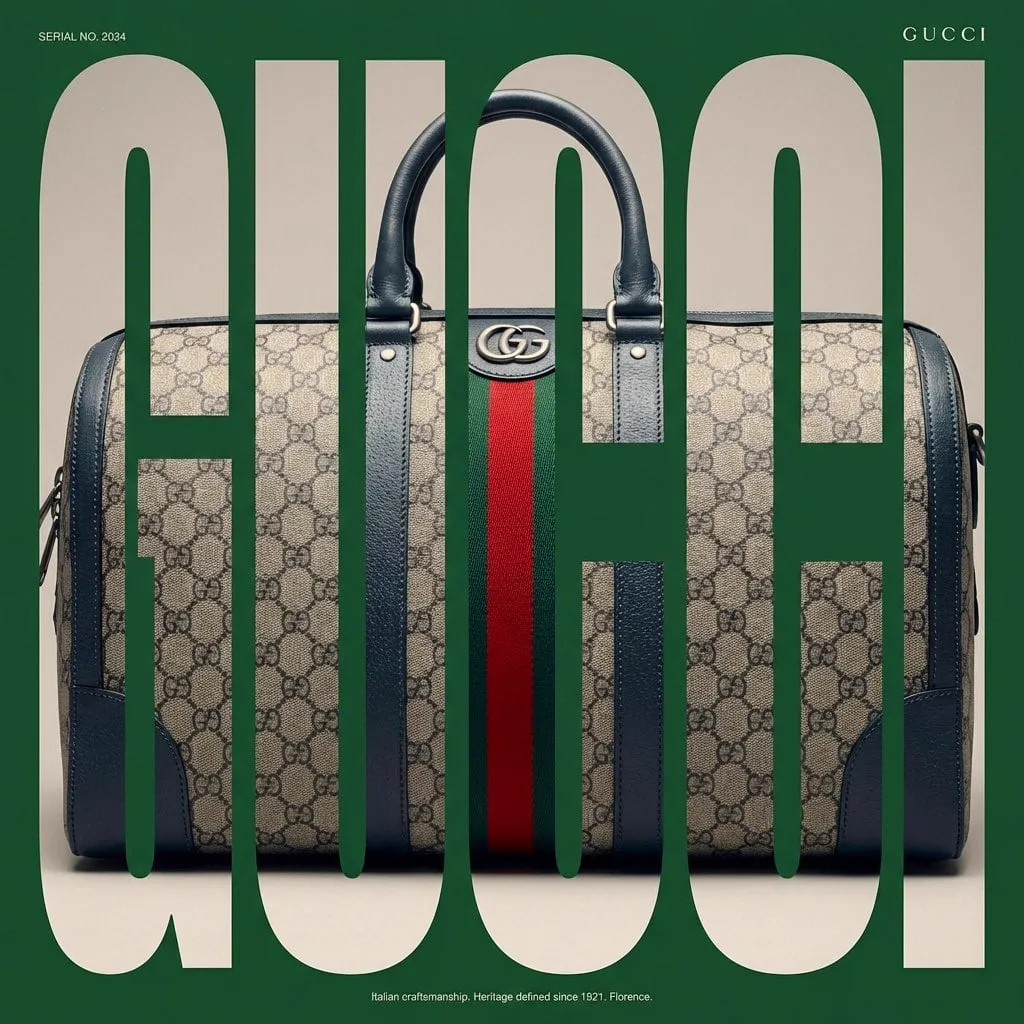
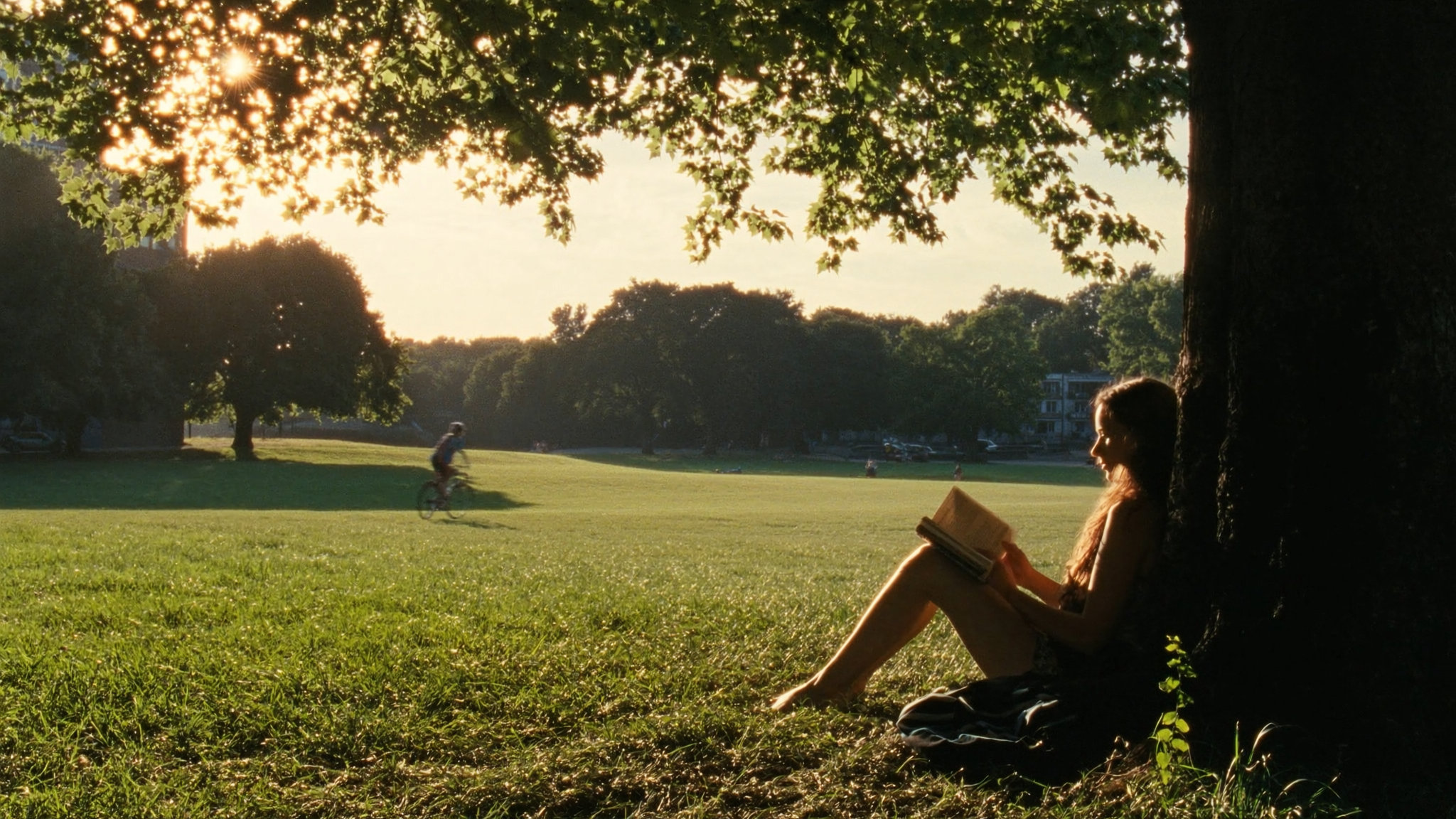
Stock photography has been the backbone of marketing, publishing, and web design for decades. But the traditional stock photo industry is going through a quiet revolution. Instead of searching through huge libraries of generic photos, creators can now generate custom, high-quality images on demand with AI — and own the result without the licensing headaches of classic stock platforms. This guide explains how to produce professional, copyright-safe stock images with AI, which tools and techniques actually work, and how to build a repeatable workflow for your brand or your clients.
Why AI stock images are changing the game
The old stock photo model had three big problems: cost, licensing, and relevance. A good stock library subscription is expensive, usage licenses are complicated, and even the best library often lacks the exact image you need. Search for "team meeting in a modern office" and you get a thousand variations that all look the same. AI image generation solves all three problems at once.
With a modern image model, you describe the exact scene you want — the lighting, the lens, the mood, the composition, the diversity of the people, the brand colors — and the model produces something close to what you imagined. You pay for the generation, not for a license, and you control the usage rights. For marketers, this means campaign visuals that match the brief instead of compromising with whatever the library had available.
The economics have shifted too. Producing a batch of custom product mockups, social media backgrounds, or blog illustrations used to require a photographer, a studio, or hours of searching. Now a single person with a clear prompt can produce usable assets in minutes. The bottleneck has moved from production to taste: knowing what to ask for and how to evaluate the output.
Understanding copyright in the age of generative AI
Before generating anything, it's worth understanding the legal landscape. Copyright law around AI-generated images is still evolving, and it varies significantly between jurisdictions. In some countries, works created entirely by AI may not be copyrightable at all; in others, the human author retains rights over the final selection and arrangement.
The practical reality for stock producers is that the biggest risks are not about your own output but about the training data of the models you use. Models trained on copyrighted material may produce images that resemble existing works. If you generate something that closely copies a protected photograph or artwork, you can still face legal exposure. The safe approach is to generate original compositions, avoid prompting for "in the style of [specific living artist]" or reproducing known characters and logos, and review outputs for accidental resemblance.
Most reputable platforms now include commercial-use rights for generated images in their terms, but those terms differ. Before you build a business on AI stock images, read the platform's licensing page carefully and keep documentation of your generations. If you plan to sell images, choose platforms whose terms explicitly allow commercial redistribution, and be transparent with buyers about how the images were made.
Choosing the right model for stock-quality output
Not every image model is good at producing clean, photorealistic stock photography. The best results come from models with strong prompt adherence and good lighting control. Several families stand out in 2025.
The Flux series has become a favorite for photorealistic work because it handles complex prompts well and produces convincing skin texture, natural lighting, and sharp detail. Runway's image models are also worth considering, especially if you plan to animate your images later, since they integrate with video generation pipelines. For pure speed and volume, faster consumer models can handle simple briefs, but you will need more retries to get a truly professional result.
A useful habit is to test the same prompt across two or three models and keep the best output. The quality difference is often visible: one model will produce better hands, another better reflections, another better text rendering. Building a small benchmark set of prompts — a portrait, a product shot, an architectural interior, a landscape — lets you compare models objectively before committing to one for a production run.
Building a library of reusable prompts
The single biggest productivity lever in AI stock production is a well-organized prompt library. Instead of writing prompts from scratch every time, develop templates that encode your preferred style and adjust only the subject.
A strong stock photo prompt typically includes: the subject and action, the environment and background, the lighting direction and quality, the camera lens and angle, the mood and color palette, and the technical quality markers such as "sharp focus, high detail, natural skin texture." For example, instead of "photo of a coffee shop," write "candid photo of a barista making a latte in a bright Scandinavian coffee shop, soft window light, 50mm lens, shallow depth of field, warm neutral color palette, photorealistic, sharp focus."
Store your best prompts in a simple document or spreadsheet, tagged by category: portraits, products, office scenes, nature, and decorative backgrounds. Whenever you get a great output, save the exact prompt that produced it and note any negative prompt terms that helped. Over time, this library becomes one of your most valuable assets, because it captures your taste and your workflow.
The prompt engineering techniques that matter
Photorealism is not just about adding "photorealistic" to your prompt. The difference between a generic AI image and a convincing stock photo comes down to a few specific techniques.
Lighting is the most important factor. Specify the light source, its direction, and its quality: "golden hour sunlight from the left," "soft diffused studio lighting," "overcast daylight through a large window." Models respond well to these descriptions, and consistent lighting across a batch of images is what makes a set look professionally produced.
Lens and camera language also matters. Terms like "85mm portrait lens, f/1.8, shallow depth of field" produce the creamy backgrounds associated with professional photography. "Wide-angle 24mm lens" gives a different, more immersive feel. These terms are understood by most modern models and dramatically improve the perceived quality.
Negative prompts are equally important. If the model keeps producing distorted hands, blurry text, or extra fingers, add those terms to your negative prompt list. Many platforms let you define negative prompts per generation or per model. Keeping a running list of problem terms — "extra fingers, deformed hands, blurry, watermark, text, logo, oversaturated" — prevents repeat failures.
Finally, iterate. Professional stock producers rarely accept the first generation. Generate three or four variations, pick the best, then refine the prompt based on what went wrong. This loop of generate, evaluate, refine is the core skill, and it improves with practice.
Maintaining consistency across a batch
A brand rarely needs one image; it needs a set that looks like it belongs together. Maintaining visual consistency across many generations is one of the harder problems in AI stock production, but it can be solved with discipline.
Start with a consistent style block in every prompt: the same lighting description, the same lens language, the same color palette, the same quality markers. This creates a baseline that makes different subjects look like they were shot by the same photographer on the same day.
For product or character consistency, use image references. Many modern tools accept one or more input images to guide the output. Generate one strong reference image first — a product on a clean background, or a character design — then use that image as a reference for all subsequent shots in the series. This keeps the product shape, colors, and materials stable across angles and scenes.
Document your style block in the prompt library, and when a batch is complete, review the set as a whole, not image by image. Replace any outlier that breaks the visual language. Consistency review is a quality gate that separates professional work from hobbyist output.
From image to video: extending your stock assets
One of the most exciting developments for stock producers is that the boundary between image and video is dissolving. Modern video models can take a static image and animate it: a portrait turns into a subtle talking head, a product shot becomes a slow orbiting camera move, a landscape gets drifting clouds and moving water.
This matters for stock work because video assets command higher prices and are in high demand for social media, ads, and websites. An image-first workflow lets you build a library of stills, then selectively animate the strongest candidates into short clips. The key is to choose images with clear subject/background separation and enough detail to survive motion.
For character animation, multi-image fusion techniques — feeding two or more reference images of the same subject — produce much better consistency than animating from a single frame. If you plan to create animated stock, collect multiple angles of your subject during the image phase so you have the references ready.
Selling and distributing AI-generated stock
If you want to turn this into revenue, the distribution strategy matters as much as the images. There are three main paths.
First, sell on established stock marketplaces. Many platforms have opened submission channels for AI-generated images, some with dedicated collections. The upside is access to large buyer traffic; the downside is stricter review, lower royalties, and heavy competition. Read each platform's AI policy carefully, because rules on disclosure and exclusivity differ.
Second, sell direct to clients. Freelance designers, agencies, and marketing teams constantly need custom visuals. An AI stock service — "custom brand imagery, delivered in 24 hours" — is a compelling offer for clients who are tired of generic libraries. Direct sales give you higher margins and a repeatable relationship.
Third, build a niche library and license it yourself. Instead of competing with giants on generic photos, pick a narrow vertical — remote work scenes, small business owners, specific industries — and build a curated collection that no library serves well. Niche libraries are easier to market, and buyers in that niche will pay a premium for exactly what they need.
Whichever path you choose, keep records. Save the prompts, the model versions, the generation dates, and the licensing terms for every image you sell. This documentation protects you if a buyer questions the rights, and it is increasingly expected in the industry.
Common mistakes and how to avoid them
The fastest way to fail at AI stock production is to skip quality control. Not every generated image is sellable; the market is full of slightly off faces, waxy skin, and weird proportions. Be ruthless in curation and only present your best work.
Another mistake is ignoring the legal side. Selling images without understanding the platform's commercial terms, or without keeping provenance records, can backfire badly. Spend an hour reading licensing documents before you spend a week generating.
A third mistake is chasing volume without a style. A thousand random images get lost. Fifty images with a consistent, distinctive look can build a recognizable brand. Pick an aesthetic and commit to it.
Finally, don't rely on a single model or a single platform. Models improve and change, platforms update their policies, and a dependency can break your workflow overnight. Build your prompts to be model-agnostic where possible, and keep testing new tools so your skills stay portable.
Frequently asked questions
Are AI-generated images really copyright-free?
It depends on the jurisdiction and the model. In many places, fully AI-generated images may not be copyrightable by default, while human-curated selections can be. More importantly, images generated from copyrighted training data can still carry legal risk if they resemble existing works. Generate original content, avoid copying known works, and check your platform's licensing terms.
Can I sell AI-generated stock images?
Yes, if the platform's terms allow commercial redistribution. Many stock sites now accept AI images under specific disclosure rules. Read the terms, disclose when required, and keep records of your prompts and generations.
What's the best model for photorealistic stock photos?
The Flux series and Runway's image models are strong choices for photorealistic work in 2025. The best approach is to benchmark a few models against your own test prompts and pick what works for your style and budget.
How do I keep a series of images consistent?
Use a fixed style block in every prompt, keep the same lighting and lens language, and use reference images for subjects that must stay identical across shots. Review the batch as a whole and replace outliers.
Do I need to disclose that an image is AI-generated?
In many commercial contexts, yes, and it is becoming standard practice. Stock platforms often require it. For client work, transparency about how assets are produced builds trust and avoids surprises.
How many images do I need to start a stock business?
Start small. Fifty to a hundred polished, consistent images in one niche is enough to test demand. Quality and cohesion beat volume at every stage.
AI has turned stock image production from a licensing problem into a craft problem. The tools are affordable, the learning curve is manageable, and the demand for custom, consistent, rights-safe visuals is growing. The winners will be the people who combine strong prompt engineering, disciplined consistency, honest licensing practices, and a clear niche. Start with a small benchmark set, build your prompt library, and produce a handful of genuinely good images before scaling. The technology keeps getting better; the skills you build now will compound with it.
