
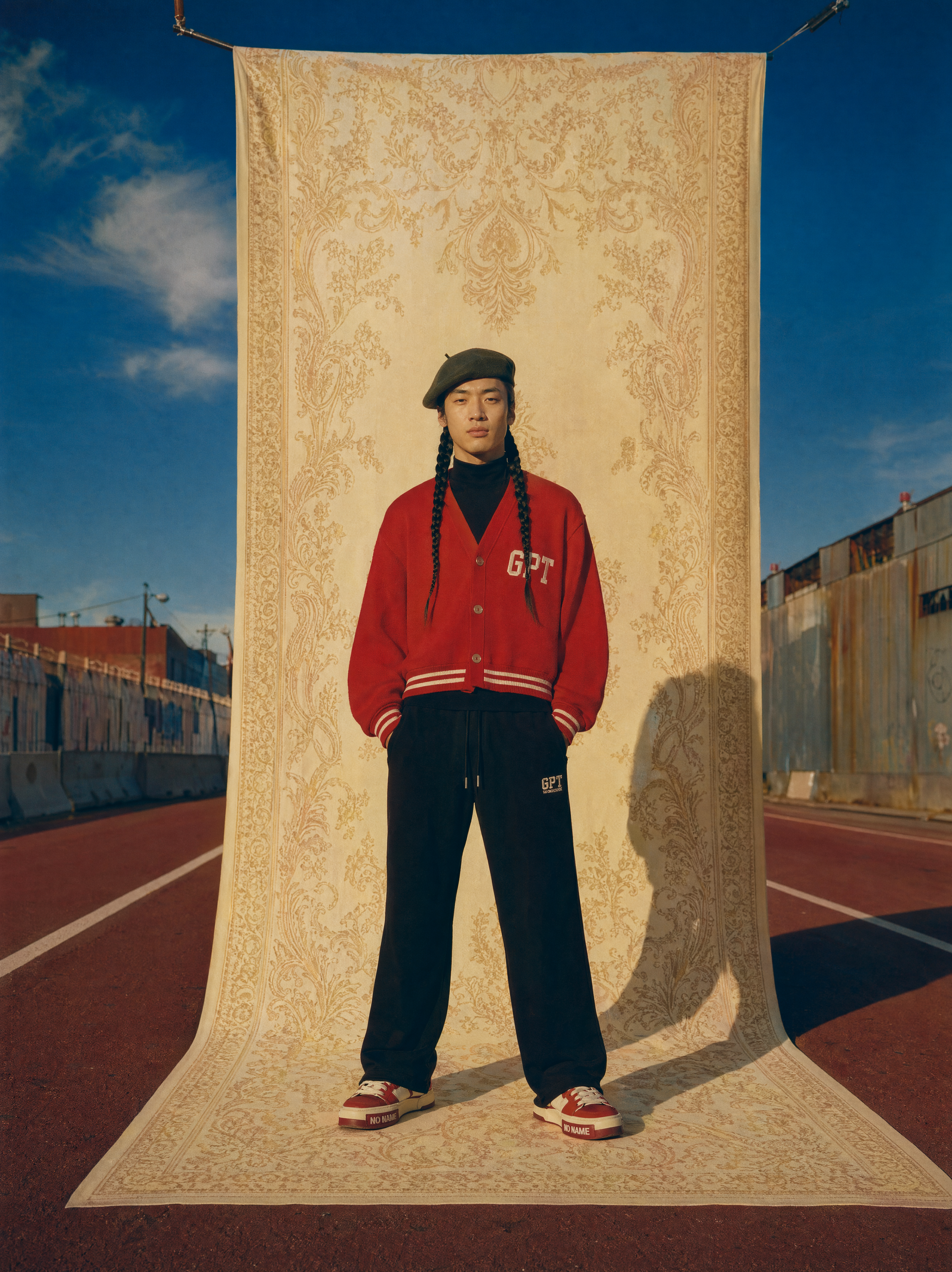
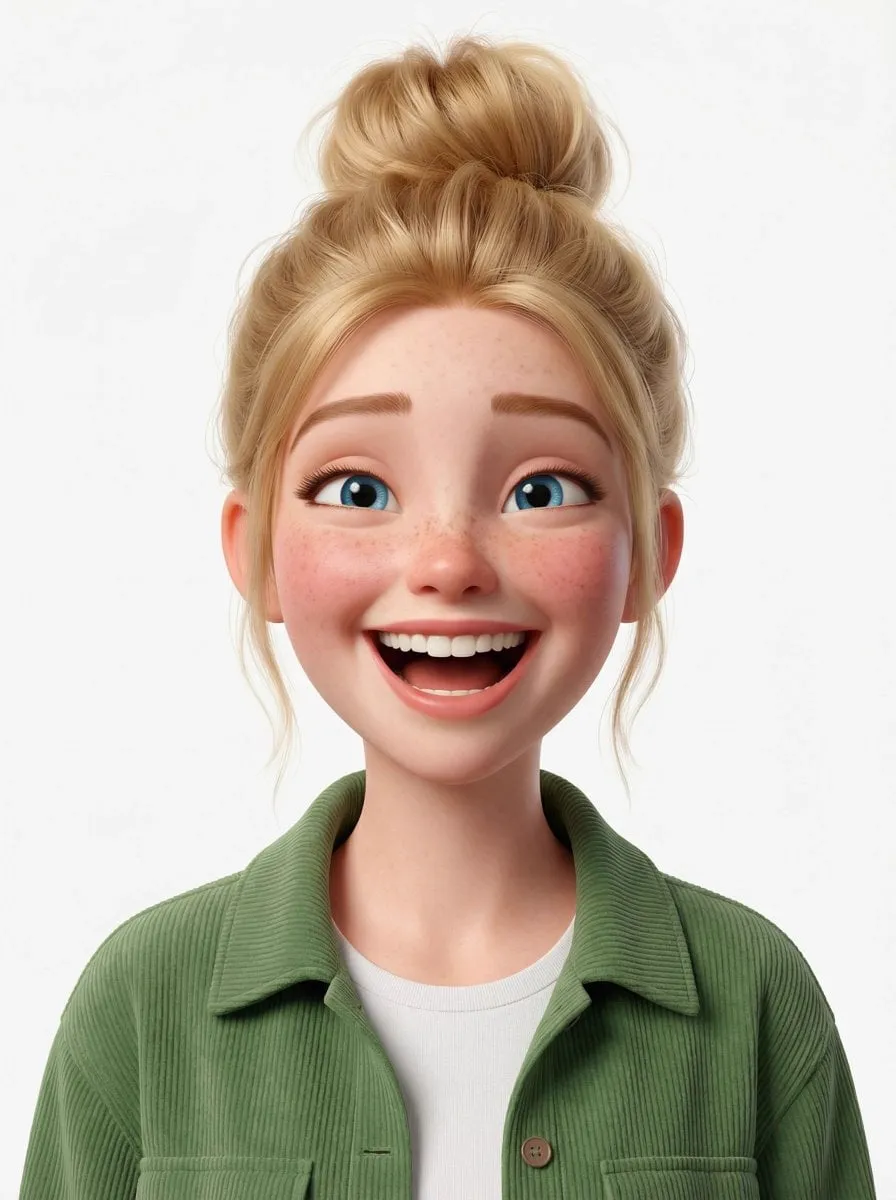
Every film, every commercial, every animated short begins in the same messy place: an idea that has not yet found its shape. Before a camera rolls, a scene must be seen. Directors storyboard, screenwriters draft, and artists sketch, and this whole phase, known as pre-production, is often where the real film is made and where budgets quietly balloon. In recent years artificial intelligence has begun to move into this space, turning storyboards and scenarios from hand-drawn crafts into something that can be generated, iterated, and shared in hours.
This guide looks at how AI storyboarding and scenario generation actually work, what they change for independent filmmakers, studios, and agencies, and how to build a pre-production workflow that uses these tools without losing directorial control.
Why Pre-Production Is the Perfect Place for AI
Pre-production is slow, expensive, and iterative by nature. A director visualises a scene, an artist sketches it, the director asks for changes, and the cycle repeats. When a crew of dozens is waiting on a schedule, every delay compounds. When a script has eighty scenes, each needing multiple boards, the manual effort is enormous.
AI changes the economics of this loop. Instead of waiting hours or days for a new sketch, a director can generate a visual interpretation in minutes, evaluate it, and pivot. The purpose is not to replace the artist but to compress the number of expensive manual passes needed to reach a scene the team is happy with. The early boards settle the discussion; the artist then refines.
A second reason pre-production suits AI is that it is visually driven but not yet committed to final footage. There is no expensive camera, no actors, no set. Everything lives in the realm of representation, which is exactly where generative image models operate. Exploring an idea visually here costs almost nothing compared to exploring it on set.
How AI Storyboards Are Generated
The core of most AI storyboarding tools is text-to-image and image-to-video generation, orchestrated so that a narrative description becomes a sequence of frames. The workflow usually starts with the script or a scene breakdown. Each scene is described in terms of subject, action, framing, lighting, mood, and style. From those descriptions, the system produces boards.
The quality of the boards depends heavily on the structure of the input. Vague prompts produce generic images. Specific, cinematic descriptions produce boards that look like they belong to an actual film. The skill is in writing prompts that encode practical directorial choices: where the camera sits, what is in focus, the colour grade, the performance intention. This is the point where the filmmaker's judgement enters the machine.
Modern tools go beyond single static boards. Using image-to-video models, a board can be animated into a short motion study, showing how the camera moves within the frame. This bridges the gap between a sketch and a rough animatic, letting a director feel the pacing and blocking before any real production asset exists.
Structuring Scenes With Narrative Logic
A strong scenario does more than describe pictures; it organises the story. AI storyboarding tools increasingly understand narrative structure, grouping shots into beats, sequences, and acts, and flagging where the logic of a scene is weak or the coverage is incomplete. This is a step beyond illustration, into something like an automated assistant for narration.
For a writer-director, this is valuable because the tool can surface blind spots. If a scene jumps from a wide shot to a close-up with no establishing staging, the system can suggest a missing intermediate beat. It does not impose the director's vision but helps make it complete and consistent.
Genre and Tone Control
The strongest boards carry a specific tone. A horror scene and a comedy scene demand completely different visual language even when the subject is the same. AI tools support this through style and genre controls that bias the generated frames toward the intended mood: the palette, the lighting, the lens characteristics, the general atmosphere.
Genre-based control lets a director test how a scene reads across alternative tonalities quickly. Would this moment work better as sleek science fiction or as warm, grainy documentary? Being able to see both versions in minutes, before committing, is a genuinely new creative capability.
From Text to Detailed Visual Design
The journey from written scenario to visual design is where AI shows its most practical value. A screenplay provides dialogue and action lines, but the visual plan, camera, wardrobe, set, lighting, is implied. AI can take those implications and make them explicit, generating reference designs for characters, locations, props, and key frames.
This is especially useful for communicating vision to collaborators. A costume designer, a production designer, and a director of photography need to share a concrete picture of what a world looks like. AI-generated concept boards, even imperfect ones, give a whole team a common reference point and reduce the long chain of guesswork and verbal description.
Character and environment consistency, historically the weak point of AI imagery, has also improved. By referencing a fixed set of images, tools can keep the same protagonist, the same setting, and the same costume recognisable across many frames. For a project with returning characters and locations, this consistency is what makes the generated boards usable as more than loose inspiration.
A Practical Workflow for Filmmakers
A pragmatic AI pre-production workflow has a clear set of stages. Start with a written synopsis or scene breakdown, which is still the filmmaker's job. Then generate character and environment references to establish the visual world. Build the boards scene by scene, describing shots with directorial intent. Animate select boards into motion studies where pacing matters. Review against the script for coverage and narrative logic.
Iteration is the heart of the process. The director looks at the boards, identifies what does not match the vision, changes the descriptions or references, and regenerates. Each cycle is fast, so the team converges on a shared vision quickly.
For pitching, AI boards are a powerful asset. An investor or a broadcaster often needs to see the film before financing it. A believably styled sequence of boards, even entirely synthetic and non-final, communicates the vision far better than a treatment document. It is a low-cost way to make a project tangible.
The Role of a Human Director
Nothing in this workflow removes the director. The AI produces candidates; the director decides. The tool can help imagine, but the taste, the narrative judgement, and the final call remain human. The craft is shifting from executing boards by hand to directing a generative system and curating its output.
The most successful practitioners treat the AI as a collaborator that is fast but not wise. It does not know your audience, your budget constraints, or the emotional truth of your story. It produces plausible images, and plausibility is not the same as truth. The director supplies the truth.
This reframing also changes who can direct. A filmmaker with a strong idea and limited resources can now generate boards that look professional enough to pitch and plan. Pre-visualisation, once the province of well-funded studios, becomes accessible to anyone with a clear vision and the willingness to iterate.
Legal and Ethical Considerations
As with any synthetic media, storyboarding by AI raises questions that a professional team should resolve early. The first is authorship and rights. Generated images can resemble the work of existing artists and may incorporate copyrighted styles. For internal planning and pitching this is lower risk, but for assets that ship in a final production, teams should be careful about what is generated and from what reference material.
The second is consent, particularly when boards involve real likenesses or private individuals. Using synthetic images of real people without permission is risky in both reputation and law. The safe default is to use synthetic or clearly fictional subjects unless consent is explicit.
A third concern is disclosure to collaborators and funders. Some investors and distributors want to know how a vision was developed, and full transparency about the use of AI in pre-production avoids misunderstandings later. Openness about process builds trust and keeps expectations aligned.
Common Mistakes to Avoid
The most common mistake is treating AI boards as final art. They are references and communication tools, not finished production frames. A team that builds its expectations on the boards and then discovers the real shoot cannot replicate them will be disappointed. Set expectations about what is idea and what is commitment.
A second mistake is ignoring consistency from the start. Generating a hundred boards without fixing character and environment references produces an incoherent world and wasted effort. Establish the visual bible first.
A third is over-reliance on default prompts. Generic prompts yield generic cinema. The effort that makes AI storyboarding valuable is the effort of the director articulating the specific image and intention. Skipping that effort produces bland boards.
A fourth is neglecting narrative review. A beautiful set of boards that does not tell the story is worse than useless, it is actively misleading. Review boards against the script for pacing, coverage, and logic, not just for beauty.
The Future of Pre-Production
The trajectory is toward tighter integration between script, boards, and motion. Tools will increasingly read a full screenplay and produce a near-continuous animatic, flag pacing problems, and propose alternate staging automatically. Real-time generation may let a director converse with the system, adjusting framing and mood interactively.
For filmmakers, the message is practical and encouraging. The ability to see a film before it is made is becoming cheaper and more powerful every year. The teams that adopt disciplined AI pre-production now gain a decisive advantage in pitching, planning, and rehearsal, because they arrive on set knowing exactly what they are about to shoot.
Choosing the Right Tooling
Not every storyboarding tool suits every project, so matching the tool to the work pays off. Start by defining what you actually need: Is this a quick pitch deck, or a full production reference set that will guide a crew? A lightweight tool may handle the first; a heavier, model-flexible pipeline is better for the second.
Evaluate output quality honestly across the range of shots your film actually uses, not just a flattering demo. Test dialogue scenes, action, close-ups, and wide establishing shots, because tools that excel on one kind of framing often stumble on another. Also consider how well the tool handles multiple languages, since a production glossary or a bilingual crew will need the tooling to keep up.
Model flexibility matters over time. If the tool locks you to a single engine, you are exposed when a newer model produces better boards or lower cost. Prefer tooling that lets you route different scenes to different models and keep a reference pack that survives a switch. Finally, think about collaboration: a director, an artist, and a producer need to work from the same boards and references, so shared, annotatable references are worth more than isolated output.
Collaborating Inside the Pipeline
The most effective AI pre-production is collaborative, and the tools work best when the rest of the team can see and annotate the boards. A shared reference library, where characters, locations, and key frames live in one place, keeps everyone aligned and prevents a costume designer and a cinematographer from silently diverging.
Make annotation a habit. When a board is close but not right, say precisely what is wrong, in the board area, whether it is the framing, the mood, or a detail of the set. Those comments feed the next iteration and make the model correct, and they also give the team a written record of the creative conversation, which is gold when the shoot finally happens.
Frequently Asked Questions
Can AI storyboards replace traditional artists? No. They change the way artists work, compressing early iteration, but the refinement, craft, and final quality still depend on skilled artists. Many teams use AI for exploration and artists for polish.
Are AI-generated boards good enough to pitch? For many projects, yes. Even stylised, non-final boards communicate vision far better than a written treatment and can help secure financing or approvals before a real shoot.
How do I keep a character consistent across many boards? Use fixed reference images and design the visual bible before generating at scale. Consistency tools keep subjects and settings recognisable from scene to scene.
Do I need to be a skilled prompt writer? You need to be a good director. The craft is articulating specific shots and intentions, not memorising prompt tricks. Skills transfer naturally from film language.
Is it legal to use AI boards based on other artists' styles? For internal planning it is common, but using synthetic images that closely resemble a real artist's work in a final production carries rights risk. When in doubt, keep inspired boards internal and commission original work for shipping.
