
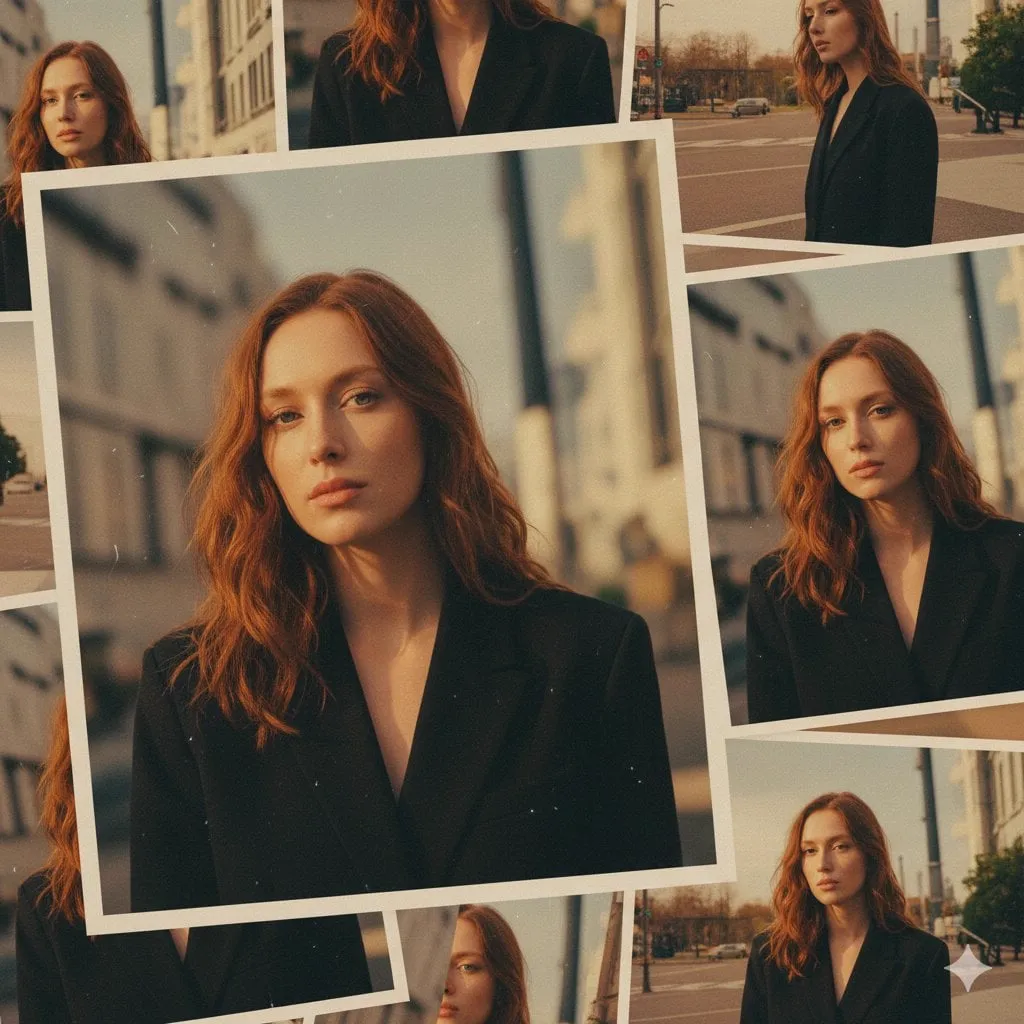
Every viral video starts the same way: as a story that someone believed in before anyone had seen it. The gap between that story and the finished video is where most projects die. Scripts get written, ideas get approved, and then the real work begins: turning words into shots, shots into sequences, and sequences into something an audience actually wants to watch. That translation process, the storyboard, has always been slow, expensive and deeply human. AI is changing exactly that part of the pipeline, and the change is bigger than it looks.
This guide explains how AI-assisted storyboarding works, why it has become the most important step in modern video pre-production, and how you can use it to plan videos that have a real chance of going viral. You will learn the workflow from script to shot list, how to choose the right tools and models for each scene, how to keep characters consistent, and how to avoid the common traps that produce polished-looking but empty content.
Why storyboarding is the real bottleneck in AI video
The market for AI-generated video has grown explosively, yet most creators still struggle with the same problem: generating a single impressive clip is easy, but assembling a coherent story is hard. A one-off shot can be beautiful and meaningless at the same time. What separates professional content from random clips is structure, and structure is decided before a single frame is generated.
Storyboarding is where that structure lives. It is the bridge between the script and the screen, the place where you decide how many shots you need, what each shot shows, how the shots connect, and what the audience should feel at every moment. Traditional storyboarding is a craft: it requires drawing skills, cinematic knowledge, and a lot of time. A detailed storyboard for a three-minute video can take days of an artist's work.
The result is that most creators skip it. They write a script, paste it into a generation tool, and hope for the best. The output looks impressive in isolation, but the sequence feels random, the characters drift, the pacing is off, and the video fails to hold attention. The bottleneck of AI video is not the model, it is the plan. AI storyboarding tools exist precisely to remove that bottleneck: they take a script and produce a visual plan in minutes, giving creators the structure they were skipping.
How AI turns a script into a visual plan
The core capability of an AI storyboarding workflow is narrative analysis. Given a script or even a detailed prompt, the system identifies the key elements of the story: the main characters, the locations, the emotional arc, and the scenes that carry the narrative weight. It then translates those elements into a shot list, a sequence of visual units that together tell the story.
Each shot in the list specifies what should be visible, what the camera should do, and what the scene should communicate. A well-structured shot list is the DNA of the video: it can be executed by any model, refined by any editor, and reviewed by any stakeholder. This is a huge advantage over the improvisational approach, because it separates creative decisions from technical execution.
The visual layer comes next. Instead of describing a scene in words, you can generate a preview image for each shot, a miniature version of what the final frame should look like. These previews turn the abstract plan into something tangible: you can see pacing, composition, lighting and mood before spending any significant time or budget on generation. When previews are reviewed and approved, the shot list becomes a contract between the creative vision and the production pipeline.
The practical workflow looks like this: write the script, run the narrative analysis, review the shot list, adjust scenes that feel weak, generate preview images, review again, and only then move to full production. Every step is cheap and fast, which means you can iterate on the story until it is right, instead of discovering problems after the expensive generation has already happened.
Choosing models and allocating resources in pre-production
Not every shot deserves the same investment. A five-second transition shot does not need the same rendering power as the emotional climax of the story. AI storyboarding helps you make those decisions consciously: each shot can be tagged with its role, and each role can be matched to an appropriate model and resource level.
This is where the concept of resource allocation enters pre-production. The storyboard tells you how many shots you need and what each one requires. You can then choose the right model for the job: a high-end model for the hero shots that define the look of the video, a faster model for the connecting shots where detail is less critical, and specialized models for scenes with specific requirements such as realistic motion or a particular aesthetic.
The budget follows the plan. Instead of spending blindly and hoping the results are good, you allocate resources proportionally to narrative importance. The hero shots get the premium treatment, the filler shots get efficiency, and the total cost stays under control. This is exactly how professional film productions work, and it is now possible for independent creators.
There is also a practical benefit: reviewing the shot list before production forces you to cut. Most scripts contain scenes that do not serve the story, and seeing them in the plan makes that obvious. Every shot you cut before production saves time, money and attention. The storyboard is not just a plan; it is a filter.
From storyboard to final render: the handoff
The moment the storyboard is approved, the production phase begins. This is where the plan pays for itself. Each shot in the list is executed according to its specification: the description, the camera direction, the style reference, the keyframes if they exist. Because the decisions were made in advance, execution becomes a series of well-defined tasks instead of a creative scramble.
The first renderings are rarely perfect. The key is to use the storyboard as the reference point for iteration: when a shot does not match the plan, you know exactly what to adjust, the description, the reference images, the model choice, or the keyframes. Without a plan, every failed generation sends you back to the beginning with no clear direction. With a plan, every iteration moves you closer to the target.
Once the individual shots are rendered, the assembly phase begins: ordering the shots, adjusting timing, adding transitions, integrating audio, and applying color correction for consistency. The storyboard also serves as the editing script: the pacing was designed on paper, and the editor's job is to realize that pacing, not to invent it.
The final review compares the rendered video against the storyboard shot by shot. Discrepancies are caught and fixed while they are still cheap to fix. This discipline is the difference between a video that looks assembled and a video that looks directed.
Keeping characters consistent across shots
The oldest problem in AI video is character drift: the protagonist changes face, clothes or body language from one shot to the next, and the illusion of a continuous story collapses. Audiences may not articulate it, but they feel it. A video with inconsistent characters reads as amateur, no matter how good the individual frames are.
Modern workflows solve this with reference images. Before production, you define each character with one or more reference images that capture their essential visual identity: facial structure, hairstyle, clothing, distinctive details. Those references are attached to every shot involving that character, so the model has a stable anchor across the entire sequence.
Keyframes extend the same logic to movement and composition. A keyframe at the start of a shot defines the initial state; a keyframe at the end defines the final state; the model generates the motion between them. This gives you control over camera movement, subject position and scene evolution that pure text prompts cannot provide.
The combination of character references and keyframes is what makes multi-scene narratives possible. You can follow a character through different locations, different lighting, different emotional states, and still recognize them as the same person. For viral content, where viewers often watch on mute and judge in the first second, this visual continuity is not a luxury; it is the difference between being watched and being scrolled past.
Planning sound and audio in the storyboard
Sound is half of the video, but it is the half that most AI workflows ignore until the end. The storyboard is the right place to plan it, because audio needs are determined by the structure of the story.
Each shot can be tagged with its audio requirement: dialogue, music, sound effects, silence. A scene with dialogue needs clean visual space for the speaker and room for subtitles. A montage needs music with the right tempo and emotional tone. A dramatic beat needs silence or a single sound effect to land. These decisions belong in the plan, not in the edit.
Modern platforms increasingly integrate audio generation with video production: voice-over narration, music, and sound effects can be generated from descriptions that match the visual content. Planning audio in the storyboard means you can generate the audio track in parallel with the visuals, and assemble them together instead of scrambling at the end.
The audience experience is built from the combination of image and sound. A storyboard that includes audio direction produces videos that feel complete, even when the visuals are simple. This is especially important for short-form content, where the first three seconds determine whether anyone watches at all, and sound is a major factor in that decision.
Designing for viral potential
A storyboard is also a tool for thinking about the audience. Viral videos follow patterns, and those patterns can be planned: a strong hook in the first seconds, escalating tension, a payoff that rewards watching to the end, and an emotional or humorous core that makes people want to share.
The hook is the most important element. In the storyboard phase, you can design the first shot to be as attention-grabbing as possible: an unusual image, a surprising action, a visual question that demands an answer. Testing hook variations with preview images is cheap; testing them after production is not.
The payoff is the second most important element. A video that builds tension without releasing it frustrates viewers; a video that releases it too early loses the momentum. The storyboard lets you design the escalation curve consciously: where the tension rises, where it peaks, and how the payoff lands.
Shareability comes from emotion and identity. People share videos that make them feel something or that say something about who they are. The storyboard phase is where you check the story against this standard: would someone share this, and why? If you cannot answer, the story needs work before a single frame is generated.
Solving complex scene challenges
Some scenes are simply hard: explosions, crowd movements, complex interactions, unusual perspectives. AI models handle these unpredictably, and a single failed generation can waste significant time. The storyboard is the place to plan for difficulty.
For complex scenes, break them down into smaller units. A scene that looks like one continuous action is often a sequence of simpler shots: the setup, the action, the reaction, the aftermath. Planning these separately makes each one easier to generate and easier to fix. The final assembly creates the impression of a single continuous moment.
Time-series consistency is a specific challenge: scenes where the same environment or character must remain stable over an extended sequence. The solution is the same as for characters: references and keyframes, applied to environments and props. A city street, a vehicle, a distinctive object can all be anchored with reference images so they stay recognizable across shots.
Motion control is another area where planning beats improvisation. Deciding in advance whether a shot uses a static camera, a tracking shot, a zoom or a handheld feel lets you communicate the camera direction precisely in each generation. The result is a video where the camera language is coherent, and the audience feels the direction even if they cannot name it.
FAQ
Do I need to know how to draw to storyboard with AI? No. The storyboard is generated from your script and descriptions. Your job is to review and direct: decide what belongs, what is missing, and what feels weak. The tool handles the visual draft.
How long does the storyboard phase take? A few minutes for the first draft, then as long as you want to spend refining. The point is that it is dramatically faster than manual storyboarding, which gives you time to actually use it instead of skipping it.
What if my video has no script yet? Start with a treatment: a paragraph describing the story, the mood and the key moments. The storyboard workflow can work from a detailed treatment almost as well as from a full script.
How many shots should a viral video have? It depends on the platform and the story, but short-form videos typically range from a handful to a few dozen shots. The right number is the one that serves the pacing: enough to keep interest, few enough to maintain coherence.
Can the storyboard be reused? Yes, and it should be. Approved storyboards become a library: characters, locations, camera setups and style decisions can be reused across videos, building a consistent visual identity and speeding up every future production.
Conclusion
The storyboarding revolution is not about drawing; it is about thinking. AI has made it possible to plan a video with the same rigor that used to require an art department, and to do it in minutes. The creators who benefit are not necessarily the most artistic or the most technical; they are the ones who use the plan to make decisions before spending their budget.
The workflow is simple: write the story, generate the plan, review the shots, allocate resources, produce with references and keyframes, and assemble with the plan as your guide. Every step is cheap and fast, which means the quality ceiling is set by your judgment, not by your tools. Start with your next video, and let the storyboard tell you what you were missing.
