
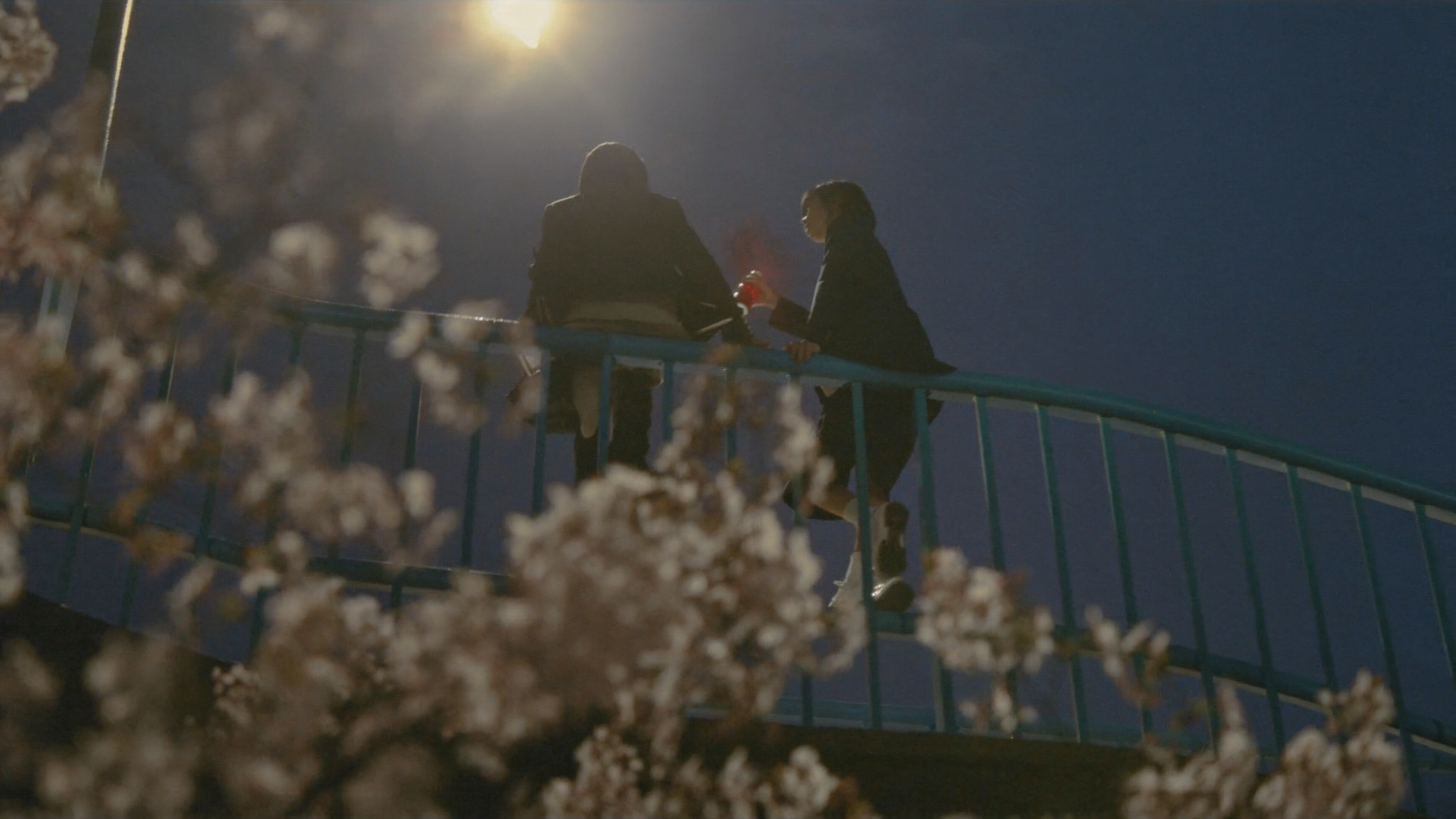
For most of film history, a cinematic vision was something you could only realize if you had a studio behind you. Cameras, crews, locations, post-production suites: the machinery of cinema was expensive, and the people who controlled it decided what got made. That wall has been crumbling for years, but the tools now available to independent creators are accelerating the process to the point where a single person with a laptop can move from idea to finished short film in days instead of months.
This article is about how to think about AI-assisted storytelling as a director would, not just as a tool user. We will walk through the entire creative chain: developing the story, planning scenes, maintaining visual consistency, directing the camera, shaping sound, and finally assembling a project that feels deliberate rather than generated. The goal is to help you build a repeatable workflow where the technology serves the story instead of the other way around.
Why storytelling still matters when machines generate images
The most common mistake in AI-assisted production is leading with the tool. You open a generator, type a prompt, get a beautiful image, and then try to build a story around whatever happened to come out. That approach produces content that looks impressive for three seconds and is forgotten immediately, because it has no spine.
Stories are built on intention. A character wants something, faces obstacles, and changes as a result. That structure existed long before cinema, and it applies whether your protagonist is a live actor, an animated figure, or a voice-over narrator. Before you generate a single frame, you should be able to answer three questions: What does the protagonist want? What stands in the way? What changes by the end?
AI tools compress the execution phase of filmmaking enormously. They do not compress the thinking phase. If anything, they make thinking more important, because the cost of generating the wrong thing is no longer a barrier that filters out weak ideas. The barrier now is your ability to know what you want.
From logline to script: working with a language model as a writing partner
The logline is the one-sentence version of your story. It is the test that tells you whether your idea is strong enough to survive production. A good logline is specific: it names a protagonist, a conflict, and a stake. "A chef loses her sense of taste and must cook the meal that saves her family's restaurant" is a logline. "A story about food and family" is not.
Language models are excellent at this phase, provided you treat them as a partner rather than an oracle. Start by writing your rough idea, then ask for ten variations of the logline. Read them out loud. Notice which ones make you want to know what happens next. Then pick one and push further: ask for a character profile, a scene-by-scene outline, dialogue drafts for key moments.
The key discipline is to keep rejecting generic output. A model will happily produce "protagonist faces inner conflict and overcomes it" because that is the average of all stories it has seen. Your job is to push for the specific: what inner conflict, what concrete obstacle, what sensory detail makes this story distinct. Every time you accept a vague sentence, you are building a foundation for a vague film.
Scene planning: the shot list as a creative instrument
Once the script is stable, the next step is translating words into images. This is where directors earn their keep, and where AI tools reward careful planning. The shot list is your instrument: a table of every shot in the film, with its framing, movement, and purpose.
For each scene, decide on the emotional beat first. Then choose the framing that serves it. A close-up creates intimacy and pressure. A wide shot establishes context and isolation. A slow push-in signals that something important is happening; a slow pull-back signals release. These choices are language, and the audience reads them even when they cannot name them.
When you move to generation, describe each shot with the precision of a director's note: "Medium close-up, eye level, soft window light from the left, character looks down before speaking, shallow depth of field, muted teal and amber palette." The more specific the description, the more control you have over the result. Generic prompts yield generic frames, and generic frames cannot carry a story.
Maintaining character and world consistency
The single biggest technical problem in AI-assisted narrative work is consistency. A character who looks slightly different in every scene breaks the illusion faster than any acting weakness. The audience's brain tracks faces with remarkable precision, and the moment the nose changes shape, the connection snaps.
Modern tools attack this problem with several mechanisms. Reference images are the most direct: you provide a still of your character, and the model works to preserve that appearance across shots. Multi-image fusion takes this further, combining several references so the character can be seen from different angles and in different lighting while remaining recognizable. Keyframe control lets you lock the most important moments and generate the transitions between them.
Your responsibility is to use these mechanisms deliberately. Decide on the character's look before you start: build a reference sheet with the face, wardrobe, and palette written down in detail. Use the same descriptors in every prompt. Check the character in early shots before generating the whole scene. Consistency is not a filter you apply at the end; it is a discipline you practice at every step.
The same logic applies to the world. If your film takes place in a rain-soaked cyberpunk district, every shot should agree on the palette, the weather, and the level of neon. Small contradictions that would go unnoticed in a photo essay become glaring in a sequence, because the audience is building a mental model of the world and will catch violations of it.
Directing the camera with an AI agent
A fascinating development in recent tools is the emergence of AI agents that act as assistant directors: they take a scene description and propose camera angles, lighting setups, and staging. These agents are useful not because they replace your judgment, but because they make the range of directorial choices visible.
When an assistant suggests a low-angle shot to make a character feel powerful, you can accept it, modify it, or reject it in favor of a different intent. The value is the vocabulary it gives you. You may know that a scene should feel tense without knowing exactly which lens conveys tension; the agent offers candidates, and your taste does the final selection.
Use these suggestions as a forcing function for specificity. If the agent proposes a shot you dislike, ask yourself why. The answer will often clarify what the scene is actually about, and that clarity will improve the next prompt you write.
Sound design and the emotional layer
Sound is where many AI-assisted filmmakers lose their audience without realizing it. A visually stunning sequence with flat, generic music feels like a demo reel, not a film. Sound is not the garnish on the picture; it is half of the experience, and in some scenes it is the entire experience.
Plan your sound track early. Decide the emotional arc of the music: where it is quiet, where it builds, where it drops out entirely. Silence is a powerful tool, and it is the one sound-design choice that costs nothing. A scene where the music stops just before a key line of dialogue will land harder than any crescendo.
Voice is equally important. Whether you record your own narration, hire a voice actor, or use synthesized speech, the delivery carries the emotional subtext of the script. When using synthesized voices, pay attention to pacing and pauses; a breath before an important word can make the difference between a line that lands and a line that washes by.
Assembling the edit: rhythm and meaning
Editing is where the film actually gets made. The same footage can produce a tense thriller or a gentle meditation depending on how it is cut, and this is the phase where AI assistance is still best paired with human judgment.
Work from a rough assembly first. Put all your shots in order, no music, no polish, and watch the whole thing. Notice where you get bored, where you feel confused, where the rhythm drags. Those moments are not errors to be hidden; they are information about what the story needs.
Then cut to the rhythm you want. A fast, hard cut works for action and urgency; longer takes build atmosphere and trust. Match cuts to the music where it helps, but do not let the beat dictate every decision. The edit should serve the story's emotional logic, not the metronome.
Reviewing with fresh eyes
Every filmmaker knows the feeling of watching their own cut a hundred times until it stops making sense. The solution is distance, and AI can help you create it. Export a version and watch it in a different context: on your phone, on a small screen, with the sound off. The changes in context will surface problems you have stopped seeing.
Ask specific questions on each pass. Is the protagonist's goal clear in the first minute? Is there a moment where the audience will be lost? Is the ending earned, or does it arrive because the runtime ran out? A checklist like this is more useful than a vague feeling that something is wrong.
You can also use a language model as a note-taker: describe the film scene by scene, and ask what an audience might be confused about at each point. The answers will often be predictable, but occasionally they will catch a real gap that your familiarity has blinded you to.
Distribution and the feedback loop
A finished film that nobody sees teaches you nothing. Distribution is the second half of the creative process, because the audience's reaction is the raw material for your next project. Put your work where the audience for that kind of story actually lives, and pay attention to what holds their attention.
Short-form platforms reward the first three seconds; feature platforms reward the first three minutes; festivals and communities reward the first three beats. Study the retention data if it is available, and let it inform your next edit and your next script. The feedback loop between making and watching is how taste develops.
Common pitfalls and how to avoid them
The most common failure mode is overproduction: more shots, more effects, more music, more everything, in the belief that density equals quality. The opposite is usually true. Restraint signals confidence, and audiences respond to confidence.
The second failure mode is prompt dependency: writing prompts that are really just descriptions of what the model tends to produce, rather than what the story needs. Keep the story document beside you while you work and test every prompt against it.
The third failure mode is consistency neglect: generating scene after scene without checking continuity until the assembly reveals that the character changed appearance four times. Build continuity checks into your workflow at the shot level, not the edit level.
FAQ
Do I need to know how to draw or operate a camera?
No, but you need to develop visual judgment. You learn it the same way directors always have: by watching films with attention, by studying why shots are composed the way they are, and by reviewing your own output critically. The tool removes the mechanical barrier; taste remains a skill you build.
How long does a short film take with this workflow?
For a three-minute piece with a clear script and a disciplined shot list, a first-time creator should budget a few focused days: one for script and planning, one or two for generation, one for sound and edit. Each subsequent project gets faster as you build reusable references and styles.
Is AI-assisted storytelling only for animation?
No. The same workflow applies to live-action-style footage, documentary essay formats, product films, and music videos. The techniques for consistency, shot planning, and sound design are medium-independent.
Will this replace traditional filmmaking?
It will not replace it; it will redistribute it. The crafts of cinematography, editing, and sound design still matter enormously, but the economic barrier to entry is falling. More people will be able to make films, which means the ones that succeed will be the ones with strong stories and clear intentions.
Conclusion
AI-assisted storytelling is not about pressing a button and receiving a film. It is about compressing the production pipeline so that the creative decisions become the entire job. The directors who thrive in this environment will be the ones who treat the tools as a fast, cheap camera crew and themselves as the mind behind the camera.
Start with a logline that means something to you. Build a shot list before you generate anything. Protect your character and world consistency from the first frame. Let sound carry half the emotion. Cut for meaning, not for density. And then put the work in front of an audience, because the loop only closes when someone watches.
The equipment has never been more accessible. The vision is still yours.
