
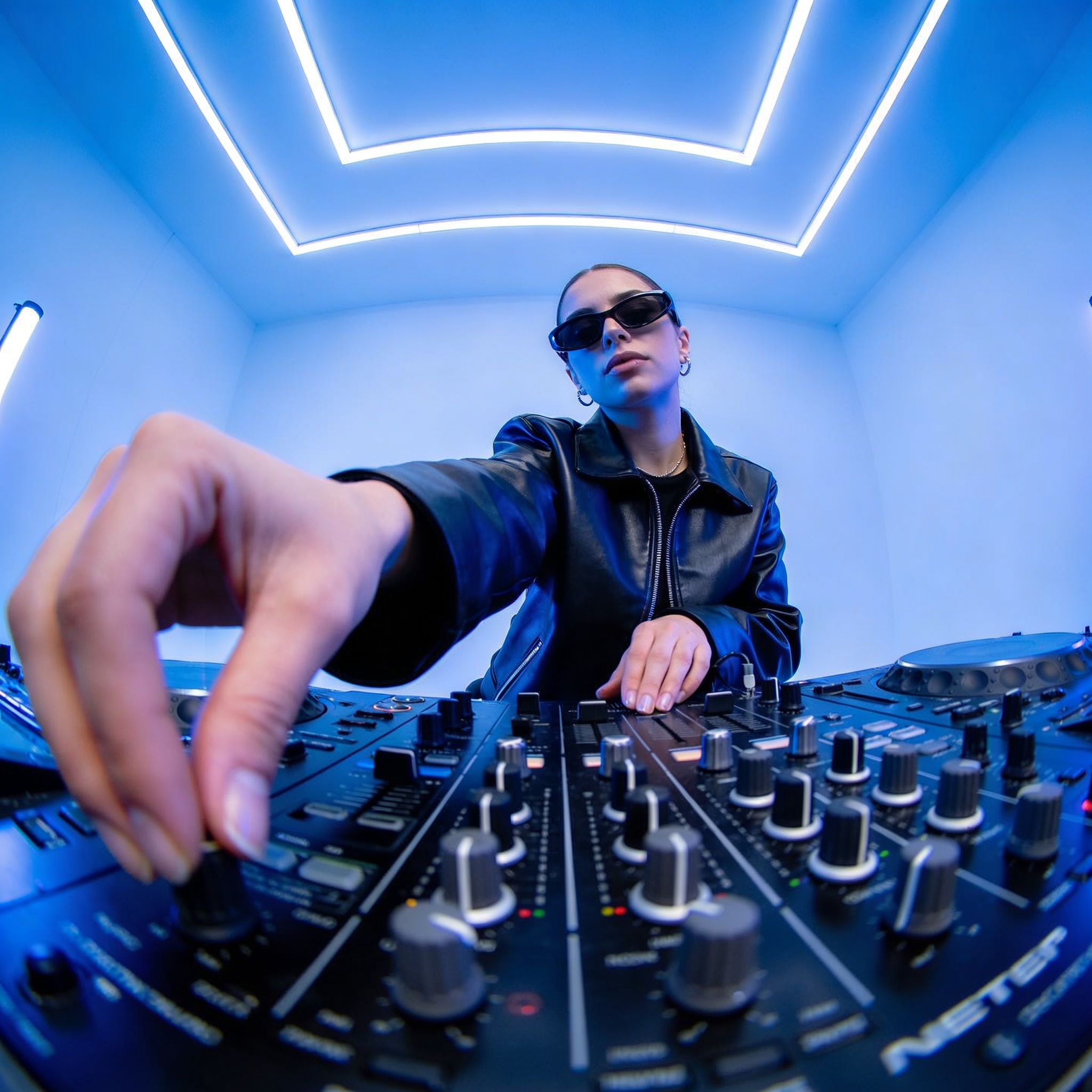
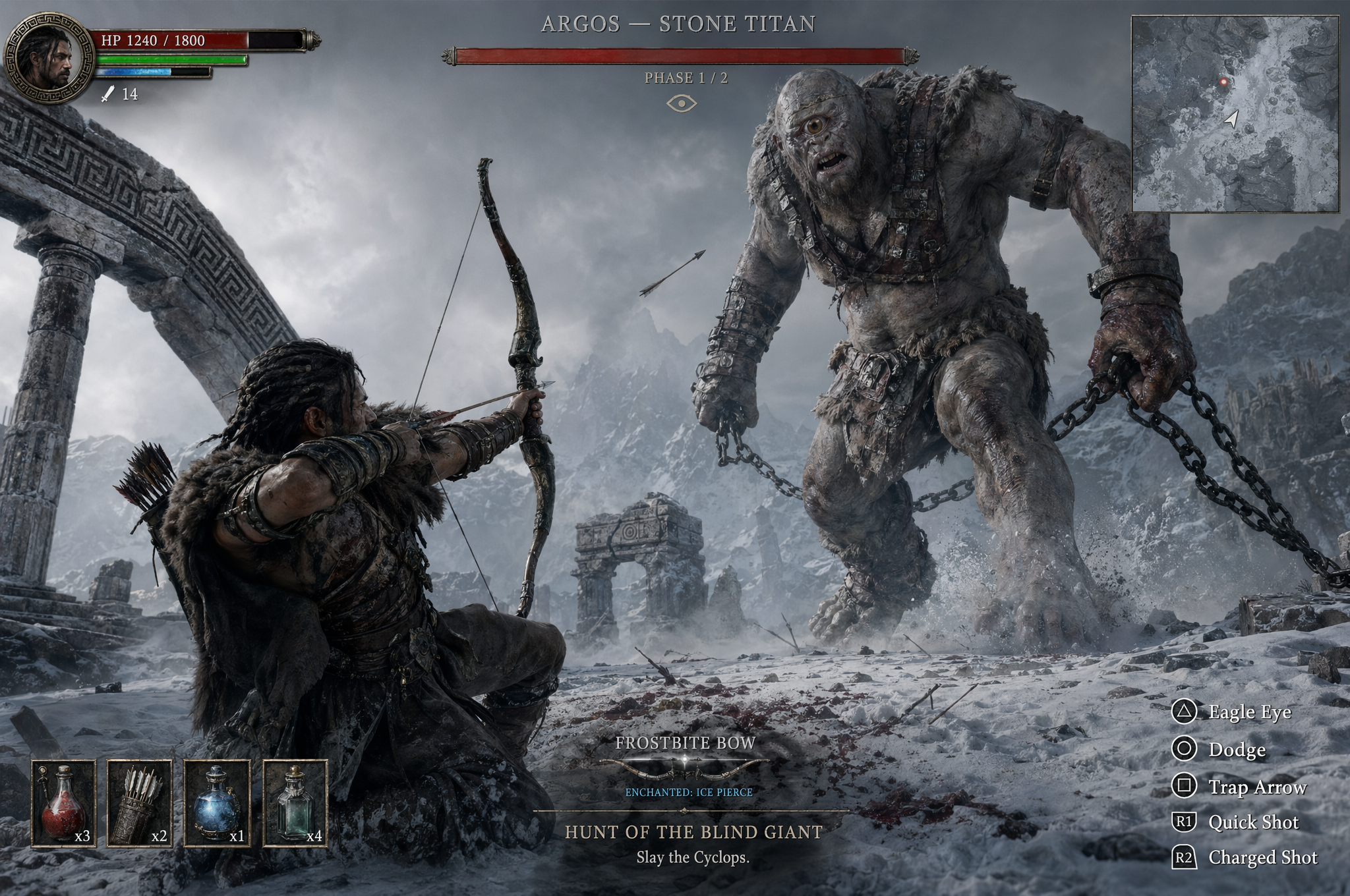
Every filmmaker knows the feeling: the script reads brilliantly, the idea is clear in your head, and then the shooting day arrives — and the images on the monitor look nothing like the movie you imagined. The gap between a strong idea and a strong sequence of shots is the oldest problem in cinema, and it is precisely the problem that pre-production was designed to solve. In recent years, AI-assisted storyboarding tools have begun to close that gap dramatically. This guide explains how modern AI assistants help you move from narrative intent to concrete shot design, and how to build a workflow that makes your films better without giving up creative control.
Why Pre-Production Still Decides the Final Film
The temptation to skip planning is understandable. Camera equipment is cheap to rent, editing software is powerful, and AI can generate images on demand. But the films that feel intentional — the ones where every frame seems to have a reason — are almost always the ones that were planned shot by shot before a single scene was produced.
Pre-production is where you answer the questions that are hardest to answer later: What is this story really about? Where does the tension peak? Which moments need close-ups, and which need wide establishing shots? What does the protagonist's world look like in warm light versus cold light? If you answer these questions before production, every subsequent decision becomes easier. If you skip them, you will discover the answers through expensive reshoots and re-edits.
AI storyboarding does not replace this thinking. It accelerates it. Instead of describing a scene in vague terms and hoping the cinematographer guesses correctly, you can translate narrative intentions into explicit shot parameters — camera angle, lens, movement, lighting, color — and test them visually before production begins.
From Core Message to Emotional Map
Good shot design starts with the emotional map of the story, not with the camera. Before deciding how to frame a scene, you need to know what the audience should feel at each beat: tension rising, relief, mystery, dread, joy. An AI assistant can help you break a script into narrative beats and assign each beat an emotional target.
A practical way to do this is to list every scene in a spreadsheet, then add three columns: the information the scene delivers, the emotion the scene should provoke, and the intensity level on a scale of one to ten. Once that map exists, every shot decision becomes a question of serving the emotion. A quiet confrontation between two characters needs static frames, shallow depth of field, and slow cutting. A chase needs movement, dynamic angles, and fast pacing.
The key insight is that the emotional map should be created before you think about visuals at all. When you describe a scene as "mysterious," the shot language that follows will be very different than if you describe it as "chaotic." AI tools that let you annotate scripts with emotional beats make this discipline easy to maintain, and they keep the whole team aligned on what each scene is really for.
Turning Abstract Ideas into Concrete Shot Parameters
The phrase every director hates to hear from an assistant is "make it look epic." It sounds like direction, but it is actually a wish. A useful AI storyboarding workflow forces you to translate wishes into parameters: What focal length? What height relative to the subject's eyes? How much camera movement, and in which direction? What is the light source, and what is its color temperature?
Here is a concrete example. Instead of writing "an epic shot of the hero walking toward the city," you write:
- Wide shot, 24mm lens, low angle at knee height
- Slow dolly forward with a slight lateral drift
- Backlit by late golden sun, warm key light, deep shadows on the face
- Background city skyline compressed by a long lens feel
The difference matters because AI video generation is prompt-driven. The more specific your shot parameters, the more predictable the output. The same discipline applies to human crews: a director who can say "40mm, eye level, motivated by the window light" will get exactly the frame they want, while a director who says "make it feel epic" will get whatever the cinematographer guesses.
To make this repeatable, build a shot vocabulary: a shared glossary of lenses, angles, movements, and lighting setups that your team uses consistently. The AI assistant then becomes the translator between your creative intent and this vocabulary, so that "tension rising" reliably produces "tighter framing, handheld movement, colder color."
Maintaining Visual Consistency Across Scenes
Consistency is the invisible craft of cinema. Audiences rarely notice when a film's color palette is coherent, but they immediately feel it when it is not. The same character photographed in different locations, at different times of day, in different weather, must still feel like the same person in the same world.
For AI-generated content, consistency is the hardest problem, because each generation can drift in subtle ways: the protagonist's face changes slightly, the wardrobe colors shift, the lighting model changes. The most effective solution is to establish visual anchors early. Create a character reference sheet — a set of images that define the face, hair, wardrobe, and key props — and use it as input for every scene involving that character. The same goes for environments: keep a location reference set that fixes the architecture, the color palette, and the dominant light sources.
Modern AI platforms support multi-image reference workflows precisely for this reason. When you generate a new scene, you supply both the reference images and the shot parameters, and the model uses the references to keep identity stable. If the platform you use does not support reference images, build the consistency yourself through style prompts: repeat the same lighting, color, and lens keywords in every scene description.
This discipline pays off most in long-form projects. A ten-scene short film with consistent characters is worth more to an audience than ten beautiful but disconnected clips.
Camera Angles and Perspective as Story Grammar
Cinematographers sometimes say the camera position is the director's opinion about the character. A low angle makes a character powerful; a high angle makes them vulnerable; an eye-level shot treats them as an equal. Choosing the right angle for each beat is a large part of what makes a film feel directed rather than merely recorded.
Build your scenes with an angle strategy: decide for each character in each scene whether the camera looks up, down, or straight at them, and why. The "why" is what separates deliberate work from accidents. In a negotiation scene, for example, you might shoot the character who holds power from a low angle and the character who is losing ground from a high angle, then swap the angles at the turning point of the scene. Audiences absorb these signals subconsciously, which is exactly why they work.
Perspective and lens choice interact with angle. A wide lens exaggerates distance and makes spaces feel larger; a long lens compresses distance and makes crowds feel denser. The combination of angle and focal length is a complete sentence: "low angle plus wide lens" says power and space, while "high angle plus long lens" says isolation and surveillance.
Camera Movement and Dynamic Shots
Movement is emotion in time. A static frame suggests stability or tension; a slow push-in builds intimacy or threat; a whip pan communicates urgency; a handheld shot brings nervous energy. The mistake most beginners make is moving the camera because movement looks impressive, rather than because the scene needs it.
Define movement in terms of motivation. A dolly-in is motivated when the character is about to make a decision. A tracking shot is motivated when the character is moving through a space and the audience needs to see what they see. A zoom is motivated when attention must be forced onto a detail. When movement has a motivation, the edit has a logic: you cut on the movement, you match it to the emotional beat, and you never waste a shot.
For AI-assisted production, specify movement in the prompt with the same precision as angles: "slow push-in," "handheld following shot," "aerial pull-back," "orbit around subject." Many generators handle movement descriptions well when they are simple and physical. If you need complex choreography — a camera that moves through a window and then tracks a character across a room — plan it as a sequence of simpler shots and stitch them together, rather than expecting one generation to get it right.
Lighting and Color as Narrative Instruments
Light is the cheapest special effect in cinema, and the most powerful. A scene lit with hard, high-contrast light says something completely different than the same scene lit with soft, diffused light. Color carries the same weight: warm palettes feel nostalgic and intimate, cold palettes feel clinical and alien, and a single shift in color temperature can signal a change in a character's emotional state.
When you plan shots, plan the light before you plan the composition. Decide the key light source, its direction, its hardness, and its color. Then decide the mood of the palette: desaturated and muted, saturated and vibrant, or something in between. These two decisions create the look of the film, and they should be consistent across scenes unless the inconsistency itself is the point.
In AI workflows, lighting and color are the easiest parameters to control through language. Describe the light as you would to a cinematographer: "soft window light from the left," "neon blue practicals in the background," "golden hour backlight with deep shadows." Keep a palette reference image for the whole project and reuse it across scenes to avoid drift.
A Practical Storyboarding Workflow
Here is a workflow that combines human judgment with AI speed:
- Break the script into beats and build the emotional map.
- Write a one-line shot list for every scene: what the audience sees, and what they should feel.
- For each shot, define the concrete parameters: angle, lens, movement, lighting, color.
- Generate a storyboard frame for each shot using an AI image or video tool, feeding character and location references.
- Review the storyboard as a sequence, not as individual images. The storyboard is a rough cut of your film on paper.
- Revise the weakest beats. This is where AI shines: regenerating a shot costs minutes, not a reshoot day.
- Lock the storyboard and use it as the production bible for the shoot or the generation session.
Most directors who adopt this workflow report that the time spent in step 5 and 6 saves ten times that amount in production and editing.
Common Pitfalls and How to Avoid Them
The first pitfall is prompt greed: trying to describe an entire film in one generation. Break everything into single shots with limited scope. The second is reference drift: changing the reference images mid-project and wondering why the character changed. Lock your references before production and change them only with a deliberate decision. The third is over-relying on the tool: if the AI suggests an angle that contradicts your emotional map, trust the map. The tool is an amplifier of your judgment, not a replacement for it.
Frequently Asked Questions
Do I still need a storyboard artist if I use AI? For live-action work, yes — hand-drawn or digital storyboards have a clarity and speed that AI still cannot match for complex blocking. Use AI for iteration and for generating multiple visual options, and use the artist for the final locked boards.
Which tools should I start with? Begin with whatever you already use for image generation, and add a storyboarding layer: script annotation, shot lists, and reference management. The tool matters less than the discipline of writing concrete shot parameters.
How do I keep AI-generated characters consistent across a series? Build a reference sheet and reuse it in every generation; keep a written style guide; and review every new scene against the established frames before accepting it.
Is this workflow only for AI films? No. Every element here — emotional maps, shot parameters, reference sheets, consistency rules — applies directly to live-action production. The tools just make the planning phase faster and more visual.
Final Thoughts
The director's job has always been to make decisions before anyone else knows the questions. AI storyboarding does not change that job; it changes the speed at which you can test your decisions. The filmmakers who benefit most are the ones who bring a clear emotional map, a precise shot vocabulary, and the discipline to plan before they produce. If you start with the story, the shots will follow — and the AI will help you see them before you ever turn on a camera.
