
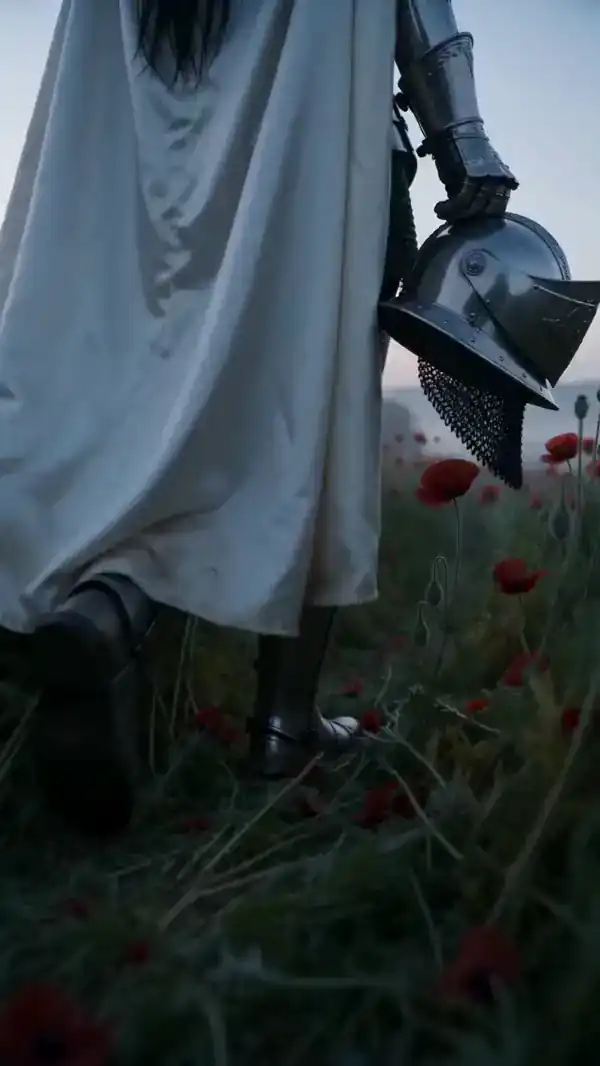
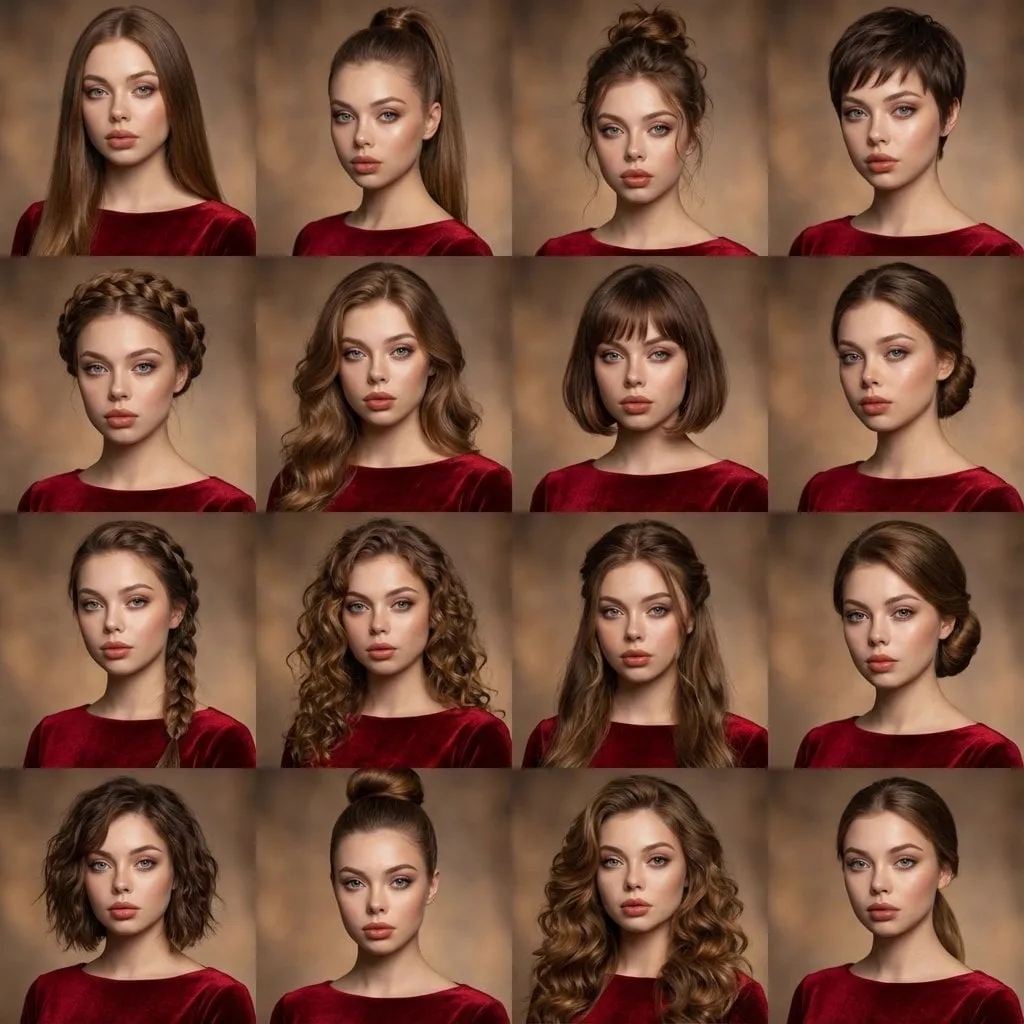
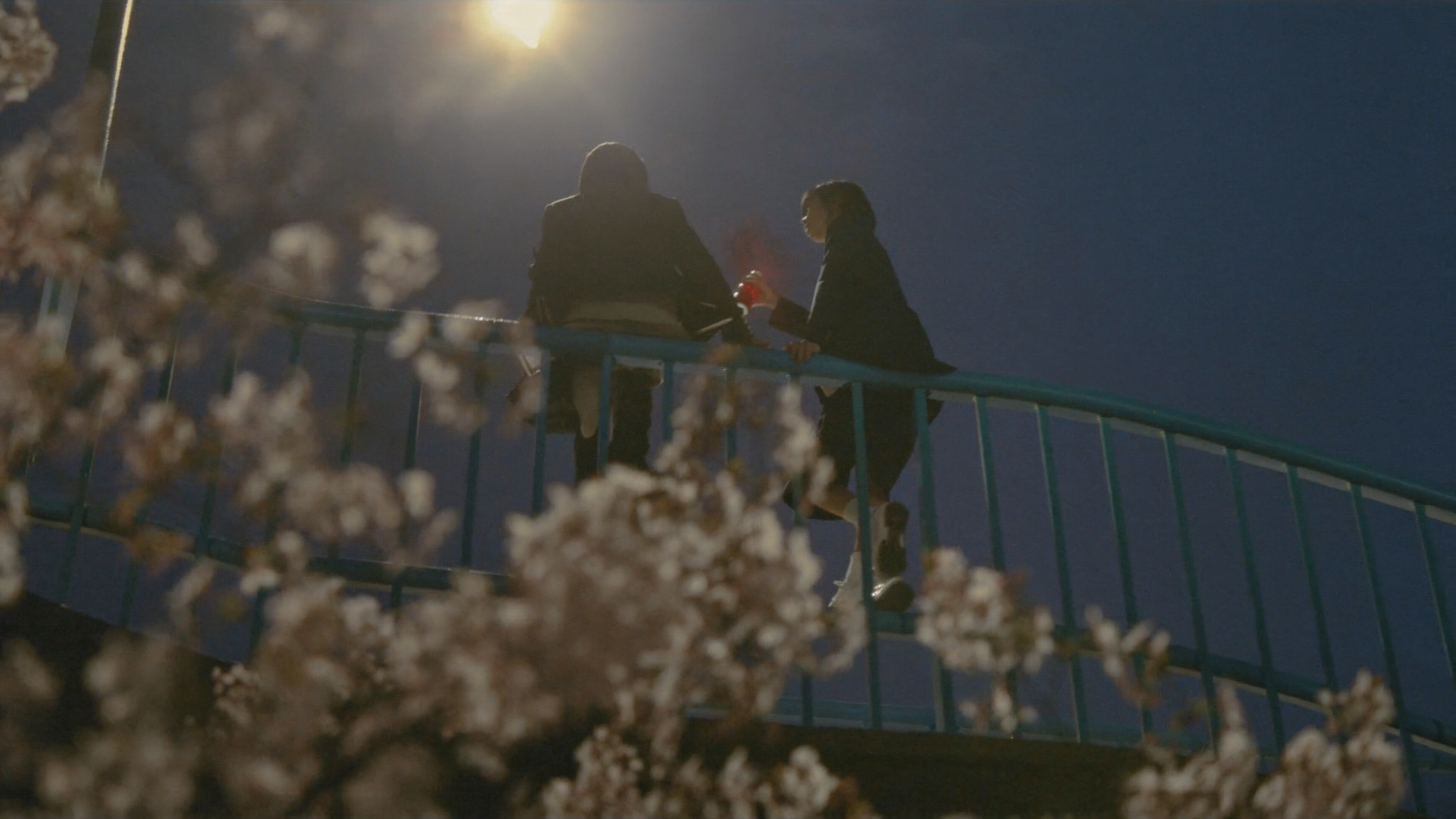
Text-to-video has crossed the line from demo to daily driver. In 2026, creators, agencies, and in-house marketing teams routinely generate finished-looking clips from a written prompt, and the quality gap between generated footage and traditional stock footage keeps shrinking. The hard part is no longer whether AI video is usable; it is choosing the right model for the job. The landscape is crowded, every provider claims to be the best, and the differences between models show up in exactly the places that matter: motion realism, character consistency, prompt obedience, and output length. This guide maps the current field, explains how the major models differ, and gives you a decision framework you can reuse as new versions ship.
Why Text-to-Video Became a Core Production Tool
The market for AI-generated video has grown faster than almost any other content tool category. The reason is simple economics: traditional video production requires cameras, sets, talent, and editing time, while a text-to-video model turns a paragraph into moving images in minutes. That speed changes what is possible. A brand can test five ad concepts in an afternoon, a course creator can illustrate concepts that would be impossible to film, and an indie filmmaker can pre-visualize an entire scene before spending a single dollar on location. None of this replaces skilled editors or cinematographers, but it removes the cost barrier that used to keep most small teams out of video entirely.
The Major Model Families in 2026
Runway: The Cinematic Control Specialist
The Runway lineup, including the Gen series, built its reputation on two things: filmic realism and precise control. Runway models handle camera movement well, respond to detailed prompts about lens, lighting, and composition, and produce output that feels closer to a real shoot than to a render. It is a strong default choice when you need dramatic, high-production-feel footage and you are willing to spend time iterating on the prompt.
OpenAI Sora: The World-Model Bet
Sora took a different route: instead of treating video as frames to paste together, it learned a model of how the world behaves. That shows up in physics, object persistence, and long-scene coherence. Sora clips tend to keep a character or object consistent across a longer shot, and it handles cause-and-effect moments, like a ball knocking over a stack of crates, with unusual believability. It is the strongest pick when your prompt depends on realistic motion and narrative logic.
Kling: The Strong All-Rounder
Kling AI, from Kuaishou, has become the workhorse of the text-to-video scene. It balances motion quality, prompt understanding, and speed at a price point that suits high-volume work. Kling also handles regional and cultural specifics well, which makes it popular for markets where default Western-centric training data falls short. If you need reliable output on a deadline, Kling is often the safest bet.
Flux: The Visual Detail Leader
The Flux family excels at image generation with video extensions, and its video output inherits that strength: extraordinary detail, sharp textures, and strong adherence to style descriptors. Flux is a great choice for stylized, design-heavy footage, product shots, and anything where the look matters more than complex physics.
Luma: The Motion and Image-Integration Specialist
The Luma tools, including the Dream Machine line, are known for smooth, expressive motion and for strong image-to-video workflows. If you have a still image you want to bring to life, Luma is consistently excellent, and its motion quality handles subtle gestures and camera moves gracefully.
Pika: The Playful Creator's Tool
Pika built a following with accessible effects, quick turnaround, and fun editing features like adding motion to specific regions of a frame. It is not always the most photorealistic option, but for social content, stylized animation, and fast experimentation, it is hard to beat for speed.
MiniMax and Hailuo: The Emotional Storytellers
MiniMax, including its Hailuo line, focuses on emotional performance and character expression. Its models are particularly good at faces, which makes them useful for dialogue-driven scenes and brand stories that depend on human connection.
Vidu, Hunyuan, and Wan: The Fast Followers
Vidu Q1, Tencent's Hunyuan models, and Alibaba's Wan family round out the field. Vidu is strong on diversity and rapid iteration, Hunyuan pushes open-weight model development that teams can self-host, and Wan offers fine-grained control over opening and closing frames, which is invaluable when you need a clip to begin and end exactly where you planned.
How to Actually Choose a Model
Stop asking which model is best. Ask which model is best for the scene you are producing. Use this decision framework:
- Realistic physics and long coherent shots: prefer Sora.
- Cinematic camera work and high-production feel: prefer Runway.
- Fast, reliable, high-volume output: prefer Kling.
- Stylized, design-heavy, ultra-detailed visuals: prefer Flux.
- Bringing a still image to life: prefer Luma.
- Emotional close-ups and character performance: prefer MiniMax.
- Precise opening and closing frames: prefer Wan.
- Quick social experiments and effects: prefer Pika.
Most professional workflows do not pick one model. They route each shot to the model that handles it best. A 30-second brand spot might use Kling for the establishing shot, Luma for a product hero image-to-video, MiniMax for the talent close-up, and Runway for the final cinematic transition. This model-routing approach is the single biggest quality upgrade you can make without changing your creative direction.
Prompt Engineering for Video: What Actually Moves the Needle
Text-to-image prompts are well understood by now. Video prompts are different, because you are describing motion and time, not just a static scene. The most effective video prompts include four layers:
Subject and Action
Name the subject, its key attributes, and what it does. Instead of "a robot in a forest," write "a weathered bronze robot walking slowly through a misty pine forest, leaves crunching under its feet." The verb and the manner of the action shape everything downstream.
Setting and Time
Anchor the scene in a place, a time of day, and a weather condition. "Late afternoon, low golden light, light fog" produces a completely different result from "midnight, harsh neon, rain." Setting is where most generic output gets fixed.
Camera and Composition
Describe the camera: "slow push-in," "handheld tracking shot," "aerial reveal," "macro detail." Video models now respect camera language, and this layer is what makes generated footage feel intentional instead of random.
Mood and Style
End with the emotional and stylistic frame: "moody, cinematic, shallow depth of field, film grain, teal and orange grade." Reference a visual language without copying an artist's name, and keep style words consistent across a series so your shots feel like one piece.
Consistency Across Shots: The Real Production Challenge
Generating one beautiful clip is easy. Generating ten clips where the same character wears the same jacket, has the same face, and stands in the same world is the hard problem, and it is the difference between a collection of demos and a finished project. Current best practices:
- Use a consistent character reference image and feed it to image-to-video models rather than relying on text alone.
- Fix the key visual descriptors in a reusable style block and paste it into every prompt.
- Generate your hero frame first, then use image-to-video to animate it, so every shot inherits the same look.
- Keep a shot list with the same naming and descriptor conventions across the whole project.
Character keyframing and multi-image fusion tools have made this dramatically easier in the last year. When a model supports reference images for faces or objects, use them. The output quality difference is immediately visible.
Building a Practical Workflow
A repeatable workflow matters more than any single tool. Here is one that scales:
- Write the script and break it into shots, one to three sentences per shot.
- For each shot, expand the sentence into a full video prompt using the four-layer structure above.
- Generate a keyframe image for any shot with a specific character, product, or environment.
- Route each shot to the appropriate model based on the decision framework.
- Generate in batches, then review selects: discard the failures, note what the winners had in common.
- Edit the selects together, add sound design and music, and finish in your normal editing tool.
- Keep a prompt library: every prompt that produced a great shot goes into a document you can reuse.
Managing the Operational Side
Text-to-video generation has real operational costs beyond the obvious ones. Render queues can back up during peak hours, so schedule batch generation off-peak when you can. Keep a local archive of every generated asset with its prompt attached; re-generating a lost clip is expensive. And remember that most platforms are consumption-based, so track your usage per project and kill experiments early. A shot list with estimated generation counts keeps your budget predictable.
Evaluating Output Quality: What to Check on Every Generation
A generation can look impressive at a glance and fail in review. Build a short evaluation checklist and run it on every clip before it enters your timeline:
- Motion physics: do objects behave plausibly, or do they float, stretch, or phase through surfaces?
- Facial stability: does the face stay consistent within the shot, without morphing between frames?
- Prompt fidelity: did the model honor the subject, action, camera, and style you specified?
- Text rendering: any text in the frame should be legible and spelled correctly.
- Edge behavior: check what happens at the frame edges; models often fail first at borders.
- Loop quality: if the clip is destined for short-form, does the ending flow back into the beginning?
Keep a scorecard. After ten generations, patterns emerge: one model consistently fails physics, another nails style but drifts on faces. Your scorecard, not the marketing page, decides which model earns which shot in your workflow.
Frequently Asked Questions
Is AI video good enough for client work in 2026?
Yes, for many use cases. Establishing shots, B-roll, product visualization, and stylized transitions are production-ready. Full-scene narrative video still needs human direction, editing, and often compositing.
Which model is the most realistic?
It depends on the scene. Sora leads on physics and coherence, Runway on cinematic polish, Flux on fine detail. Realism is a blend of several qualities, and no single model wins every category.
How long should my video prompts be?
Long enough to specify the four layers, short enough to stay coherent: typically three to six sentences. More detail helps until it starts contradicting itself.
Do I need a powerful computer to generate video?
No. Almost all leading models run in the cloud through web apps or APIs. Your computer only needs to handle the editing and review workflow.
What is the biggest mistake beginners make?
Treating text-to-video like text-to-image. They write static scene descriptions, get motionless or random output, and give up. The fix is to write the action, the camera, and the timing explicitly.
Can I use AI video for commercial projects?
Yes, subject to each platform's terms. Read the license for the specific model you use, especially for client work and advertising. Terms differ between providers.
How many generations should I expect to discard?
It depends on the model and the scene. Simple scenes may be usable in one or two tries; complex action can take five or more. Budget iterations in your timeline and treat the first pass as a scout, not a deliverable.
Do I need to learn prompt engineering to use these tools?
A little goes a long way. The four-layer structure in this guide covers most professional needs. Beyond that, your own prompt library is the best teacher: document what worked and what did not.
Final Thoughts
Text-to-video has matured into a professional tool with clear specialties across the major model families. The winners in 2026 are not the teams with the most expensive tools; they are the teams with a routing strategy, a disciplined prompt practice, and a workflow that treats every generation as part of a system rather than a one-off miracle. Choose models by scene, write prompts with motion in mind, enforce consistency with reference images, and log everything you learn. Do that, and AI video becomes one of the most reliable creative levers you own.
